
The Jiading Chinese Imperial Examination System Museum
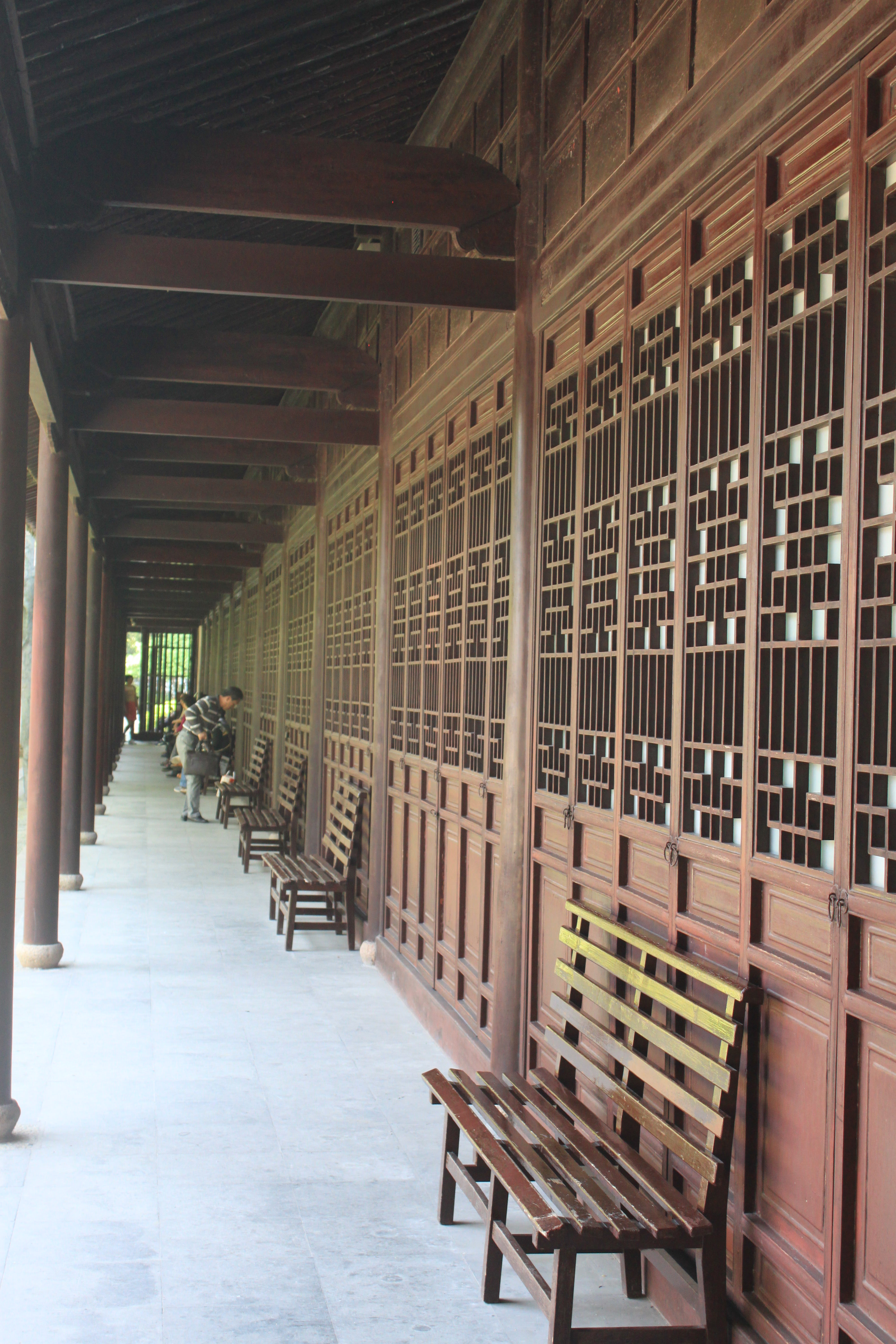
The China Imperial Examination System Museum
Jiading, a water town subsumed by Greater Shanghai, is an odd place to find a museum about the Chinese Civil Service Examination, but we found one in the midst of a Confucian Temple, 30km from the centre of Shanghai. We are usually fortunate in having museum commentaries translated into English for us, but this museum was displaying more Chinglish than English, but with a little help I hope I can explain to you what it was all about.
The Chinese Imperial Examination System was originally started in the Han dynasty (206BC – 220AD) and by the middle of the Tang Dynasty (618AD – 907AD) it was the mechanism for identifying which men would become bureaucrats in Imperial China. The exam was based on a knowledge of the classics and on literary style, not on technical knowledge, thus
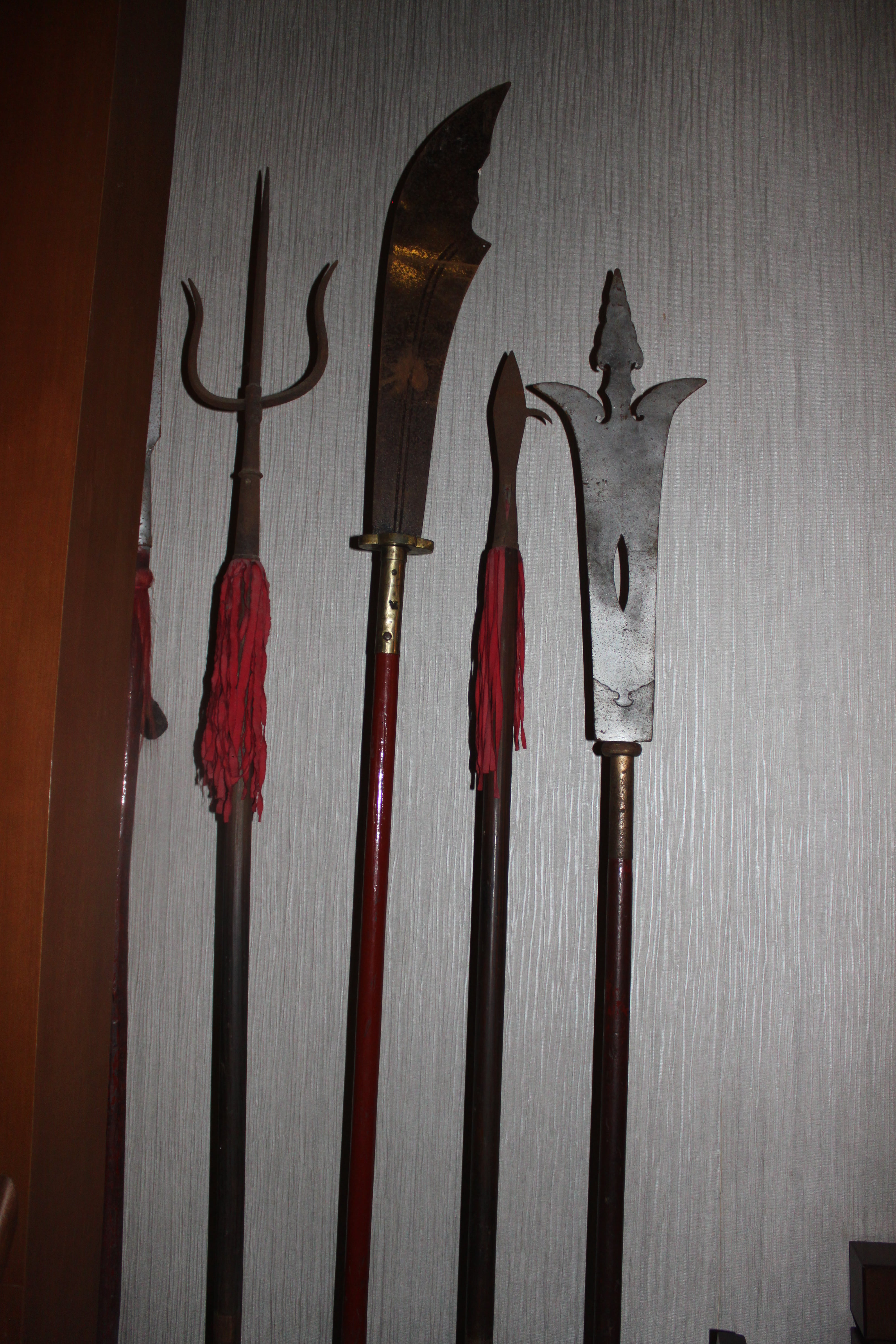
Chinese Weapons of war
successful candidates were generalists, not specialists; classicists not technicians. And the examination led to a country-wide education system whereby the candidates shared a common culture of Confucianism and the Mandarin language with the successful ones becoming scholar bureaucrats. It was a system that continued for 1300 years (although with short breaks). It superseded more war-like tests based on skill with various weapons.
The benefits were that the system was a meritocracy so that talented poor students were capable of rising to the top of the system, although I have read elsewhere that wealthy families could opt into the system by educating their sons or by purchasing degrees. The Imperial Chinese Examination system had a significant role in unifying the country and propagating Chinese Culture
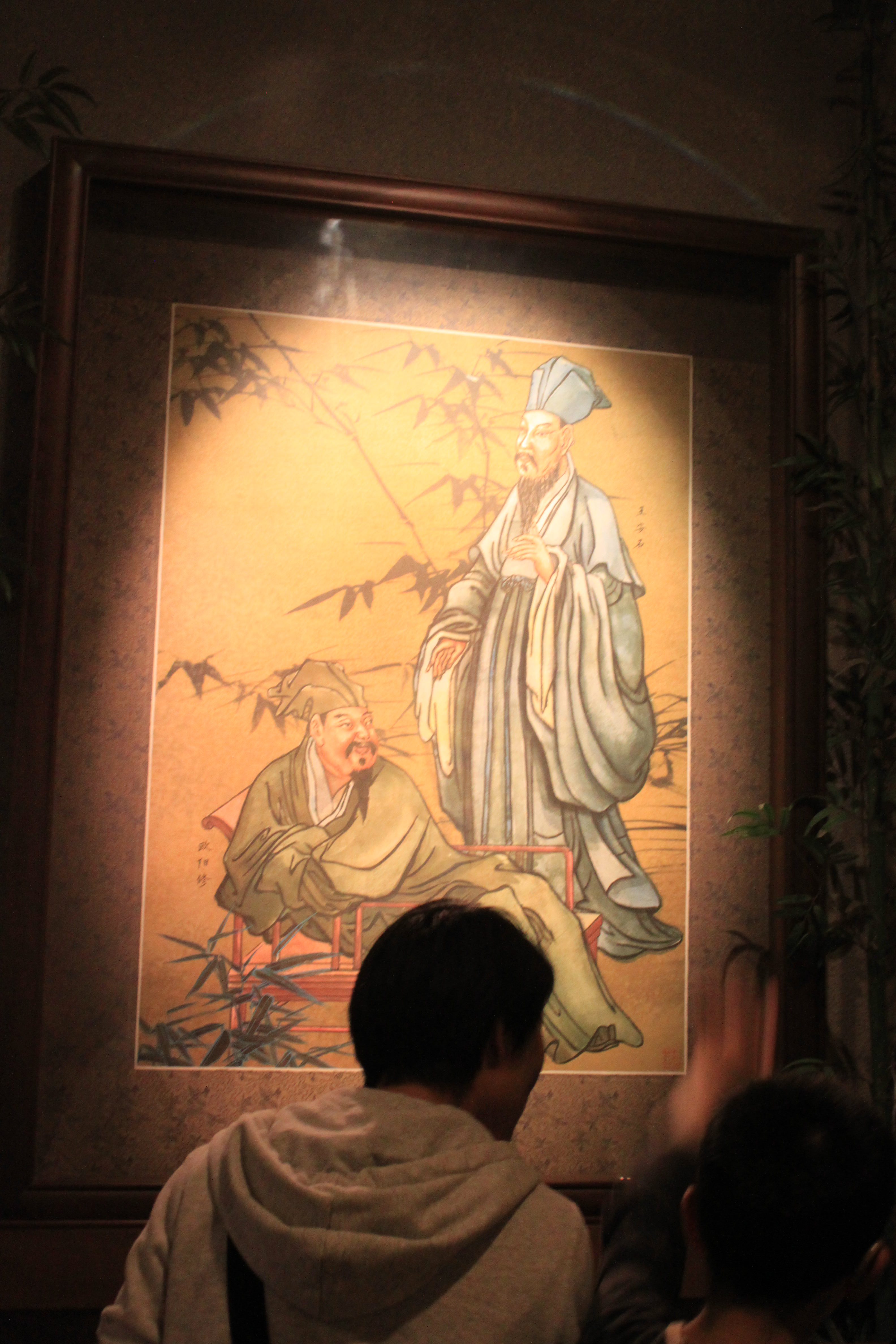
Distinguished Scholar
throughout the Empire. The system permeated all walks of life and created a culture of doing well through academic performance, which despite the Cultural Revolution is still seen in China today.
Over the long history of the examination over 700 champion scholars have been recognised, 110,000 presented scholars and millions of Juren or “cultivated talents.”
Critics say that the system stifled creativity and created officials who dared not challenge authority. By the beginning of the 20th Century, when the system was abolished, it was said that the lack of technical knowledge amongst its bureaucrats led to China’s defeat by foreign powers.
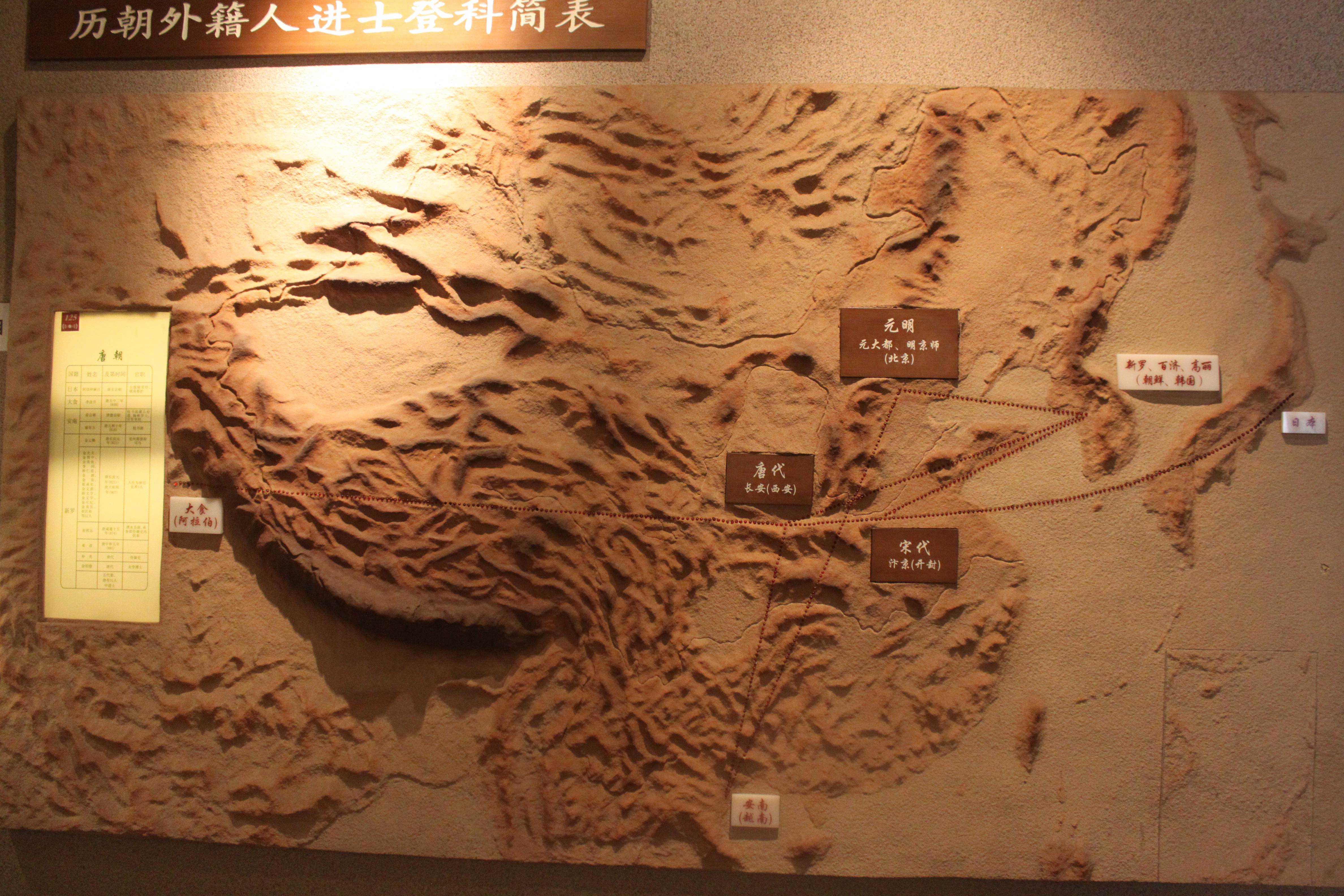
Countries sending foreigners for the exam
Since the Tang Dynasty foreigners have come to China to study its culture and language and some have even taken part in the imperial examination system and frequently succeeded. Whilst some returned to their native lands, others remained in China.
The Chinese Imperial Examination System was adopted by a number of neighbours namely Vietnam, Korea and briefly by Japan and the Ryukyu Kingdom of Okinawa, now part of Japan. Missionaries and diplomats from the West described the system to the leaders of their own countries and encouraged organisations, such as England’s East India Company (1600 – 1874), to adopt similar examinations based on merit, which in turn was adopted by the British Civil Service in 1855, and later by those of France, German and the US.
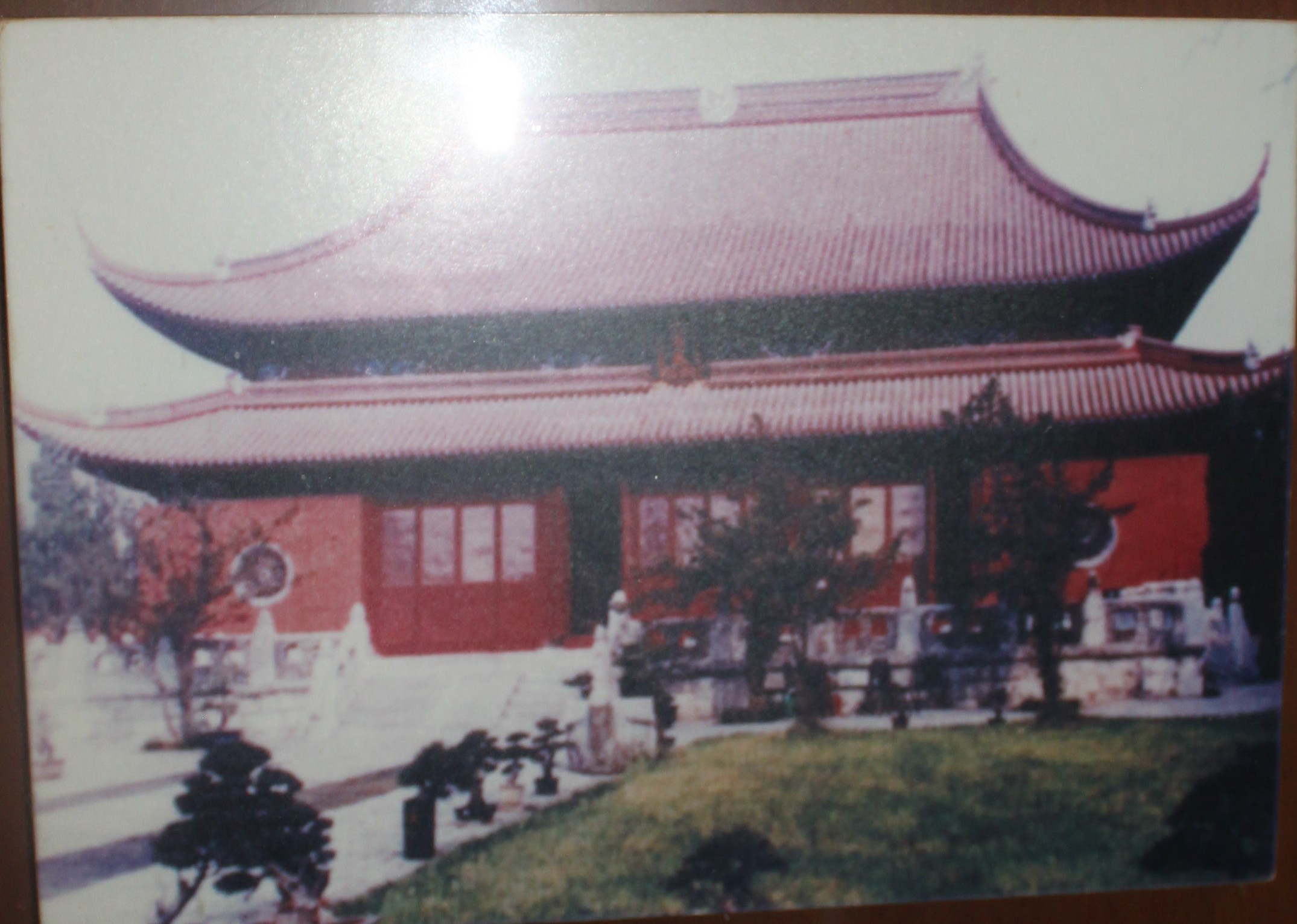
The Confucian Temple in Suzhou established in 1034 which fostered many successful candidates
The dominant style of imperial examination during the Ming and Qing dynasties was the eight-legged essay – a style of writing around a rigid artificial structure that had to be mastered. The essay had 8 parts with a set number of sentences allowed for each part and a restriction on the total number of words that could be used, which lead to the dominance of the form over content. Not only that, but no words or references that occurred after the death Mencius in 298BC could be used! Thus in the later life of the examination it was testing skills that were hardly useful in the age of steam railways, steam ships and the telegraph – technological advances that were soon to be followed by Dreadnoughts, tanks and all the rest that came along in World War 1. It smothered the scientific spirit and the creative mind. The Qing Dynasty finally abolished the examination in 1905 as part of the sweeping reforms undertaken on their return to Beijing from Xi’an following the anti-foreigner Boxer Rebellion.
The Jiading Bamboo Carving Museum
Tucked away round a corner at the end of a little lane – we only knew it was there because we came across one signpost to it in a backstreet in the town – is the Jiading Bamboo Carving Museum. There are small museums like this all over Shanghai which either cover

Tableau of Bamboo Carving
one person’s obsession for collecting or one family’s skill passed down from one generation to another. In this case it is the Zhu family and their carvings made from bamboo. The family started carving bamboo in the middle of the Ming Dynasty, 400 years ago, and the first three generations Zhu He, Zhu Ying and Zhu Zhizheng handed down the craft from man to boy. The carvings are either made in relief or what the museum described as “under-earth deep carving” , which I think meant the 3-D carving of bamboo roots. The Zhus were the first to incorporate painting and calligraphy into the carving of bamboo stems. In later centuries other locals took on the art form so that Jiading has become known as the home of Bamboo carving. The art form declined during the social upheavals of 20th Century China, but since 2006 it has been included in “The First List of Intangible Cultural Heritages”.
Bamboo Carving tools:
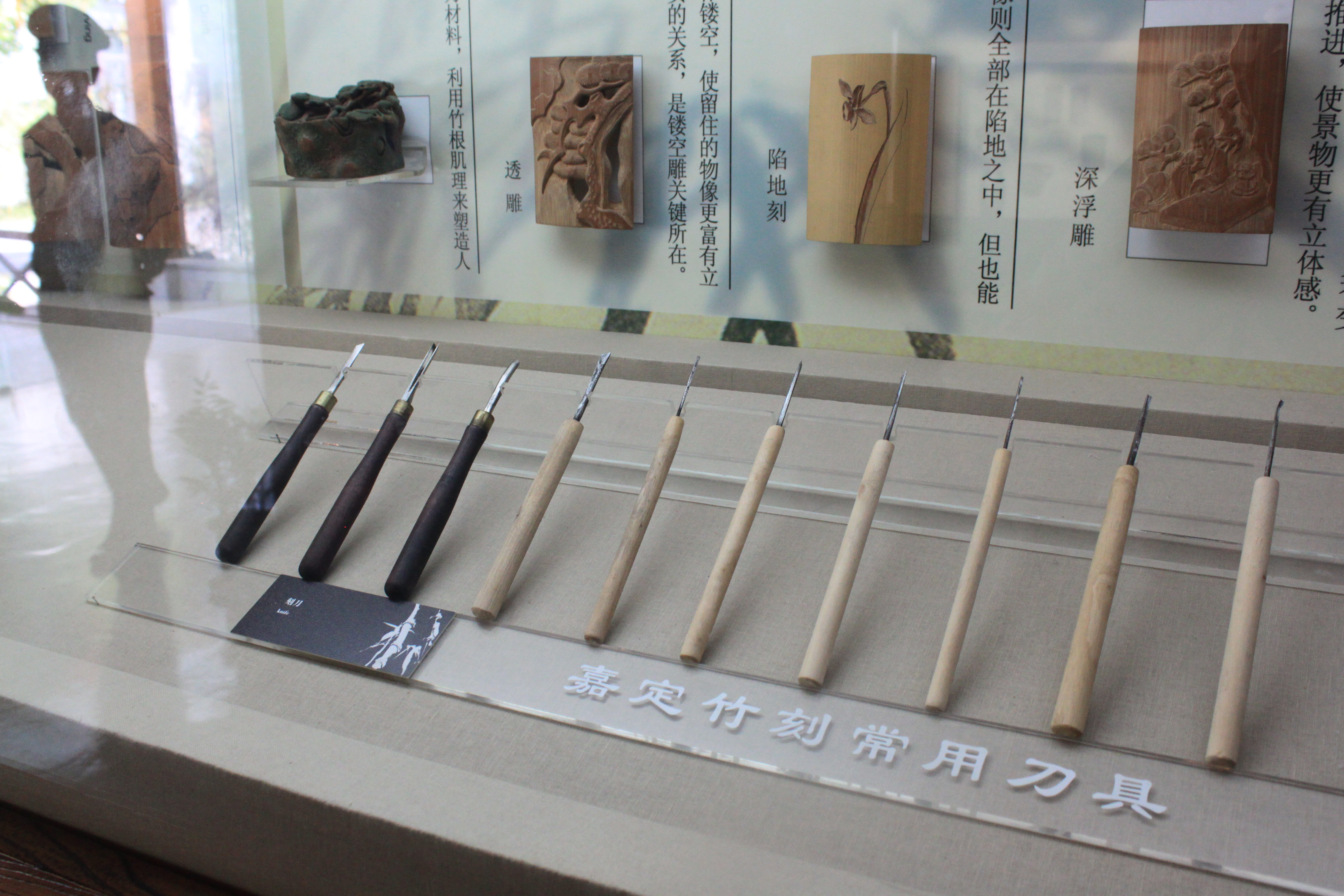
Bamboo Carving Tools
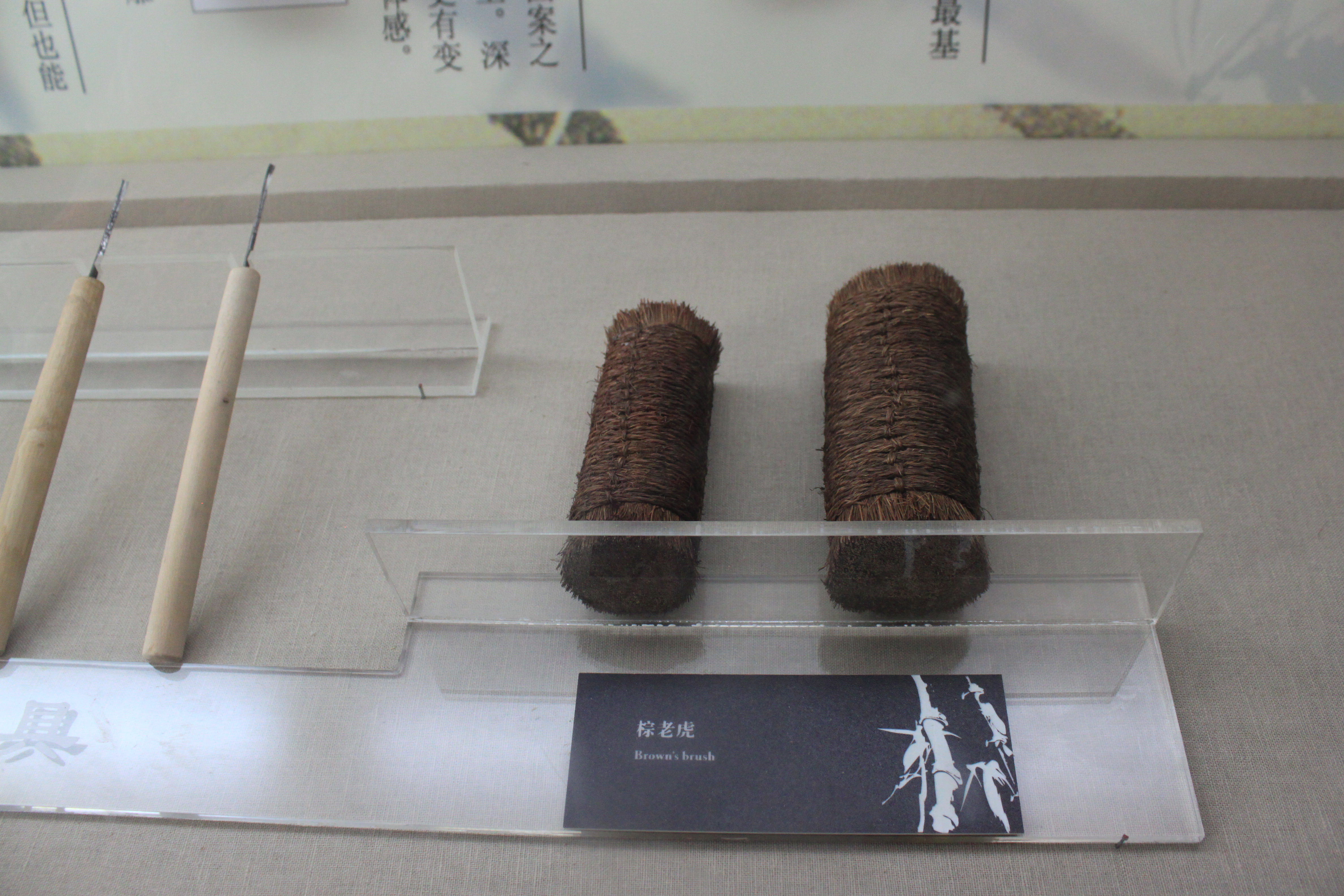
Brushes
The 3-D carving of bamboo roots:
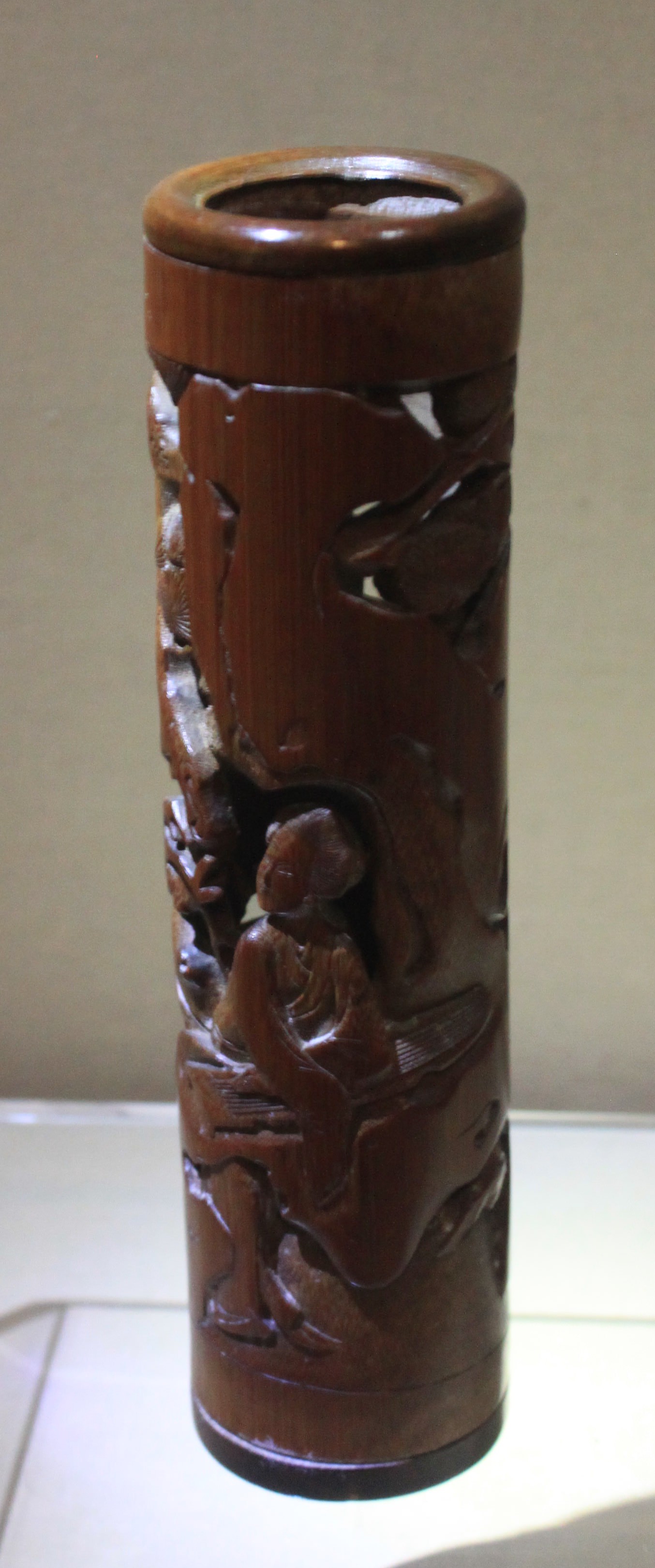
Perfume Holder “carved with Beauty”
Qing Dynasty
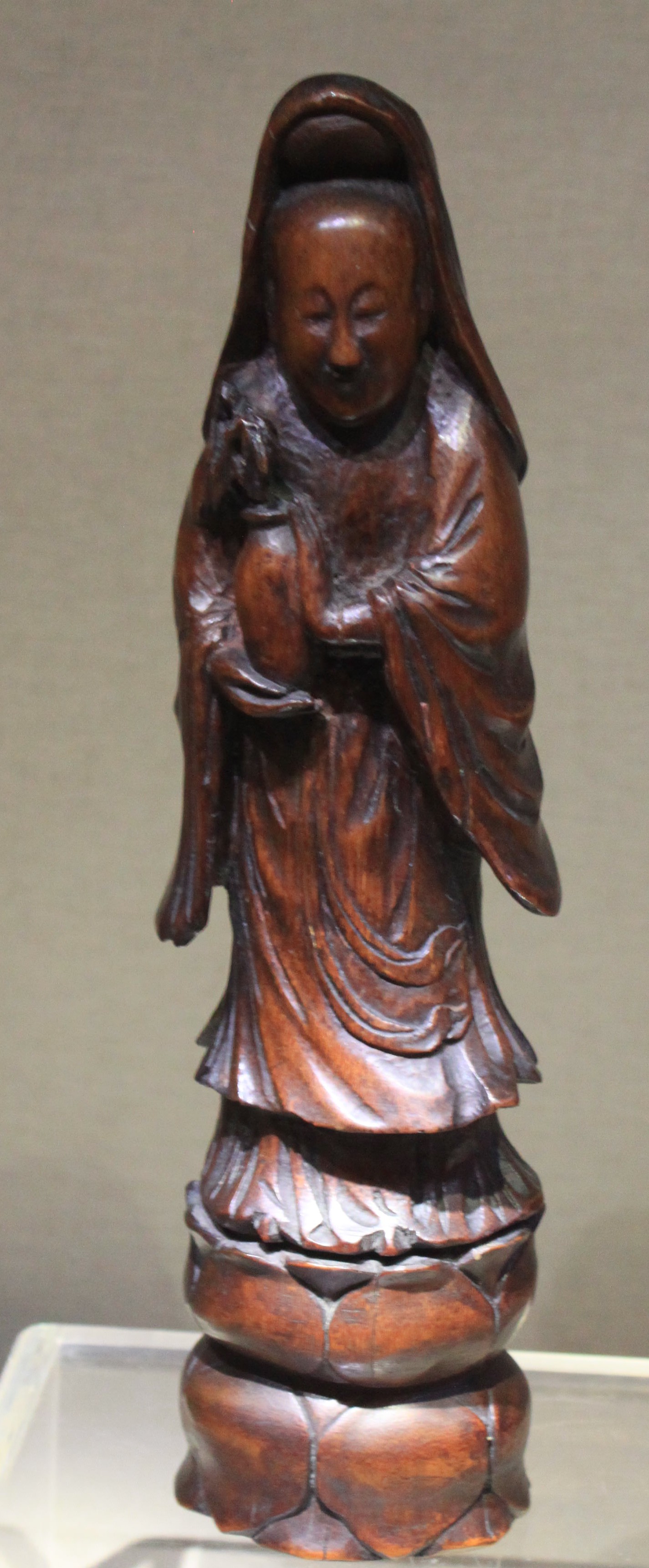
Kwan-yin Round Carving
Qing Dynasty
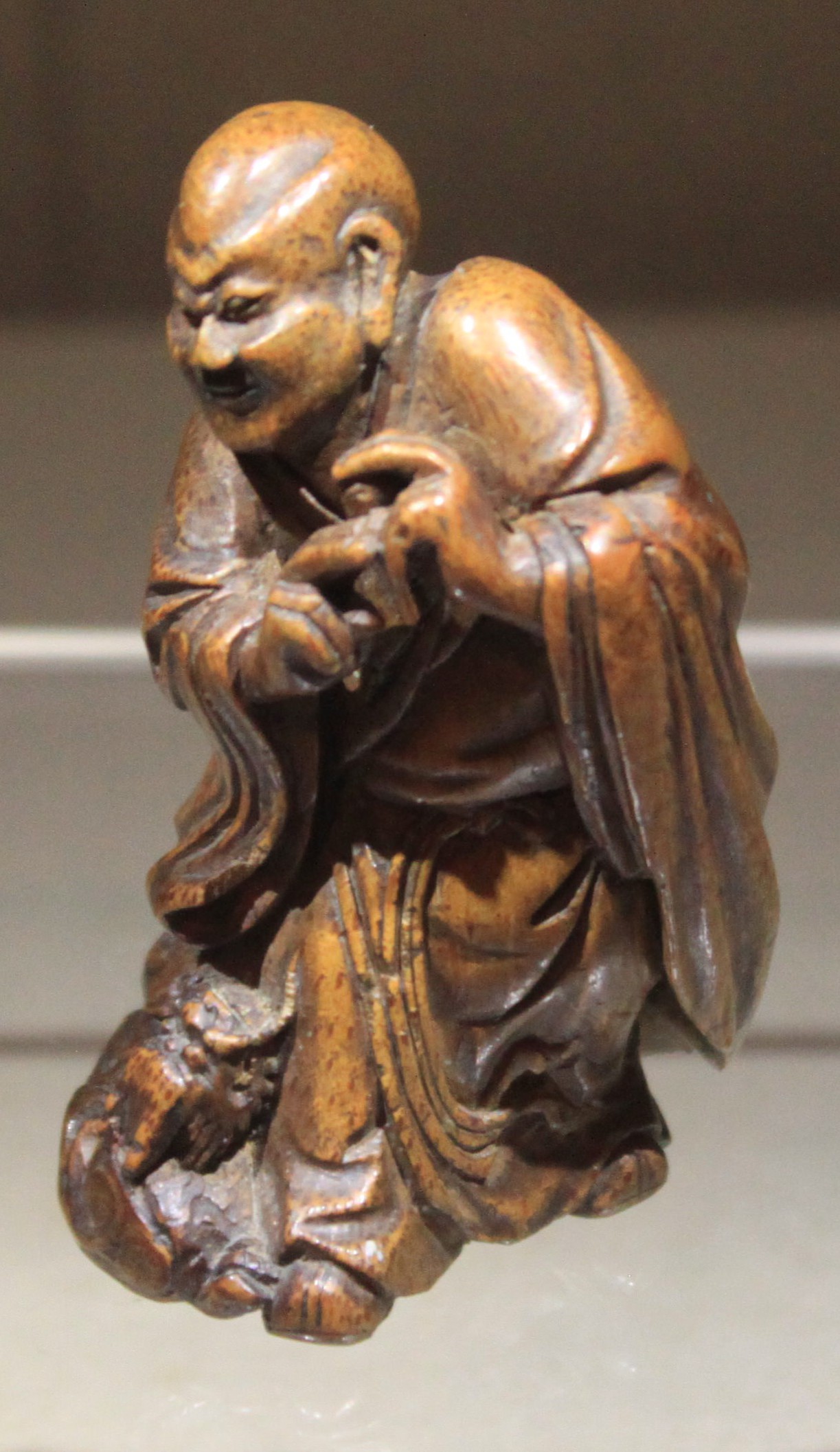
Taming Dragon Lohan
Qing Dynasty
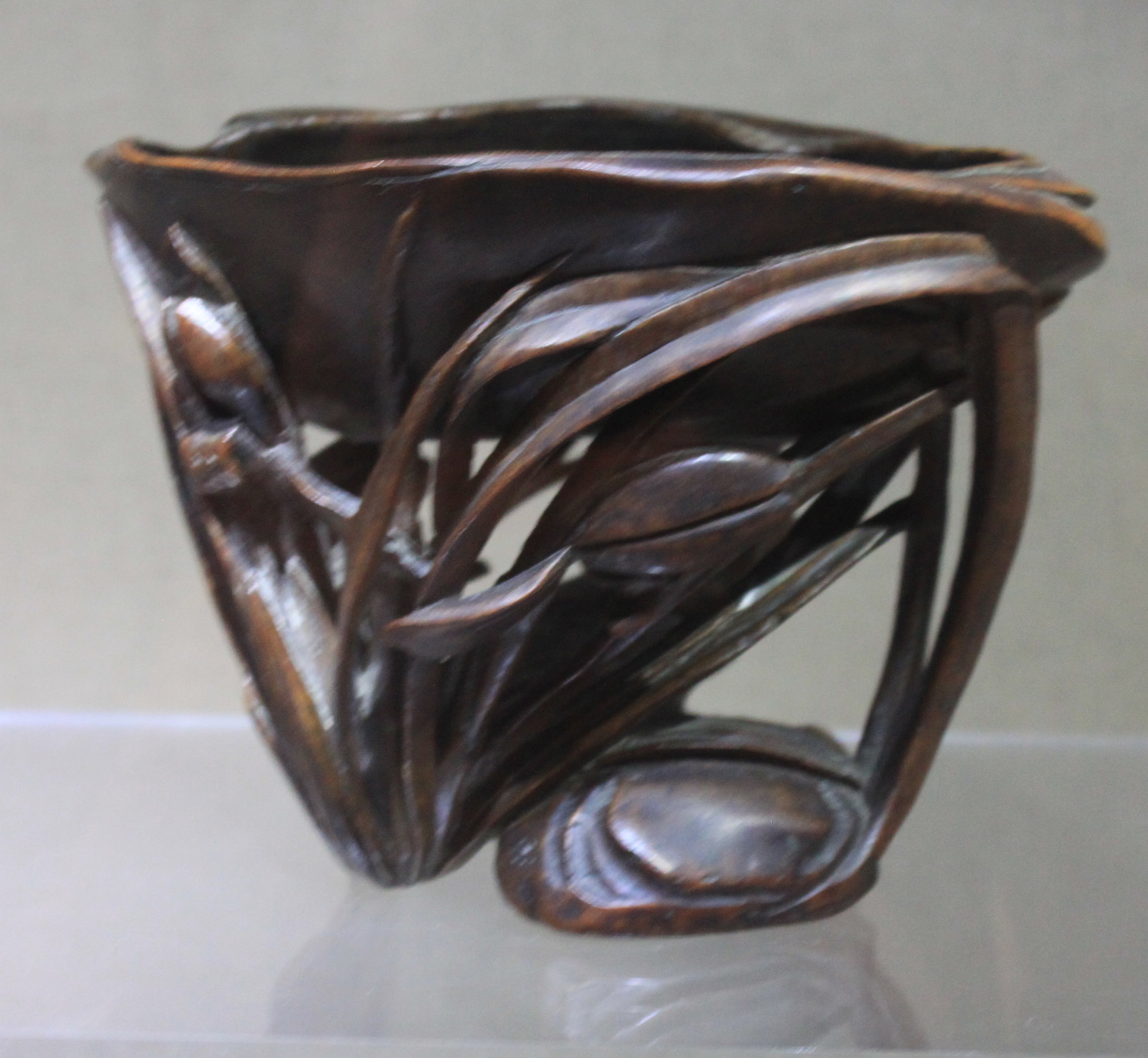
Water Container Round Carving
Qing Dynasty
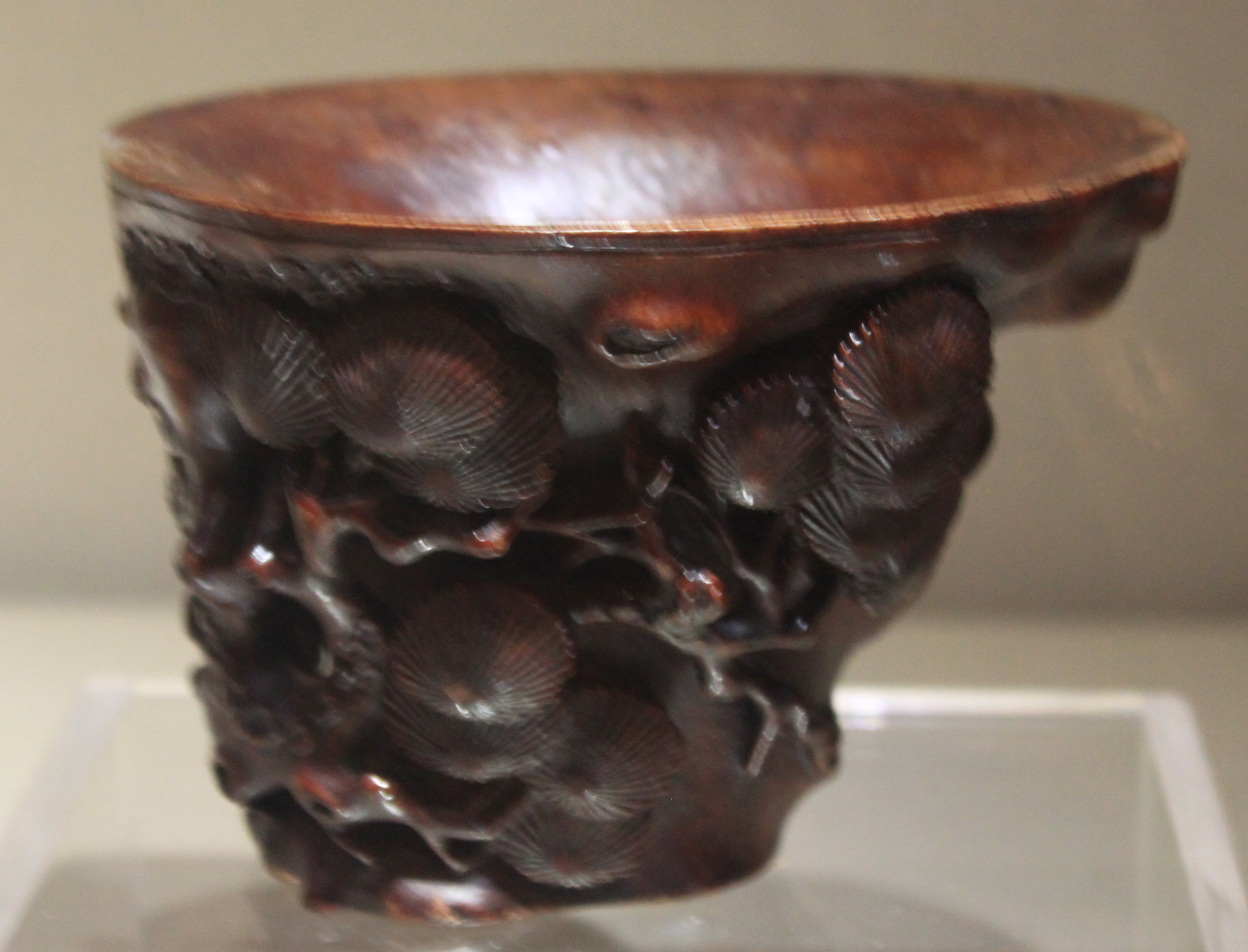
Bamboo cup carved with pine tree
Mid-Qing Dynasty
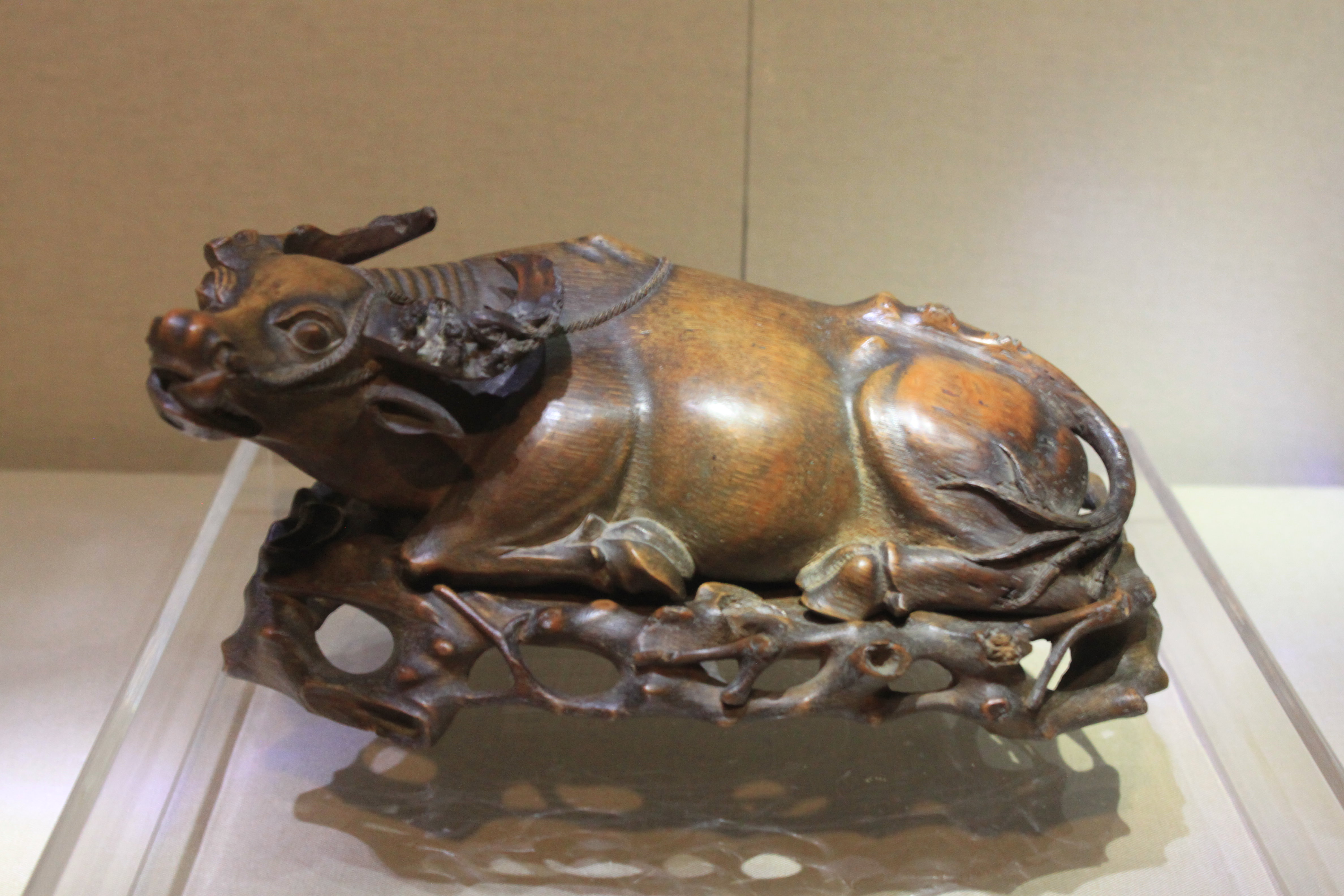
Bamboo decoration carved with Buffalo
Circular Engraving, Qing Dynasty
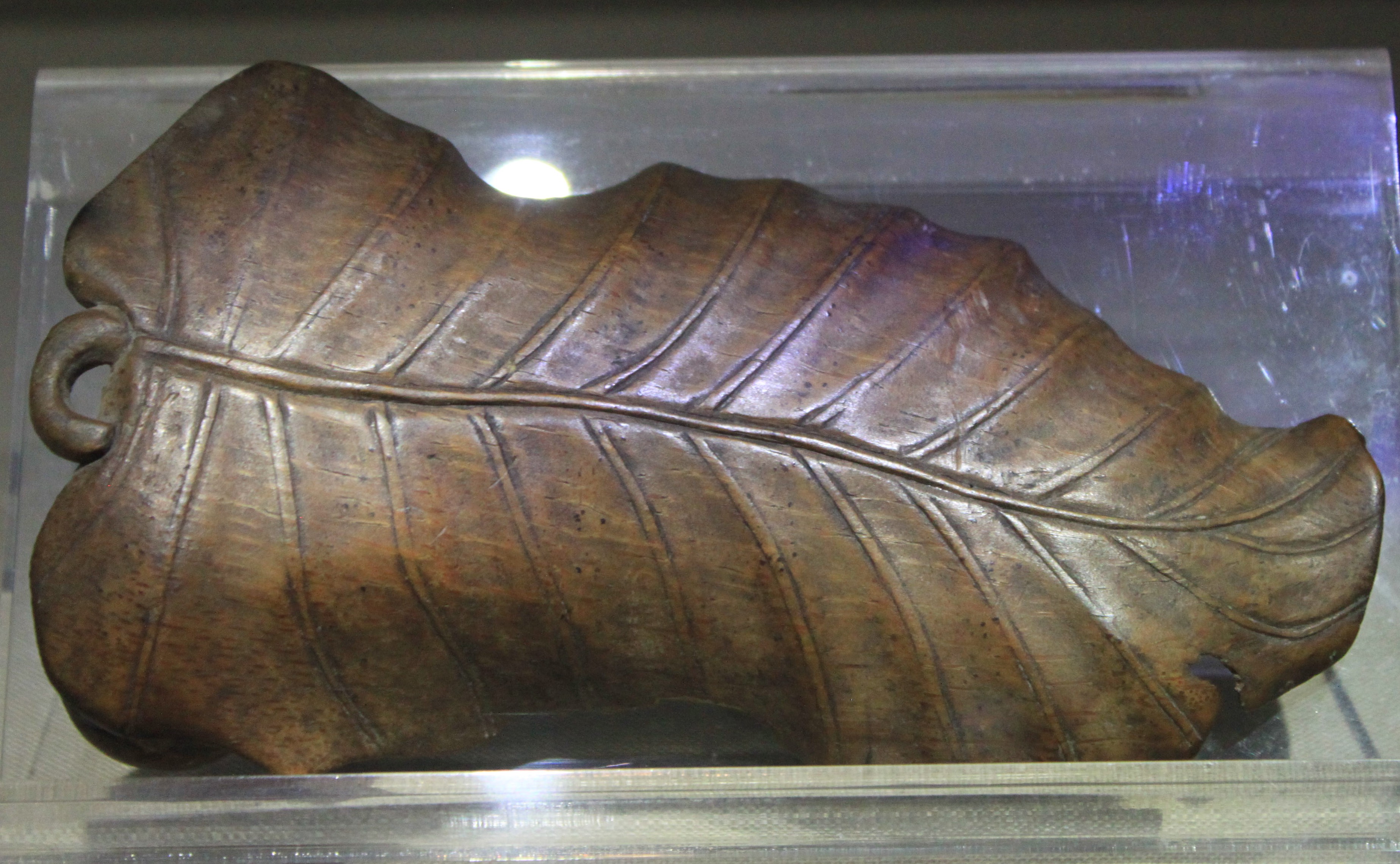
Basjoo leaf Round Carving
Qing Dynasty
The Basjoo is the Musa banjo or Japanese Banana and Kwan-yin is the Buddhist goddess of compassion. The Lohan is the Arhat, Arahat or Arahant of Theravada Buddhism one who has followed the Eightfold Path and has achieved deliverance of this earthly existence. In him the asavas – the craving for sensual pleasures, earthly existence, ignorance and wrong views – are gone and he is subject to no more rebirths and karma.
Engraved and Relief carved items:
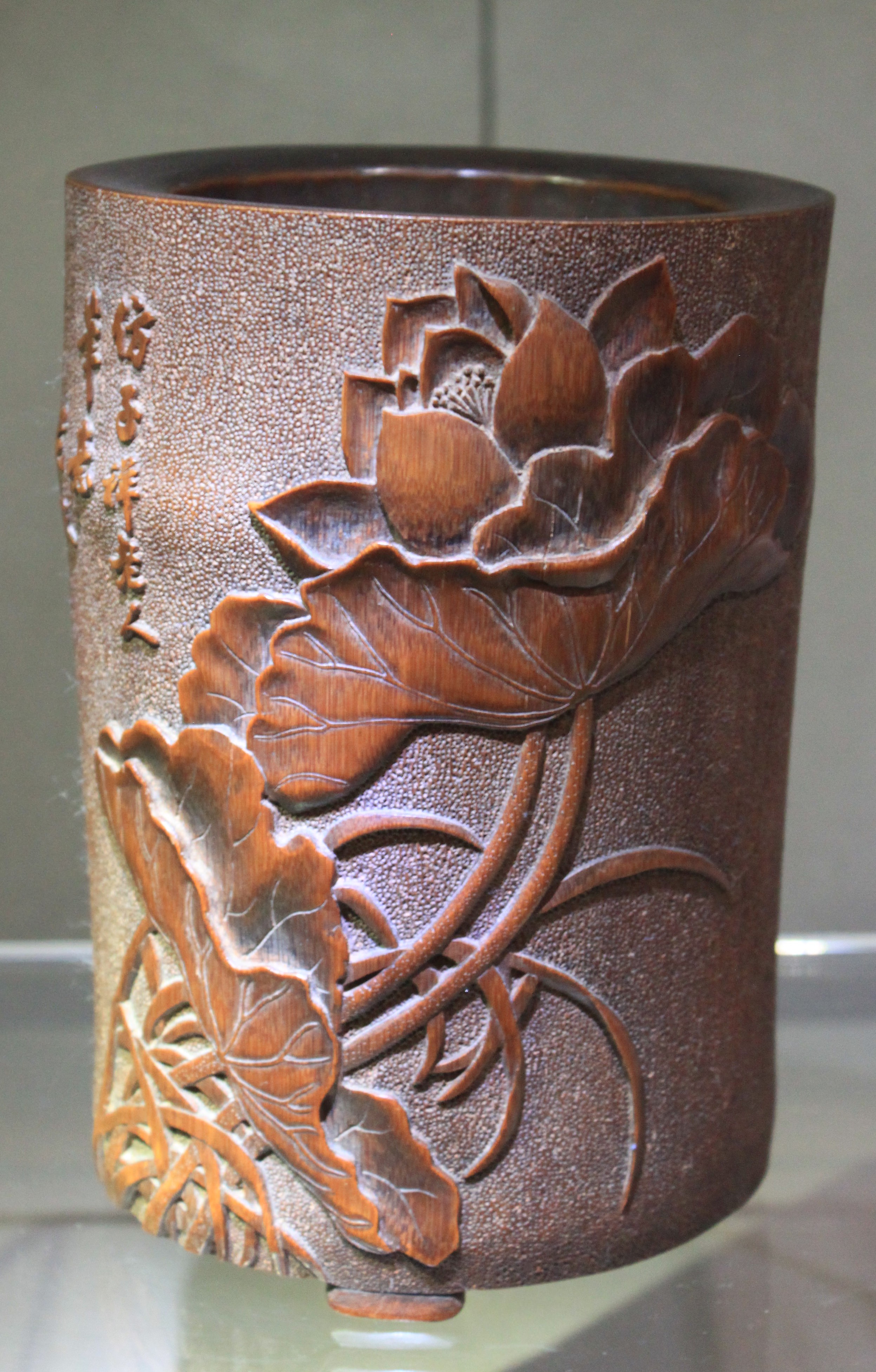
Brush pot carved with lotus flower Modern China
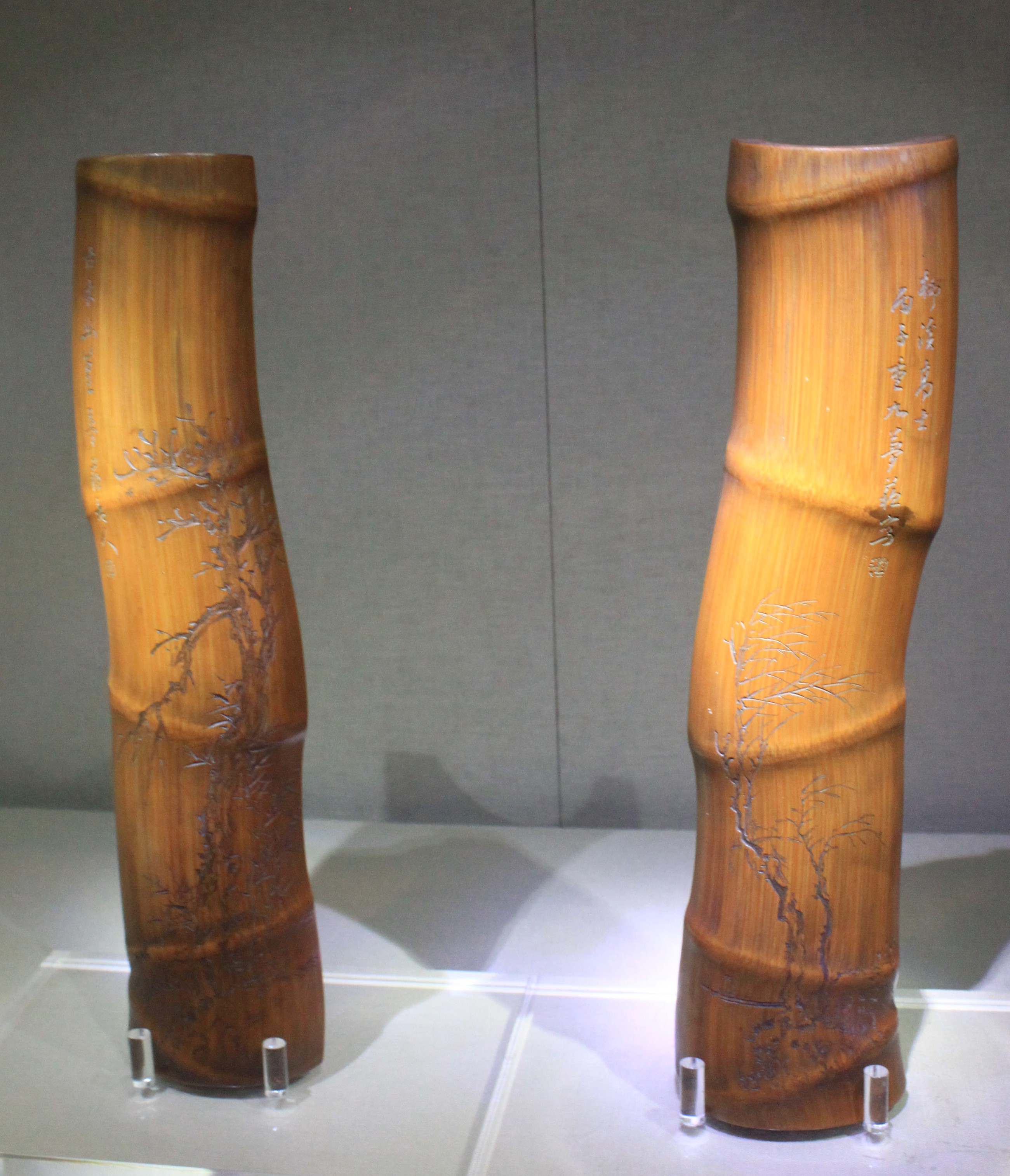
Wrist Rest Engraved with Landscape Qing Dynasty
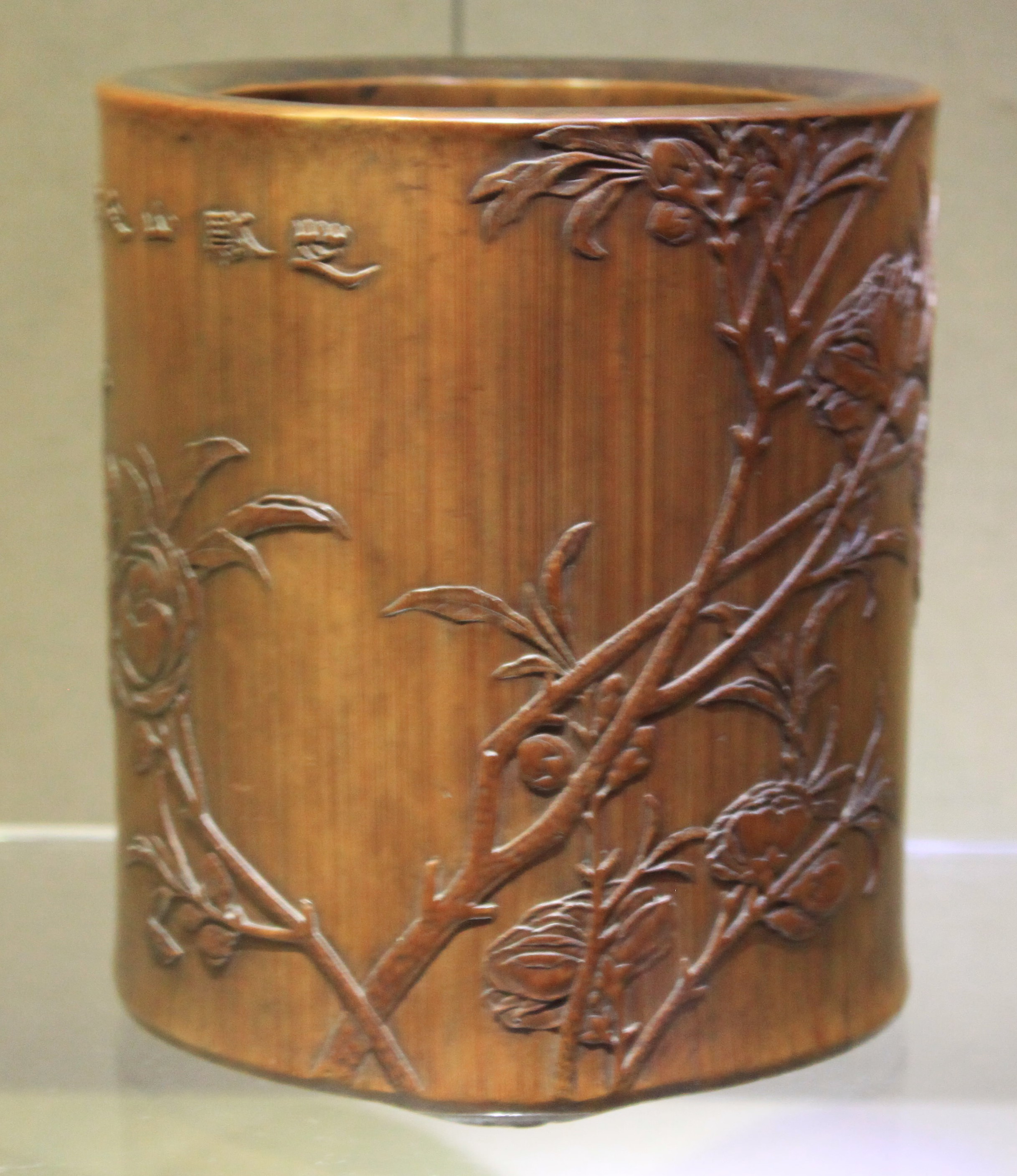
Brush pot carved with Peach Blossoms Qing Dynasty
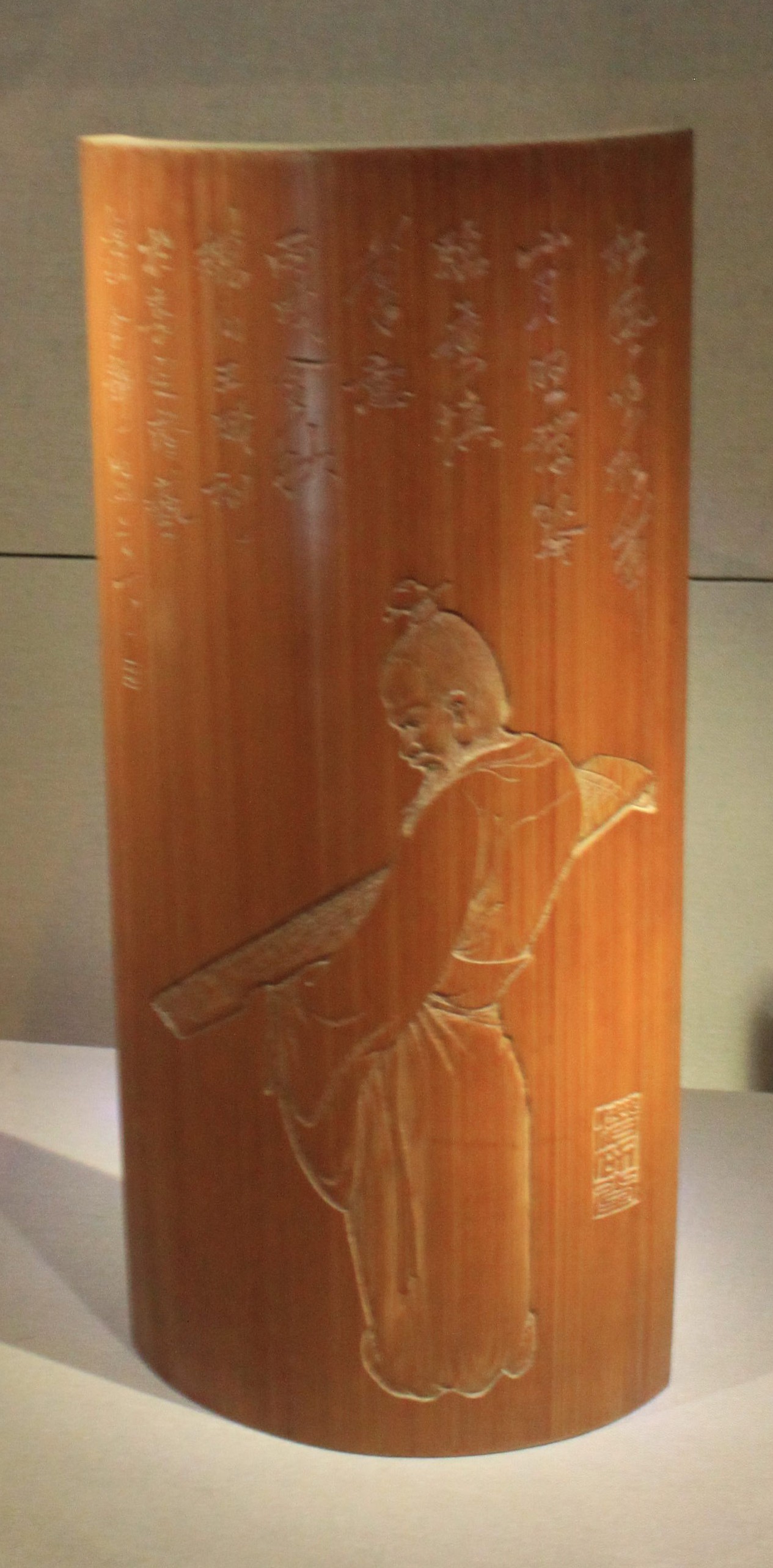
Wrist-rest carved with A lady carrying a zheng or plucked zither
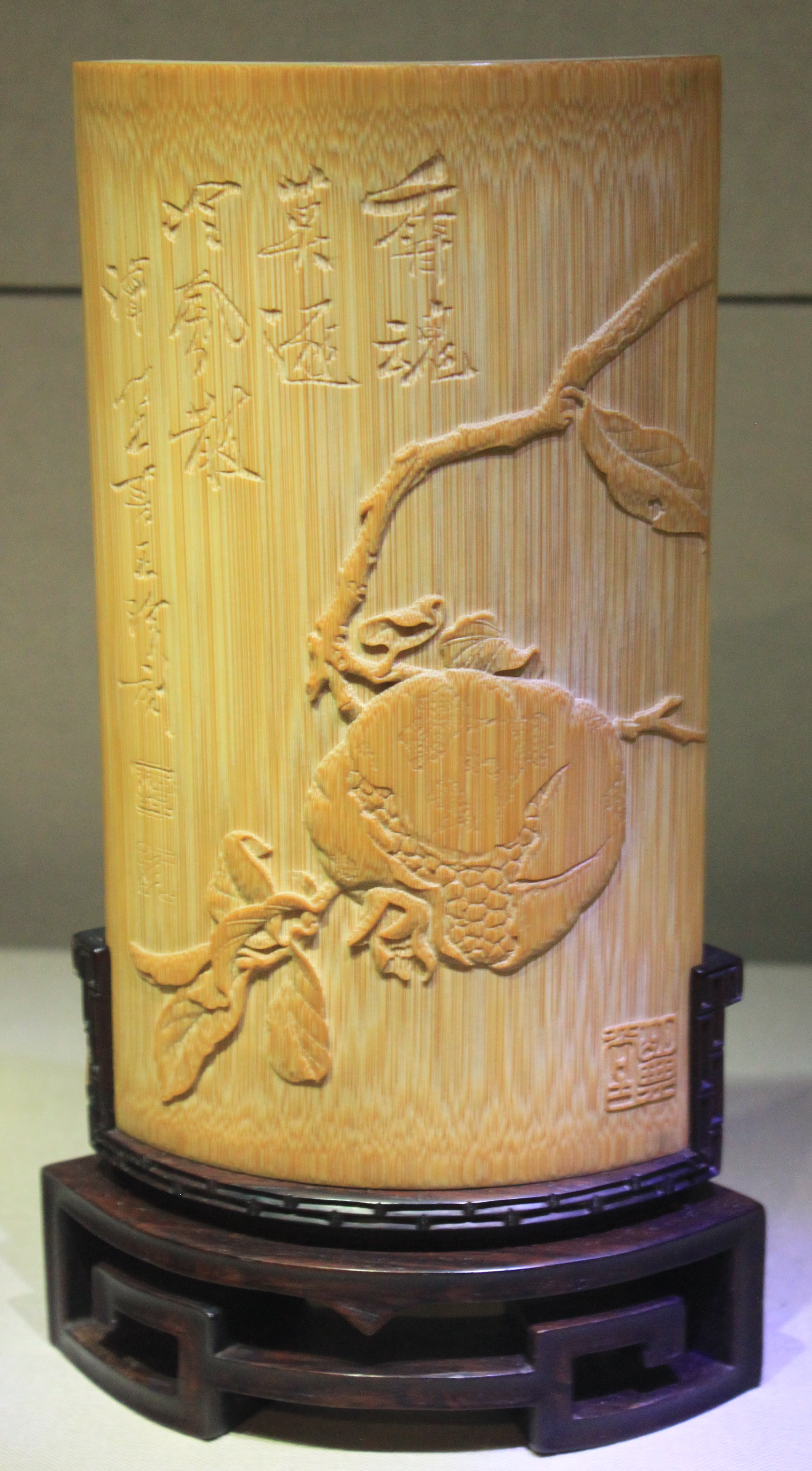
Screen carved with Pomegranate relief carving
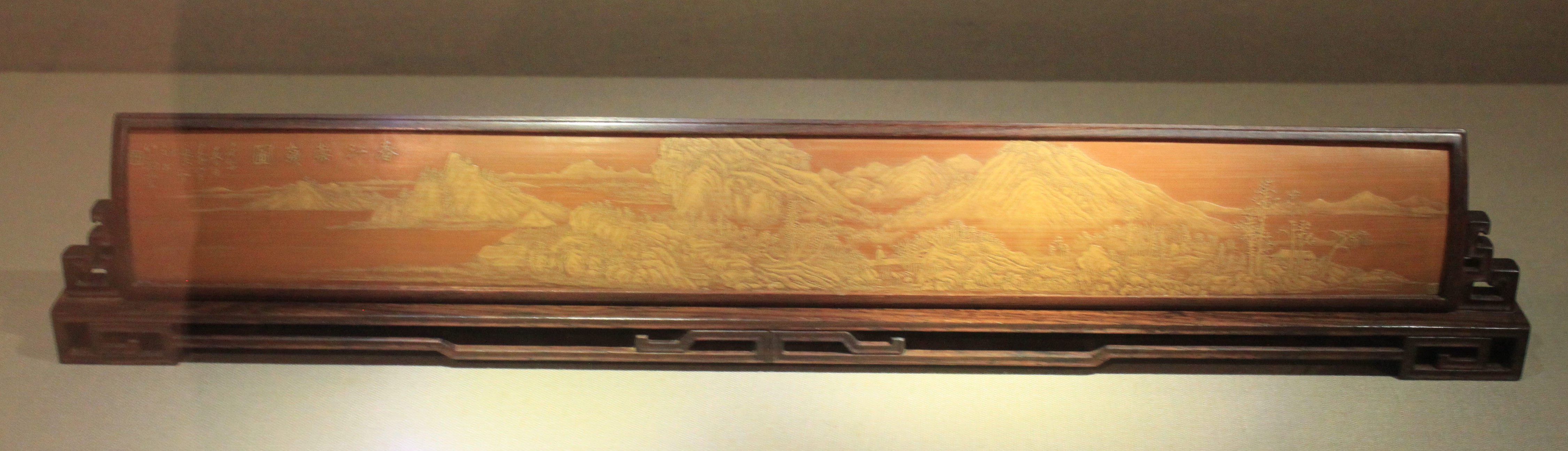
Screened carved with Landscape with liuqing carving
The liuqing technique, a method of carving that manipulates the contrasting colours of the smooth greenish bamboo skin and the darker fibrous inner layers. On these wrist rests the outer skin of the bamboo branch has been reserved for the backgrounds. The elegant
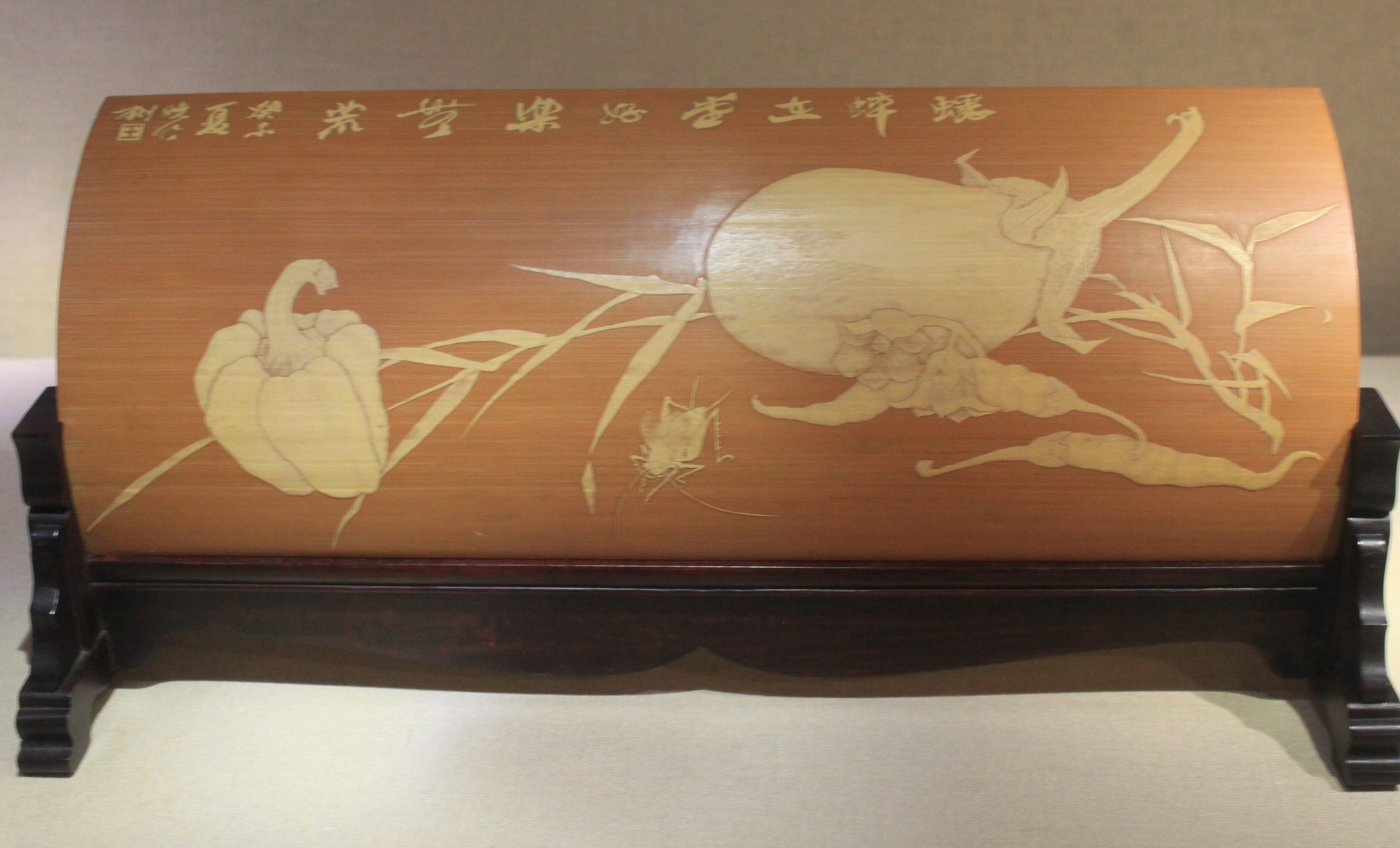
Wrist-rest carved with fruit liuqing carving
contrast between light and dark tones is further enhanced through a dyeing process in which the green skin of the material turns into a golden light brown colour while the inner layer of the worked bamboo develops into a rich darker brown.
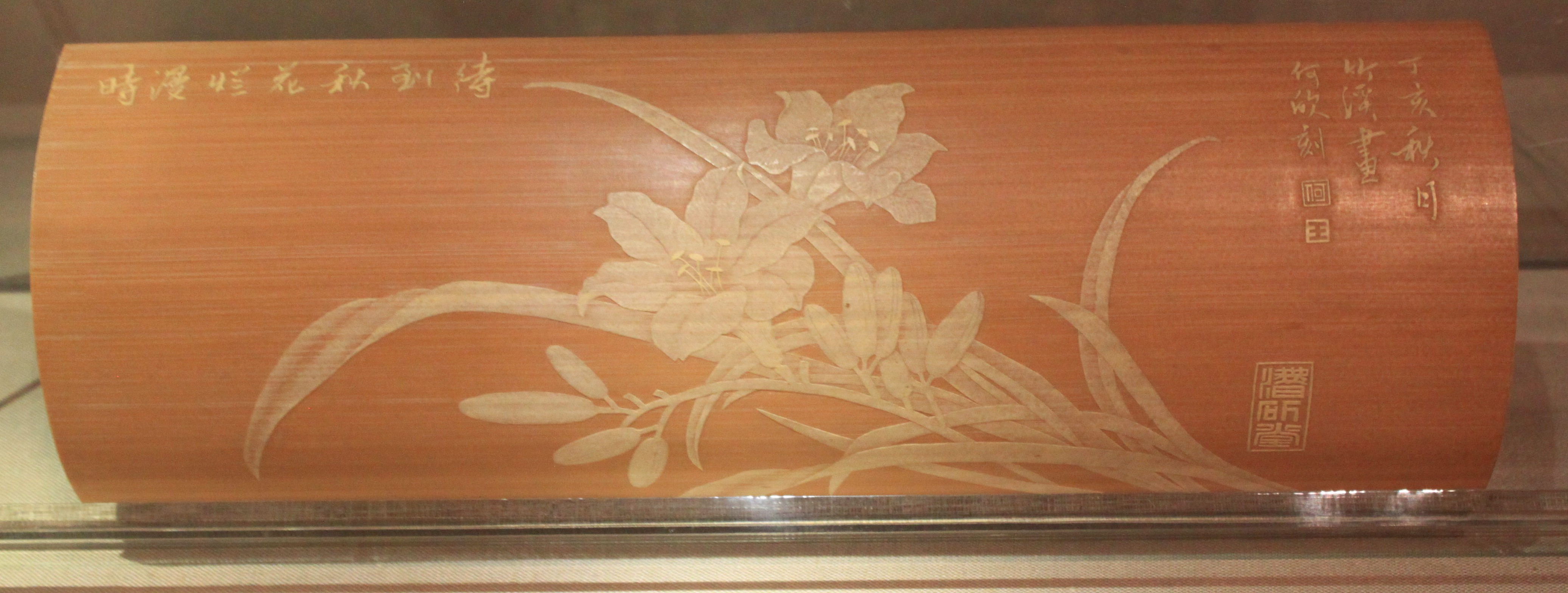
Wrist-rest carved with plants liuqing carving
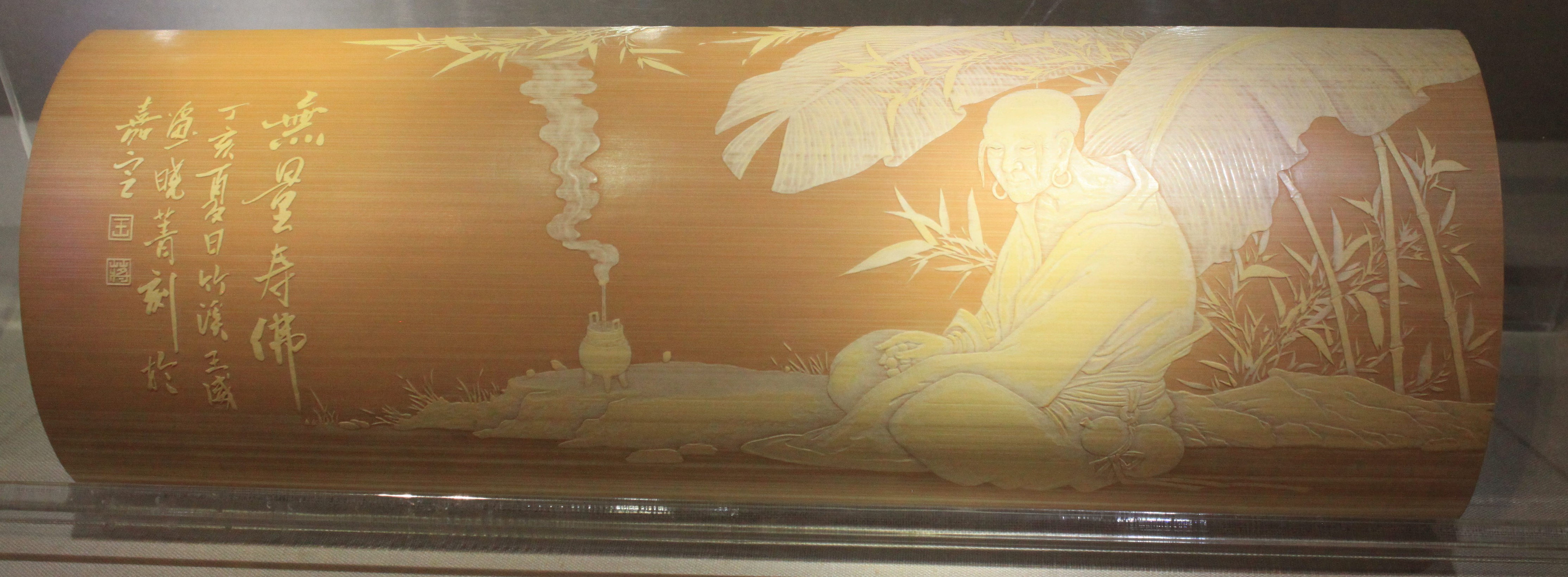
Wrist-rest carved with Buddhist Liuqing carving
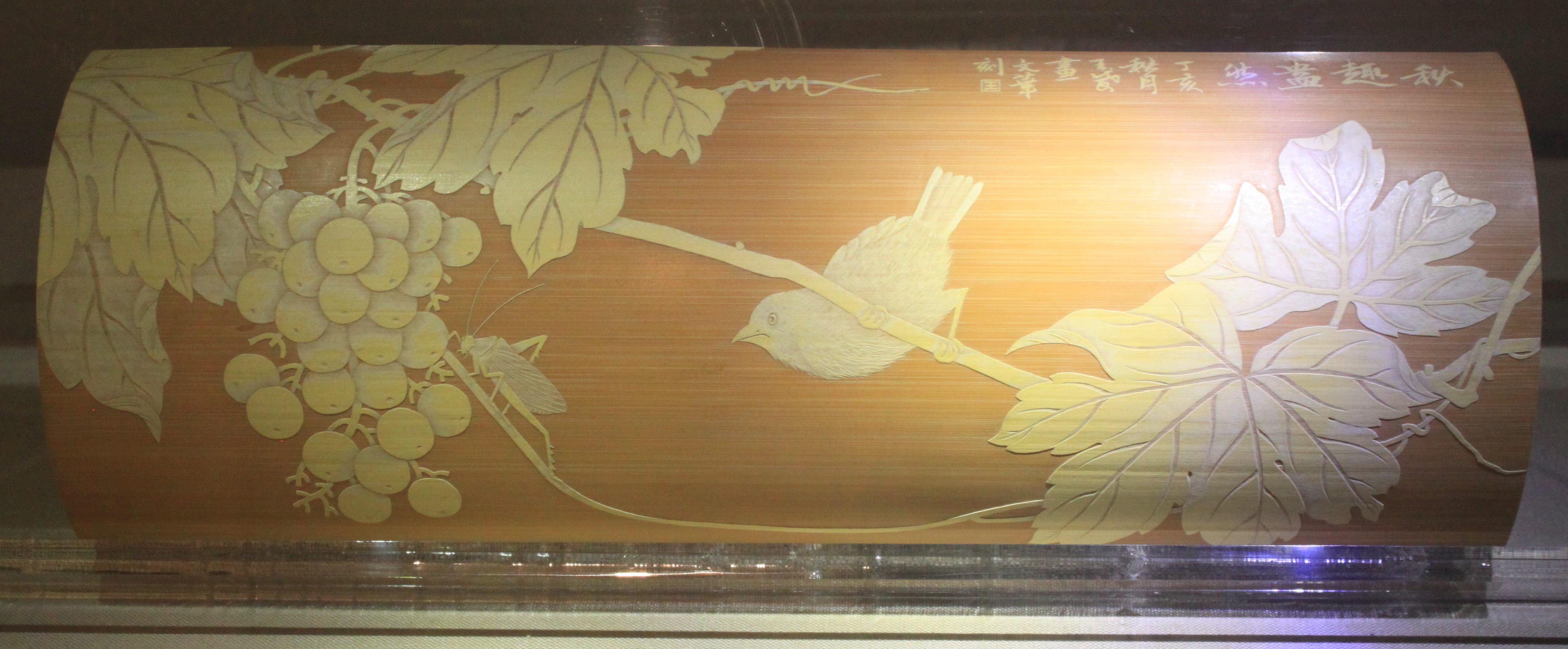
Wrist-rest carved with grapes liuqing carving

 Pearls From The Orient