
My third trip to Japan started on the island of Kyūshū, the most westerly main island of Japan – the one with ferry links to Busan at the southern tip of South Korea, which is how Rozy joined the two of us. Richard stayed for our weekend in Fukouka, whilst Rozy and I went on together to explore Japan further. Our last day on Kyūshū was spent on a day trip to the port city Nagasaki, the site of the second atomic bomb dropped on Japan in 1945. It was a bright cloudless sunny day as we took the fast train south and west to the port on the island’s western coast.

The port is surrounded on three sides by verdant mountains and the fjord that points westwards into the East China Sea forms a long natural harbour in the shape of a Crane. It was this harbour that greeted the first westerners to Japan. They arrived in Portuguese ships in the 16th Century and subsequent centuries had a complex and colourful history of interactions between the two cultures.
The first atomic bomb to be dropped on Japanese soil was released by the Enola Gray above Hiroshima on the western end of the main central island of Japan at 08.15 am on 6th August 1945. The first bomb, known as “Little Boy”, was an enriched uranium gun-type fission weapon.
The second one known as “Fat Man” was a plutonium implosion-type nuclear weapon and dropped by the B-29 bomber known as “Bockscar”. It was destined for the industrial area of Kokura on the southern edge of Fukouka, but the weather prevented a visual sighting of the target and after circling three times the plane headed for its secondary target that of the Mitsubishi Nagasaki Arms factory. The bomb was dropped from 9,000m through a crack in the clouds at 11.02 am on 9th August 1945. The bomb exploded with a blinding flash of light and an earth rending roar 500metres above Matsuyama-machi in the northern part of Nagasaki.

The statistics of victims are horrendous, and puts the bombing just at Nagasaki on a par with the lower range of the estimated number of victims of the Nanjing Massacre (aka The Rape of Nanking) inflicted on the Chinese by the Japanese between December 1937 and January 1939 where it is estimated that the victims numbered between 100,000 and 300,00 – more of this another time.

We visited the spot just over 71 years later, climbing first the steps up to the long narrow Nagasaki Peace Park, dedicated to World Peace and the elimination of nuclear weapons.

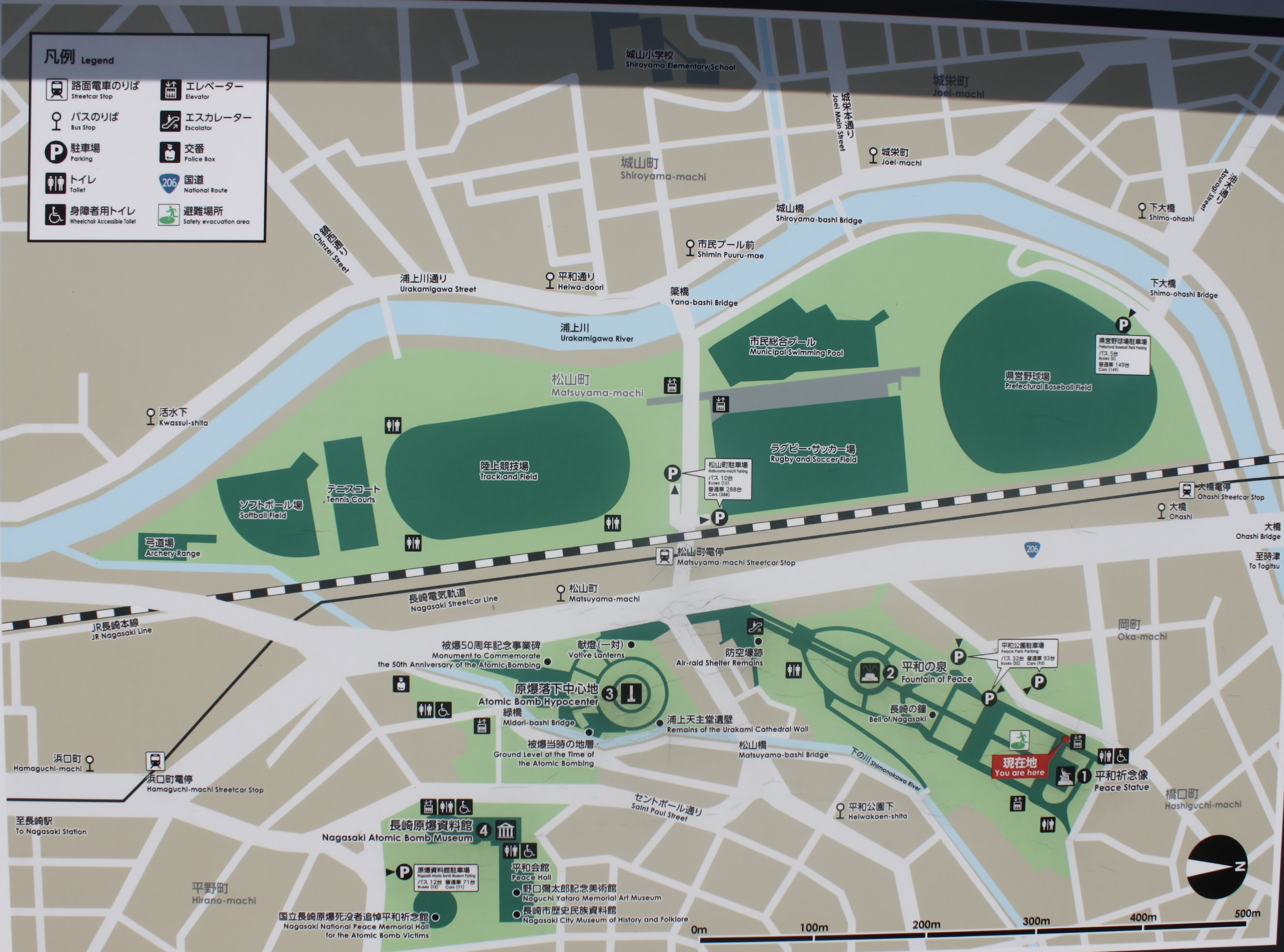
At the top of the steps we were greeted by a fountain of everchanging water jets in the shape of the wings of a bird, evoking the flapping of the wings of The Dove of Peace as well as those of a Crane – the symbol of Nagasaki
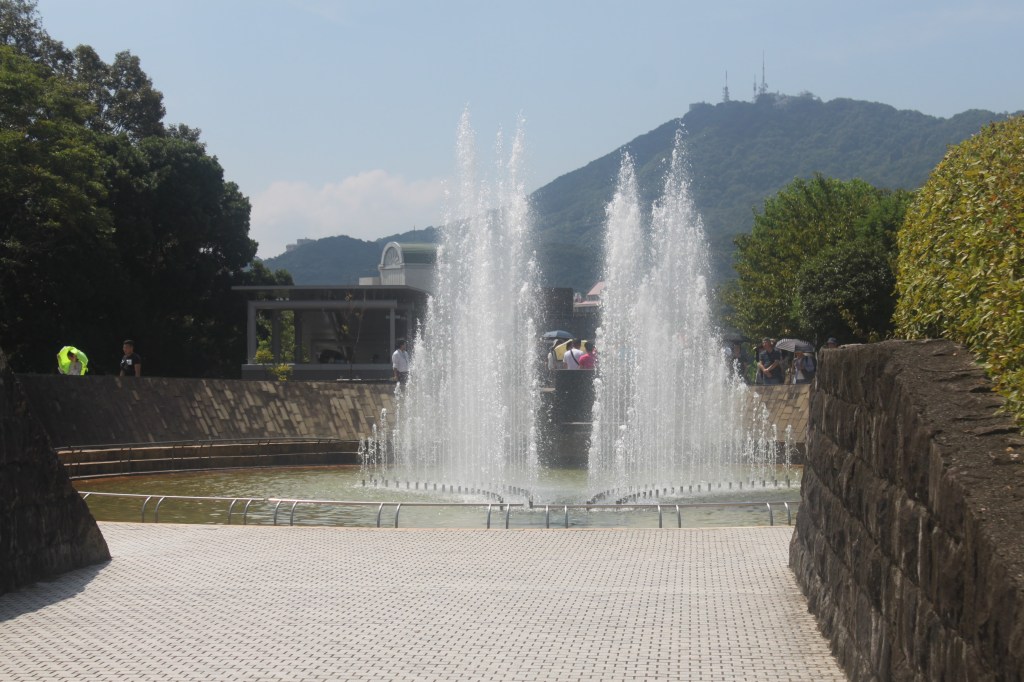

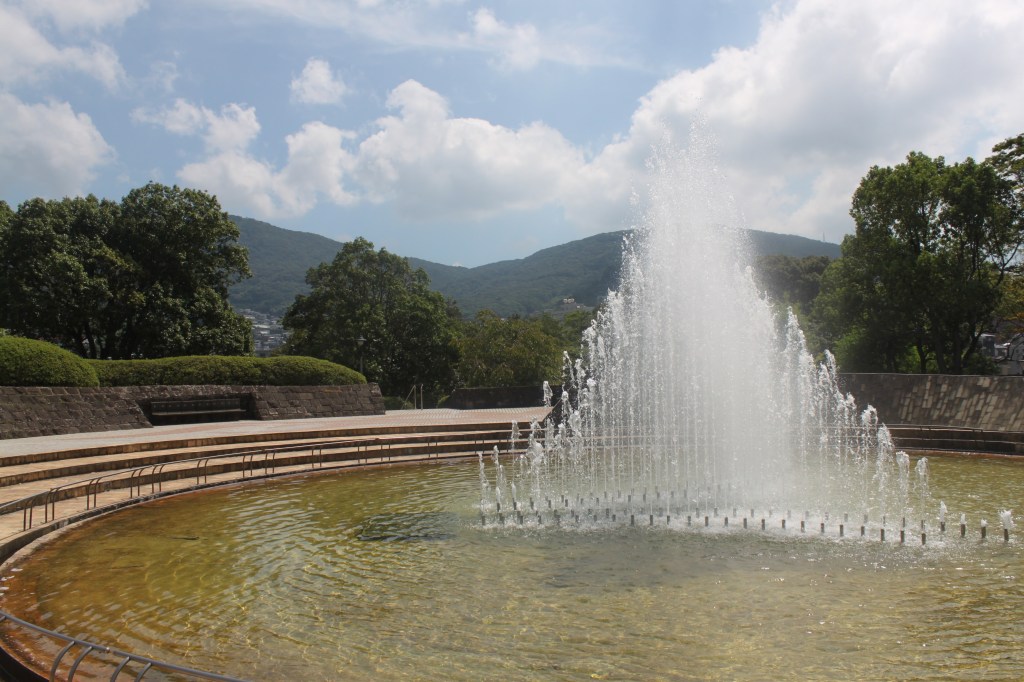

After the bomb dropped, thousands of the victims with terrible burns died gasping for water and the fountain paid for by donations from all over Japan, is dedicated as an offering of water to these people and a prayer for the repose of their souls.
“It is our ardent wish that you will remember the departed victims whilst visiting this fountain and that you will join us in striving for world peace.”
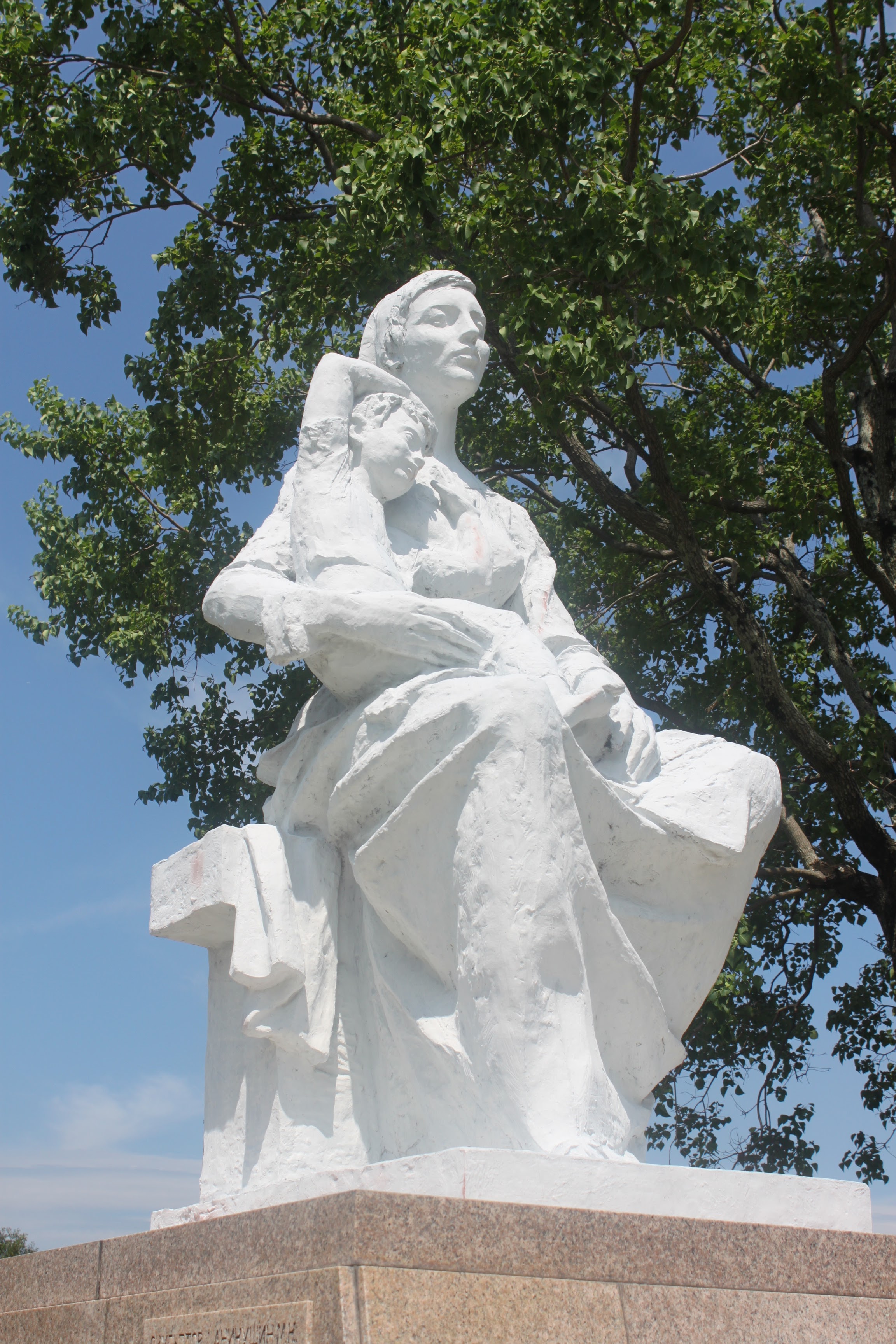
In the World Peace Symbol Zone is a monument donated by the USSR, called the statue of Peace, depicting the love & peace of a mother holding her child.
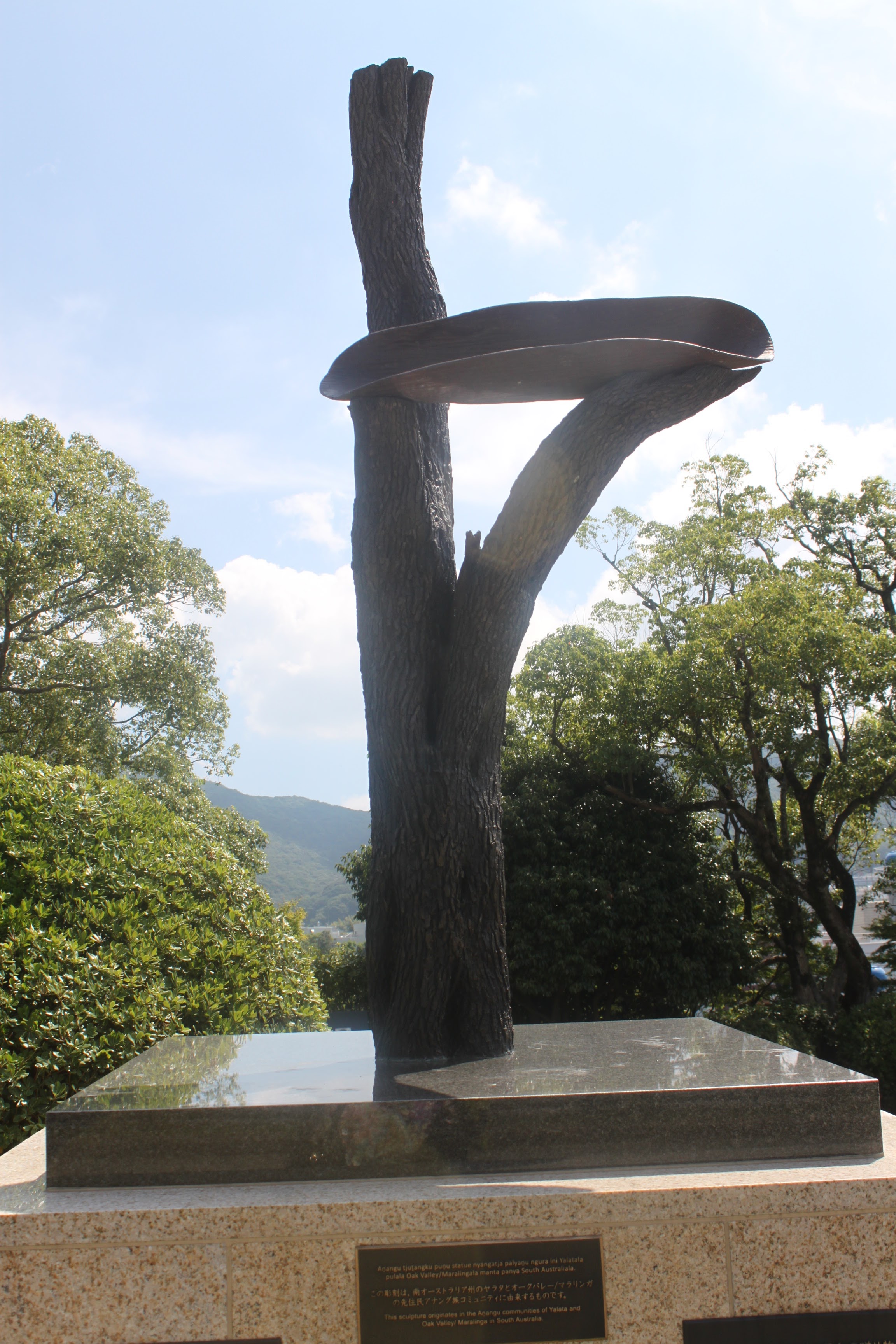
and a symbolic Tree of Life with a Gift of Peace in the form of a piti (dish) used for carrying food, representing the sharing of resources between families, communities and nations for peace and harmony. Gifted by the city of Freemantle, the port of Perth, Western Australia it was sent in recognition of atomic survivors worldwide, including Hibakusha of Nagasaki and Hiroshima; and indigenous Australians, service personnel and civilian workers, and their descendants, affected by British nuclear testing in Australia at Maralinga, Emu Field and Monte Bello Islands.

The bell tower with prone children displays the following witness account:
“I was fourteen years old. On the hot summer morning of August 9th 1945 I was working at Mitsubishi Ohashi Arsenal. The atomic bomb was dropped only 1.1 km from my factory. The explosion took place just when I was temporarily moving from my usual workplace to the adjoining building of the parts repairing shop as my boss told me to do so luckily the big solid pillar protected me from major injury, but the bomb blast blew my body fourteen metres away from where I was standing. The boss who ordered me to change my job site was found dead instantaneously. Unless he had ordered me to go to that neighbouring building, I must too have been killed. Only one colleague and I were the survivors out of all 32 workers. As a survivor from the atomic bomb, I would like to talk about my experience, and to convey my message to you all how horrible atomic bombing was and how valuable peace is.”
≈
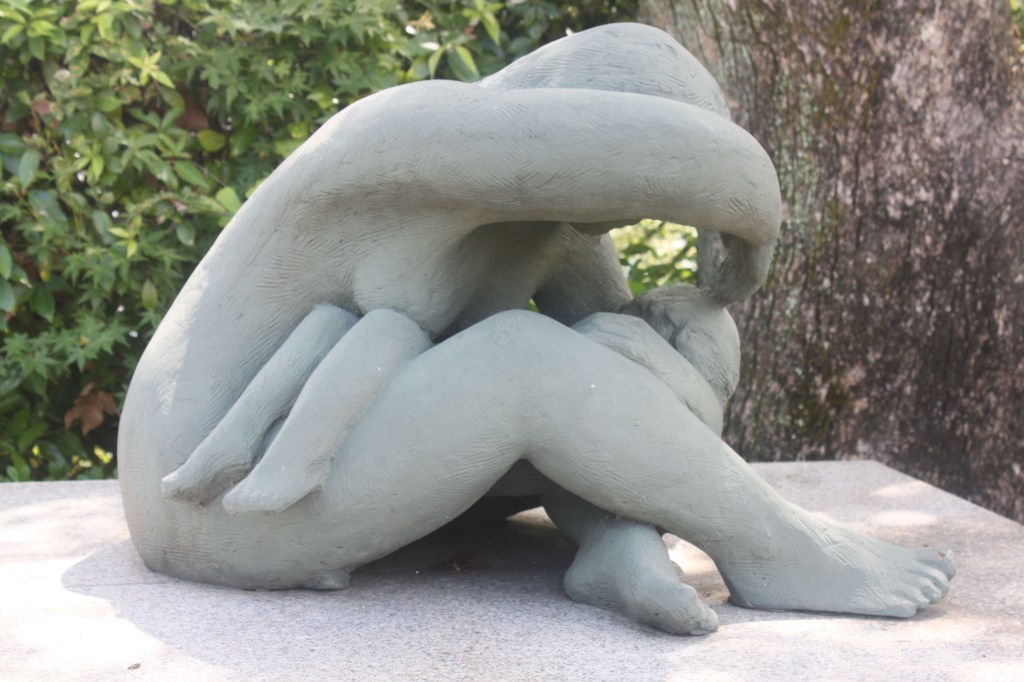

Other sculptures include this mother protecting her infant-child presented by Nagasaki’s twinned Dutch City of Middelburg situated at the mouth of the River Scheldt, named The Protection of Our Future, and this strange plant-style sculpture which had no inscription at all thus giving no clue to its meaning or its donors.
Monument to Commemorate Chinese Victims of the Atomic Bombing

Here too there is some recognition of the forced labour, mainly Chinese, illegally taken to Japan to work in mines, the docks and “public works projects”. This monument therefore stands not only for the victims of the bombing but also for the harsh conditions and cruel treatment in the labour camps, which led to the death of 6830 in just one year.
35 businesses were involved in this forced labour activity in 135 separate places of work all over Japan. In Nagasaki Prefecture out of 1042 Chinese nationals 998 worked in coalmines for Mitsubishi, Hashima, Sakito and Nittetsu corporations. The monument was erected in July 2008, in the hope of promoting Sino-Nippon relationships more than 50 years after the bombing in which 115 of the slaves died. Sino-Nippon relations are still strained to this day.
The Crane Monument
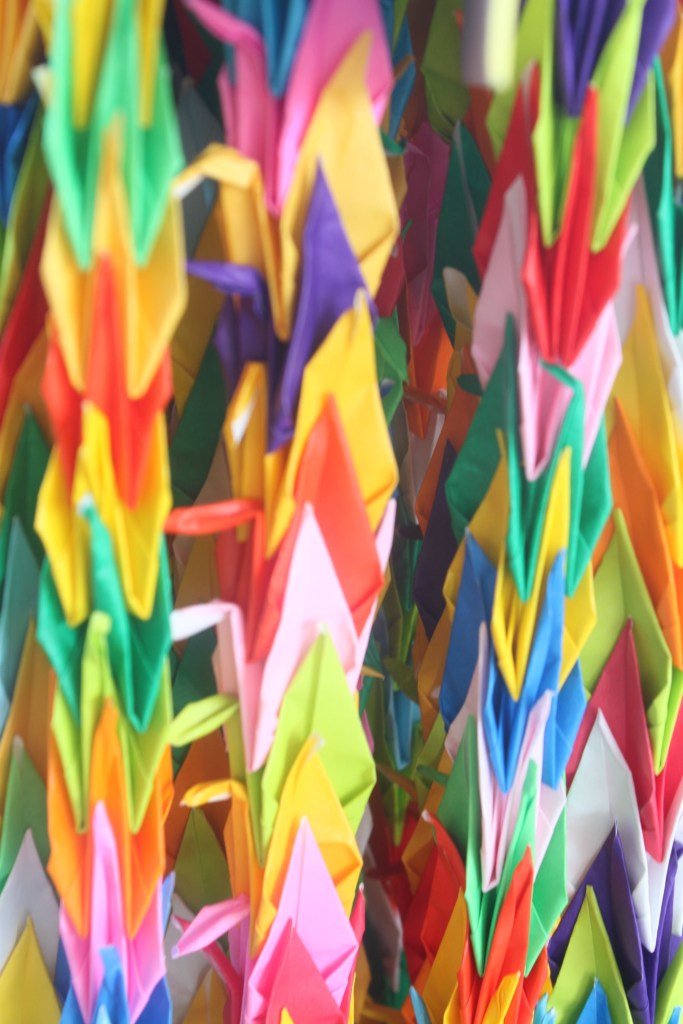
The Crane Monument of Nagasaki, and in particular the origami Cranes, have become a well-known motif around the world for world peace, but particularly in Japan. These folded threaded cranes are strung up in many places around Nagasaki.

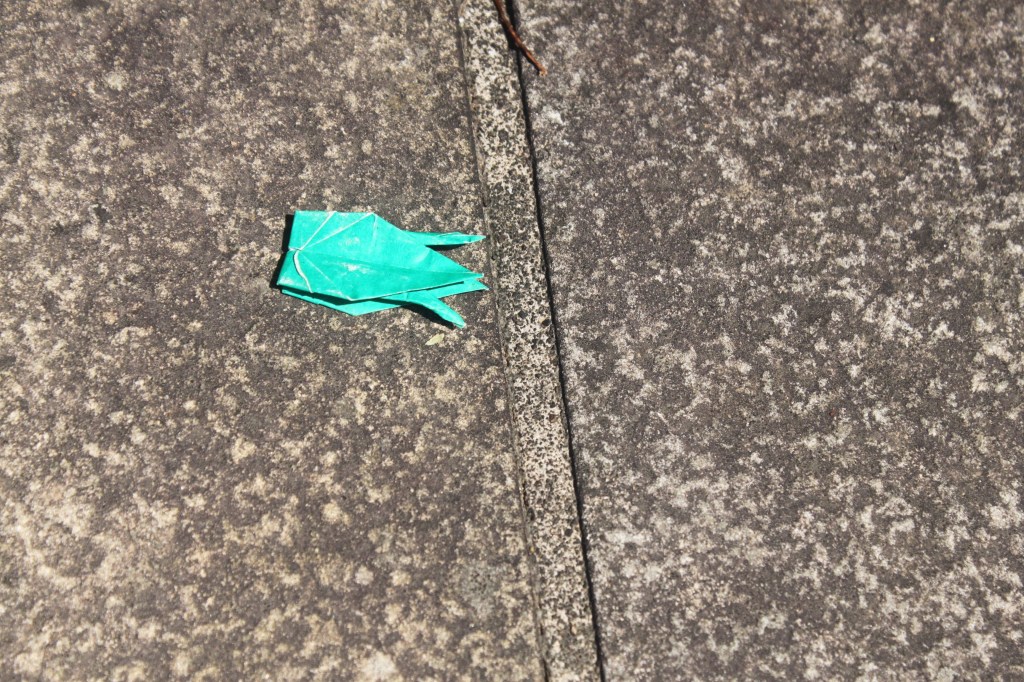


And the Peace park appears to be set up to cater well for school trips who come to learn about this part of Japan’s World War 2 history.

The Urakami Branch Of Nagasaki Prison
The long thin site on which the Peace Park now sits was the Urakami Branch of Nagasaki Prison when the bomb dropped. The site was 20,000 m2, with its offices covering 13,000 m2. It was located between 100m and 350m north of the hypocentre of the atomic bomb and was the closest public building to the epicentre.

The reinforced concrete prison walls which were 4m high & 0.25m thick, were reduced practically to their foundations.
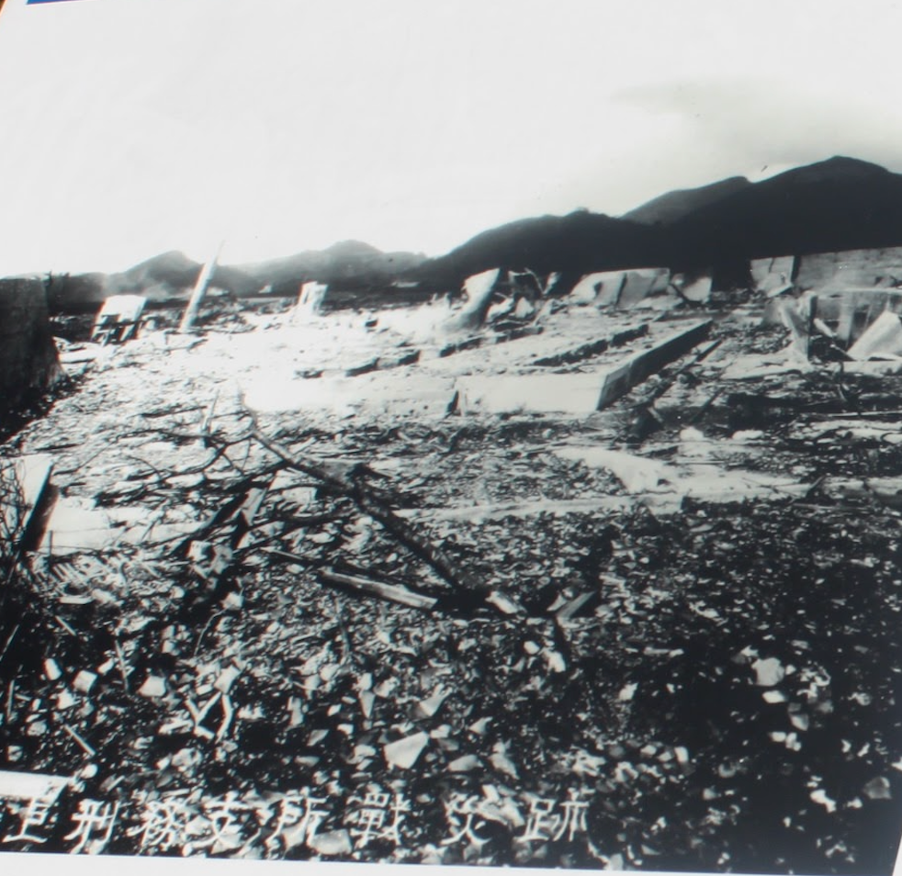
Other than the chimney, the wooden office & kitchen buildings were blown apart sand completely burned.

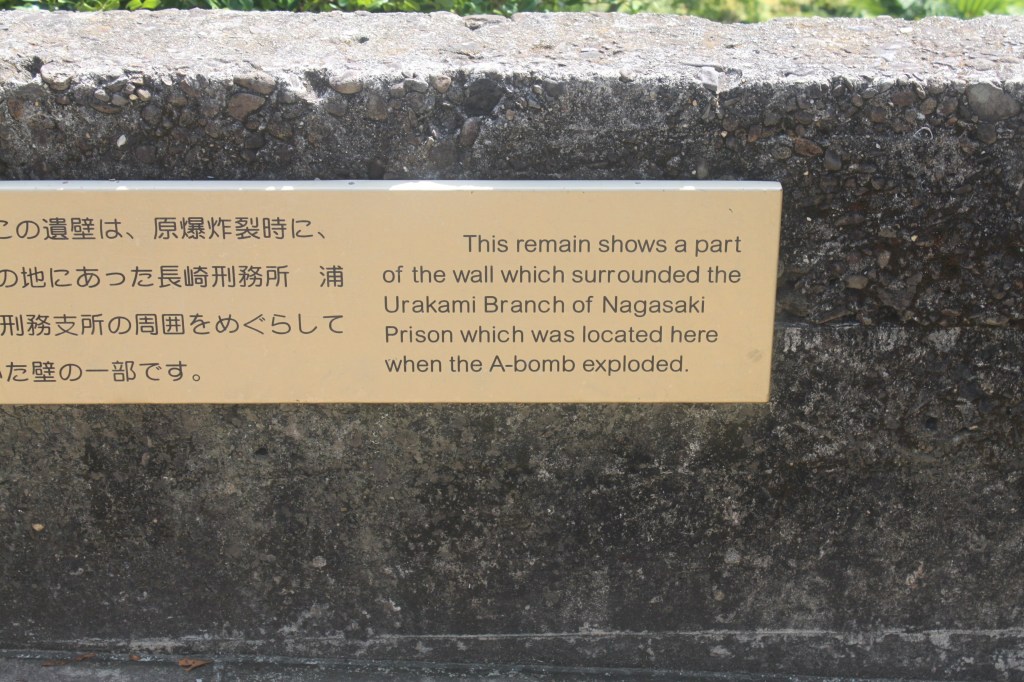
The bomb killed 18 staff, 35 residents, 81 inmates including 32 Chinese and 13+ Koreans – a total of 134 people. The memorials to the Chinese & Korean victims are in the Shiratori-machi detention centre.
The Peace Statue
The peace statue was erected by the citizens of the city in August 1955 on the 10th Anniversary of the bombing. It is dedicated to lasting world peace and as a prayer that such an act would never be repeated.
“Divine omnipotence and love are embodied in the sturdy physique and gentle countenance of the statue, and a prayer for the repose of the souls of all war victims is expressed in the closed eyes. Furthermore, the folded right leg symbolizes quiet mediation, while the left leg is poised for action in assisting humanity.”
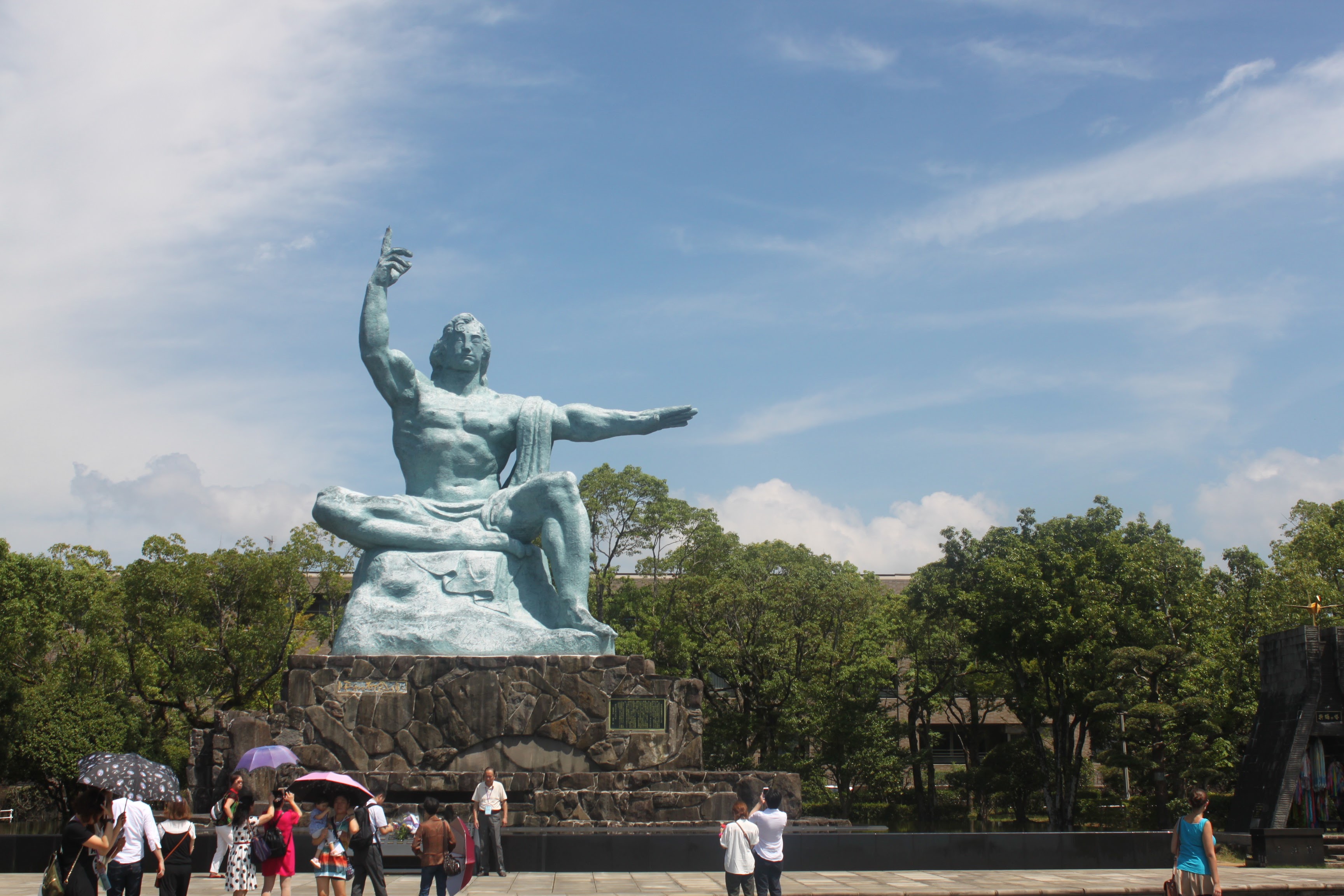

Words from the Sculptor
After experiencing that nightmarish war.
That blood-curdling carnage
That unendurable horror
Who could walk away without praying for peace?
This statue was created as a signpost in the
Struggle for global harmony
Standing ten metres tall
It conveys the profundity of knowledge and
The beauty of health and virility.
The right-hand points to the atomic bomb,
The left-hand points to peace,
And the face prays deeply for the victims of war.
Transcending the barriers of race
And evoking the qualities of both Buddha and God,
It is a symbol of the greatest determination
Ever known in the history of Nagasaki
And of the highest hope of all mankind
Seibo Kitamura
Spring 1955
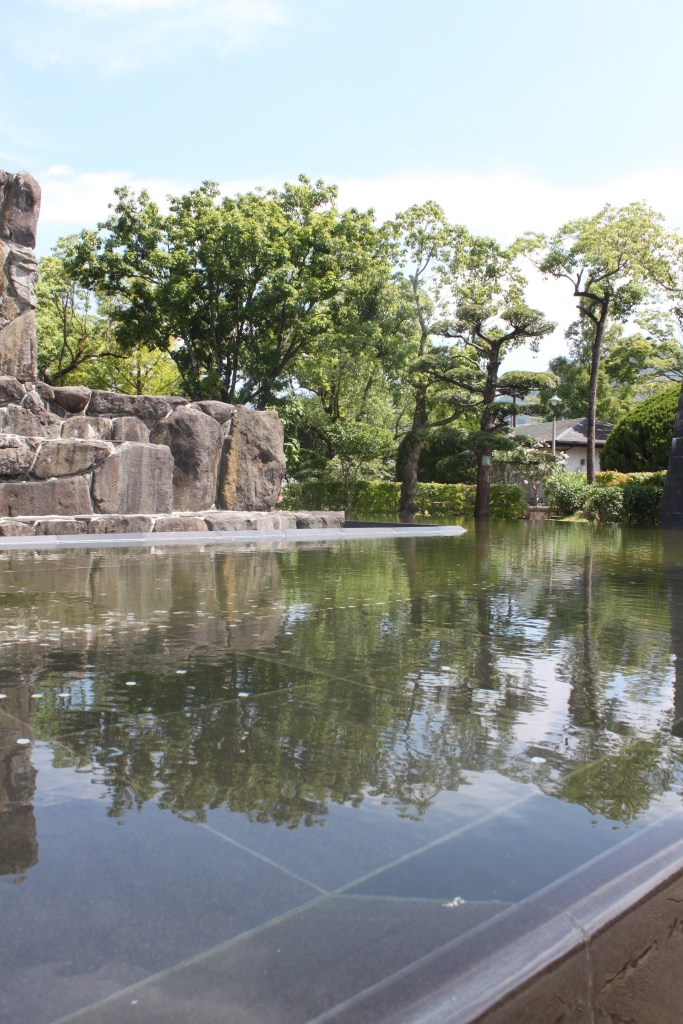
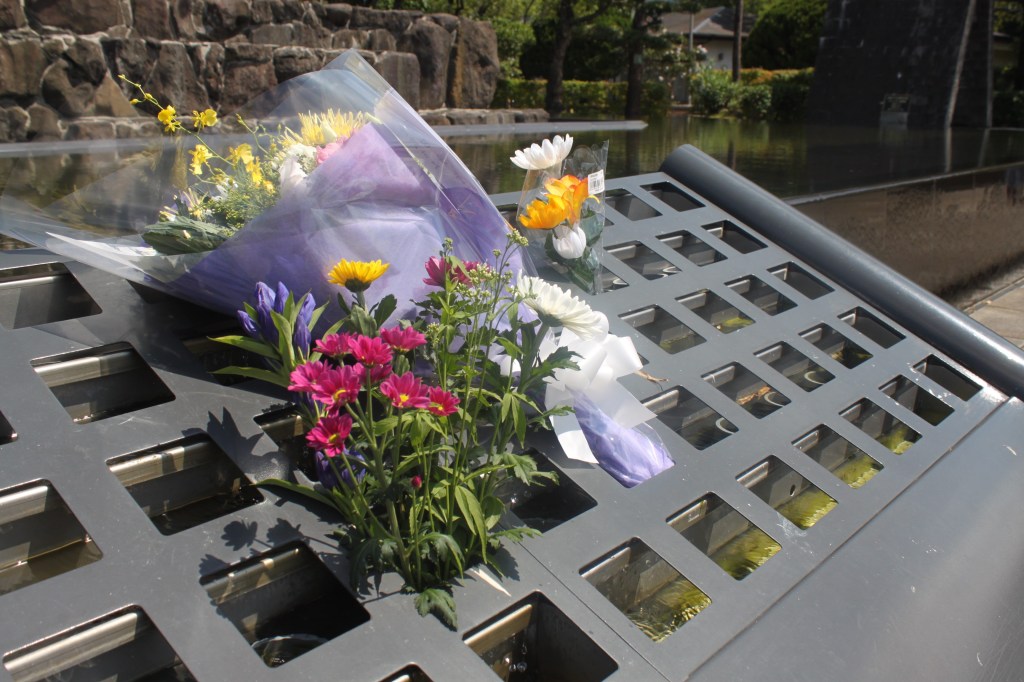
For me the pool around the base and the multi-holed vase for floral tributes at the front of the statue said much more about peace and prayer than this great hulking soviet-style beast, that loomed over us all.
The Vault For the Unclaimed Remains of Victims

The charnel house contains the ashes of 8927 victims of the bomb, but in addition enshrine the Sarira (a relic of Buddha) which were donated to Nagasaki by India’s late Prime Minister Jawaharial Nehru in April of 1954.
“We resolve that Nagasaki should be “the last place to suffer an atomic bombing” so that nowhere will ever again endure the same devastation as Nagasaki did due to Nuclear weapons. Following this we are working hard to achieve the abolition of nuclear weapons.”


Returning back through the park we headed down the steps towards the epicentre of Atomic Bomb, passing en-route the site of a former Air-raid Shelter.
Japan had been at war with China since 1937 in what has been named the Second Sino-Japanese War when China finally mounted resistance to the Japanese invasion of its territory in 1931. But it wasn’t until December 7, 1941 (December 8 in Japan), Japan declared war on the United States, and the Pacific War began. From around 1944, as air raids on Japan’s mainland intensified, air-raid shelters were constructed around the nation by community associations (neighbourhood associations) and individual households under were constructed by digging tunnels into hillsides using hilly and mountainous landforms, and then connecting those tunnels inside. When American aircraft came near, red alert sirens went off and people evacuated to those air-raid shelters. That it took them so long to build air-raid shelters at home, gives an indication to someone brought up in England of the Japanese mind set during WW2 and also begs the question at what date did WW2 actually begin?
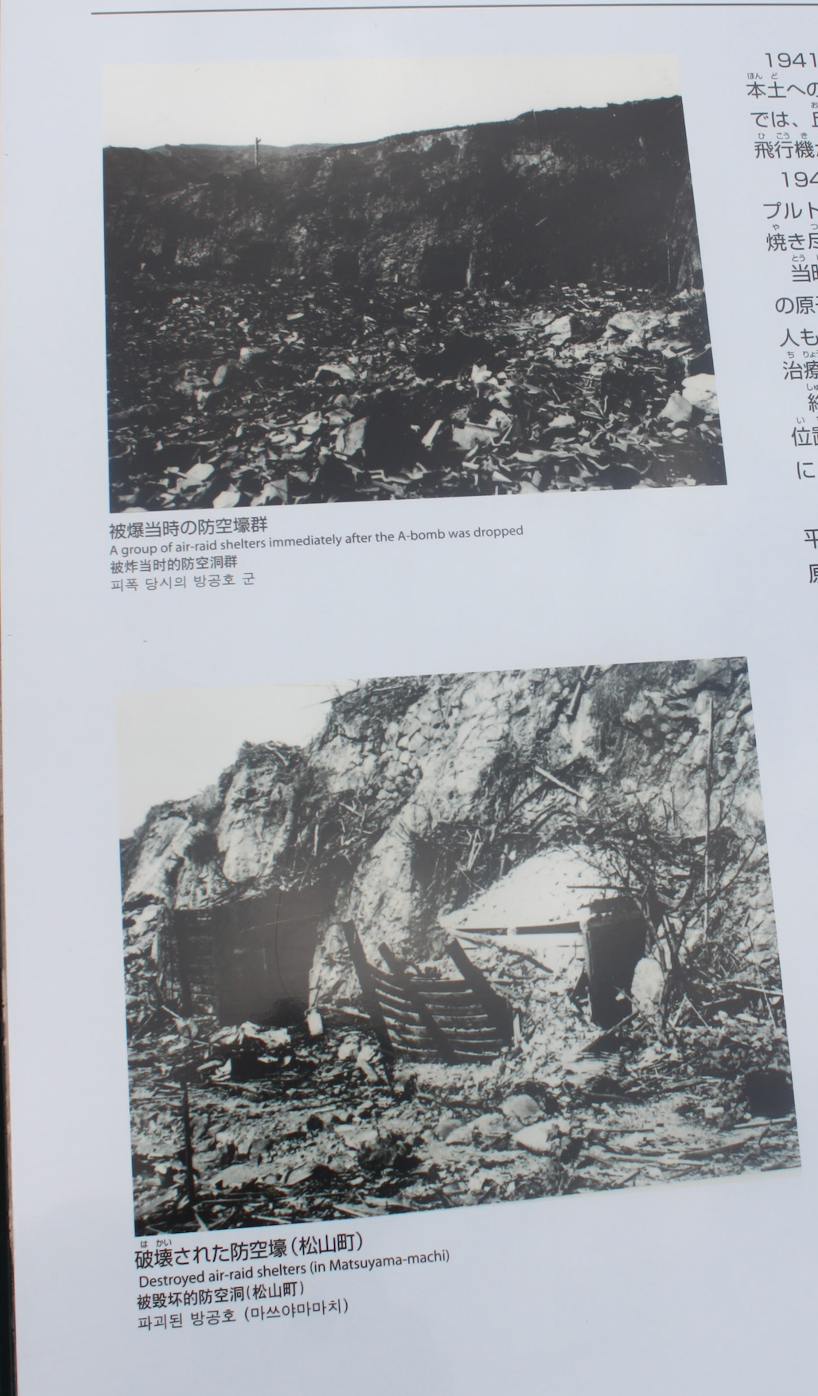
Many public and private cave-type air-raid shelters were constructed in hillsides in the vicinity of Peace Park, the location of the Urakami Branch of Nagasaki Prison. Although most people within 500m of ground zero were killed instantly by the bomb, many others barely survived inside the shelters. However, most people who were exposed to the A-bombing sustained serious injuries due to fire and radiation, and died in agony one after another, unable to receive any treatment in the shelter that they had evacuated to.

After the end of the war, the damage done by the atomic bombing to the shelters located near ground zero was investigated by the occupying US military, which recorded in detail the internal configuration of the shelters and the positions where survivors and the dead were found. The survey’s findings are said to have been used as a reference in constructing other nuclear shelters in preparation for nuclear wars after World War II.
According to a survey conducted in 2009 by the Ministry of Land, Infrastructure, Transport and Tourism, there were 193 air-raid shelters in Nagasaki during the war. Located very close to ground zero (approximately 100m) shelters in Peace Park and Matsuyama-machi are valuable as remaining structures that convey the importance of peace, the power of the atomic bomb and the horrors of war, including how people lived before, during and after the A-bomb was dropped.
The Atomic Bomb Hypocentre
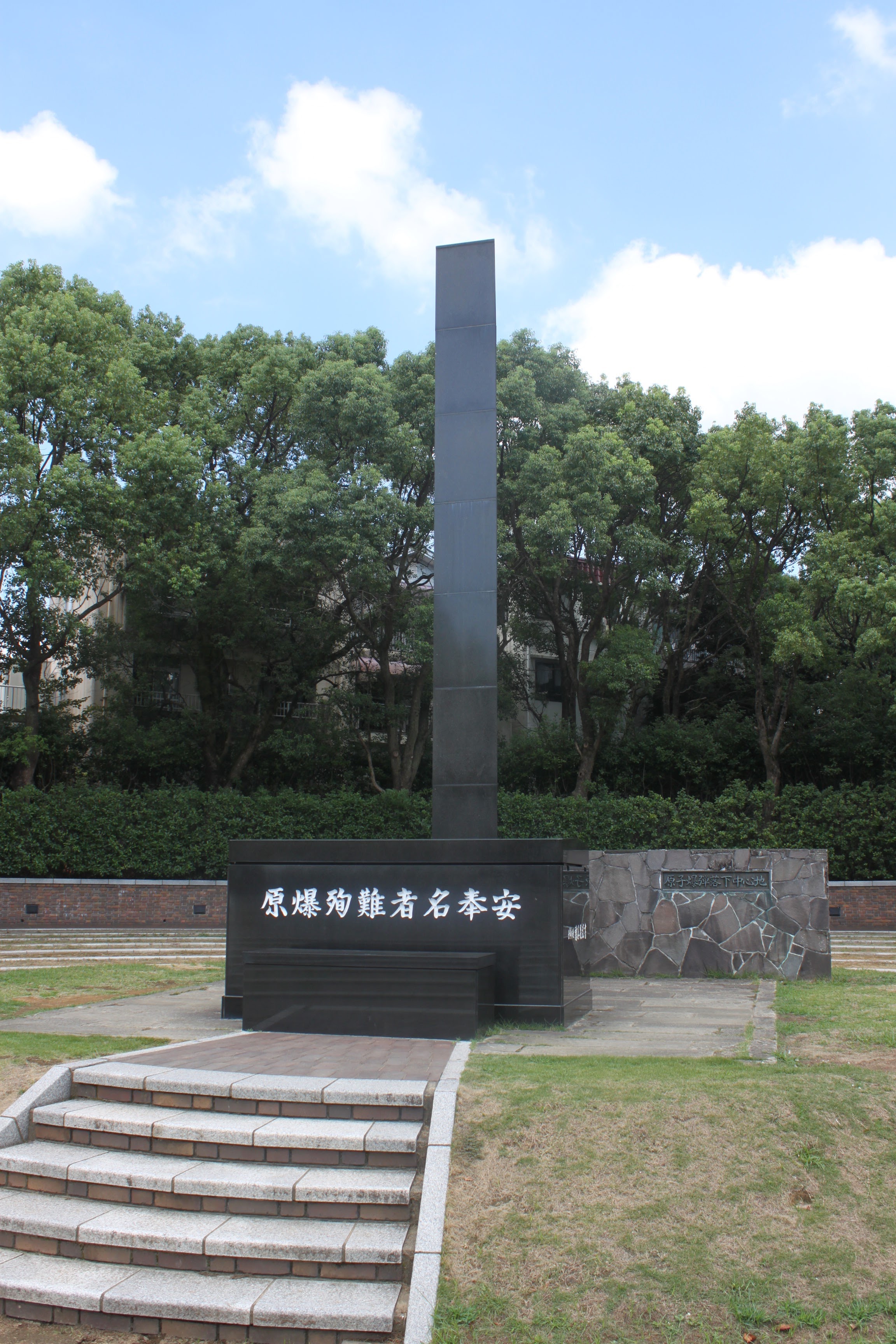
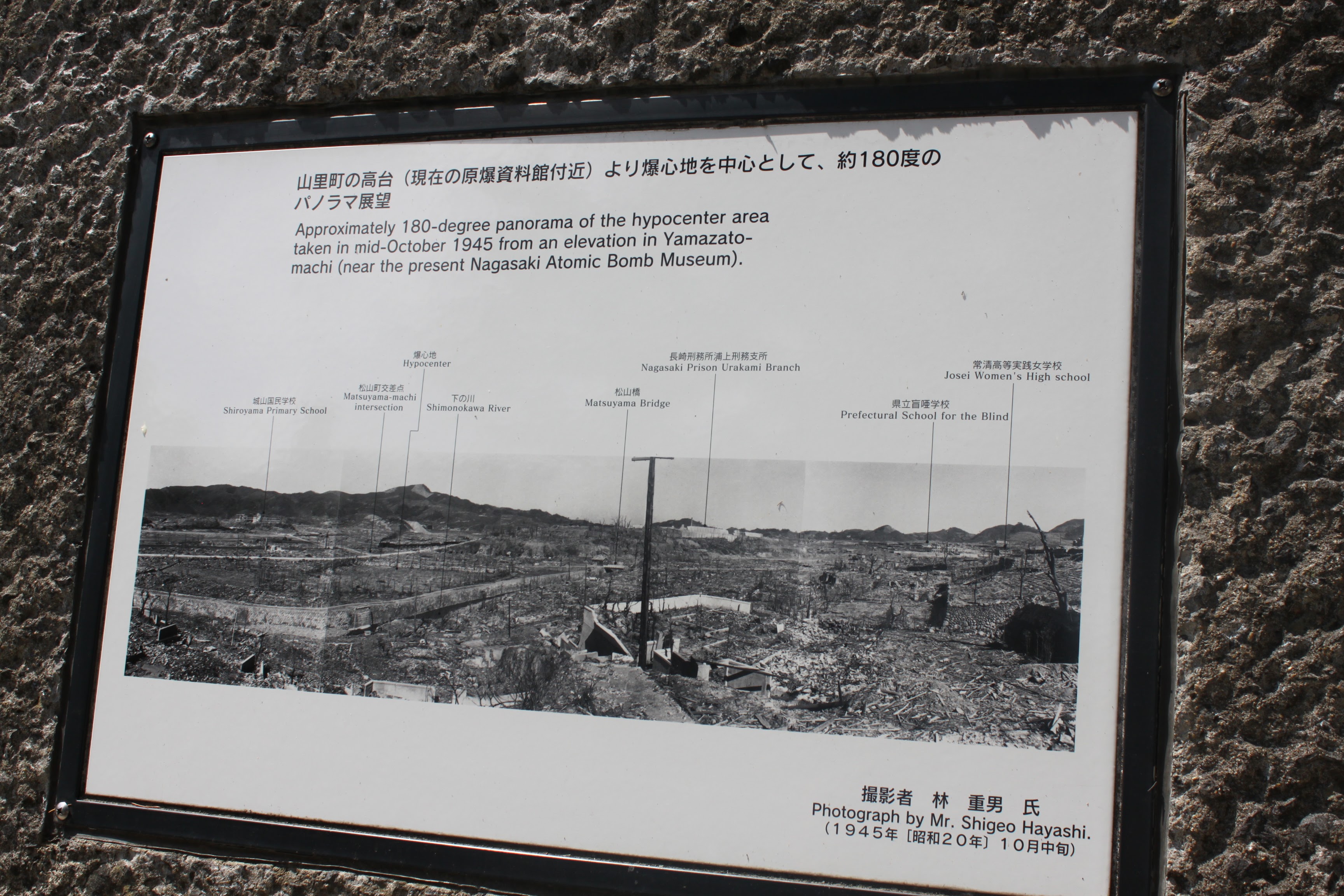
At 11:02am on 9th August 1945, an atomic bomb exploded approximately 500m above this spot. In an instant, many lives were lost. By October 1945 the first structure to be erected in this area was a monolith marking the epicentre.

The fierce blast wind and heat rays reaching several thousand degrees together with deadly radiation reduced the city area to ruins. Approx. one third of Nagasaki City was destroyed in the blast and it was said that the area would be devoid of vegetation for the next 75 years, although the greenery evident today shows that that forecast was pessimistic.
Now a tall black monolith marks the spot where the temporary marker stood. It is a quiet and reflective spot and the simple space and reminded me of the reflective garden at Kiftsgate Court Garden in the Cotswolds.

Standing next to the monolith is a part of the Urakami Cathedral – a broken church wall – still standing after the blast. It was however removed from its position and rebuilt here was part of the epicentre park, to make way for a newly constructed church in 1958.

The Cathedral was at one time the grandest Christian Church in the whole of the Far East and was located on a small hill some 300m north of the epicentre. Started in 1895 and completed in 1914, the bell tower – the final piece of construction was completed only 40 years before the church was destroyed. On top of the brick tower are statues of Christ and one of his apostles.

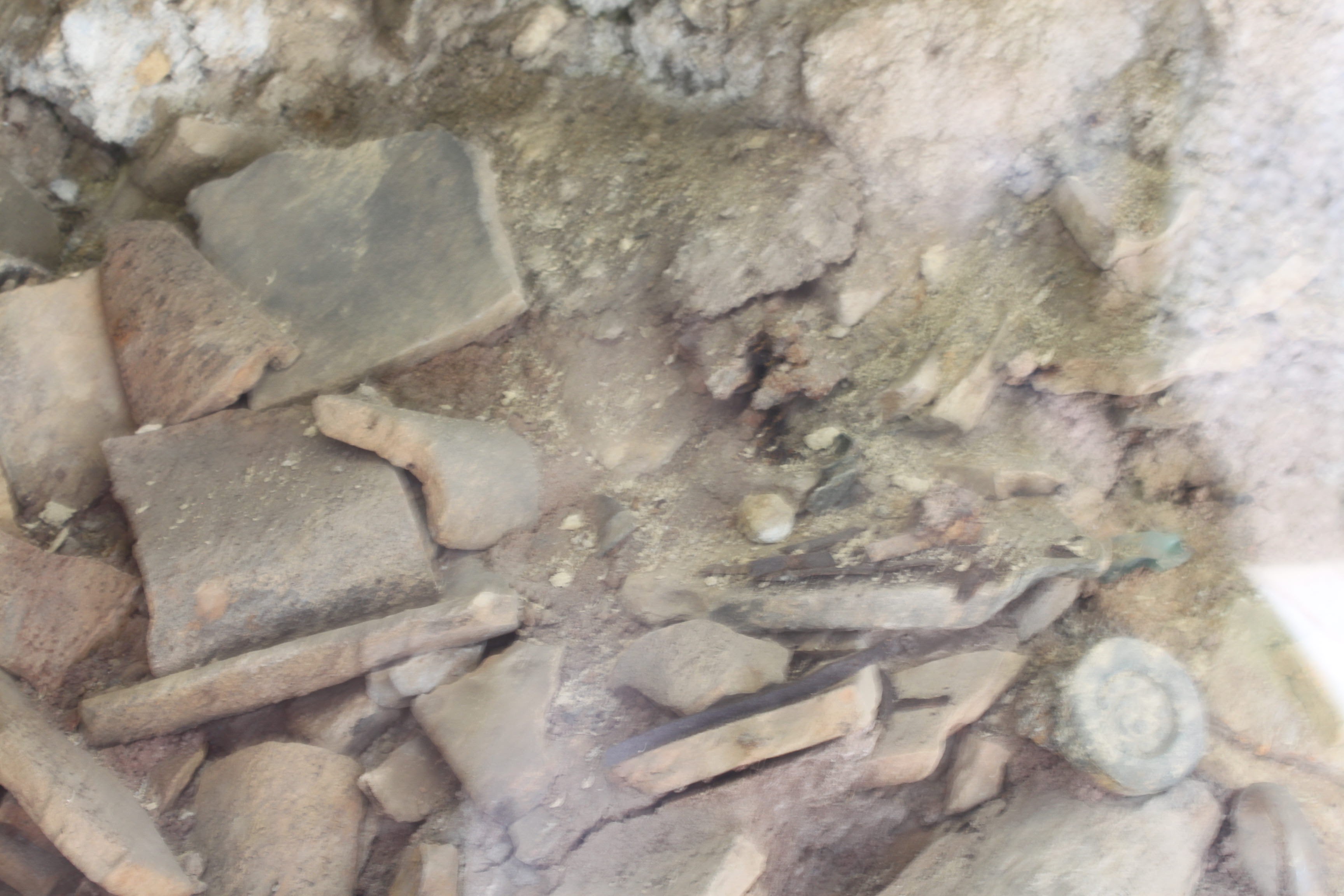
In the aftermath of the bombing this area was strewn with huge amounts of debris from destroyed buildings – melted glass and other material – and scorched earth. The original pre-bomb ground level is preserved within this small park around the stream and pool, as reminder to the amount of debris that lay waste around about.


The present embankment, which was built during river refurbishment work from 1984 to 1985, includes some of the original stones that still bear scars from the flash of heat generated by the atomic bomb explosion.
In August 1945 the stream and surrounding area soon became filled with the corpses of victims, as mortally burned and injured folk made their way here trying to find a drink of water.
A survivor who witnessed the scene the next day described it was follows: “I crossed the half-destroyed Matsuyama Bridge over Shimonokawa. There were so many human corpses under it that they formed a dam in the stream! It was like a vision of the Apocalypse, a living hell on earth. Not a speck of cloud tainted the sky above, but the earth below was a panorama of carnage and destruction”. (from “Testimonies of Nagasaki” [1970]).
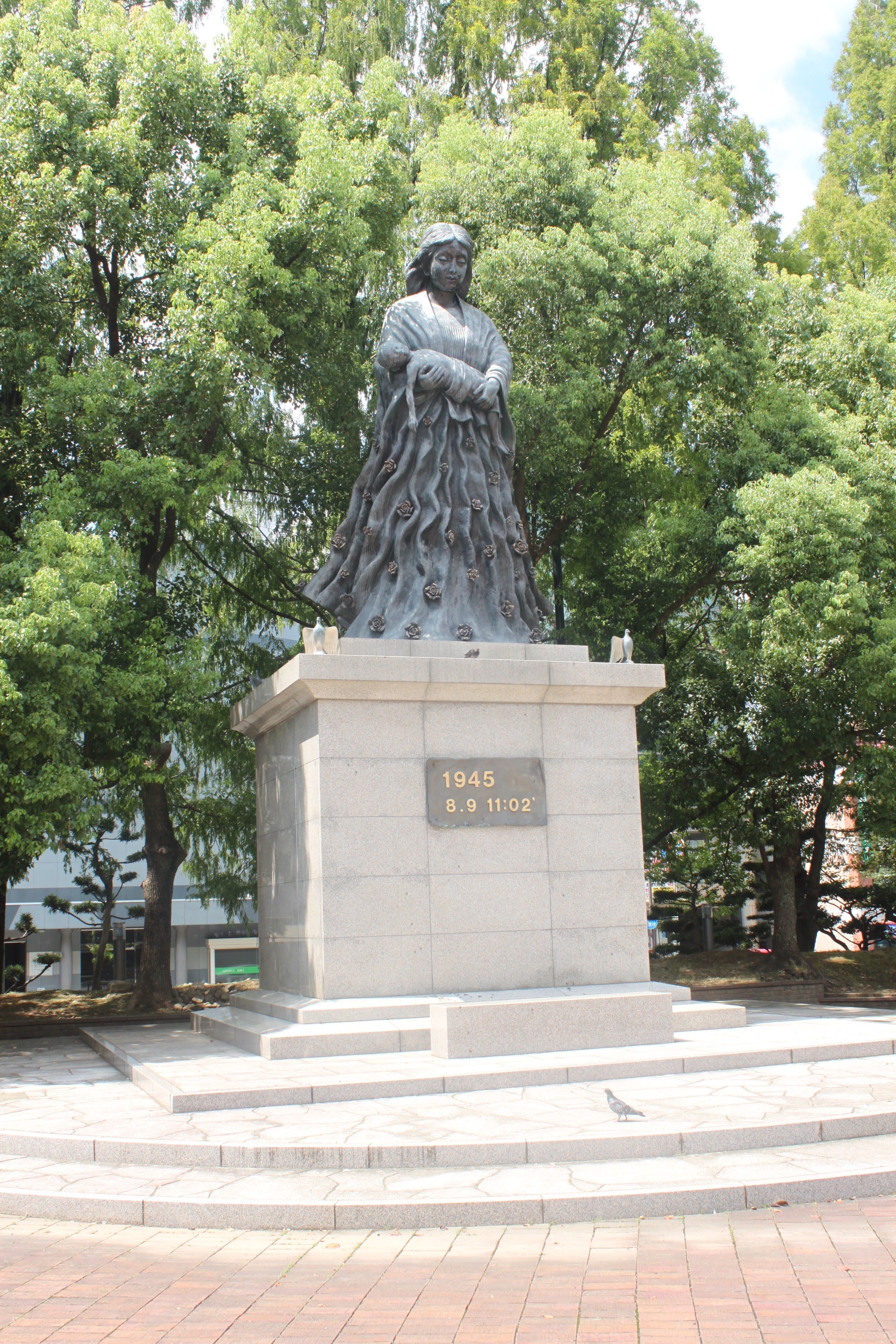
The remaining monument in the park is statue by Nagasaki-born sculptor Naoki Tominaga, which expresses this child and parental loss. 70% of the victims of the Nagasaki atomic bombing were children, women and the elderly.
On the 50th Anniversary of the bomb-drop the epicentre was refurbished and designated as a “prayer zone” a place to pray for the repose of the atomic bomb victims to inform the world about the horror of the atomic bombing and to appeal for the abolition of nuclear weapons and for the realisation of world peace.

Let’s hope that these visiting schoolchildren learned lessons that our forefathers failed to heed.

 Pearls From The Orient