Our Local Korean Restaurant


Our Local Korean Restaurant

Our Local Korean Restaurant

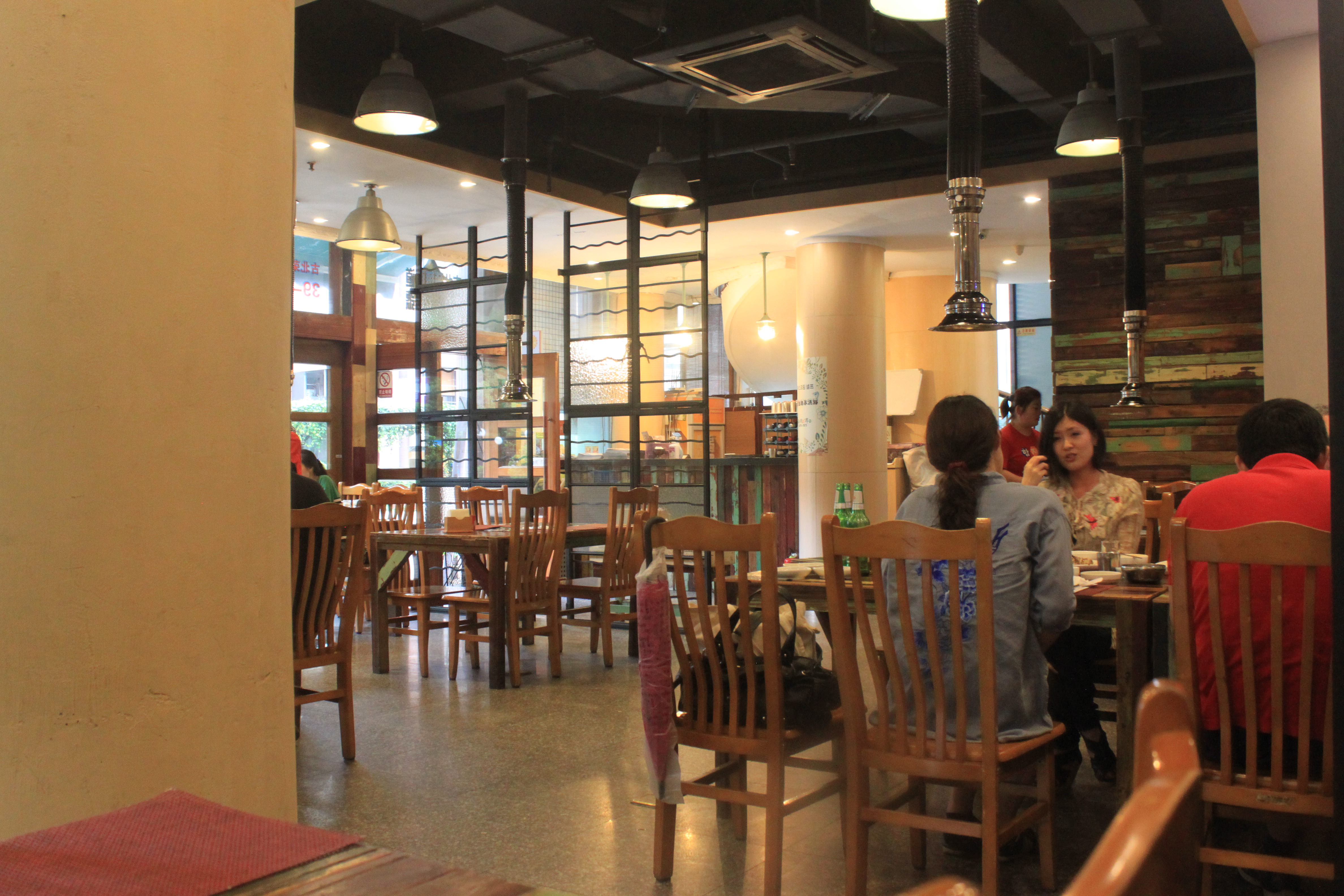
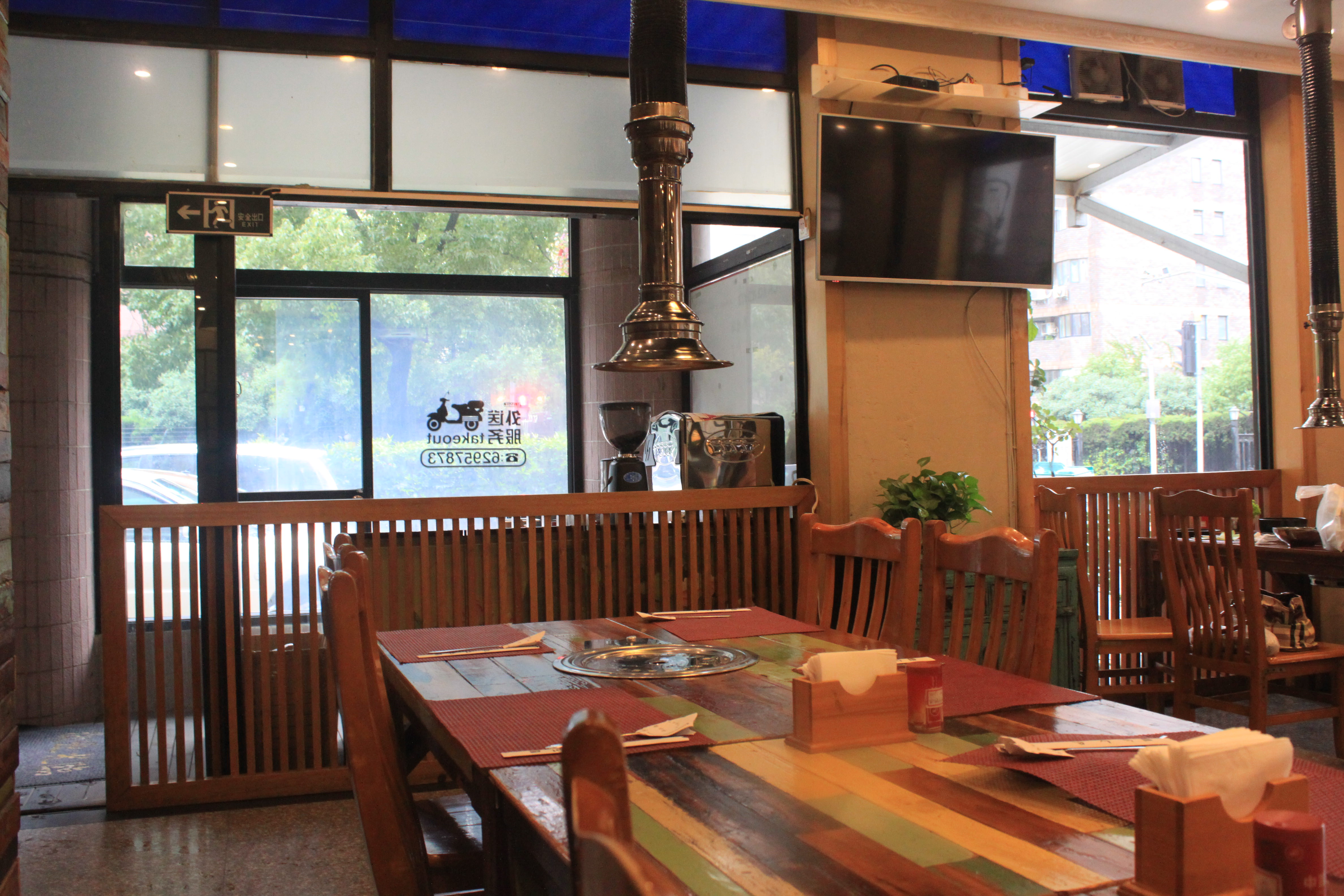
I must pass this restaurant 4 or 5 times a week on my way to the shops.  Carrefour and the little Japanese corner shop with imported frozen meat both lie beyond its front door.  It is not alone. There are several East Asian restaurants along more or less the same route and all of them will need to be explored at some point, but this one is the nearest to our apartment.  Don’t ask me what it is called.  I haven’t got a clue.  How did we know that it’s

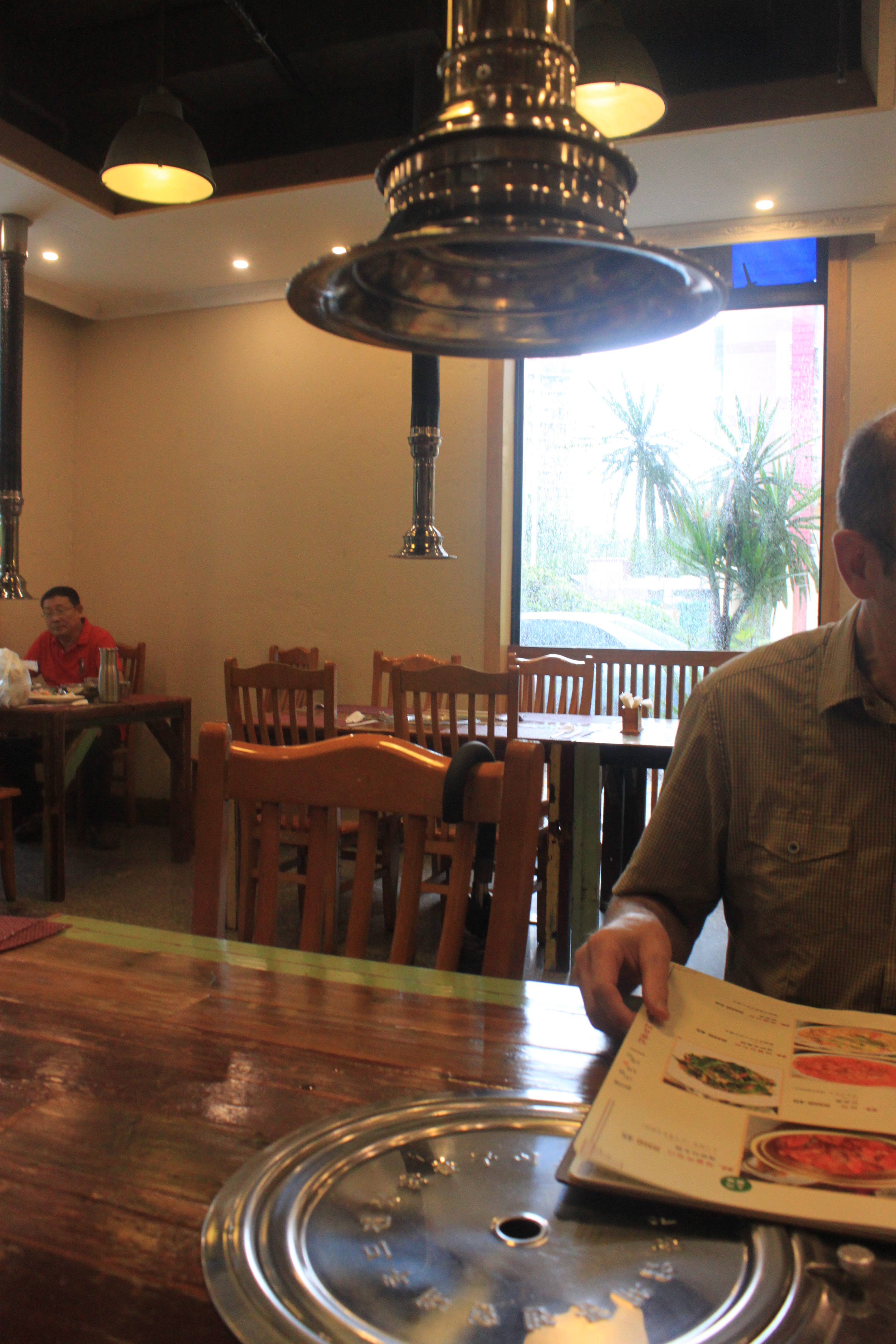
Retractable chimney over BBQ pit

Retractable chimney over BBQ pit

Korean?  Partly because of the small retractible chimneys you see hanging down from the ceiling in all the Korean restaurants around here.  They hang over the barbecue cooking rings that are fitted in the middle of all the tables and act as extractor fans for any of the smoke coming off barbecued food or any other food cooked at the table, which seems to be most of it.

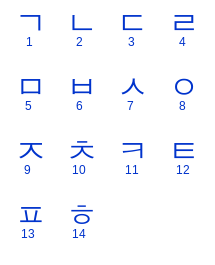
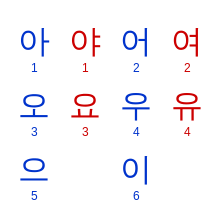
And because the writing on the menus has a number of ellipses in it; a feature you will not find in either Japanese or Chinese script.  It is mainly the vowels that are denoted with ellipses  the consanants are usually more linear in form.  For over a thousand years the Koreans wrote with adapted traditional Chinese characters called hanja, intermingled with their own


Korean Consonants

Korean Consonants

Korean Vowels

Korean Vowels

phonetic markings.  This was the system favoured by the Korean scholarly Confucian aristocratic elite (the yangban) so although the phonetic Hangul alphabetic system had been commissioned by Sejong The Great in the 15th Century, it was not adopted universally until the 20th Century.

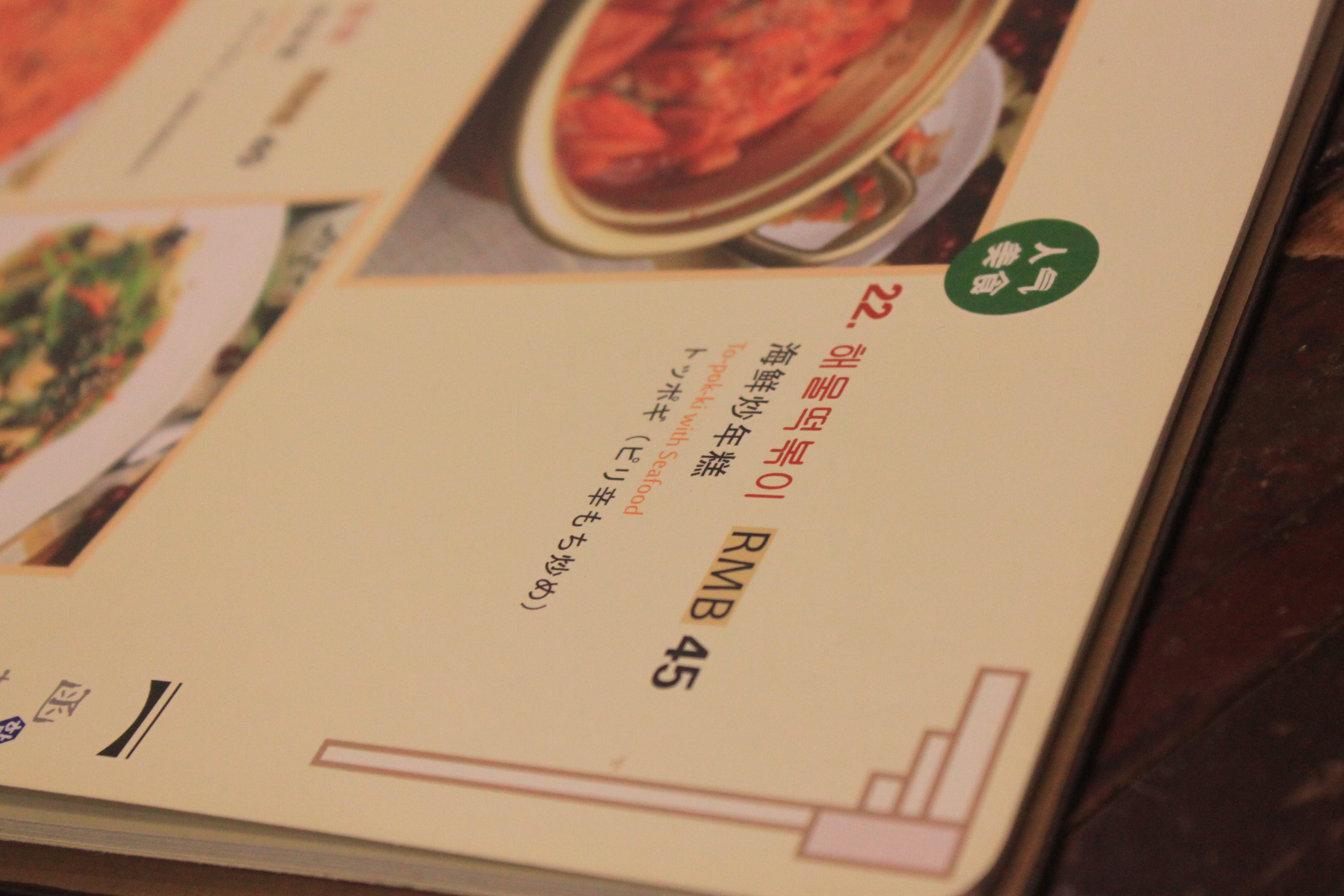
Menu in Korean, Chinese, English and Japanese

Menu in Korean, Chinese, English and Japanese

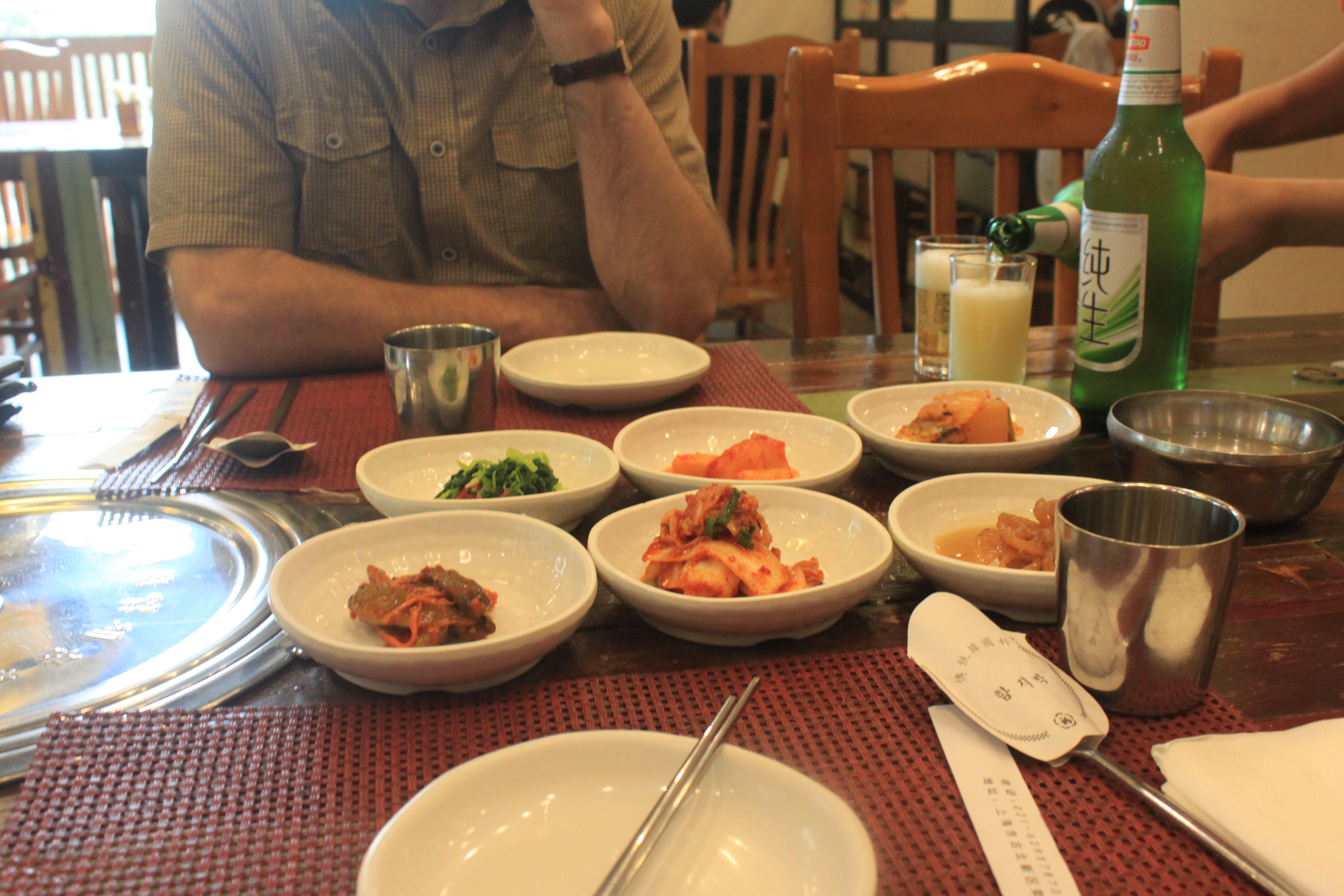
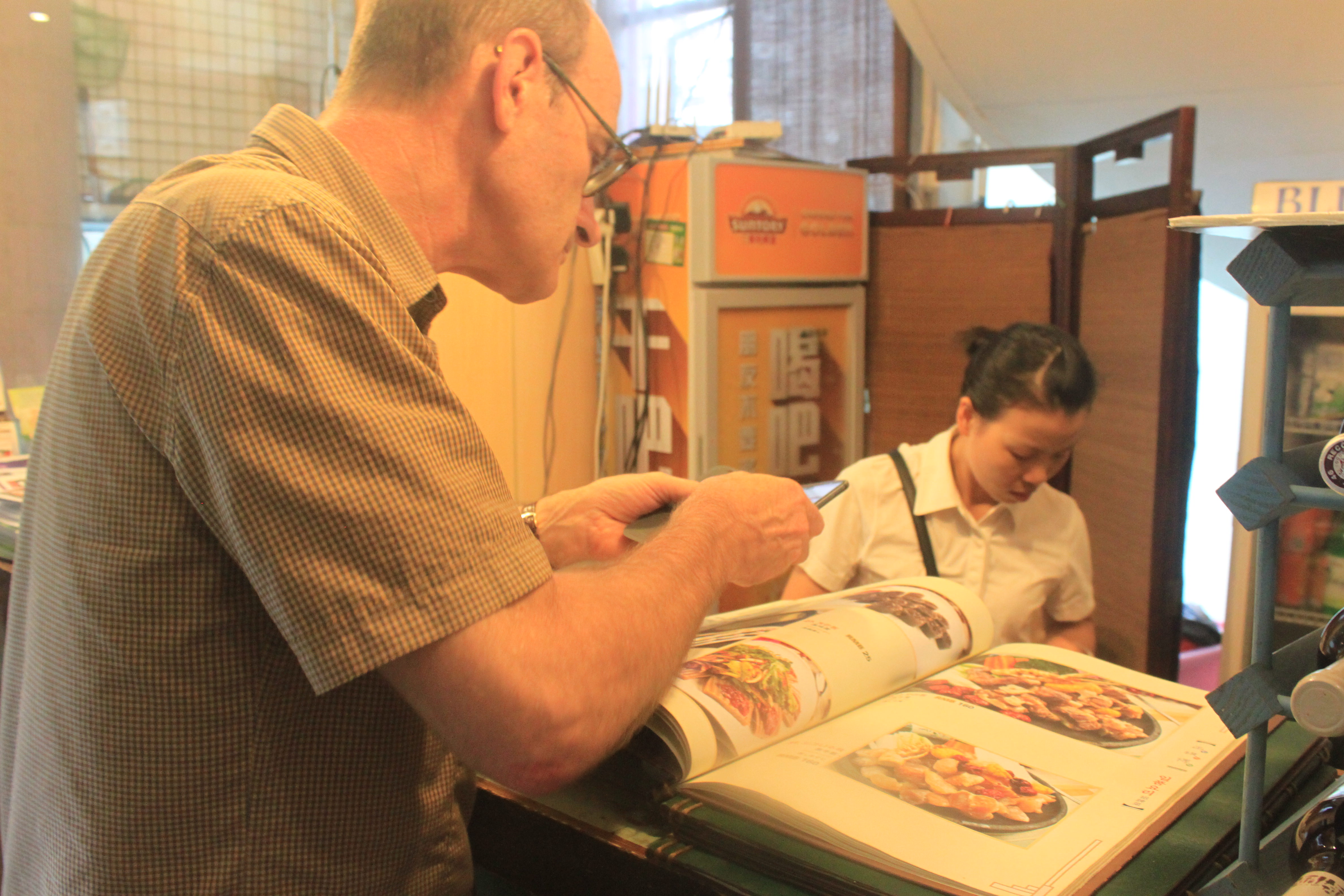
None of this helped us to read the menu however, when we went there for Sunday lunch yesterday to sustain Richard during a day of  weekend-working from home .  We were given pictures.   And alongside the pictures we find Korean, Japanese, Chinese and English.  But often what is written in English gives no clue as to what to expect.  It is all very pot luck, but nothing ventured, nothing gained. And we sipped the tea which had been served in stainless steel cups on our arrival.

IMG_6062IMG_6063 IMG_6066 IMG_6068


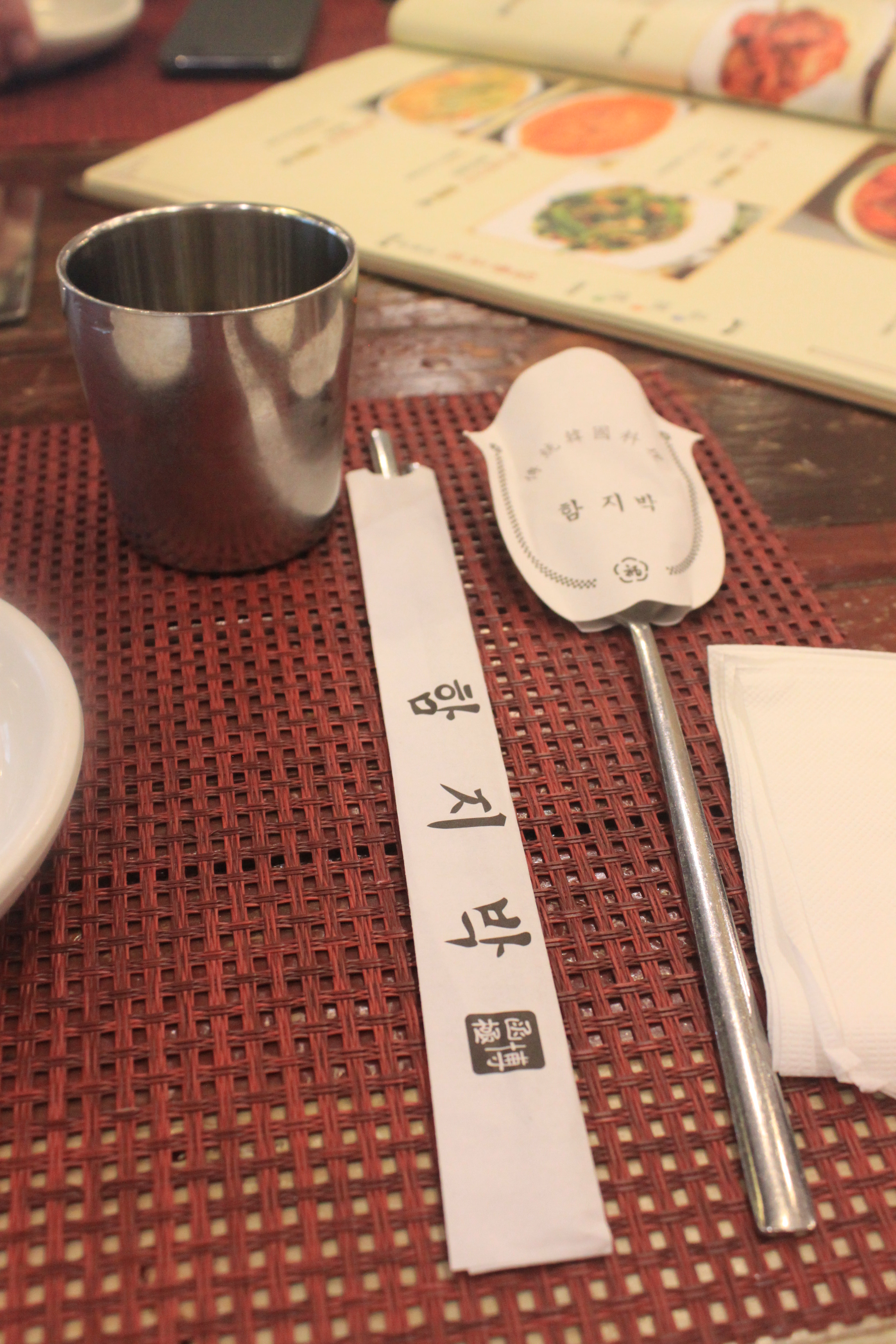
Not only were our chopsticks presented in paper wrappers – and there were unusual in shape having more flattened handles than we are used to and more pointed tips – but so is the serving spoon we were both given.  This was something we hadn’t seem before.  As well as the food – we tried to get the waitress to make some suggestions, but we had a communication issue, and we had no idea whether we had under- or over-ordered.  We managed to order some beer.

Wrapped Chopsticks and Spoon

Wrapped Chopsticks and Spoon

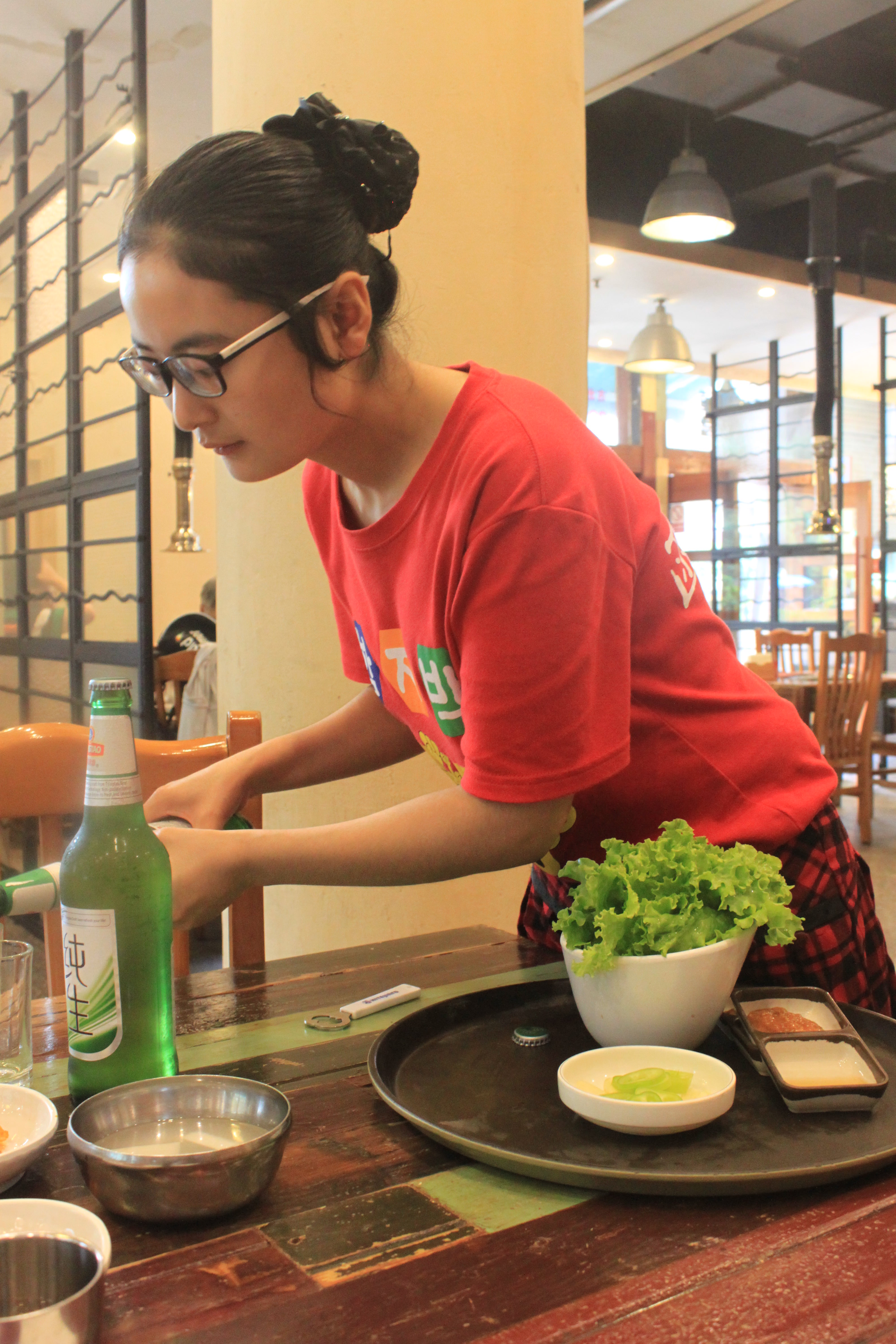
Beer and Lettuce

Beer and Lettuce

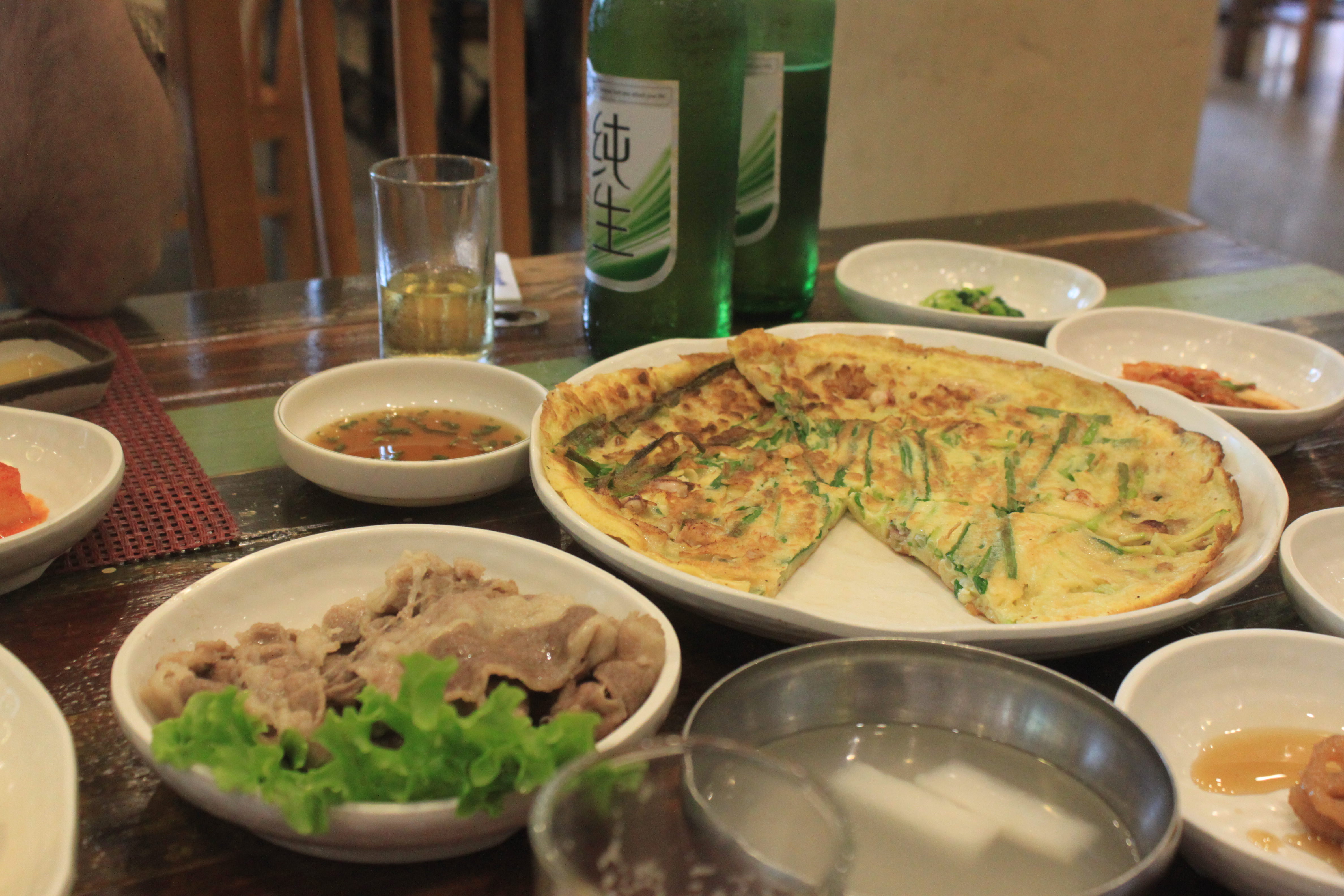
The beer arrived along with some small dishes of appetisers, which included some white daikon in water, some preserved hot green chilis, sweet sliced lotus root, some kimchi – chilli flavoured cured cabbage – some freshly cooked chilled greens with chilli, and some sardine fillets.  The lettuce, sliced

Appetisers

Appetisers

garlic and sliced peppers, sesame oil and a sauce which may have been peanut based appeared with a display of the thin slices of uncooked meat that were then taken away to be cooked.  With all this arriving, we realised we had over-ordered and decided then and there that there wasn’t going to be much of an evening meal that night. And that was before much of what we had ordered had appeared on the table.

Thin slices of cooked meat and omelette

Thin slices of cooked meat and omelette

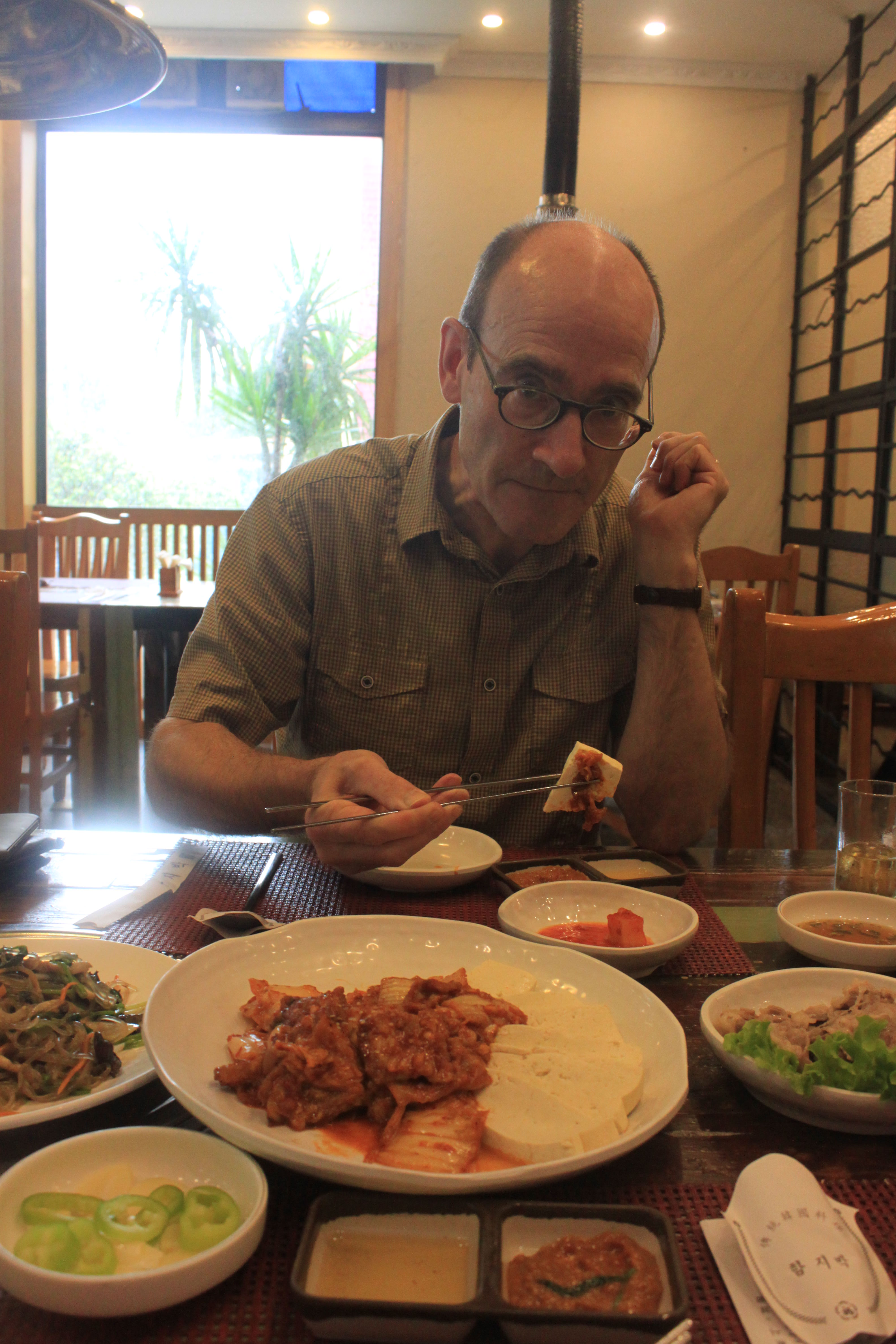
The cooked thinly sliced meat arrived and we surmised that we were to wrap it in the lettuce together with the garlic and the pepper and dip it in the same oil and sauce – just because all that lot arrived together.  We also had what we thought was going to be an omelette, but which turned out to be more of a pancake made with rice flour filled with long thin Chinese spring onions and tiny seafood pieces of octopus and prawns.  More

Kimchi and Beancurd

Kimchi and Beancurd

kimchi arrived this time with bean curd which was an excellent way of adding flavour to an otherwise bland foodstuff and which Richard enjoyed immensely as it is rather spicy.

?? and Noodles

A Plate of Sausage and A Plate of Noodles

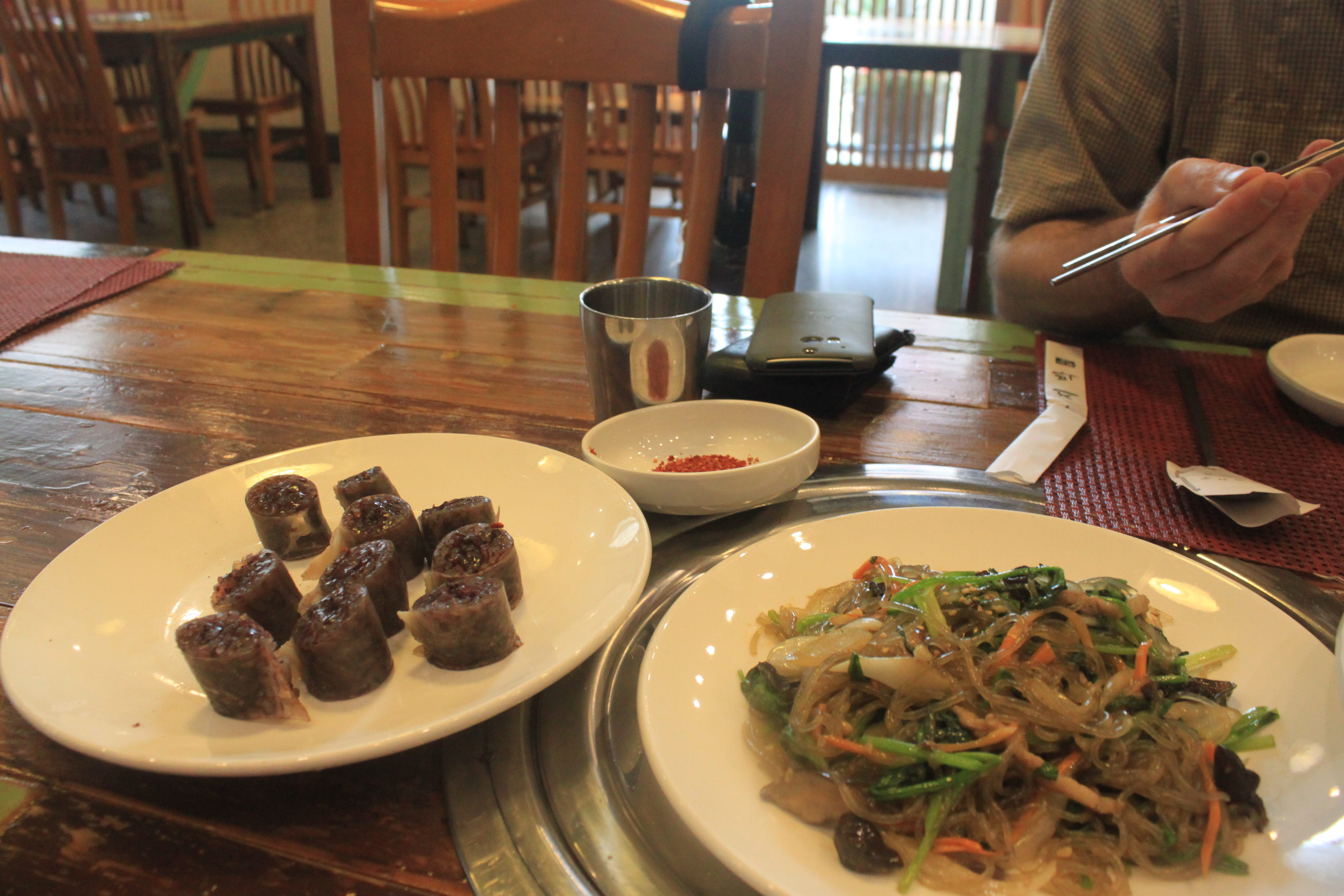
We also ordered a plate of thin glass-like noodles which came with a mixture of vegetables including onions, pak choi and small cloud-ear mushrooms and a plate of “we had no idea what” because it looked interesting.  Even when we tasted it we still didn’t

Photographing the menu for clues

Photographing the menu for clues

really know.  The casing seemed to be some kind of animal sausage casing, but the innards of the thickly sliced sausage seemed to made up of gelatinous strips of something or other.  Whilst we were paying for the bill we grabbed a menu again and were none-the-wiser, but at least we could try and look up Korean Sun-Dae online once we got back home through the pouring rain.  I now have.  It’s is a Korean blood sausage or black pudding made from boiling or steaming cow’s or pig’s intestines.  They can be stuffed with various ingredients including kimchi and soybean sprouts, but I think we had the most common type which is stuffed with cellophane noodles, barley and pork blood.

Posted in Changning, Restaurant | Tagged , , , , | Leave a comment

The Weather Makes Life Topsy-Turvy

It’s been a funny old week.  The temperature and the humidity have shot up.  On Tuesday Richard texted me on his way to work saying that “It is brutally humid.  Don’t try to be too ambitious today.” On Friday the temperature was reported as having reached 35°C and we were at 100% humidity.  My Lonely Planet Guide to China describes summers in the city as hot, humid and sapping.  Walking about town takes an effort.  I make the 15 minute walk the metro last 20 minutes as I slow my walking pace right down.  After a severe lung infection ten years ago I developed adult-onset asthma.  My chemotherapy cured that ( I wouldn’t recommend it as a standard remedy, though), but my radiotherapy damaged my

Japanese Fan

Japanese Fan

lungs and a small section of the bottom of my heart.  I don’t normally notice any of this, but now in the high humidity breathing is a little more difficult and I notice the effort to get enough oxygen into my lungs even as I walk.  And I seek out the shade everywhere and carry an umbrella to stave off the sun.  The metro is a relief as its oldest line is only 22 years old.  It is cool down there, unlike on the Tube, and a welcome relief to the system when I reach it.  I carry a traditional fan with me and use it often.  Add to all this the odd hot flush and I’m a wreck.

Dehumidifier

Dehumidifier

In all our cupboards we have dehumidifiers that absorb the moisture in the air and trap the absorbed water in a reservoir in the bottom of the canister.  This is in an attempt to stop our clothes going rotten in the damp atmosphere.  Hanging clothes up to dry after washing has up until now been successful, but unless they are ironed they now have to go into the tumble dryer to finish them off, it being so humid that the clothes and towels retain a certain amount of moisture.

A number of ex-pats are leaving Shanghai for Europe for a couple of month’s home leave.  I can understand why and I’m doing the same shortly for a couple of weeks, not to flee the weather, but to go to Rozy’s graduation ceremony in London.  Richard is staying behind in Shanghai.  There is just too much for him to do and the last time we were home he spent nearly all his time working, so he has decided to save up practically all his annual leave until the end of the year.

One of my Chinese fans

One of my Chinese fans

Planning a day out in Shanghai is now dominated by how close the point of interest is to a metro station and whether it is likely to have air-conditioning.  I’m not trying to walk from one place to another any more either, or walk around gardens unless they are almost completely shaded.  But I do need to walk as I try to keep fit, so I generally shun the door-to-door use of taxis and unlike most ex-pats I don’t have access to a personal driver.  (Nor for that matter do we have an amah who would clean, cook and shop for us as many others have).  I’ve left visits to many museums and art galleries until now in anticipation of the weather becoming difficult. But there are only so many cultural things I can do in one week, though – my mother as an art teacher unwittingly gave me a long-lasting horror of art galleries which I strive to overcome, but it does mean that I march round them rather faster than most.  And if I visit a gallery with someone who is interested in art my remembered boredom screams at me if they study the detail in any picture.  (Fortunately I’ve never been around a gallery with anyone else who has studied any one picture for as long as my mother would, except Charlie that is.  Charlie, at the age of 2 and half, of his own accord, lay down in the Van Gogh Museum in Amsterdam with his chin in his hands and studied an early and unknown Van Gogh for as long as his grandmother would have done.  He caused much amusement to other gallery visitors who stepped over this recumbent toddler as he looked and looked and looked. My motherly instincts dispelled any boredom.  There is a virtual Van Gogh Exhibition showing at the moment here in Shanghai.  I’m waiting for Charlie to come out at the beginning of August before going to see it with him.  I’ll be watching him as much as looking at the pictures.)

It is generally cooler in the mornings than in the afternoons (mad dogs and Englishmen and all that), but that is when the internet runs best too.  So I now have a conflict between when I should go out and visit bits of Shanghai and when I should be inside and making use of the quicker download and upload speeds, so my modus operandi is also being shaken up a bit, trying to work out what to do and how to do it.

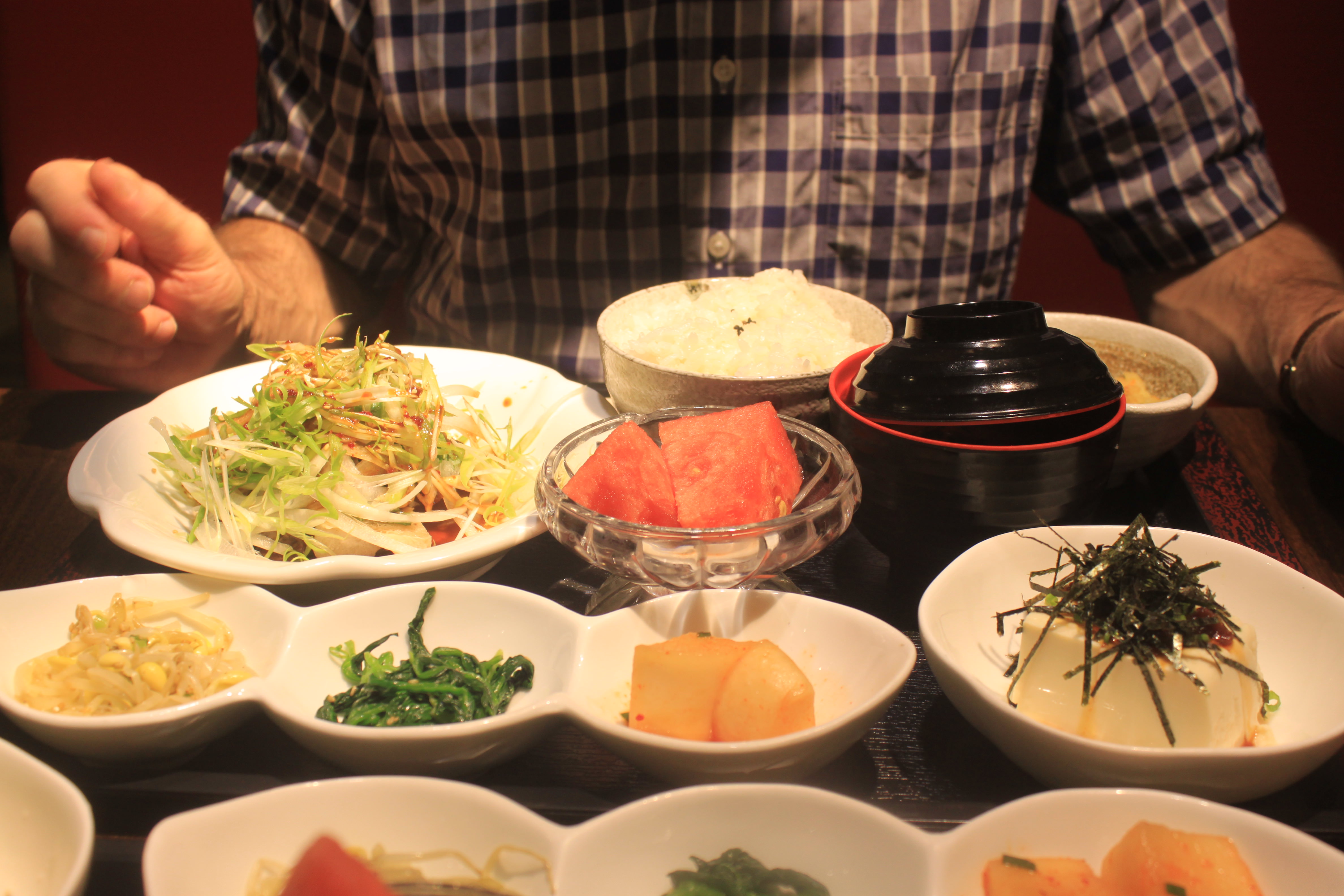
Yesterday Richard and I went for a slow amble in the damp heat over to Hongqiao Pearl City the near-by home of fake goods and not so fake pearls.  He may get a shirt made there by a Mr. Ding of San-San Fashion as a trial to see how well they are made and I may buy a top made from Issey Miyake pleated fabrics, when we go back next week and continue our negotiations (it’s always best to walk away first time  – the price for my top dropped by yet another 20% as I did so).  On our way back we had a late lunch at another of the Japanese pubs in our neighbourhood.  I had an octopus dish flavoured with chilli, Richard had a dish of lamb on the bone and spring onions and we both had on our trays, boiled rice, bean sprouts, braised pak choi,  kiriboshi-daikon (literally, “cut-dried daikon” or white radish), bean curd sprinkled with dried shredded nori (laverbread), seaweed soup and segments of spring onion pancakes with water melon to finish all washed down with Japanese Asahi beer.

My lunch

My lunch

Richard's lunch

Richard’s lunch

An alternative to going out in the heat is to stay indoors, but I haven’t been able to stay in the flat and write my blog as new people are moving into the apartment upstairs and there was been drilling, hammering and general wrecking noises vibrating around our flat all week, even yesterday, Saturday.  It has made it impossible to concentrate enough to be able to write. I toyed with going back to the Japanese café we tried for the first time last weekend. It is in the next block or so, has free wifi and excellent coffee, but many of the men, and it is mainly filled with Japanese men, were smoking, which I didn’t fancy in the heat.  Going any further away would have meant carrying my laptop further than I wanted to, so I have abandoned all attempts at writing this week, until now.

It is now Sunday and there is no banging or crashing from upstairs.  It is raining and the temperature has cooled, unlike last week when there was a temperature inversion and the hot air was close to the ground and we had a tremendous thunder storm that lasted for hours.  We were supposed to have been in Xi’an this weekend, visiting the Terracotta Army amongst other things and Richard going on a visit to the local factory on Monday, but that has been cancelled – the visit had flip-flopped between being on and off several times.   Chongqing 700km further south had a forecast temperature of 39°C this weekend, but I don’t think Xi’an would have been that hot and it would have certainly been less humid than here.  I visited the army in the 1980s, but I understand that much has changed at the site and Richard has never been.  Hopefully we shall get there before the end of the year.

There is much more to visit both elsewhere in China and here in and around Shanghai.  I just have to work out how I’m going to do it all.

Posted in General Shanghai | Tagged , , , | Leave a comment

Brits Abroad and Ascot Ladies’ Day

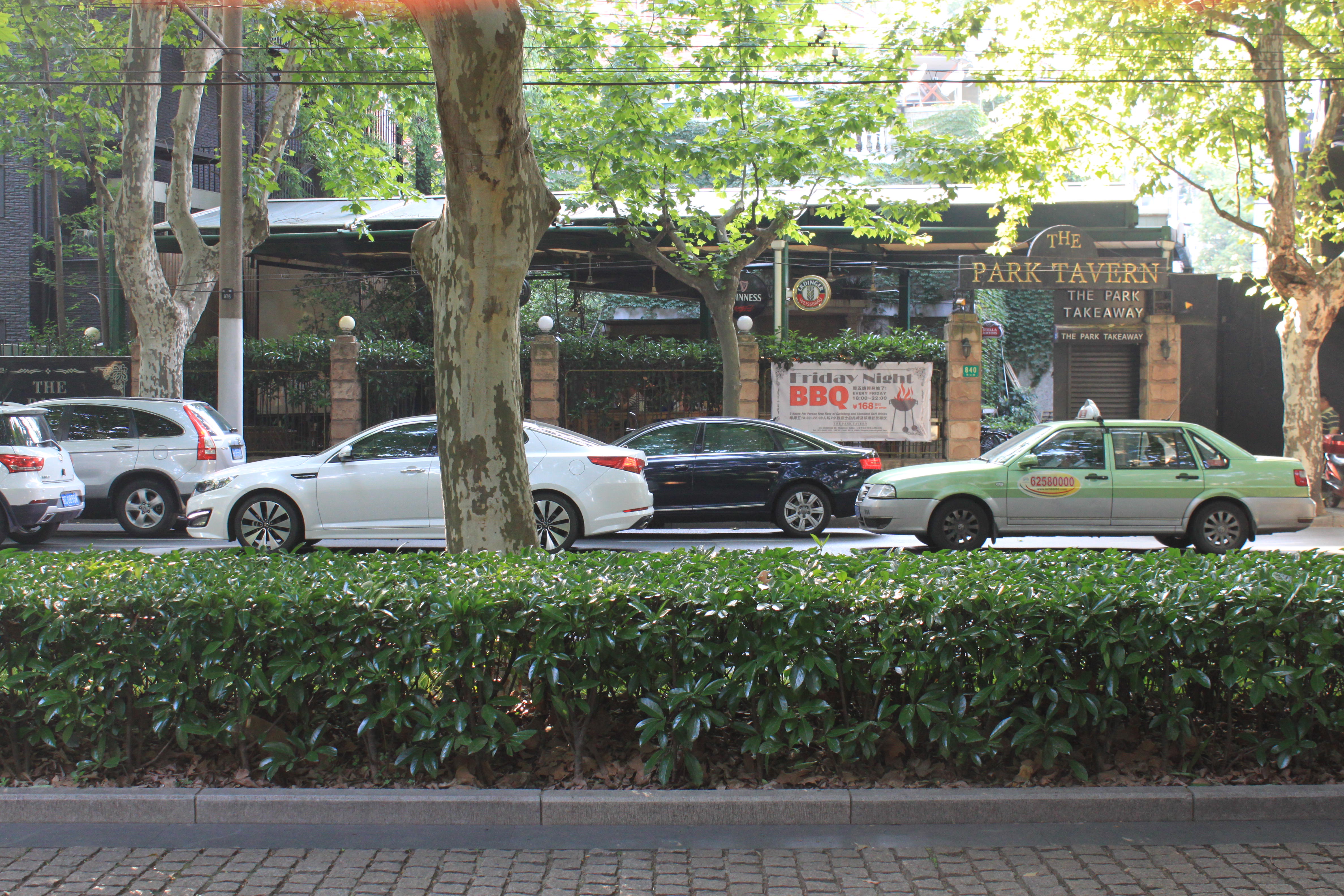
The Park Tavern

The Park Tavern

A couple of weekends ago we were invited to go along with friends that Richard met through work (I had first met them at The Liquid Laundry back in February) to the Brits Abroad Quiz Night at the The Park Tavern in Xujiahui.  Whilst Richard spent the day with the company’s Head of Talent, who had flown in in the morning, I took myself off to Xu Guangxi’s Memorial Garden and the rest of the sites around Xujiahui, with us all meeting up in the evening at The Park Tavern on Hengshan Road in Xujiahui.  Our team of five, which included Jenny who did a valiant job of staying awake after her flight, joined the rather noisy Brits Abroad crowd upstairs of The Tavern for the quiz.   Everyone was very welcoming of us newcomers, to such an extent that I decided to join the organisation the next day, and we settled in for an evening of question answering, beer drinking, pie and lasagne-eating and fund-raising.  Our little team of Brits Adored did surprisingly well – we were actually in the lead at one point, and as usual when I’m ever with Richard for such quizzes we ended up casting our joker for the food round.  (This has back-fired for us in the past when the question-setter was a butcher and decided to ask us about obscure Australian cuts of meat).  Our downfall – but I was later to find out it was our saviour as it meant that we don’t have to compose next year’s quiz – was that we could answer absolutely none of the questions in the last round, which was all about Shanghai.  So here it is:

  1. Which play did Noel Coward write while suffering a bout of influenza in Shanghai?  Private Lives
  2. The oldest surviving statue of a foreigner in China is in Shanghai.  Who is it a statue of? Alexander Pushkin
  3. How many floors does the Jinmao Tower have? 88
  4. What is the city flower of Shanghai? The White Yulan or Magnolia Denudata
  5. What is the biggest and oldest temple in Shanghai?  The Longhua Temple
  6. What is the maximum cruising speed of the Maglev train serving Pudong airport? 436km/h
  7. Who was the female star of the 1932 film Shanghai Express? Marlene Dietrich
  8. What Shanghai tourist destination stands at 1388 Lujiazui Ring Road? Ocean Aquarium 
  9. What Sporting facility is in the basement of the Mercedes Benz Arena? An Ice Rink
  10. Yao Ming was born in Shanghai and started his basketball career playing for the Shanghai Sharks.  At the time of his final season, he was the tallest active player in the NBA, at 2.29m (7ft 6in).  What team was he playing for then? Houston Rockets

So there you go, now you know.

I’m not a great joiner of things.  In the past I could have joined clubs to do with my interests such as cycling or gardening clubs, but I haven’t.  I lasted for a year or so in the Grafton Underwood WI 25 years or so ago when it was the only thing you could possibly do to get to know people in the hamlet and we moved after a year, anyway and I’ve not joined any WI since.    I only joined the Oxford Union because my aunt, who thought I needed to learn how to do public speaking, paid for me to do so, little knowing that anybody who was going to stand up in the chamber would have been practising for years at school beforehand. And the exclusivity of the Bullingdon Club and my own college’s equivalent The Myrmidons made me wince (not that I qualified for membership). I like meeting friends in our home town in Kent, but if I had to join something to do it I’m not sure I’d be that comfortable with it.  I suppose it’s the idea that if you join a club it’s marking yourself

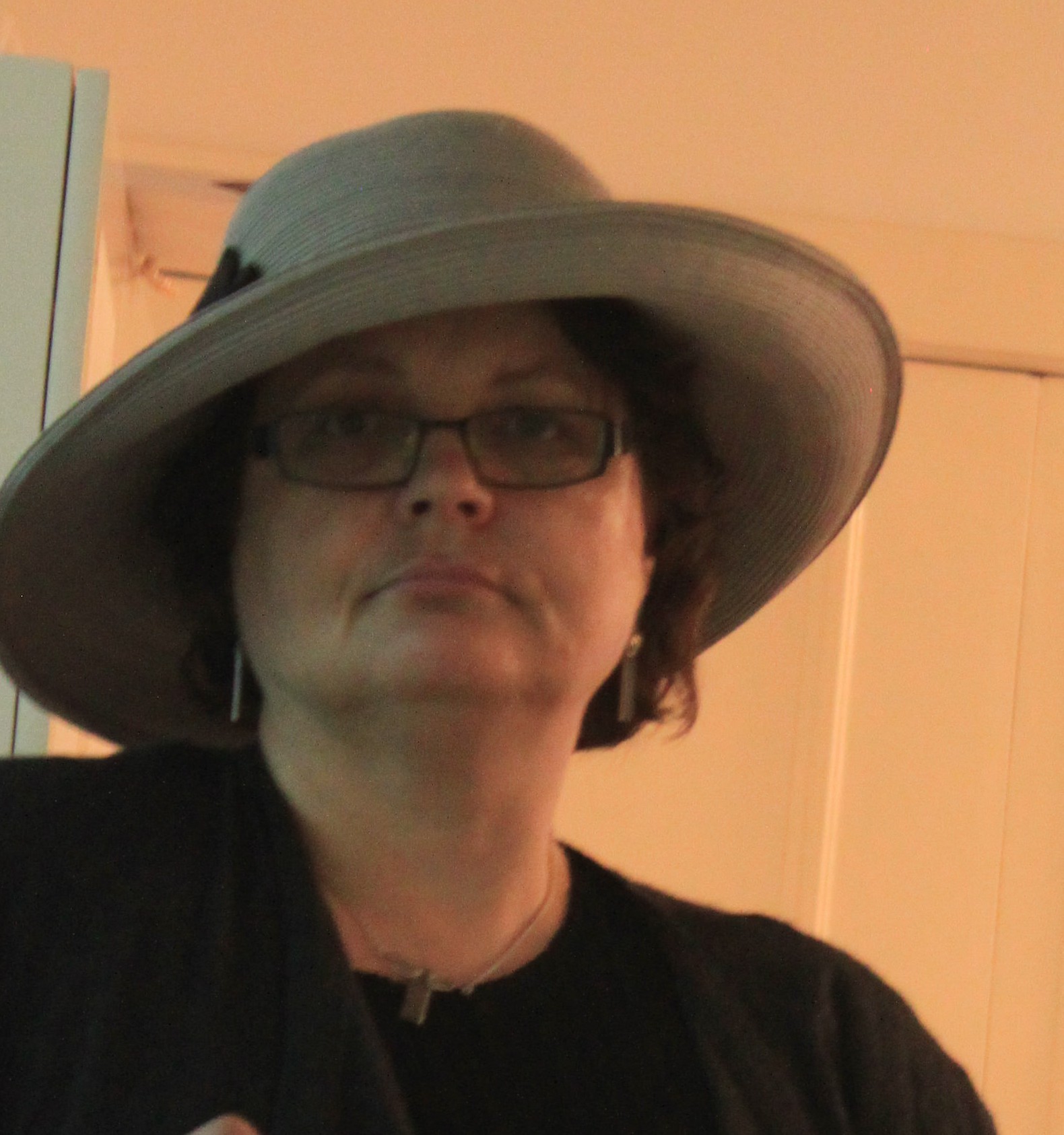
Would My Hat Do?

Would My Hat Do?

out as being exclusive in some way.  I much prefer to be in a non-exclusive arena when I can talk to people from all walks of life.  I’m much better getting involved in learning how to make silver jewellery, or a creative writing course, learning how to do floral design or running a charity ball or volunteering at the Town Hall and so it was with some trepidation that I joined Brits Abroad, the requirement being that one member of the family hold a British passport, which was OK, but I was not impressed by the Chinese Government’s stipulation that membership is available to foreign passport holders only.

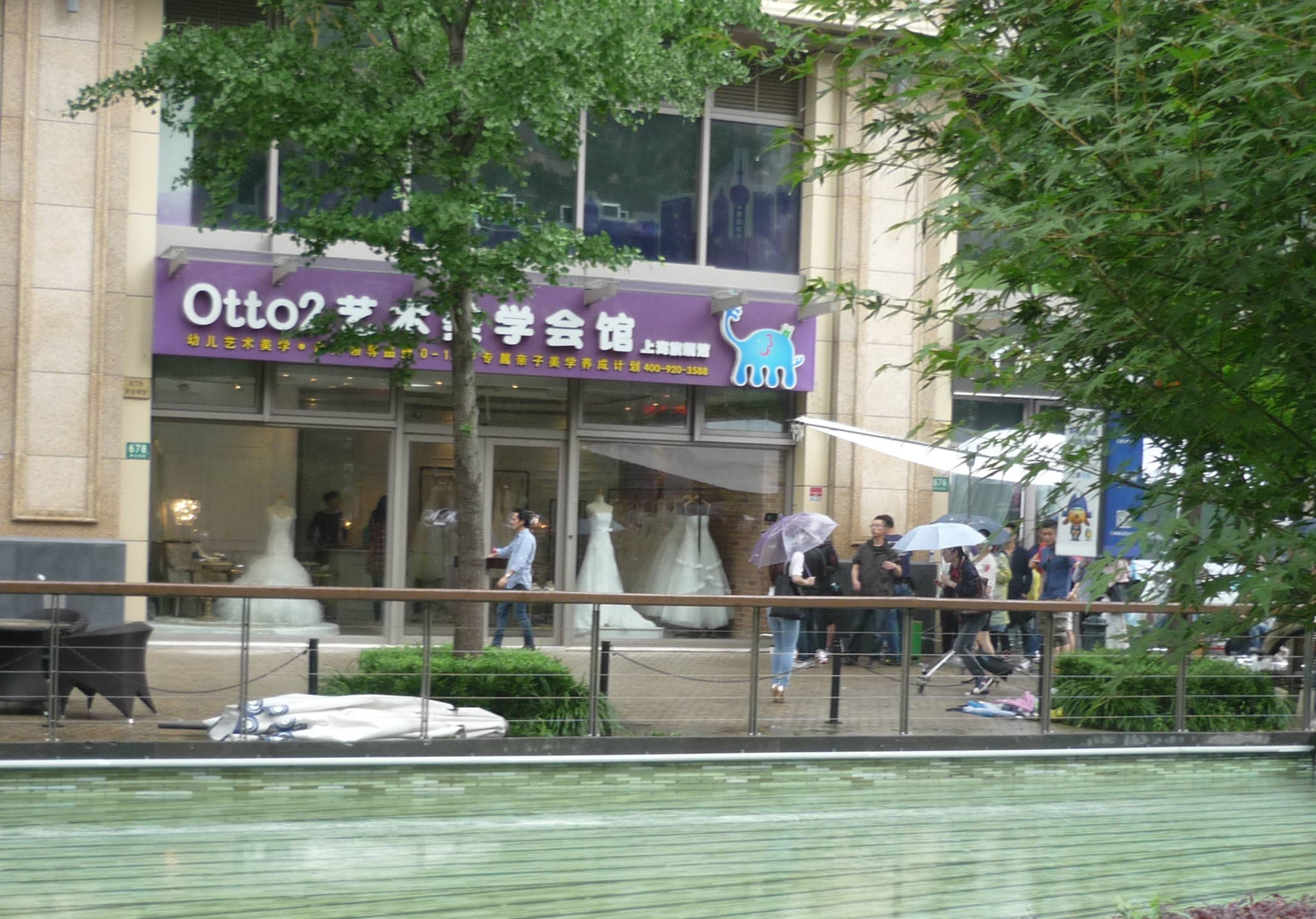
Wedding Shop Opening

Wedding Shop Opening

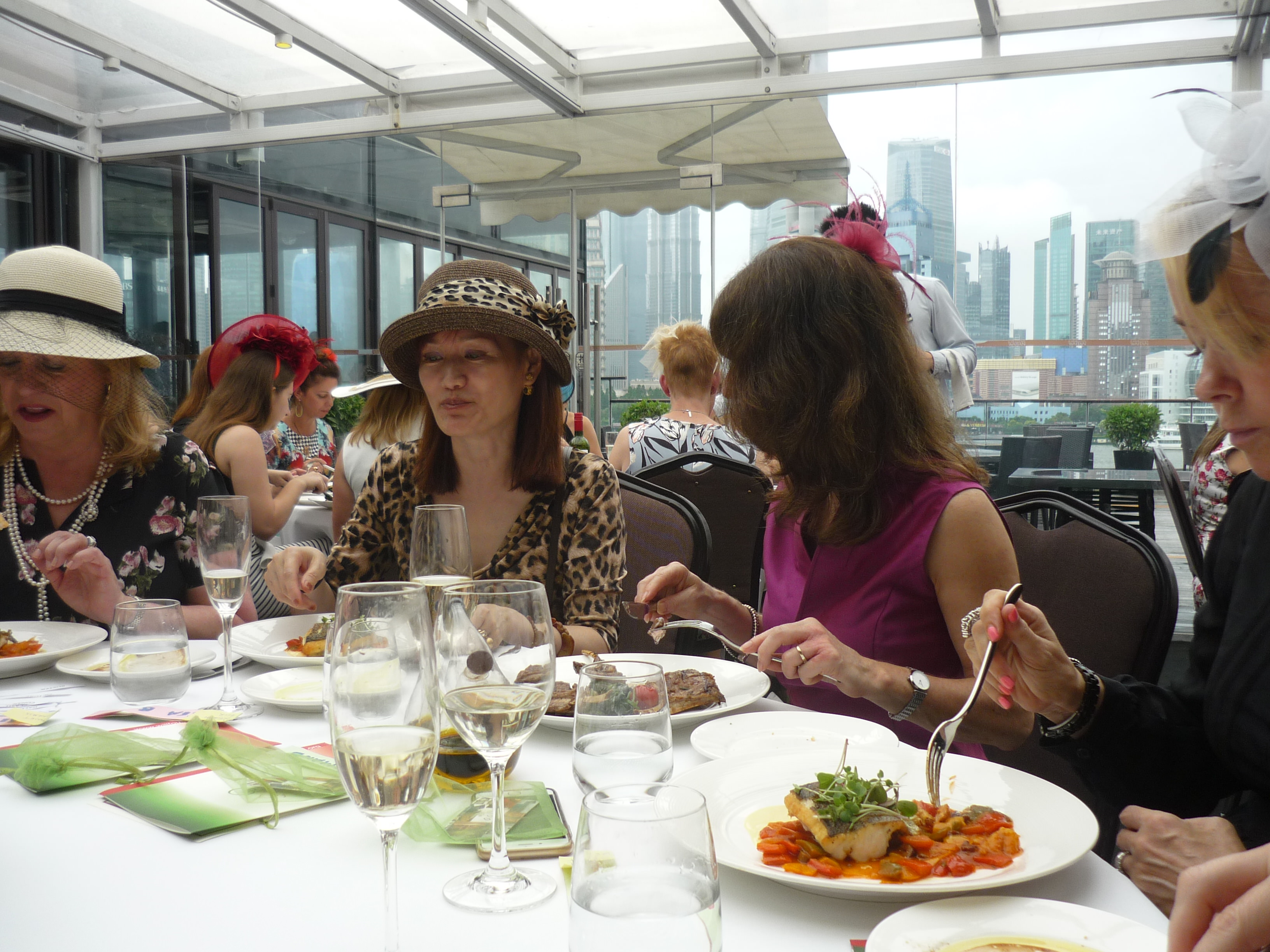
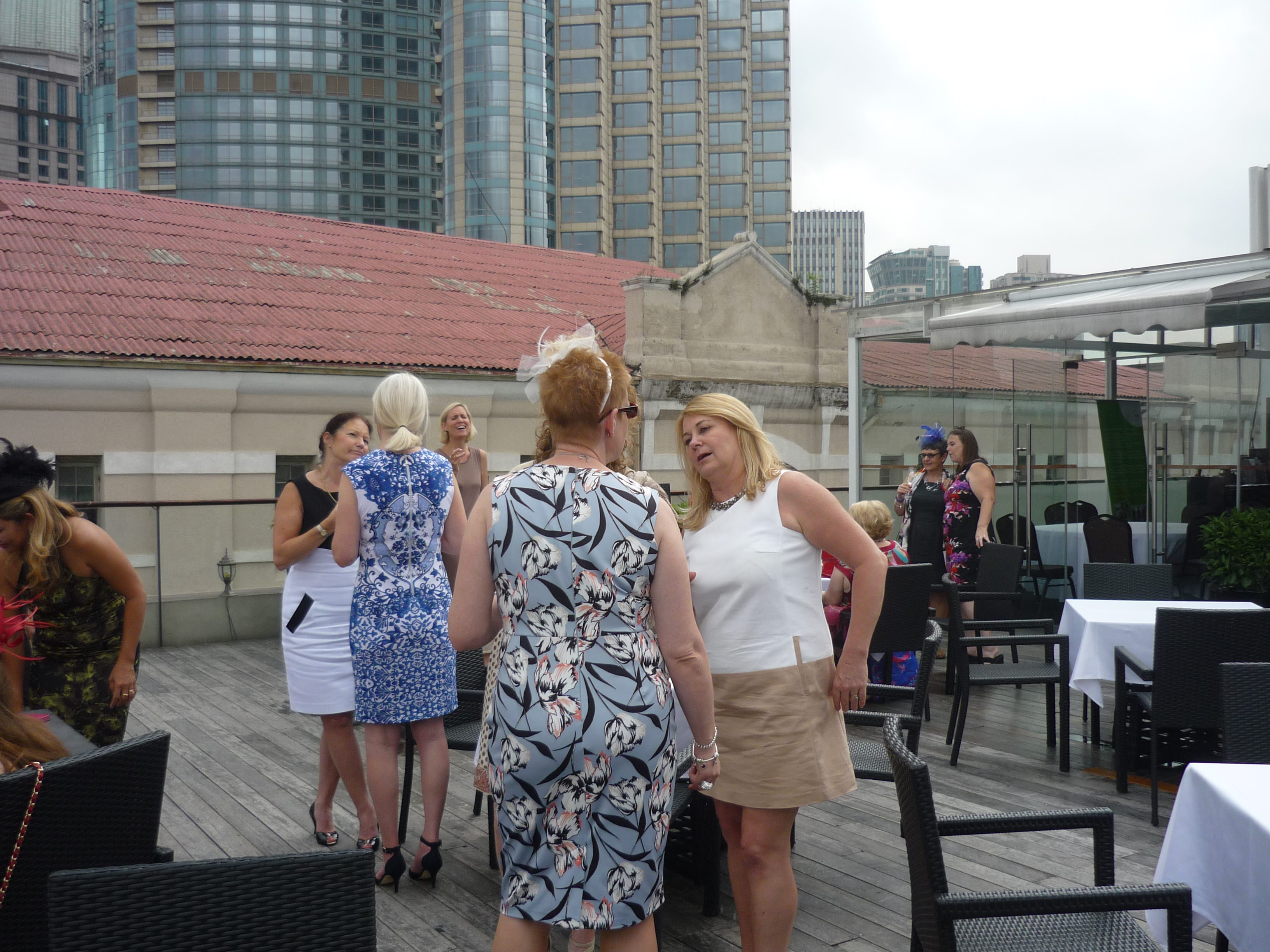
Anyway, yesterday it was Ascot Ladies’ Day which gave the ladies in Brits Abroad an excuse to meet up at Kathleen’s Waitan on the north bank of the Suzhou Creek and overlooking the Huangpu River to the skyscrapers of Pudong.  A posh frock and a posh hat were required, neither of which I had really bought out in my three suitcases, but I think I managed to pull something out of the bag on the day.

On my way to the metro I passed the new

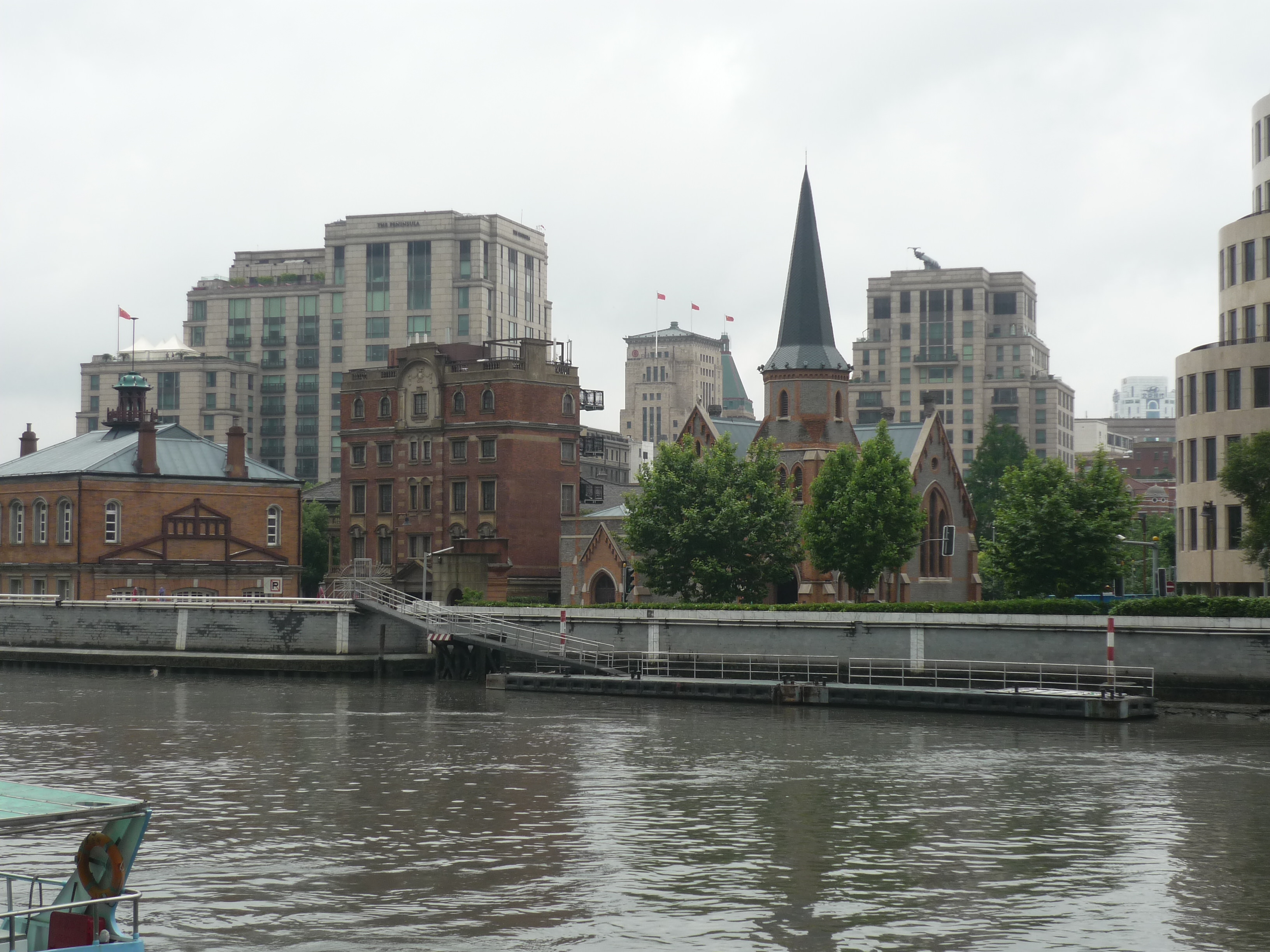
The Old Rowing Club and the Union Church

The Old Rowing Club and the Union Church

wedding shop in Golden Street that was evidently having its grand opening later in the day.  There were film cameras and a big queue which all seemed rather excessive for just for a small shop in a suburb.

Getting there on the metro I did feel rather daft, so I had to pretend I was doing what many of the Chinese appear to think that the British do all the time :  dressing up and being elegant – Downton Abbey has got a lot to answer for.

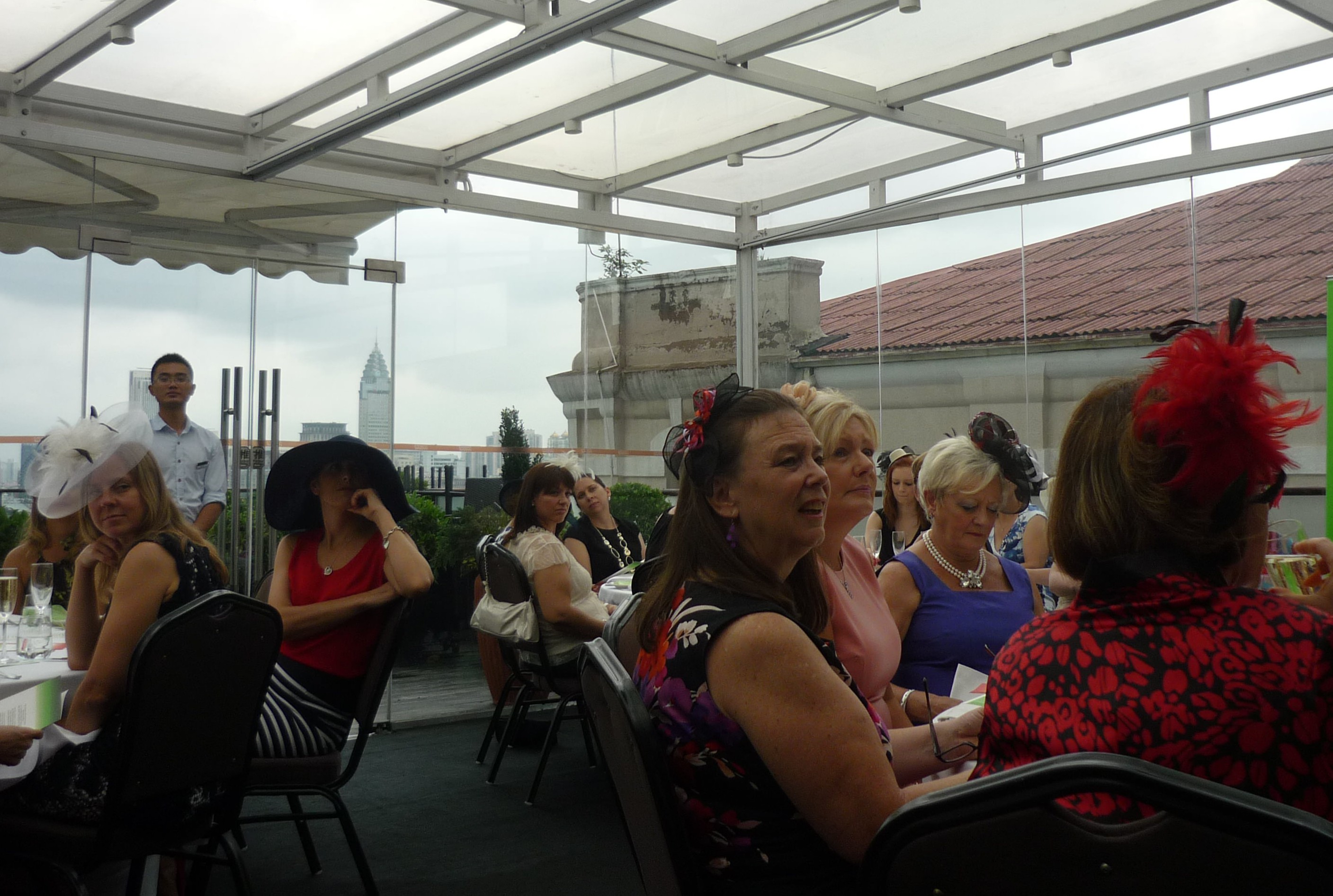
Some fancy hats

Some fancy hats

Anyway I walked along the north shore of the creek, looking across at the Old Rowing Club and the Union Church.  I’d put shoes on rather than strappy sandals as Shanghai had had 200mm of rain in the last 24 hours and I had no idea whether I would be walking through flooded areas, and I’ve done my back in, from washing up of all things.  Our worktop here is really low, the bottom of the sink even lower.  I’ve just measured it.  It’s 62cm off the floor!

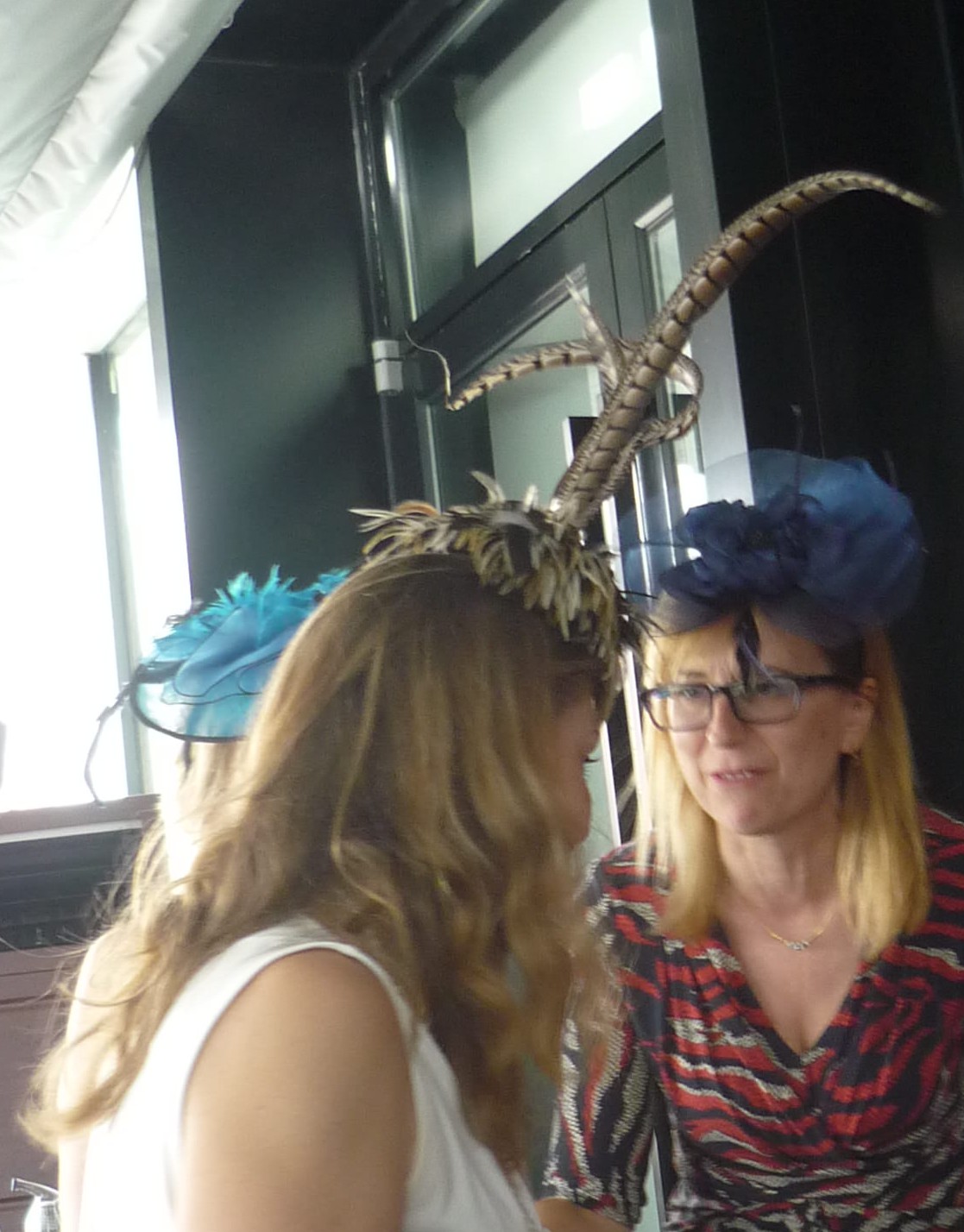
Feathered Fascinators

The Winning Feathered Fascinator

Arriving at Kathleen’s Waitan I now started to feel not over-dressed, but under-dressed. Ladies with fascinators and posh frocks were climbing out of their cars which their drivers (many ex-pats have drivers) had brought right up to the front of the restaurant building.  Oh well, my hat and floaty dress were bad enough on the metro – I certainly don’t think I could have pulled off some of the headgear that greeted me, on Line 10.  The lady who won the best hat competition wore a fascinator made completely of feathers, with tall tail feathers standing upright. Which I found amusing, as the fascinator has been banned from the Royal Enclosure at Royal Ascot since 2012……

Orphanage Founder

School Founder

But it was all in a good cause raising money for a local Shanghai eco-learning centre for disadvantage children, Willfound, and the Spanish lady who founded it came to tell us all about it.  In the highly competitive Chinese education system children with special educational needs can easily fall behind and this small school was started because she had been fostering such a child and decided that she “had seen potentials in J.J. that not many can see, if left alone he will just become another ‘burden’, but under WILL’s wings, he will become and flourish into a man that matters.”


Seabass and Ratatouille

Seabass and Ratatouille

P1080026P1080027

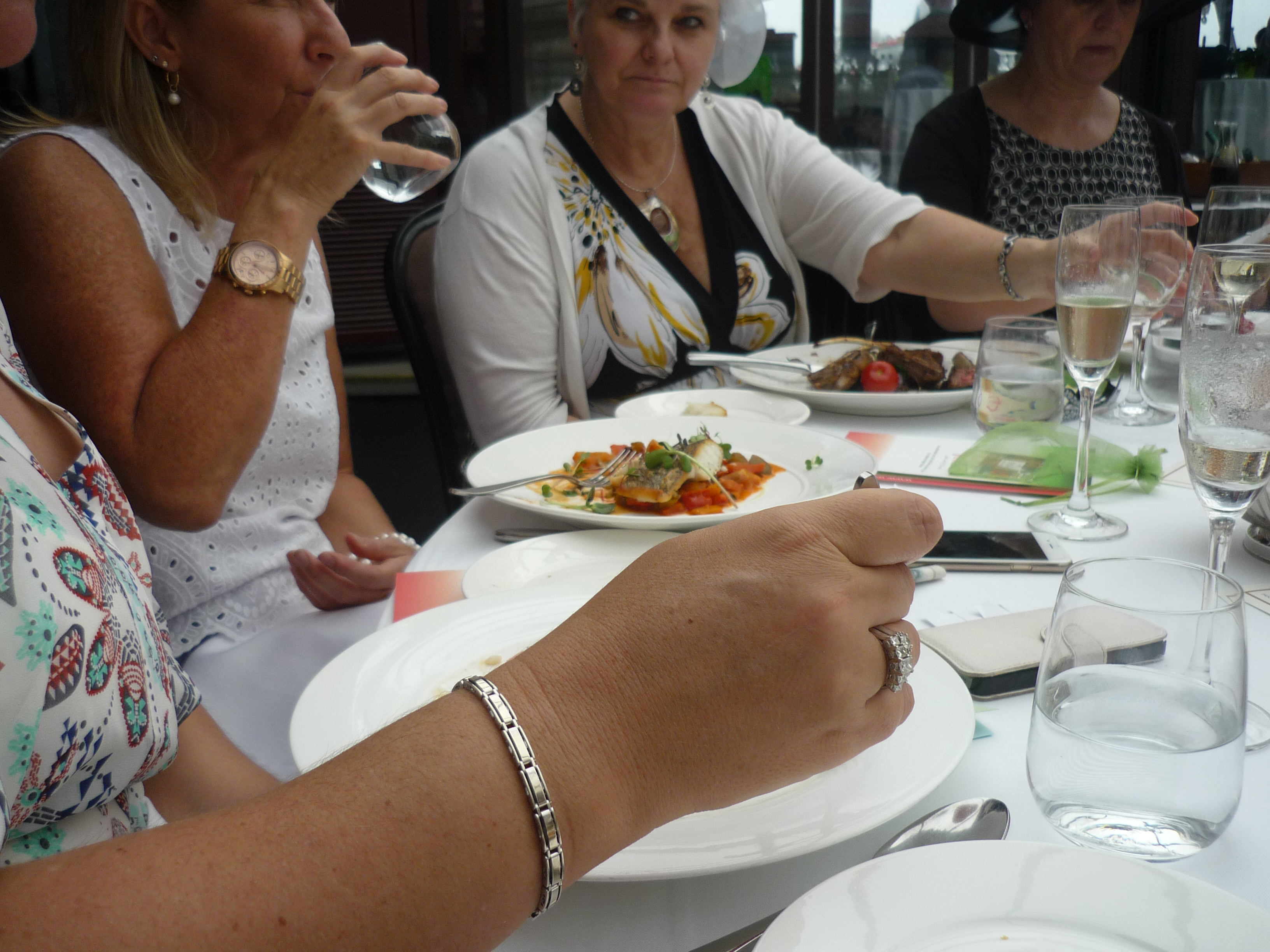
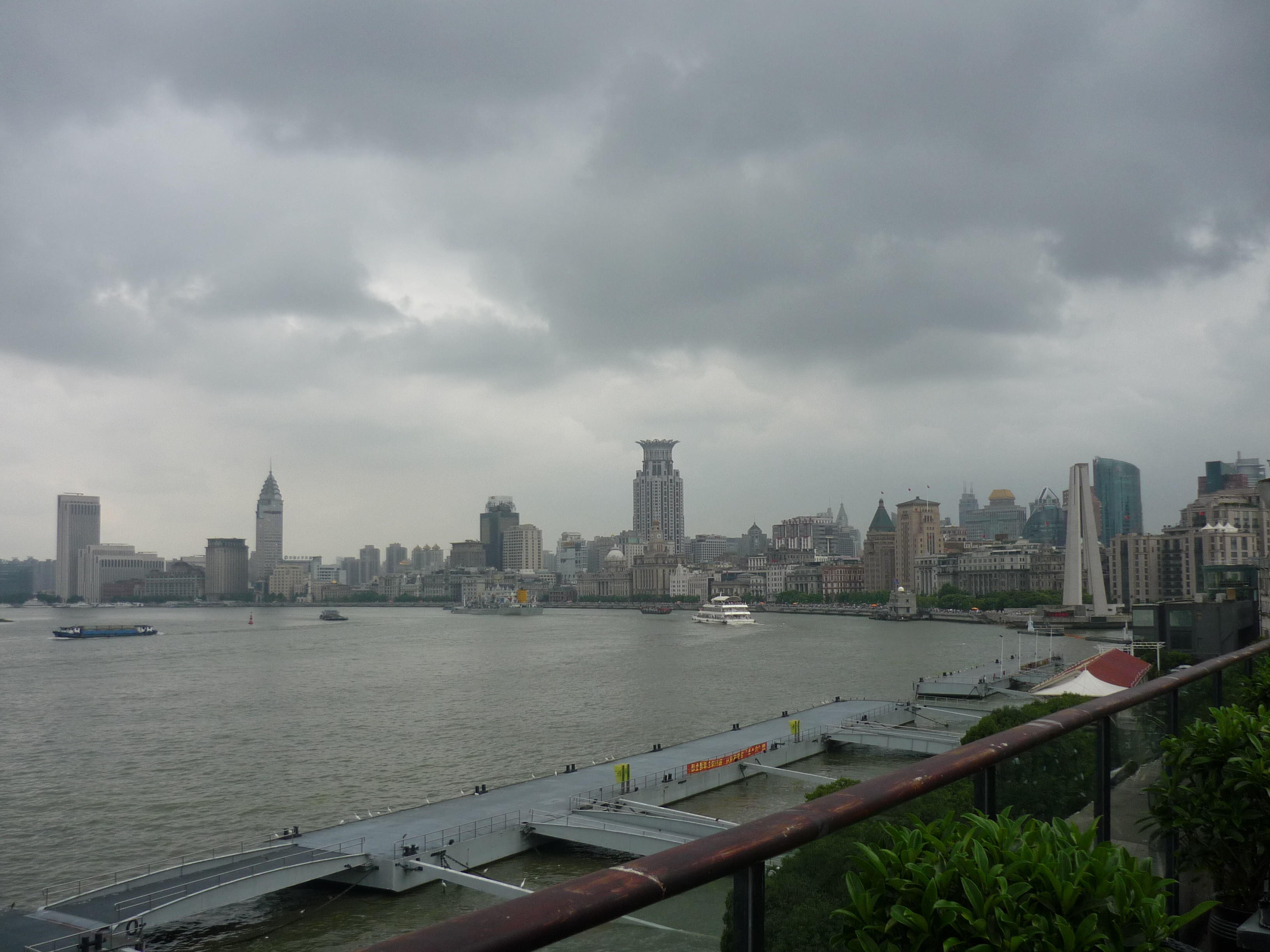
Given how many there were of us, the lunch was fine.  I had a gourmand salad which had a little too much lettuce and not enough of the citrusy bits and pieces that made it into a gourmand salad, but that didn’t matter and then I had a fillet of seabass on a bed of ratatouille, followed by a slice of chocolate mousse and ice cream.  But it wasn’t really about the food, nor the hats, or the fund-raising, or even the view which was spectacular, even if a little dark at times given the rainy season

Looking South down The Bund

Looking South down The Bund

we are in and the amount of water that is falling out of the sky at the moment.  It was all about the people, who were lovely and welcoming and the committee members came over several times to talk to us, to make sure that we were OK, and I being new, was singled out for special attention, which is just the way it should be, but often in these situations, is not.  And over lunch I got chatting to Linda, who sat next me and her two friends Fiona and Hilary who had all arrived in Shanghai at the same time last September, which is a good time to have joined Brits Abroad as it is when they do tours of the local markets.  A lovely bunch of people, kind and generous, who no doubt I shall see much more of over the coming months.


P1080033 P1080032 P1080031

P1080022 P1080021 P1080020


I hope I’m not giving the impression that I’m living the life of Riley everyday out here.  I like to get out and see all that is going on: ex-pat life, the Chinese daily grind, and the Chinese who have done very nicely thank you from Deng Xiaoping’s reform and opening program and the sights, sounds and smells of all Shanghai.

Posted in Club, Hongkou | Tagged , , , | 1 Comment

Shanghai Botanical Garden

Anyone who has been around say, RHS Wisley, or the Oxford University Botanic Gardens would be surprised by how much of the activity that goes on in the Shanghai Botanical Garden has nothing to do with the study of plants or their appreciation.  What struck me most about visiting the Botanical Gardens before I left for the UK in the second week of May was how much people were doing stuff. There was a lady stitching a tapestry and one playing her ruan a long-necked lute.

P1070746IMG_4411


There were the Tai Chi practitioners, one group of which was pulling at their ear lobes – what is that all about?

IMG_4415IMG_4384


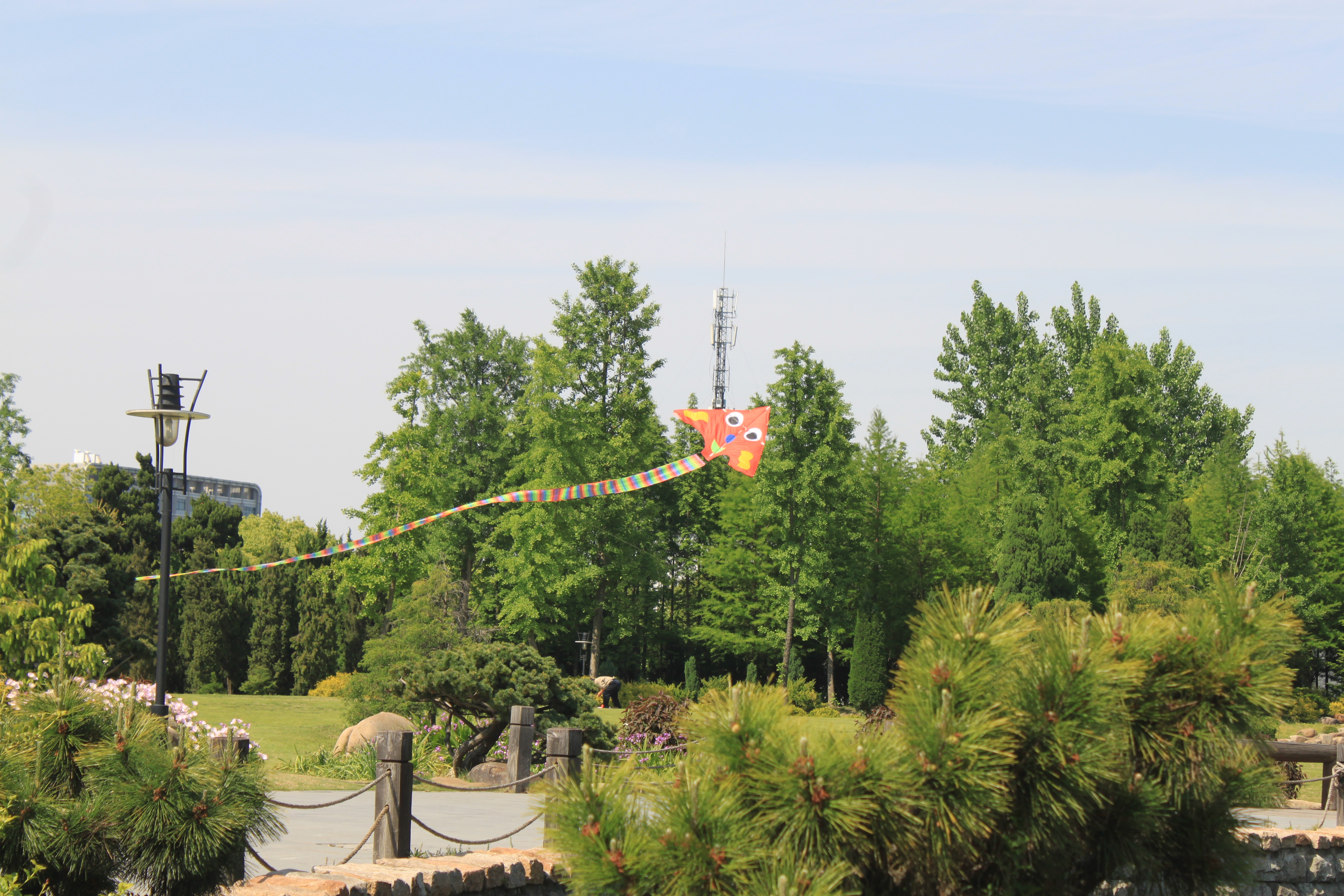
There were kite-flyers

IMG_4354IMG_4336


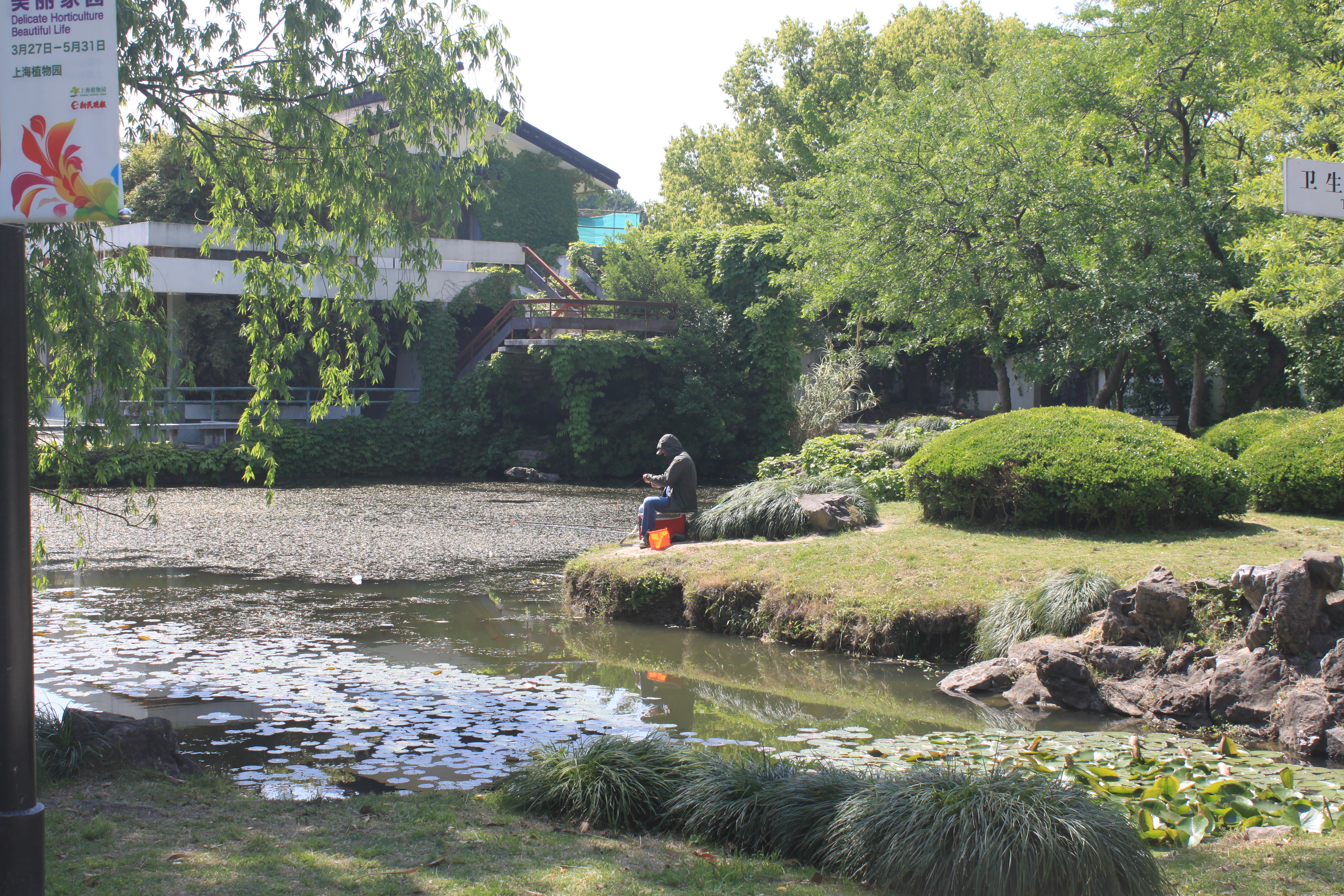
And fishermen (can’t see that being allowed at Wisley)!

IMG_4441IMG_4307


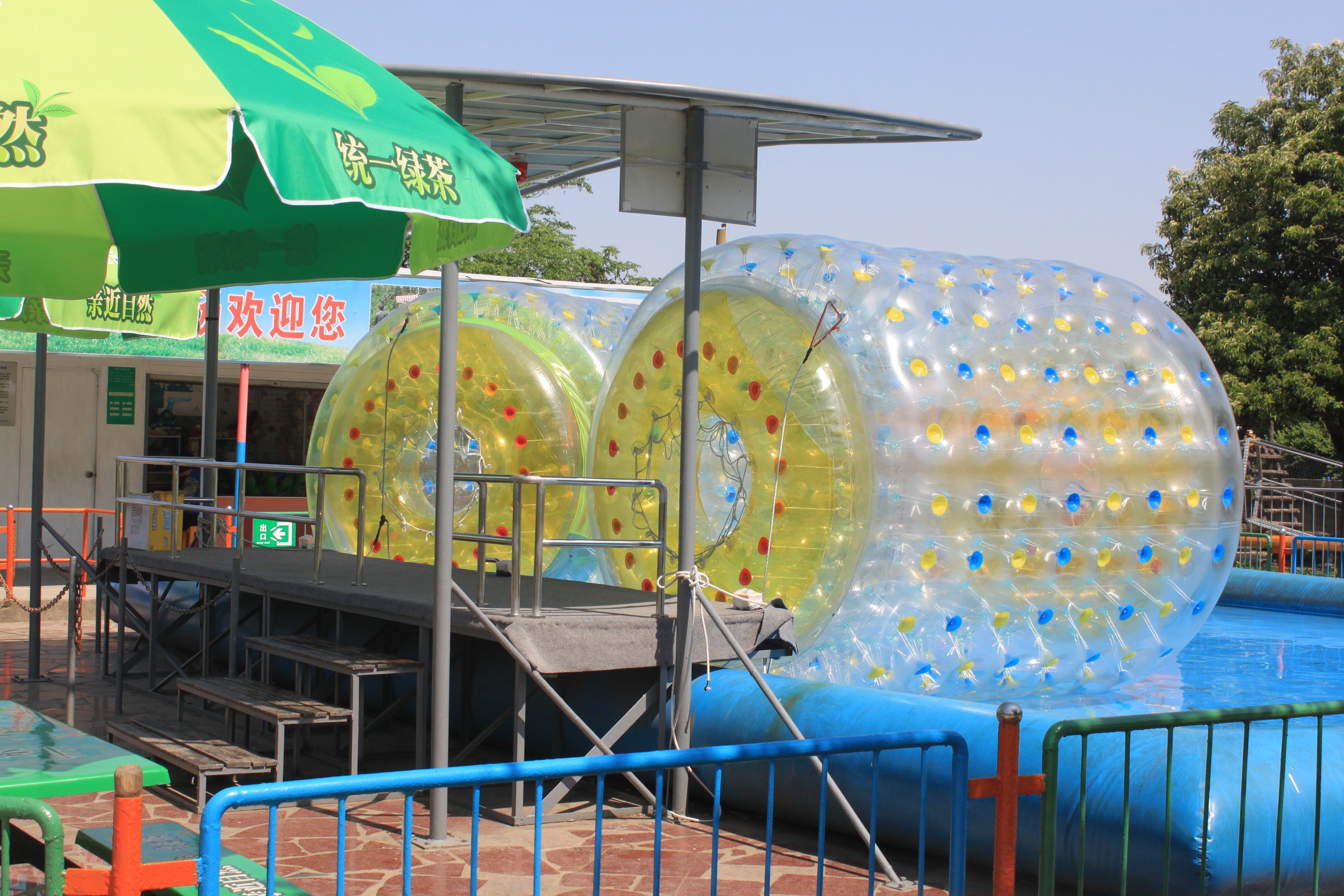
There was the opportunity for children to have some fun in plastic cylinders that you can walk over the surface of the water or in the more traditional boats on a boating lake.

IMG_4290IMG_4451


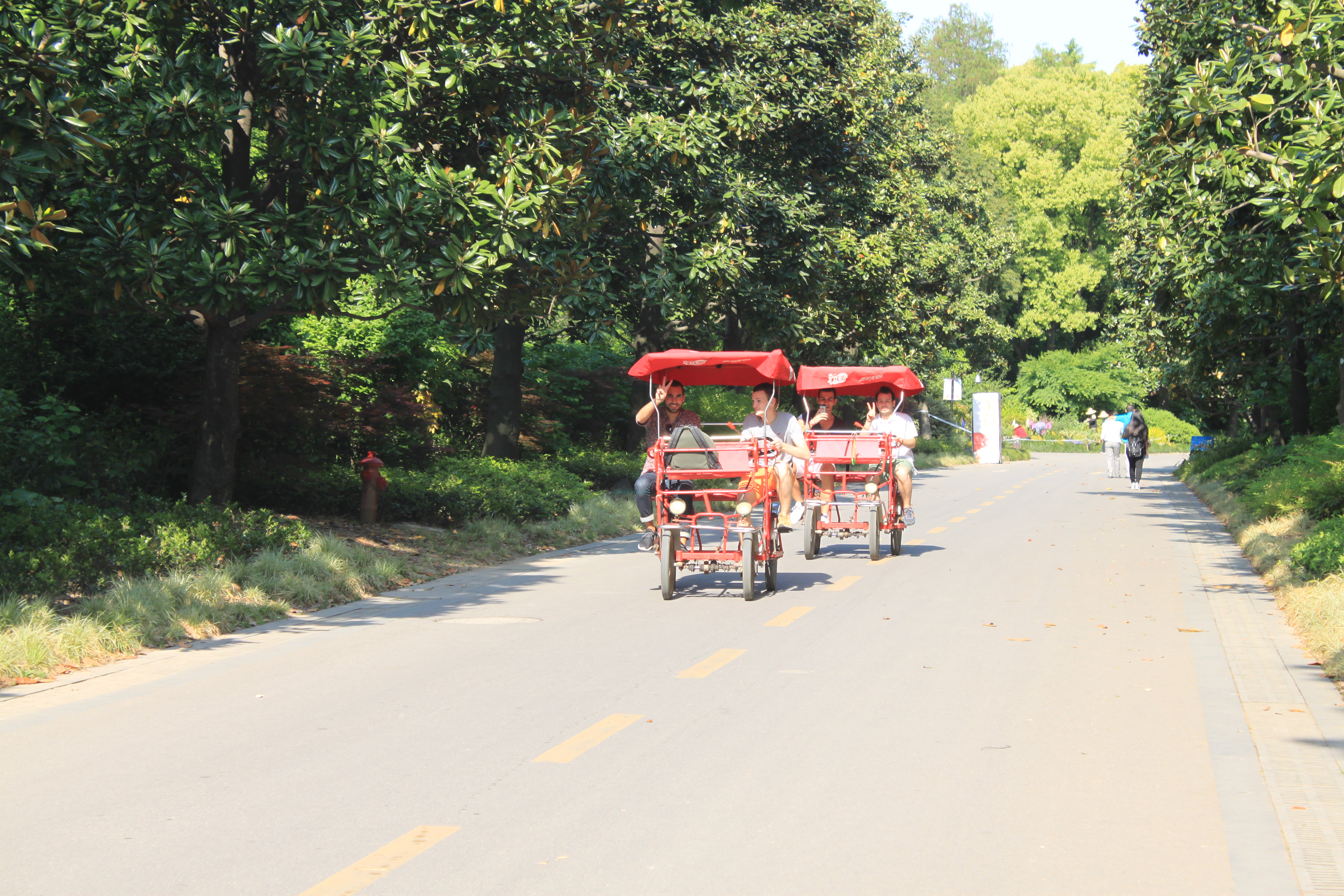
You could pedal yourself on a quadri-cycle or come into the park on your motorised assisted wheelchair and meet up with your mates.

IMG_4454IMG_4370


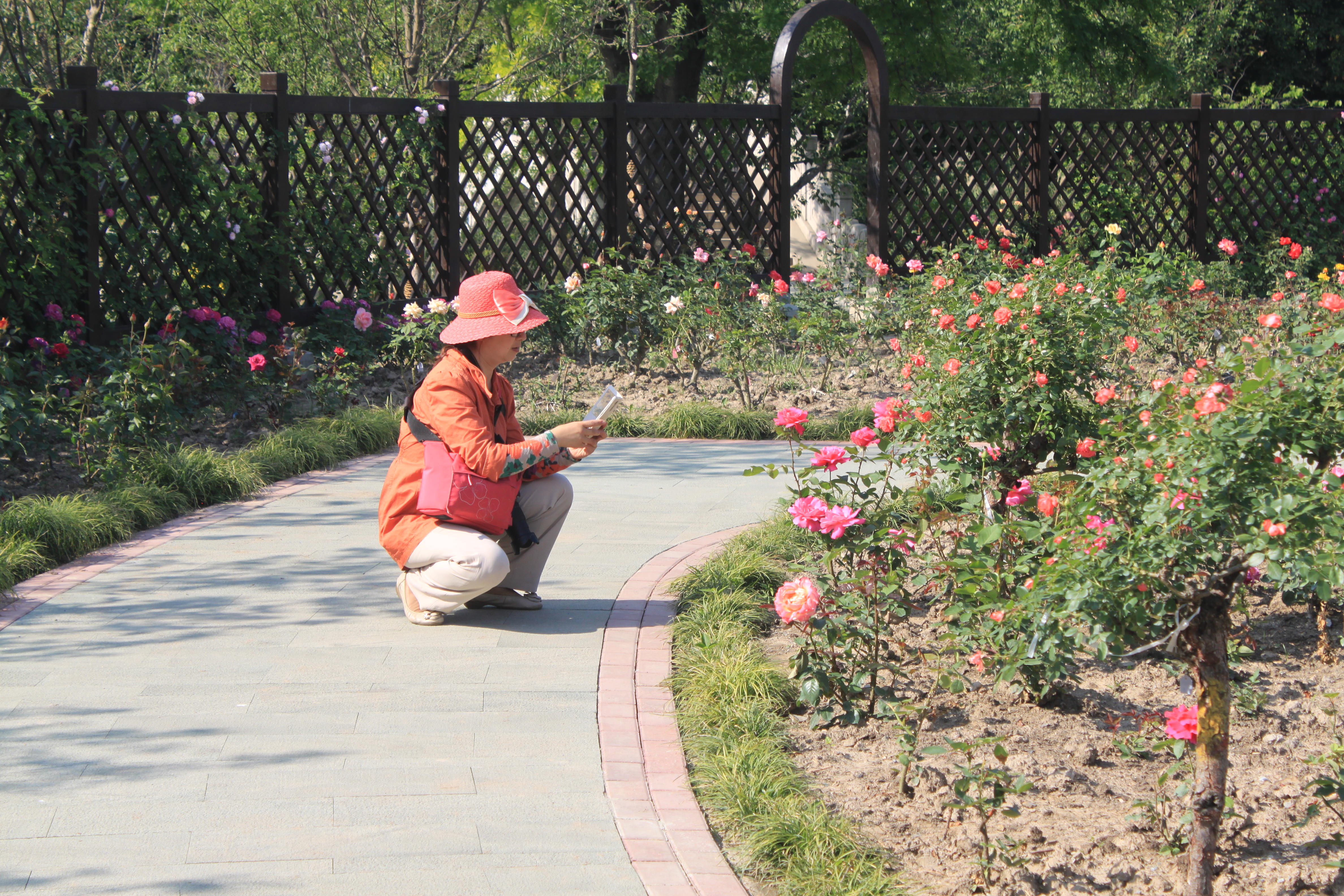
There was a child model being artistically photographed and roses being artistically painted, even though that meant the painter had set up her easel in the middle of the rose bed.

IMG_4400IMG_4357


This was a weekday afternoon in a Botanic Garden in the middle of the biggest City in China.  And I loved the fact that everyday people were enjoying the space.  The labelling of the plants could have been better, and maybe with time it will improve, but I just loved the way that it was being appreciated and treated as any other park.

The Peony Garden

Ginko Biloba Trees

Ginko Biloba Trees

I had gone to see the Peony Garden, but the plants were almost completely over, despite being told that they were in season here at the end of April and into the beginning of May.  They are planted in an area with a back-drop of Gingko biloba trees, which at that time of the year have bright light green leaves and would form a perfect backdrop to the mainly complimentary pinks of the peonies.  In the centre of the garden stands a white marble statue of the Chinese version of Guanyin,  a bodhisattva associated with compassion.

Statue of Guanyin

Statue of Guanyin

Guanyin

Guanyin


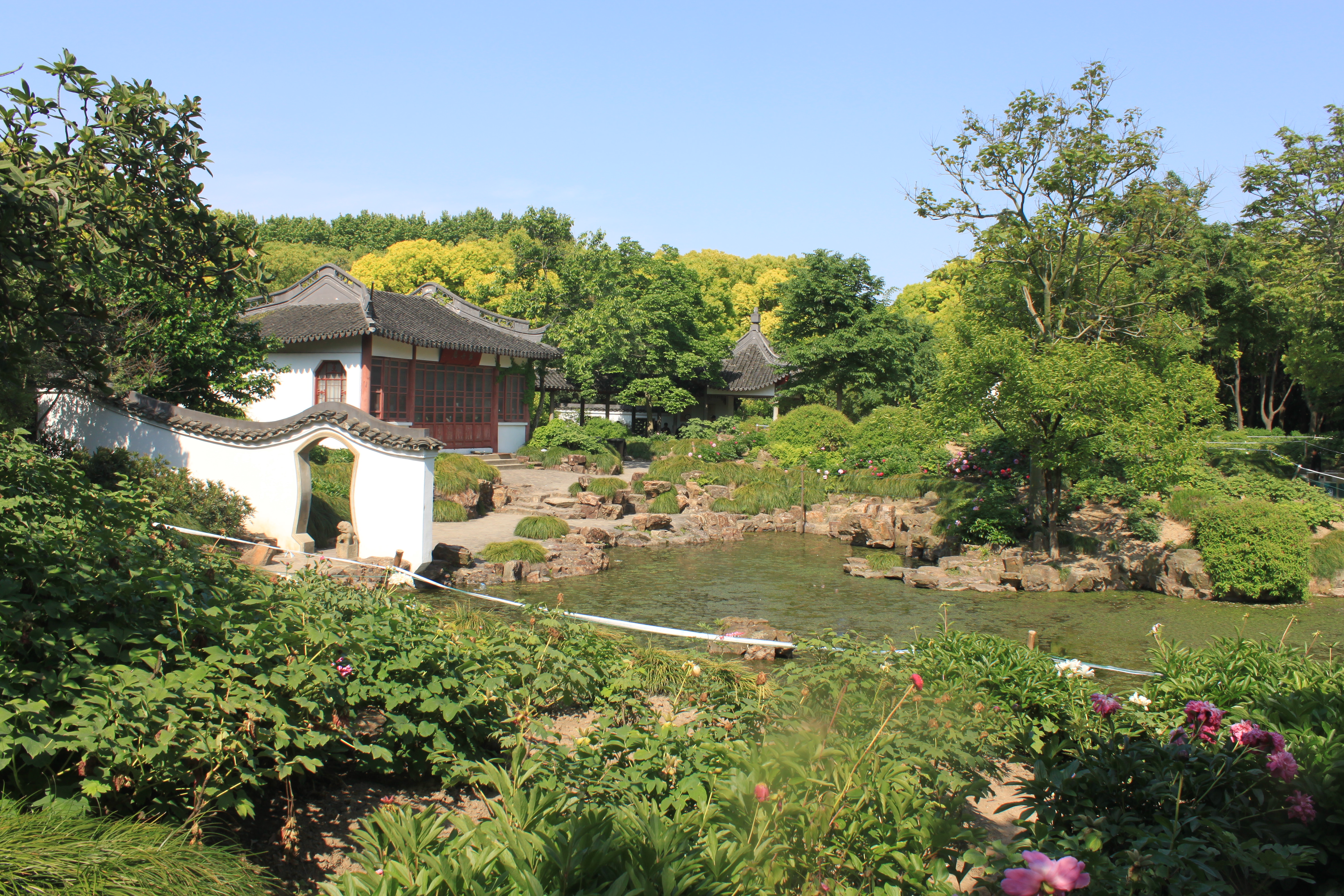
Peony plants surrounded the statue and a lake nearby and it must look beautiful when the flowers are out.

Lake in the Peony Garden

Lake in the Peony Garden

Pink Peony

Pink Peony

Jingshan Park Beijing

Jingshan Park Beijing

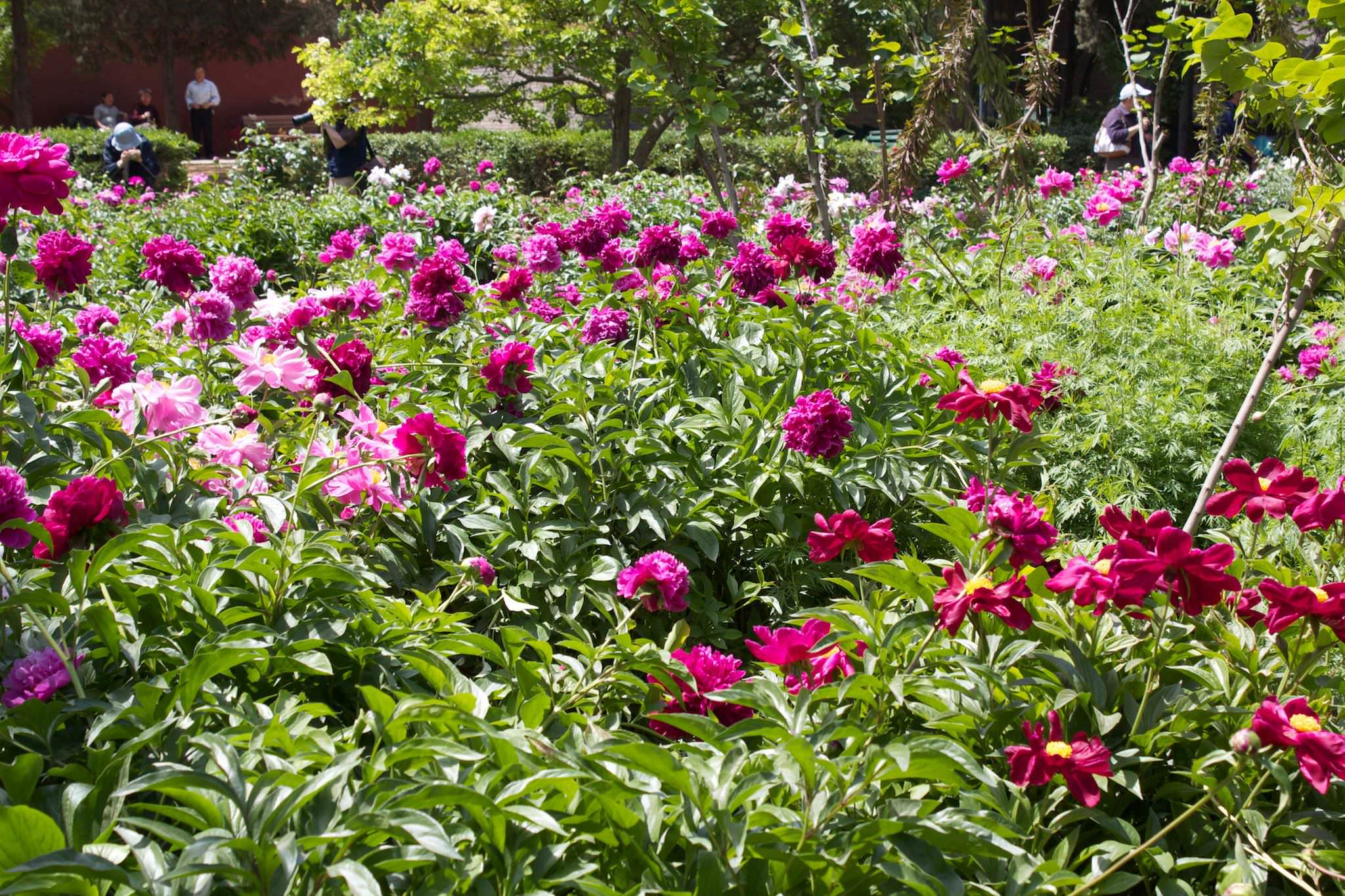
One or two plants were a little behind the times, but there was no longer the display I had hoped to see.  We had first come across spectacular mass plantings of peonies in the middle of May in Bejing where there must have been something like 50 varieties of peony – it being the national flower of China – planted in blocks of colour, en masse, throughout Jingshan Park, which were a glorious display of colour and perfume. The Jingshan Park is a 23 hectare park directly north of The Forbidden City and it has an artificial hill which you can climb to get a view into The Emperor’s Palace. It is here that one really ought to visit if, like me, you have a penchant for peonies as there as just so many of them, far more than here in the Shanghai Botanical Gardens – and the middle of May was just fine for a garden that far north, although others say online that March/April is the time that they are open – they must have been early this year and late when we visited the Capital a couple of years ago.

The Rhododendron Garden

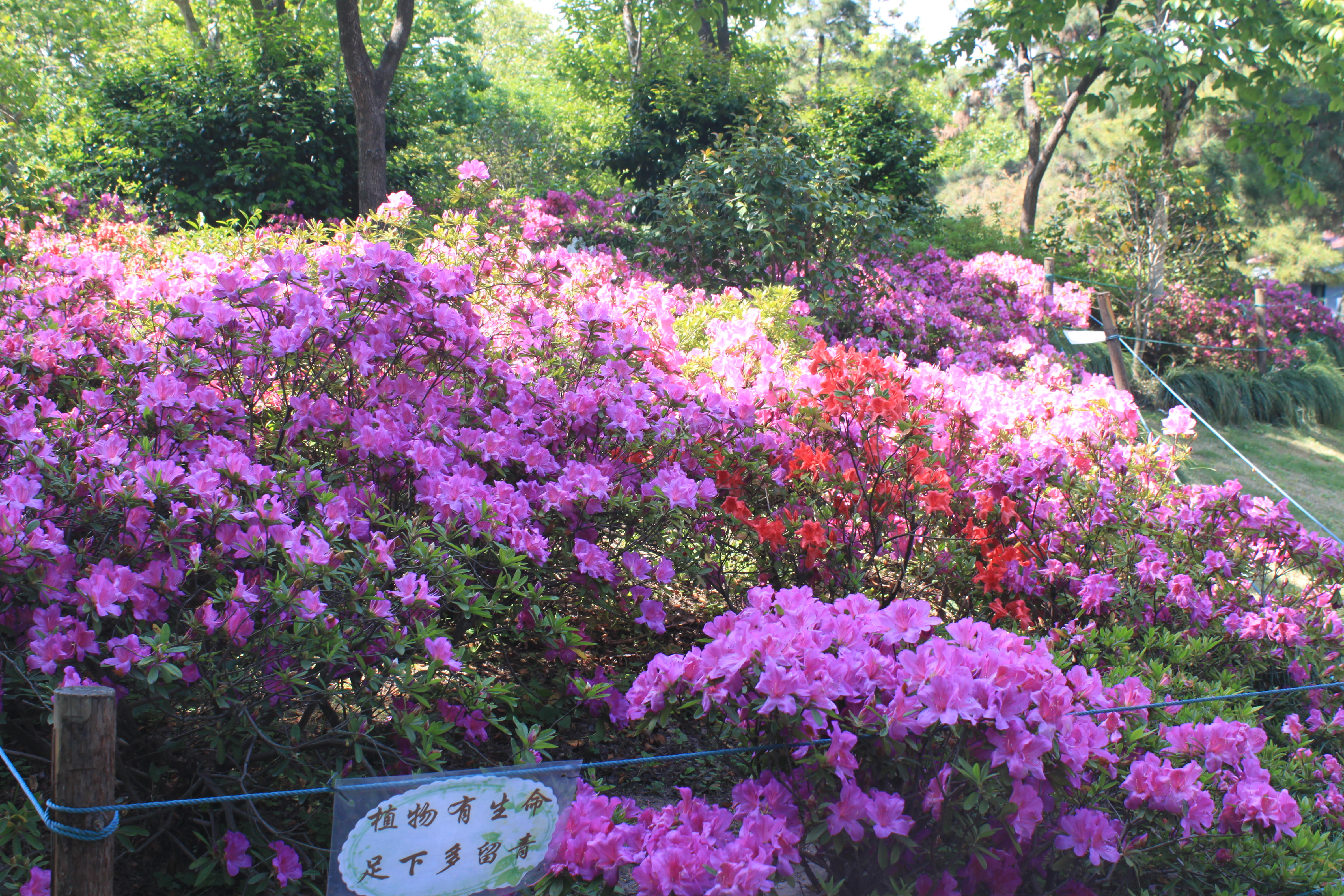
IMG_4327What were in season were the Rhododendrons, just as they were in the UK at the same time, which had been planted in clumps under pine trees on a huge artificial rockery with  a stream running down one side.

Rhododendron Catalogue

Rhododendron Catalogue


There was a chart to show which rhododendrons had been planted, but unfortunately there were no english or latin names, just Chinese.

IMG_4329IMG_4340IMG_4361IMG_4367


The Rose Garden

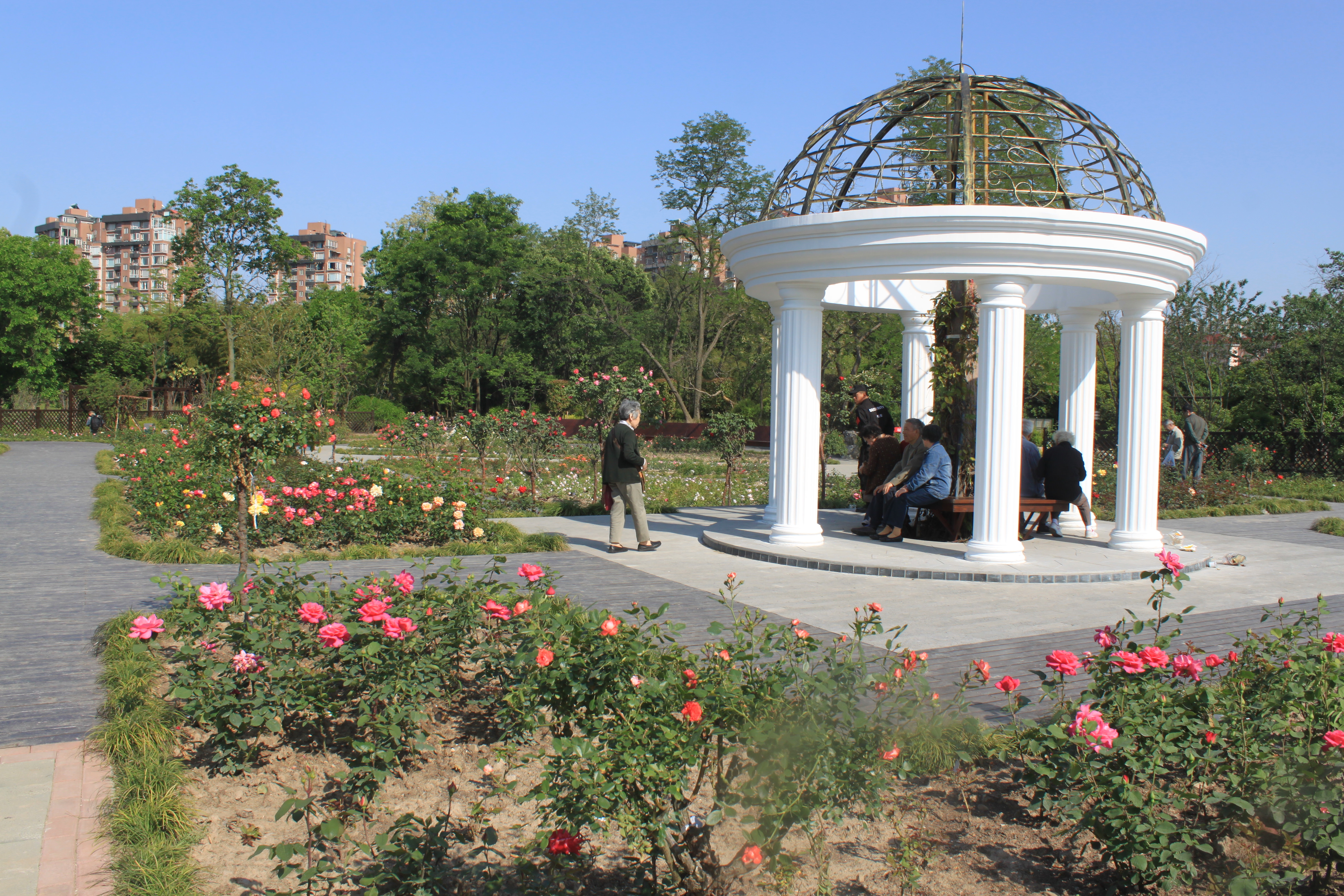
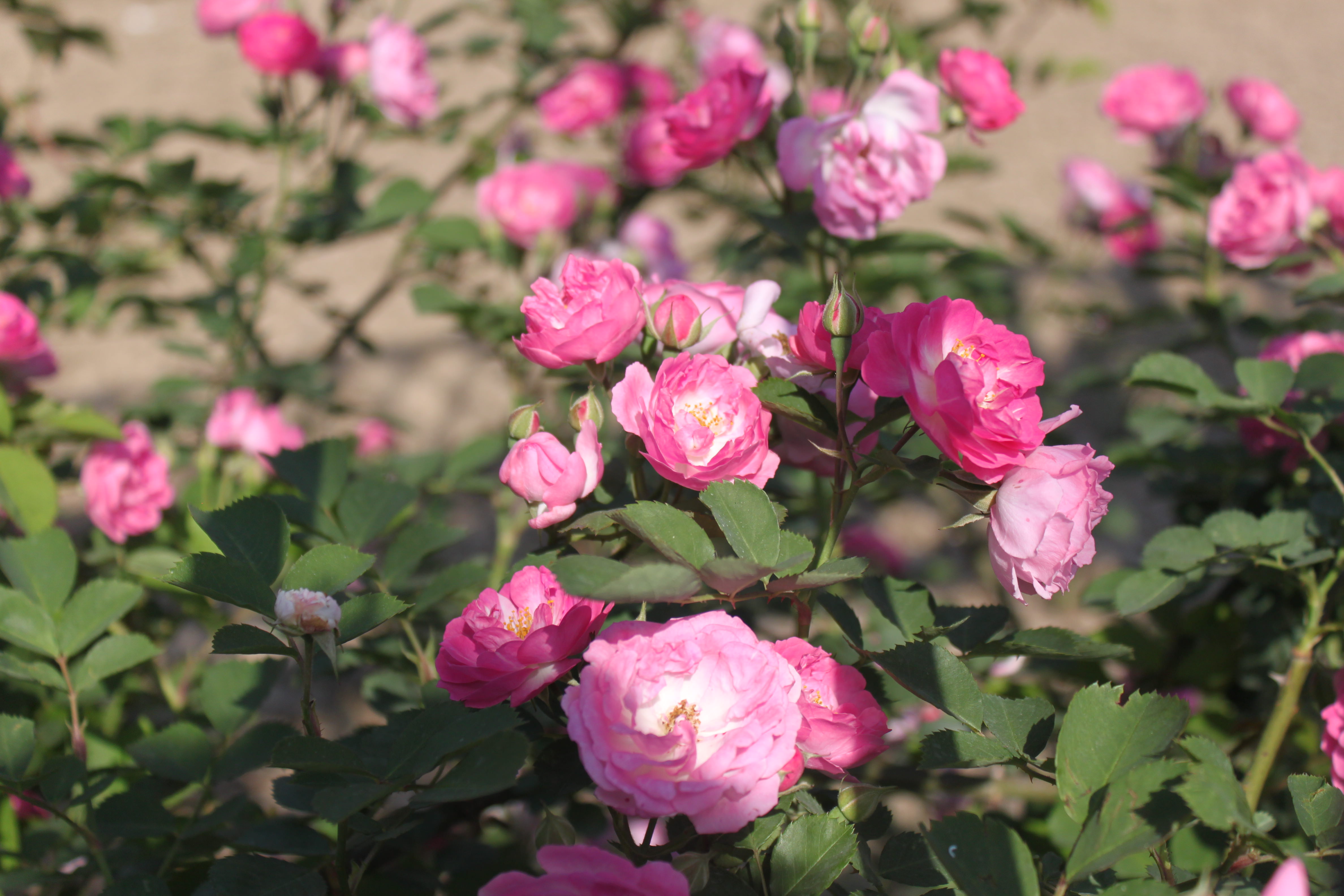
The Rose Garden had a distinctly English feel to it – in a formal Chelsea Flower Show kind of way with the type of metal modern pergola you see for sale at such events and a Classical temple in the middle of it all.  This all seemed a bit strange to me as these were all, I think, China Roses, but there is no accounting for taste.

IMG_4432IMG_4427IMG_4428IMG_4435


The Rosery and Other Patches of White Concrete

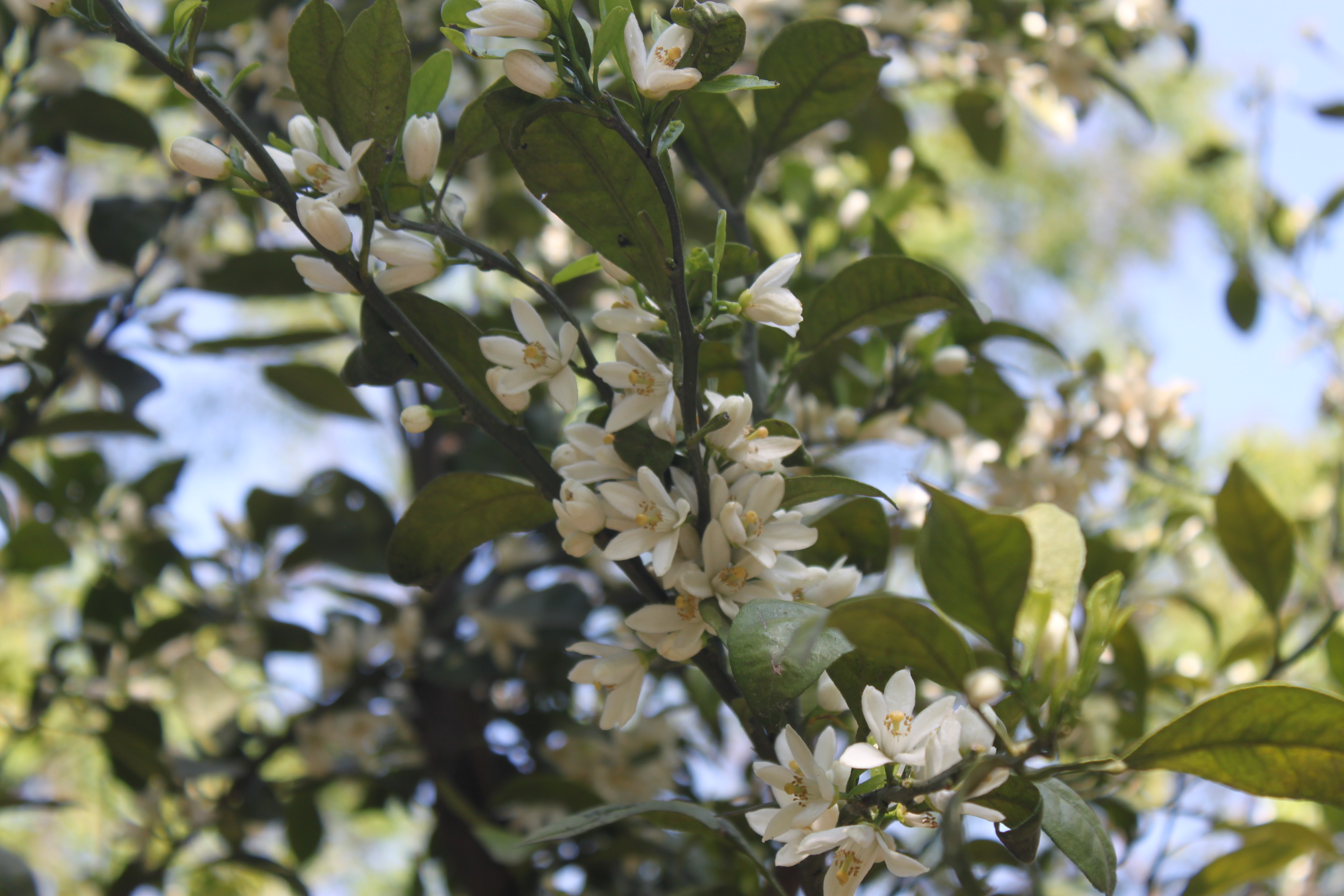
The Rosery had nothing to do with roses, as far as I could tell.  What it did have was a small enclosure of citrus trees, fenced off I presume to stop people picking the fruit.

Citrus flowers

Citrus flowers

Citrus fruit

Citrus fruit


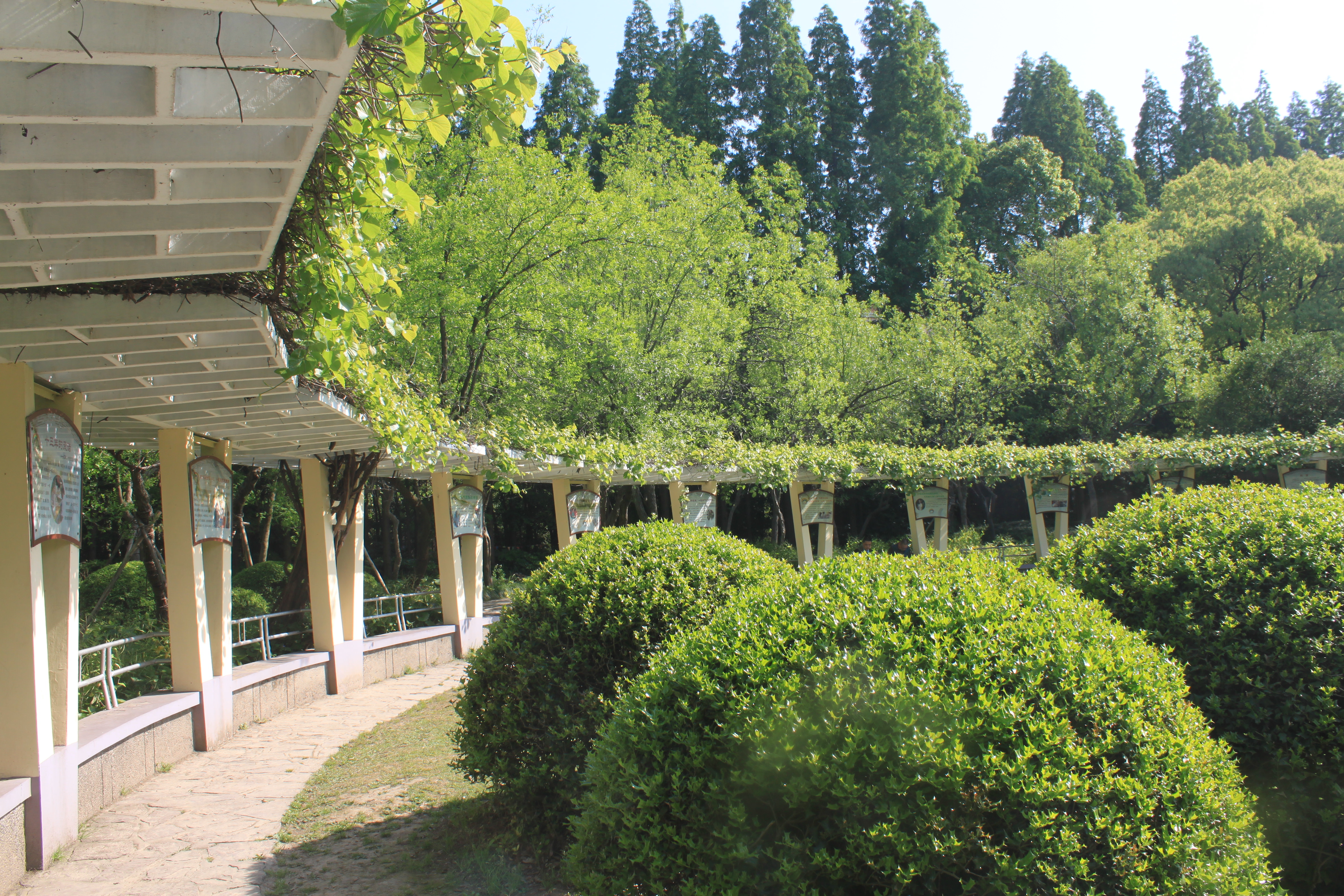
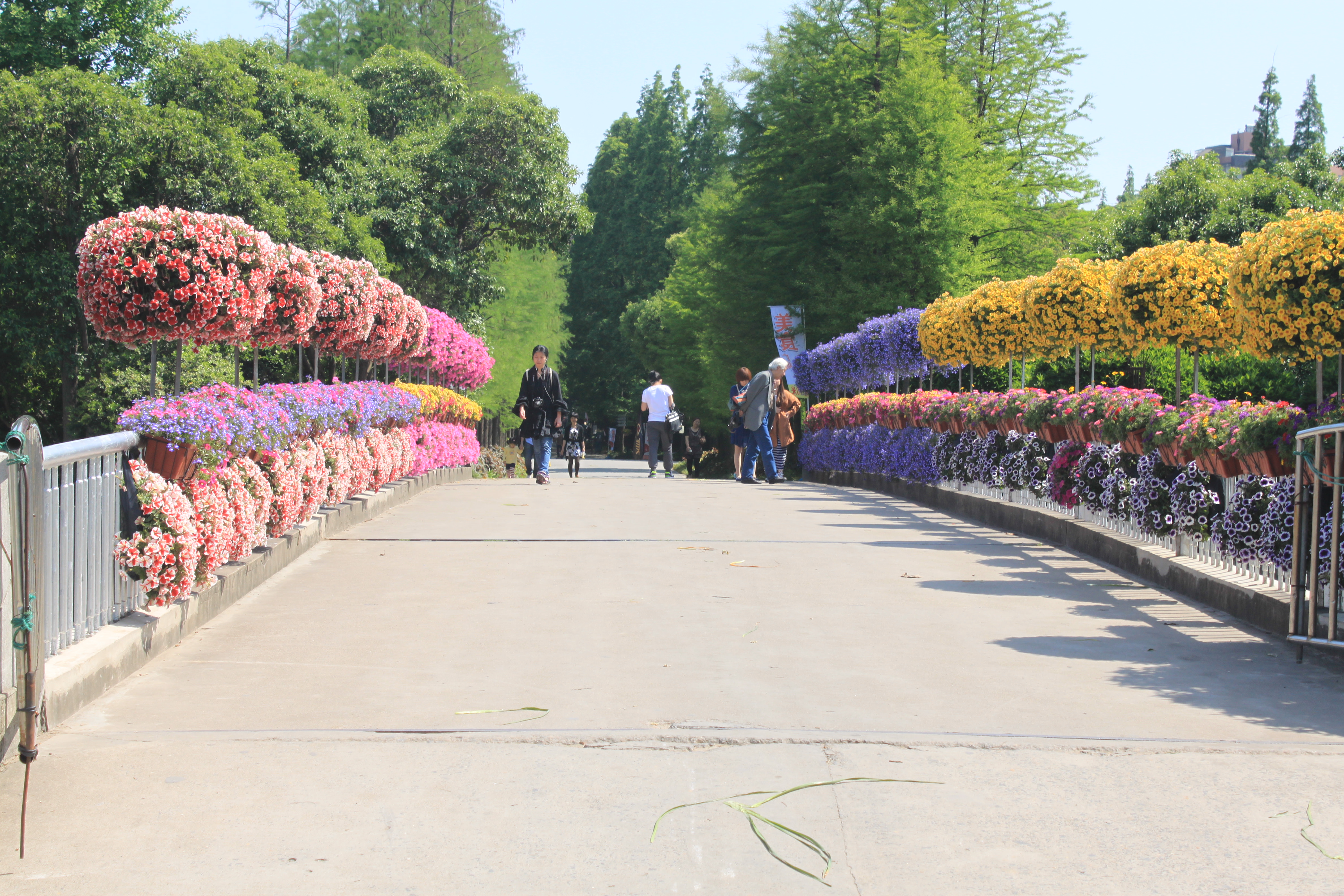
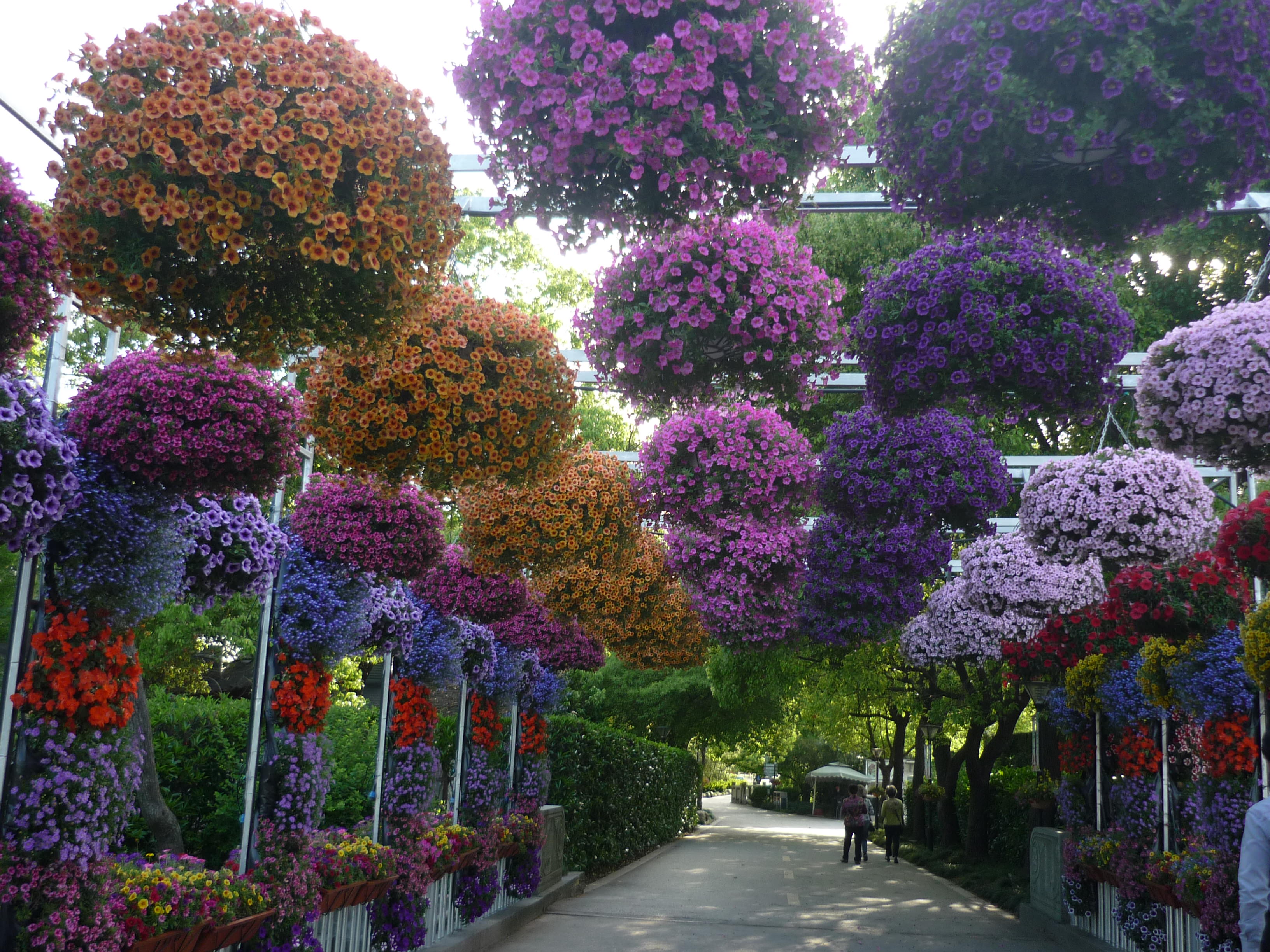
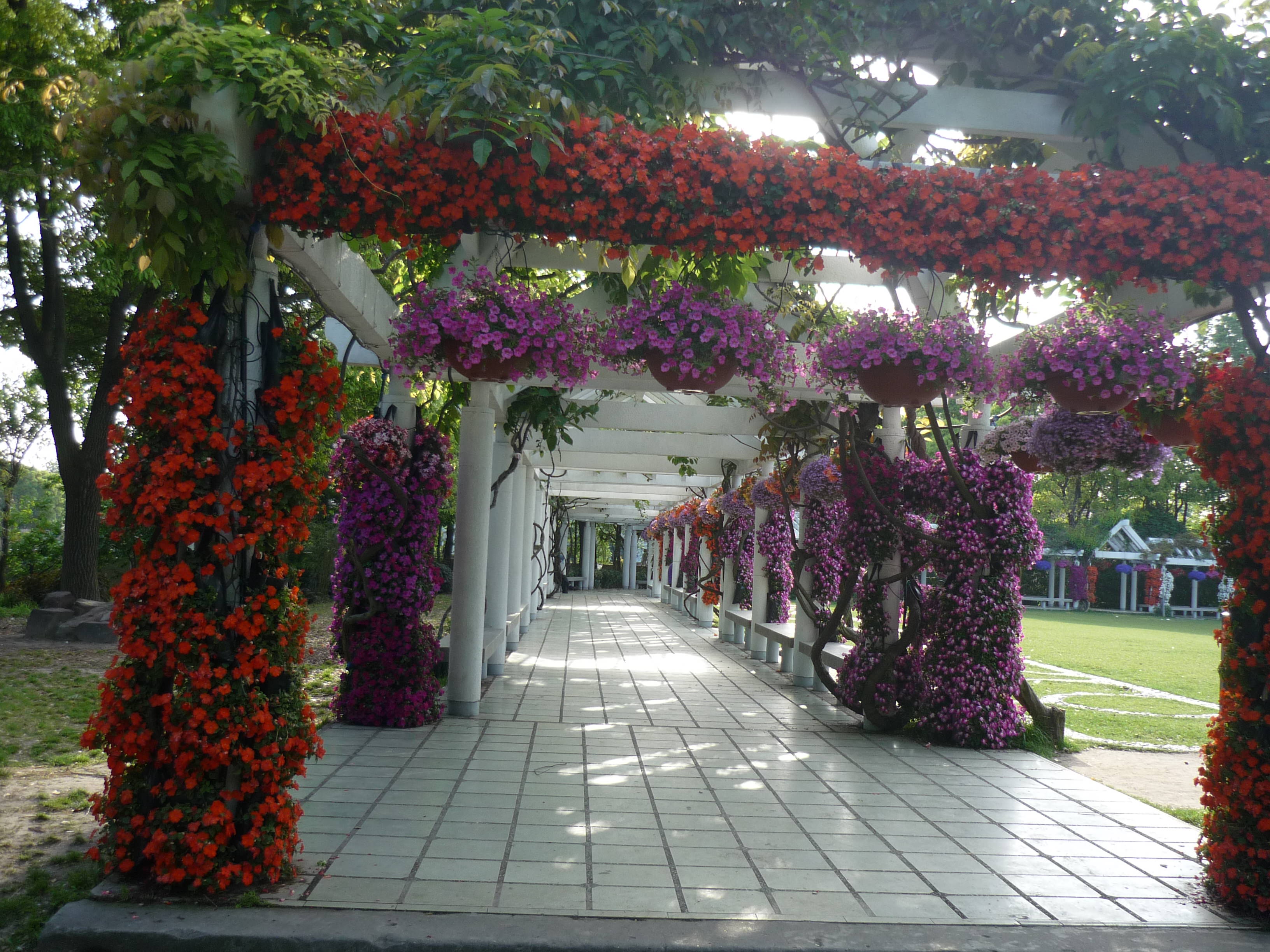
IMG_4419There were trees in flower and others in fruit at the same time. but their perfume did help me to solve the puzzle of the heady smell that we smelt in the hills of Fujian Province.  Perhaps roses once grew up the concrete pergola in this area – it was certainly an area of recreation, the musician and a Tai Chi group were busy here.  There were other white concrete pergolas in the gardens, all very 1960s in taste  – they reminded me sometimes of petrol station forecourt IMG_4445P1070750P1070758IMG_4440architecture of the 1930s and surprisingly, I rather liked them, and there was the odd traditional-style bridge as well.  There were white concrete bridges hung with masses of hanging baskets, which I think I would have enjoyed more if the colours had worked together a bit better, as in the last one of the four below.

IMG_4291P1070721P1070761P1070745


Someone in the garden did have an eye for colour co-ordination, though, as else where the use of colour was constrained and all the better for it in my opinion, but maybe that’s just because I am used to the more subtle light of the north.


IMG_4311IMG_4289

IMG_4352IMG_4264


IMG_4406 IMG_4262


Wooded Areas

The Botanical Gardens also had specific wooded areas such as the Pinetum and the Maple Tree Garden which also very beautiful

IMG_4295IMG_4420IMG_4452IMG_4458 IMG_4304 IMG_4402 IMG_4448IMG_4323

The Four Seasons Greenhouse (Conservatory 2)

The Four Seasons Conservatory

The Four Seasons Conservatory

P1070705

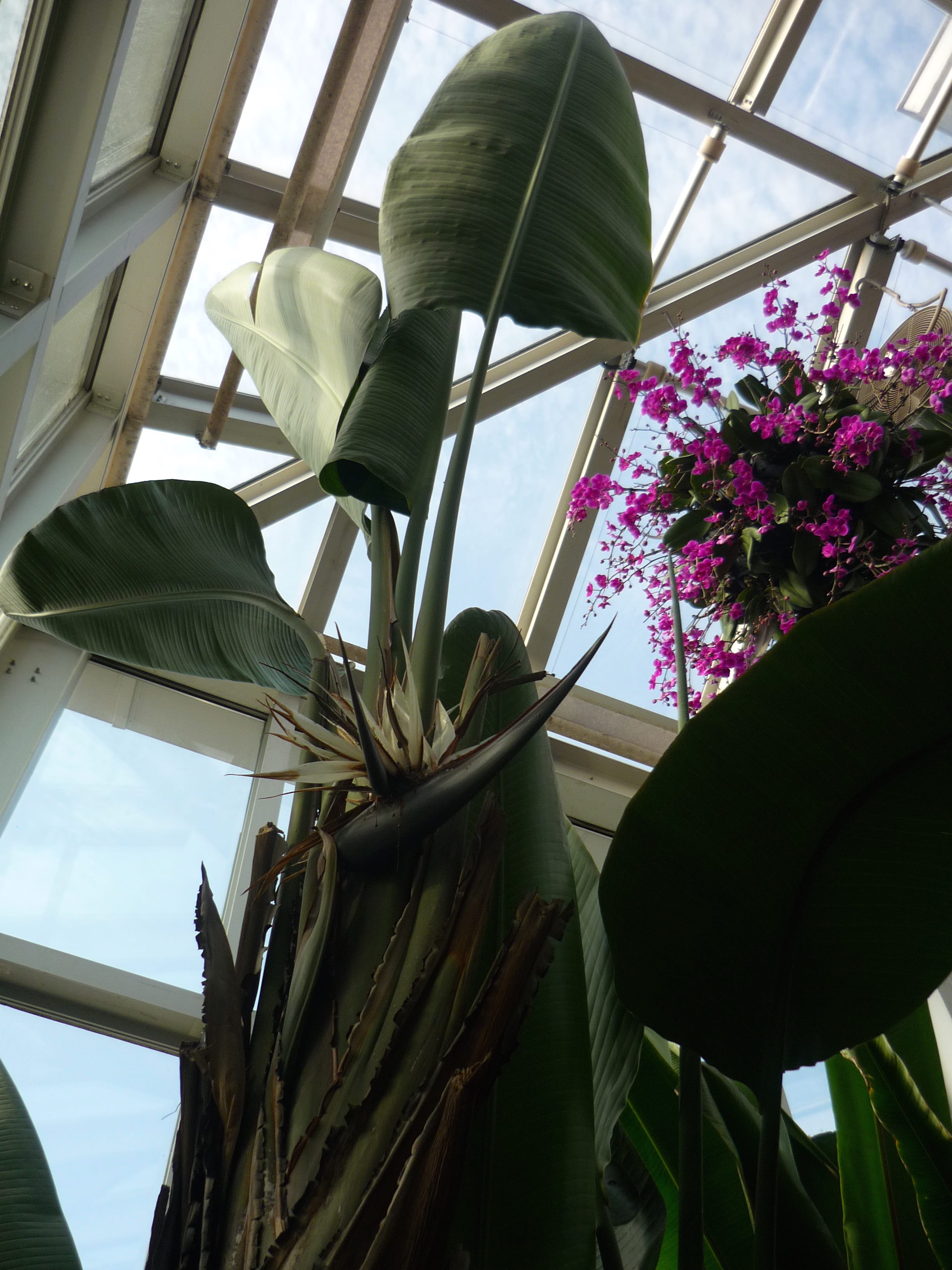
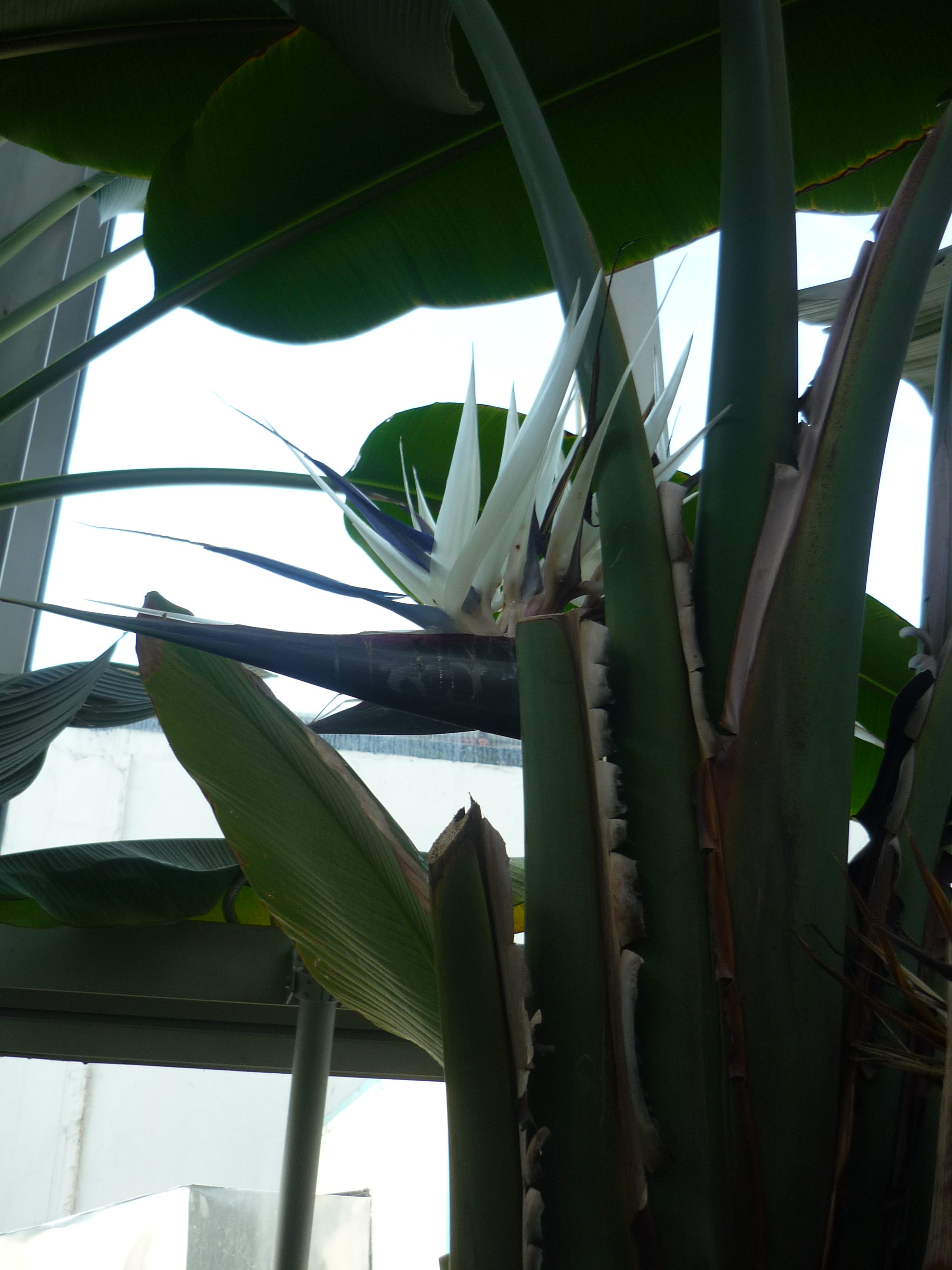
As well as the orchids in the conservatories which I’ve covered in another post, the Four Seasons Greenhouse was home to a variety of plants, including air root plants, a 2m high white and blue Strelitzia and this stunning red passion flower.  I think the name is a misnomer because it appeared to be displaying plants from various types of warm areas such as cacti and carnivorous plants rather than the four seasons as we would know it.

P1070718P1070703P1070717 P1070711 P1070701


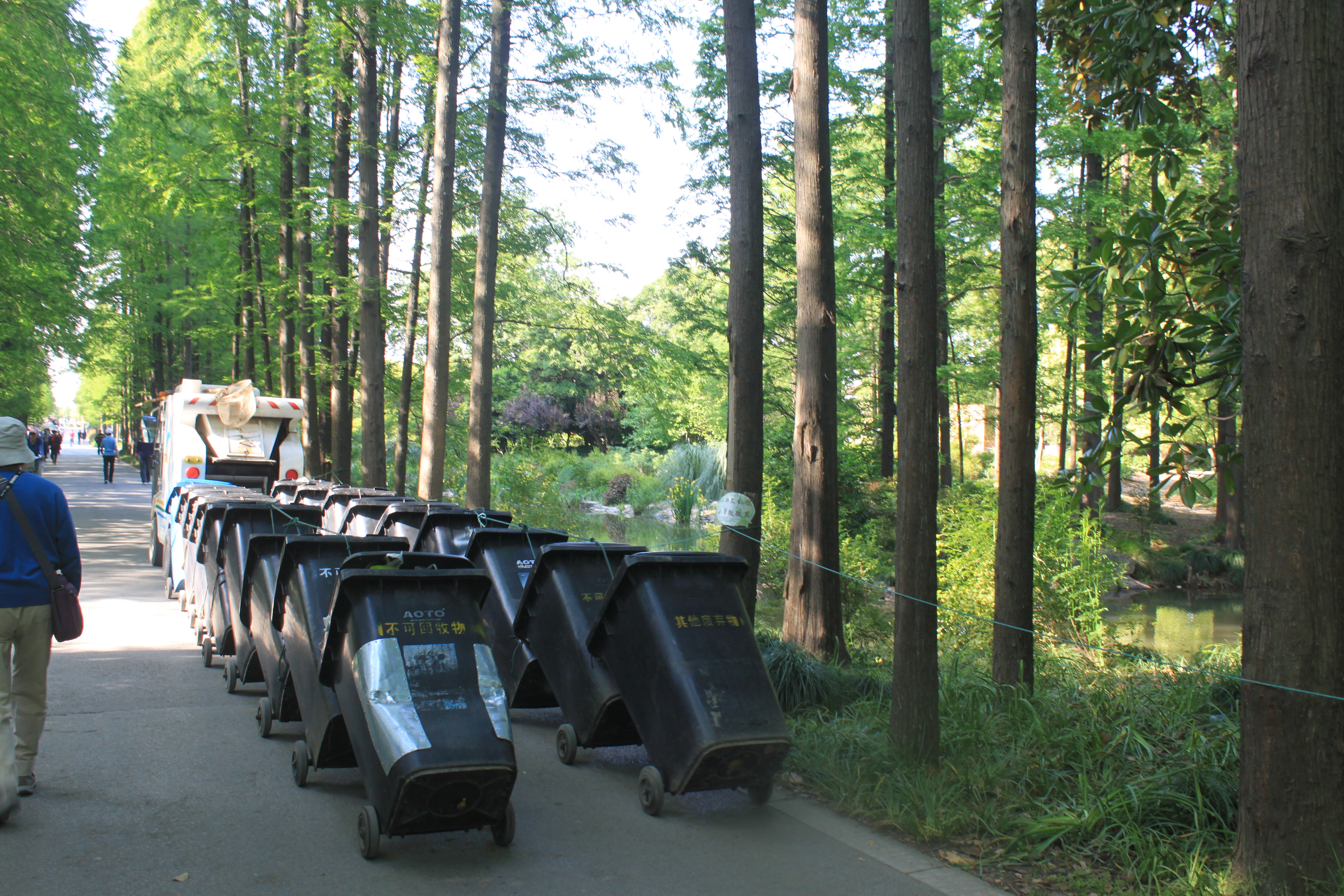
Around the park, gardeners operated in packs and wheelie bins were dragged around by a small truck in long connected tails.

IMG_4250IMG_4456 IMG_4487

There were many areas of the gardens that I did not visit such as the Osmanthus garden, the Maple Garden, the Bamboo Garden, the Chimonanthes (wintersweets) or Cherry and  Peach Blossom, as I ran out of time, energy and in many cases it was the wrong season anyway.


The Shanghai Botanical Garden Flower Show

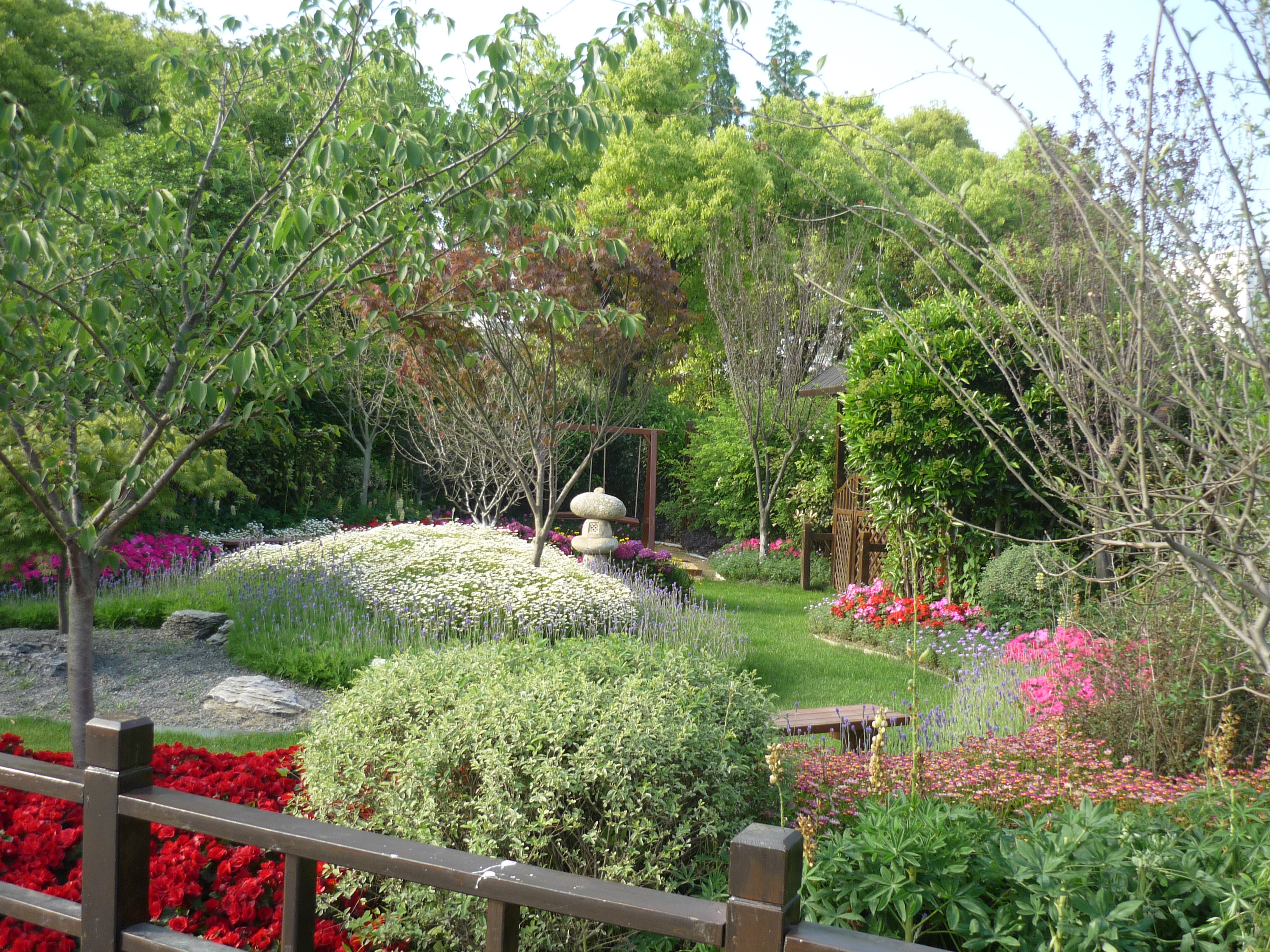
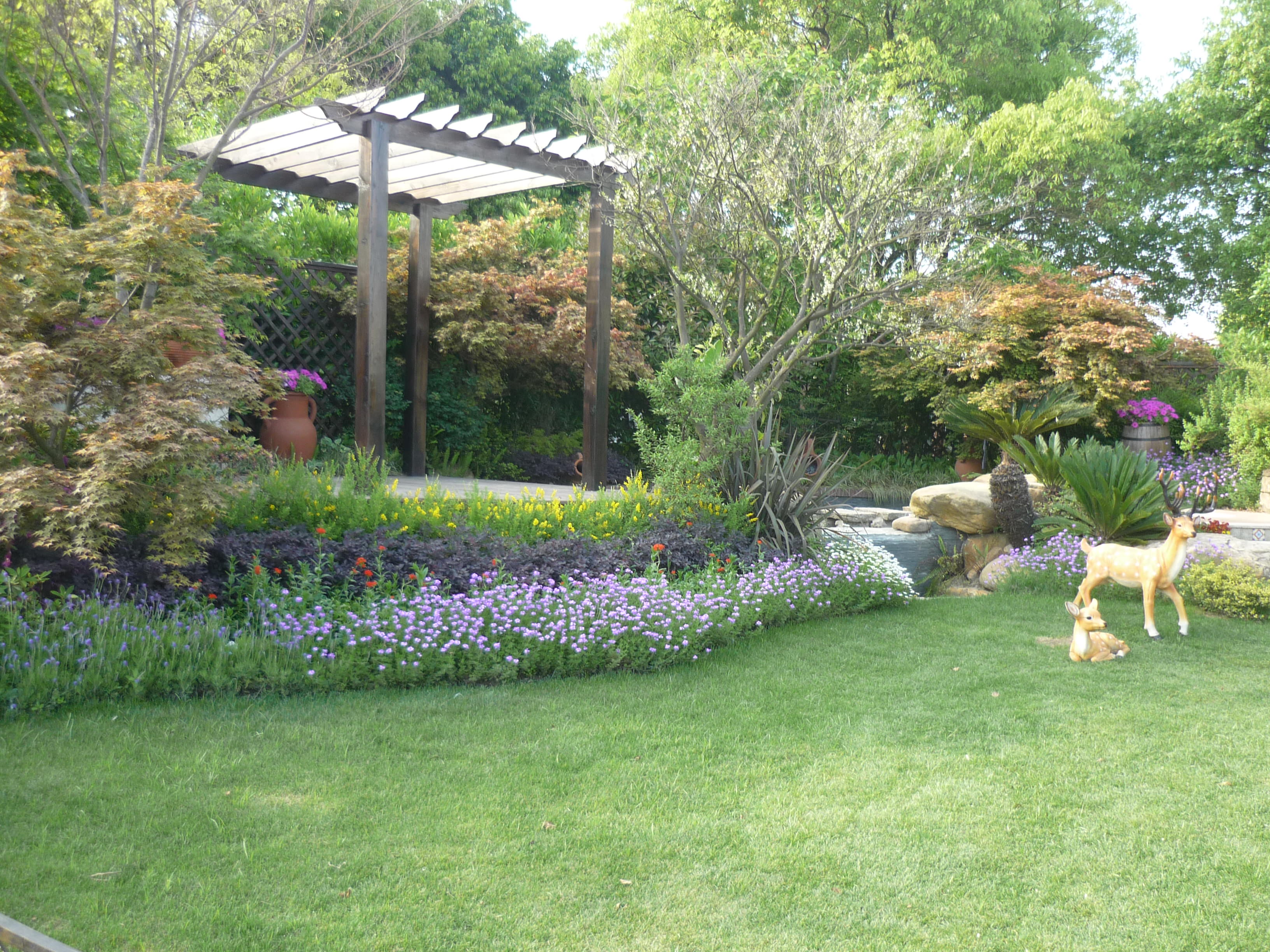
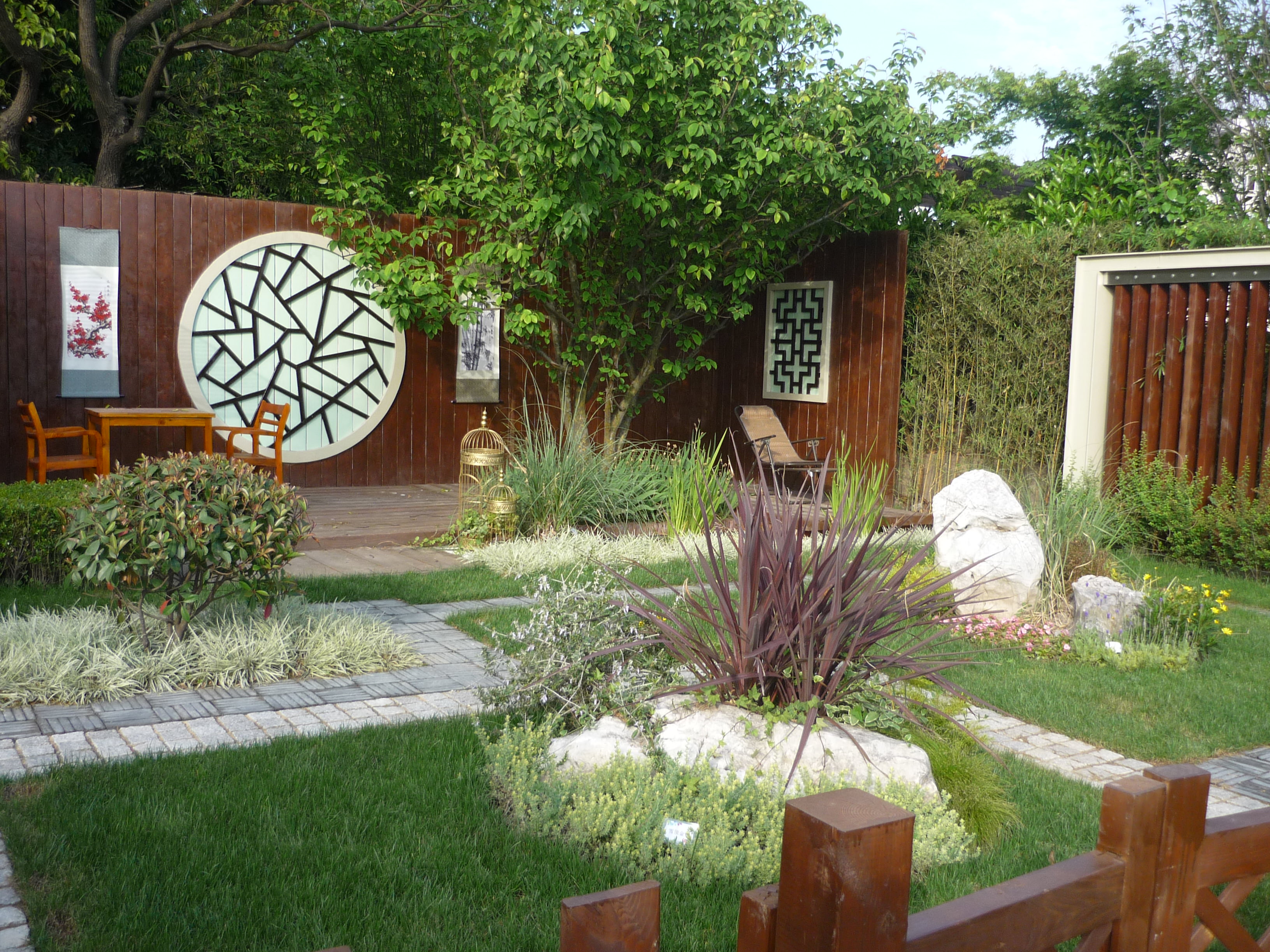
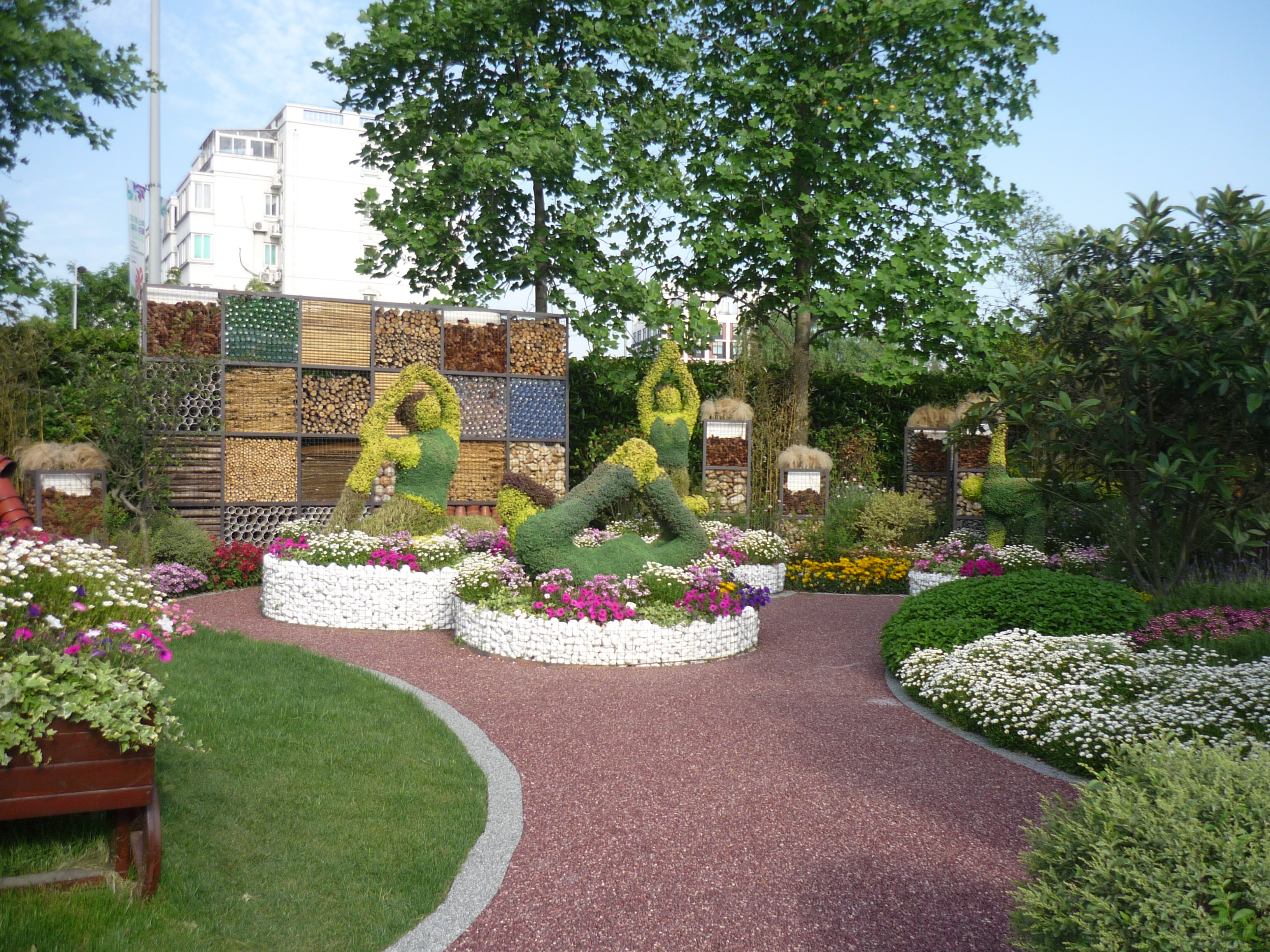
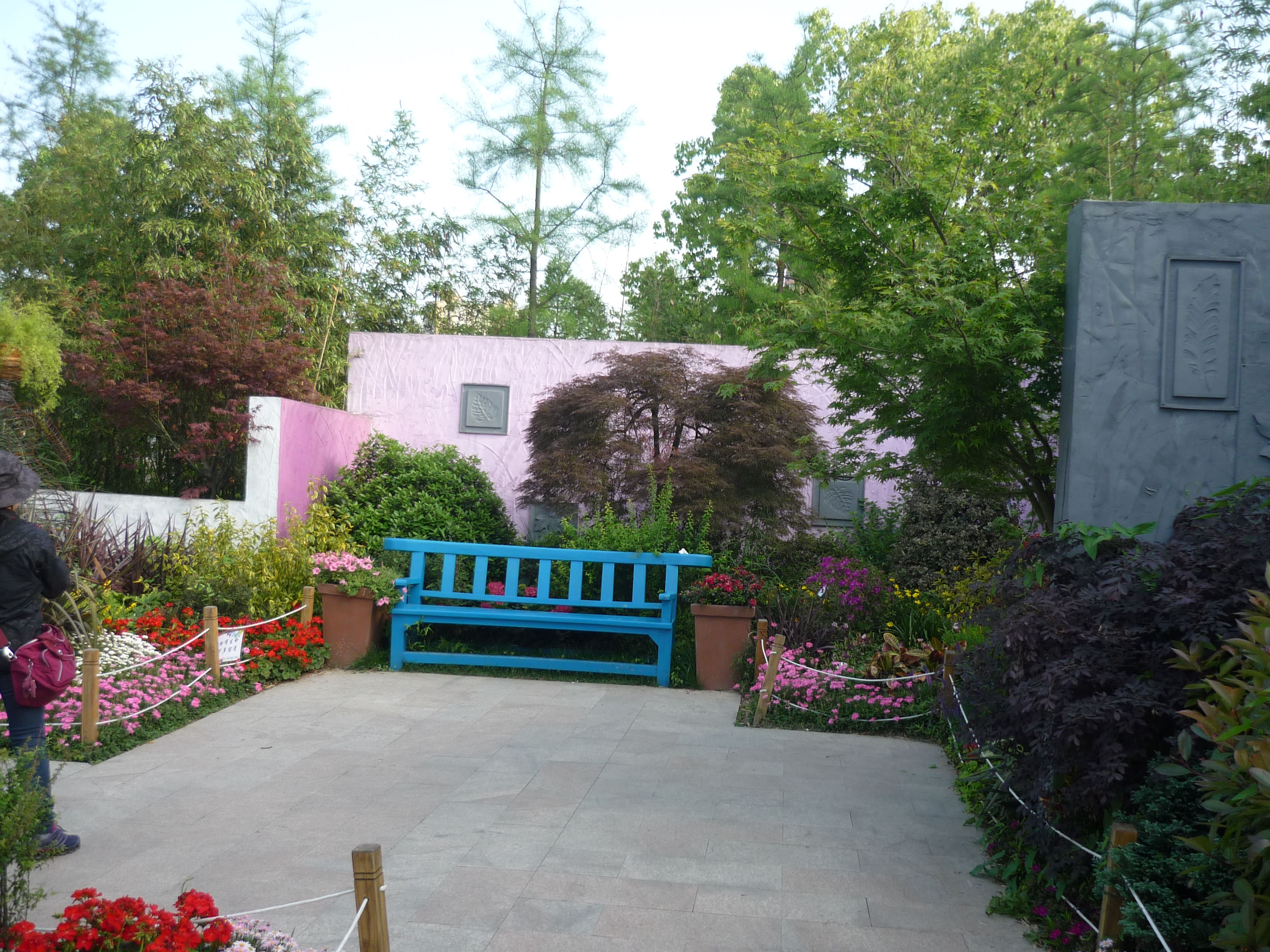
However on top of all this there was the Shanghai Botanical Garden’s equivalent of a garden show, with show gardens around the Park.  Unlike the show gardens at say Malvern or Chelsea Flower Shows these gardens were there for the season, so some of them may not have been at their best.  But there were some gardens here designed by international teams, such as the one from Lithuania and it was interesting to see what China liked about gardens.  There weren’t many of the gardens that I especially liked  – their use of colour giving me the most issues.  I did like these Japanese-style Gardens as they were a bit more subdued:

P1070743 P1070733

and these two for the same reasons:

P1070736 P1070739


but otherwise the general impression was of a design maxim of the more the merrier prevailed:

P1070740 P1070730 P1070727 P1070726 P1070723 P1070722IMG_4286IMG_4285IMG_4284IMG_4282IMG_4280IMG_4275IMG_4267IMG_4260P1070680IMG_4500IMG_4498IMG_4494IMG_4488

IMG_4269 IMG_4271 IMG_4272


Posted in Garden, Xuhui | Tagged | Leave a comment

Yongfoo Elite


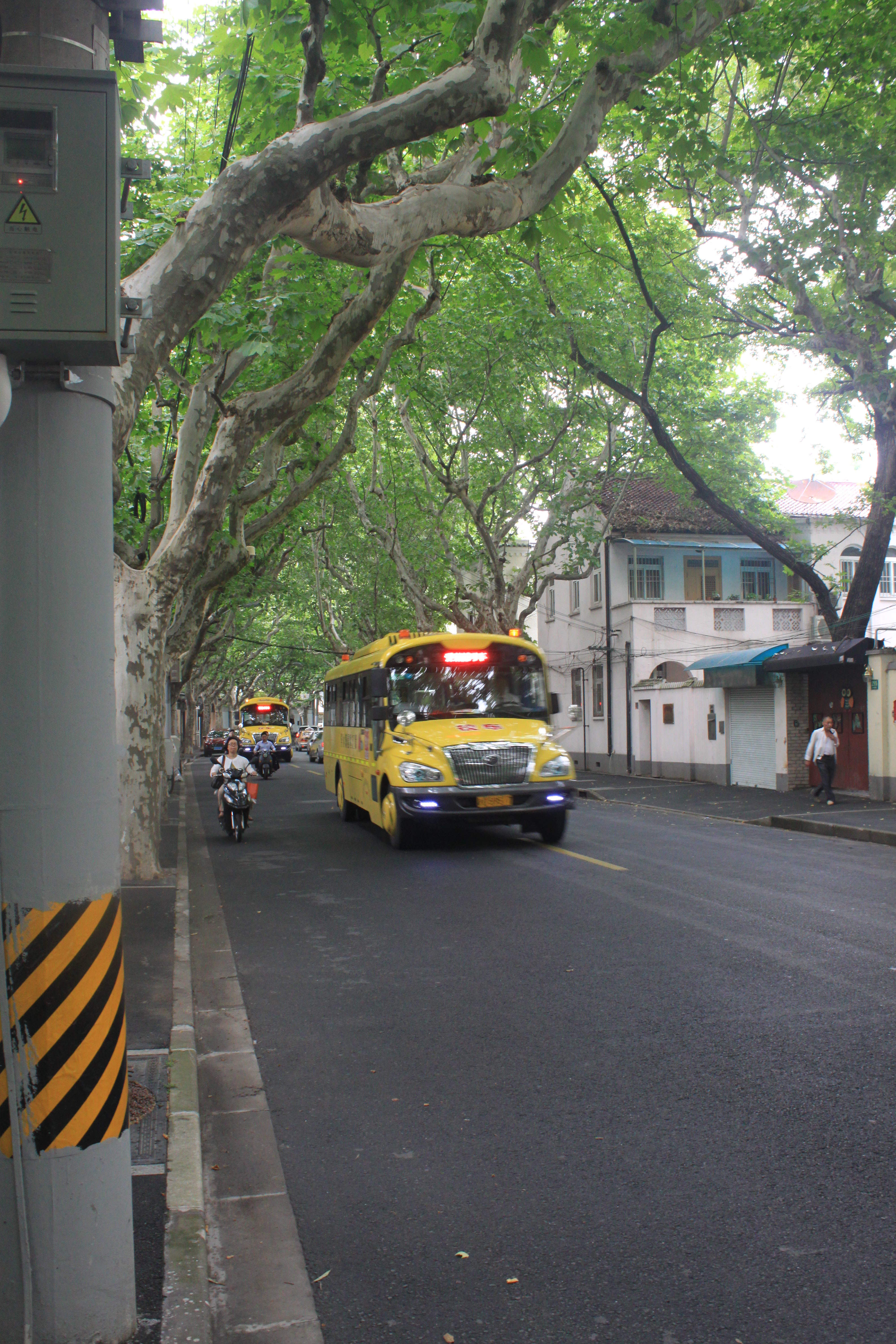
London Plane Trees on Yongfu Lu

London Plane Trees on Yongfu Lu

One day last week, on one of the many days when Richard was away until late (in fact he didn’t make it home at all that night, having had his delayed flight from Guangzhou cancelled at midnight, he ended up sharing a hotel bedroom with a Japanese businessman who it turned out lives not far from our apartment) I decided to solve the what shall I eat tonight problem with afternoon tea at Yongfoo Elite.

It’s not far from the Shanghai Library Metro station, but once you have turned off the busy main road HuaiHAi Zhong Lu (HuaiHai Middle Road) – the old Avenue Joffre, and still well known by that name –  you rapidly enter the different world of low-rise villas and quieter lanes.

German Consulate in Yongfu Road

German Consulate in Yongfu Road

At this time of year the London Planes throughout the Old French Concession are in full leaf and it makes some of the roads look as gloomy and inviting, if not as cool, as going through a wood on an off-the-beaten track road in Kent.    This area is the home to consulates; across the road is the German consulate and indeed Yongfoo Elite itself is in the former British

Looking back along the gated driveway

Looking back along the gated driveway

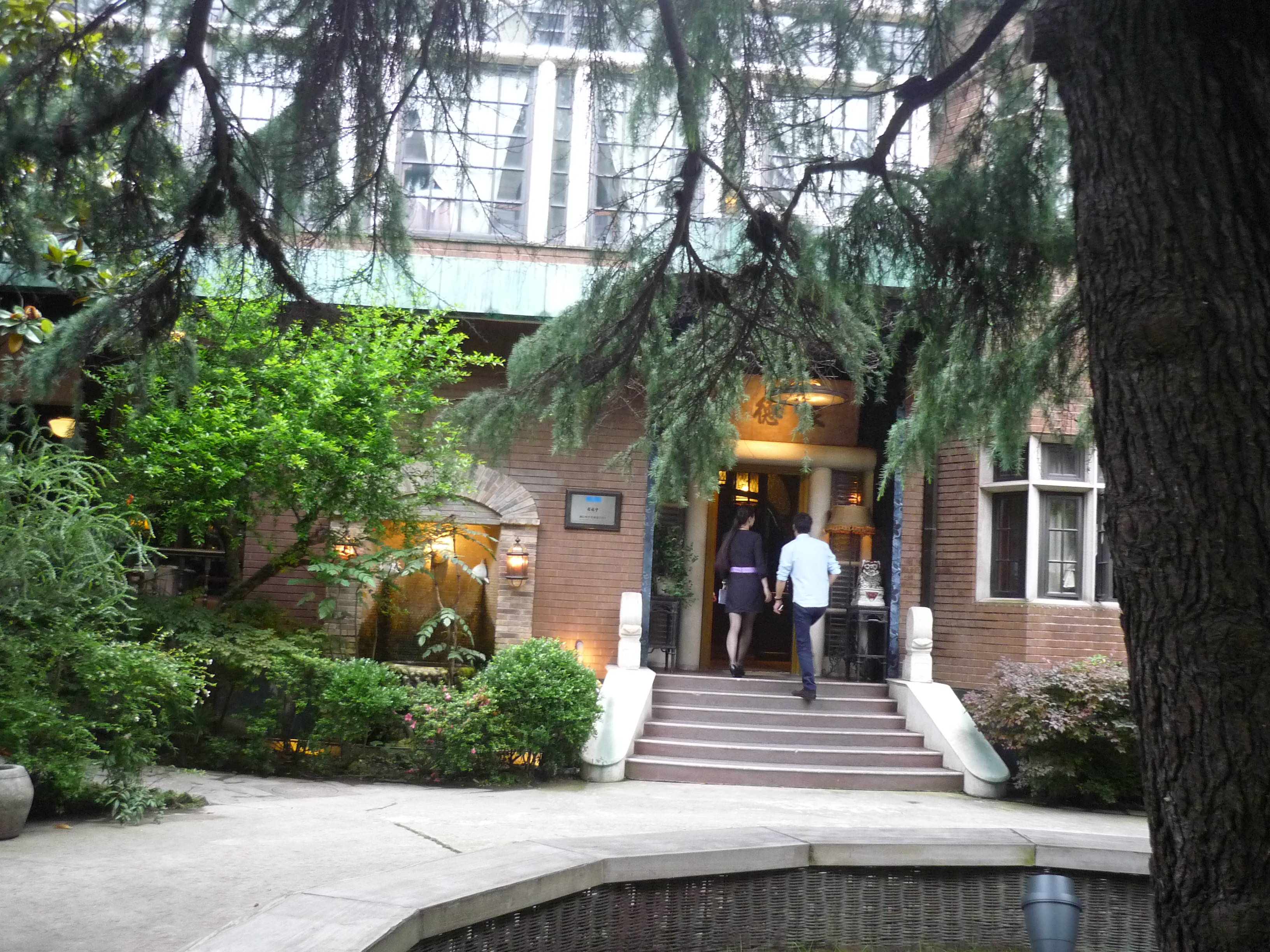
Front entrance of Yongfoo Elite

Front entrance of Yongfoo Elite

Consulate building.  After being relinquished by the British it was taken over by a retired Chinese fashion designer , Wang Zingzheng, who turned the gated grounds and building into a homage to 1920s Art Deco living.


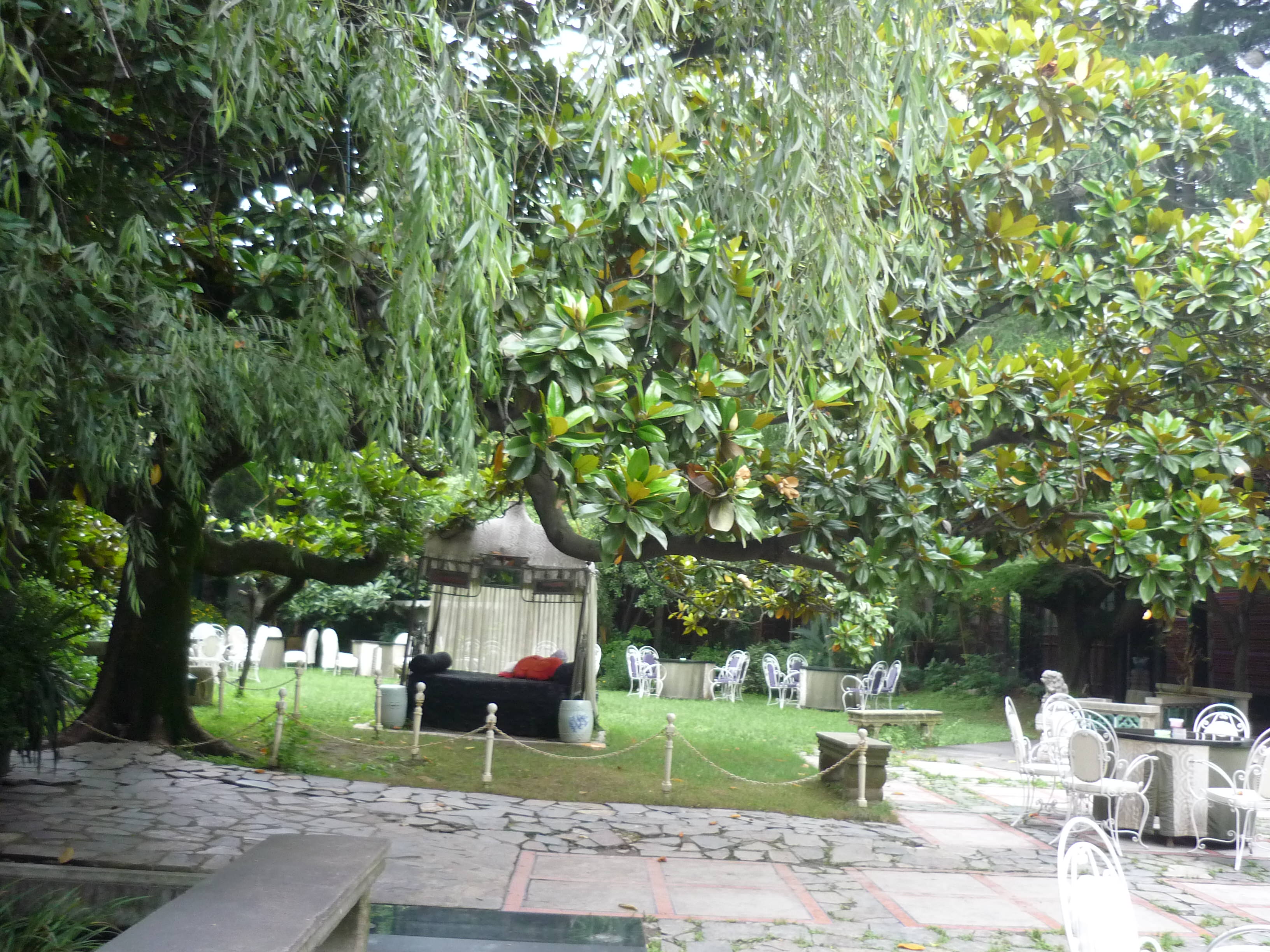
The Lawn at Yongfoo Elite

The Lawn at Yongfoo Elite

The grounds, planted with lush greenery with a sample of the flower of Shanghai the Magnolia grandiflora, a tall evergreen tree, provide a backdrop to an opium bed

Opium Bed at Yongfoo Elite

Opium Bed at Yongfoo Elite

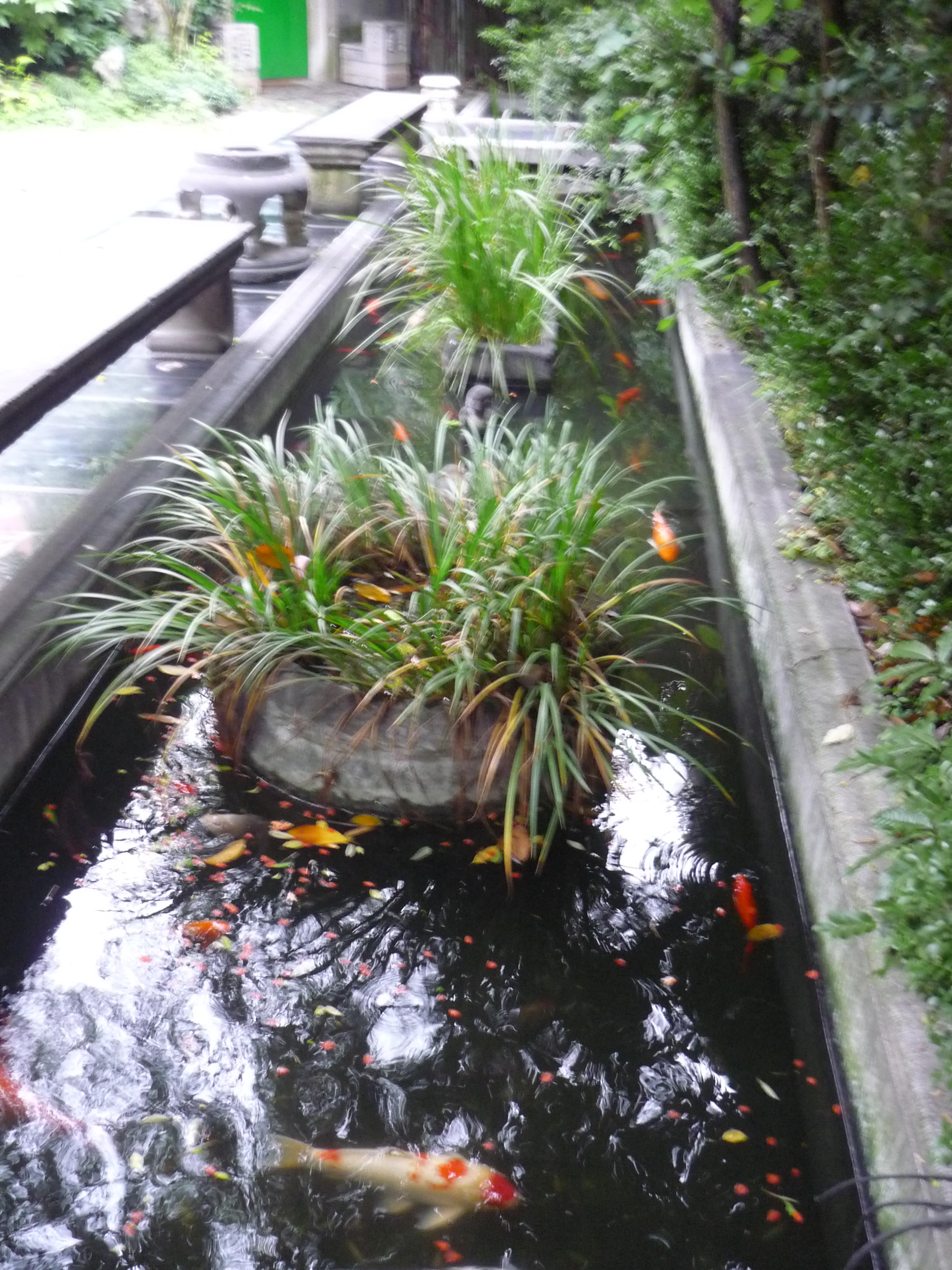
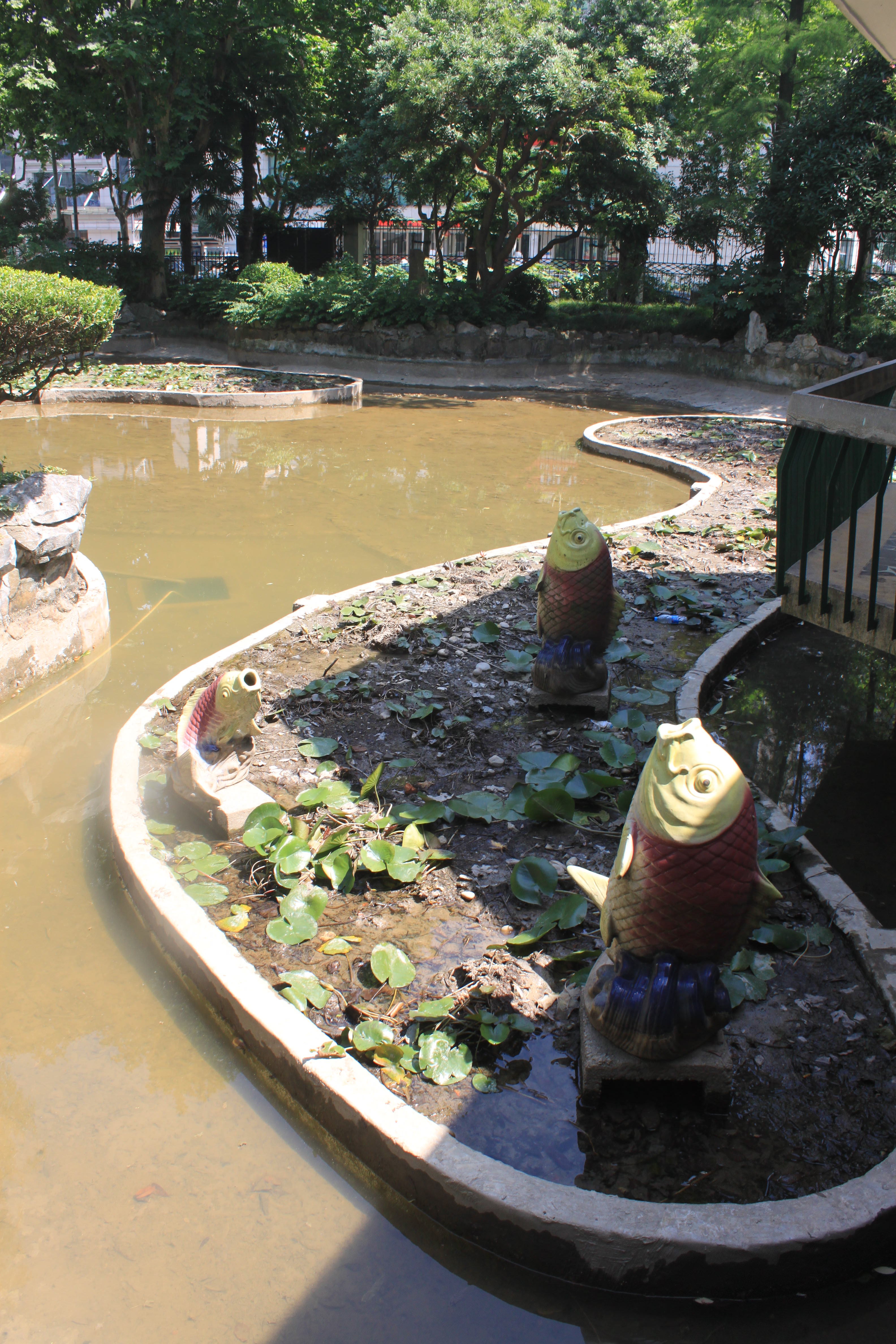
a fish pond filled with large carp

Fish Pond

Fish Pond

Golden Carp

Golden Carp


and an Italian style loggia along the garden wall all create a wonderful atmosphere and I imagine would be a lovely place to come for evening drinks.

Loggia

Loggia

Loggia looking the other way

Loggia looking the other way

As well as the Loggia in the garden, the house had a curtained verandah, a section of which seemed to be available as a private dining room – a feature you find in most restaurants here in Shanghai.  It all makes for a very atmospheric place.

Curtained verandah

Curtained Verandah

Private Dining Room on the Verandah

Private Dining Room on the Verandah


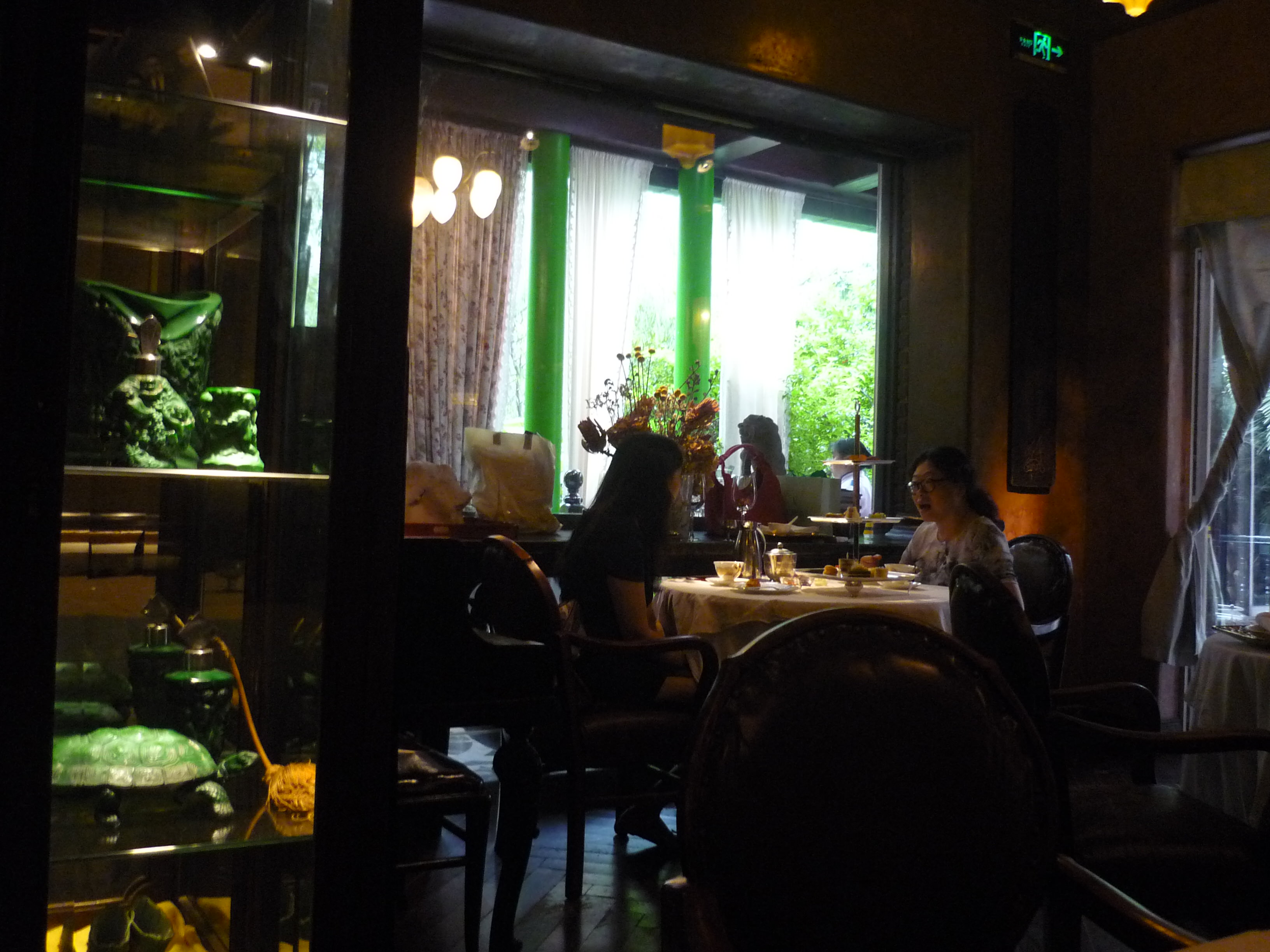
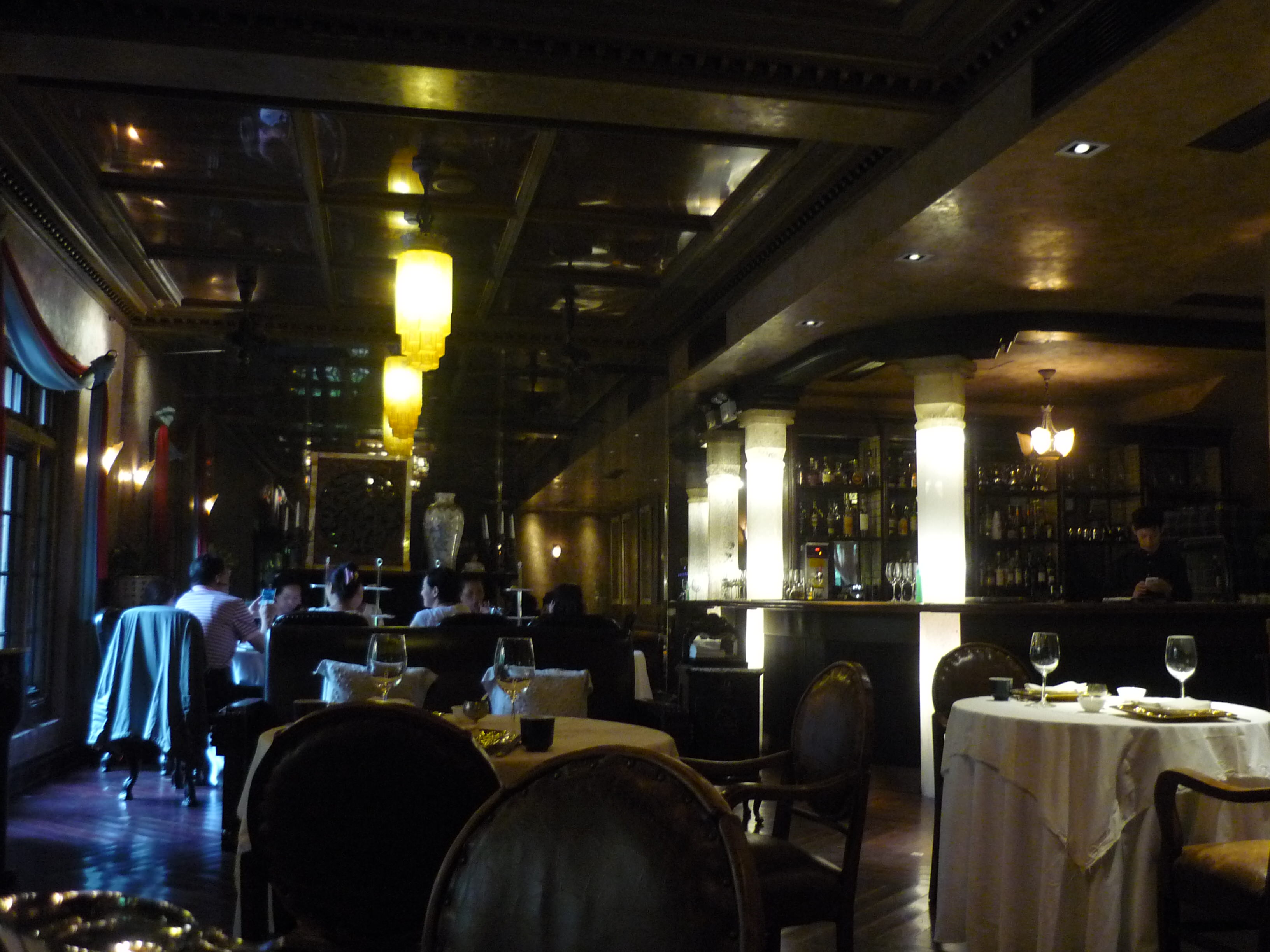
Inside, the dining room – there are I understand three bars as well – it was all rather gloomy, and as there was a notice saying no photographs I had to be somewhat discreet, even though the table of eight at the other end of the room were taking a number of pictures on their mobile phones.

Taking Afternoon Tea

Taking Afternoon Tea

The Restaurant at Yongfoo Elite

The Restaurant at Yongfoo Elite


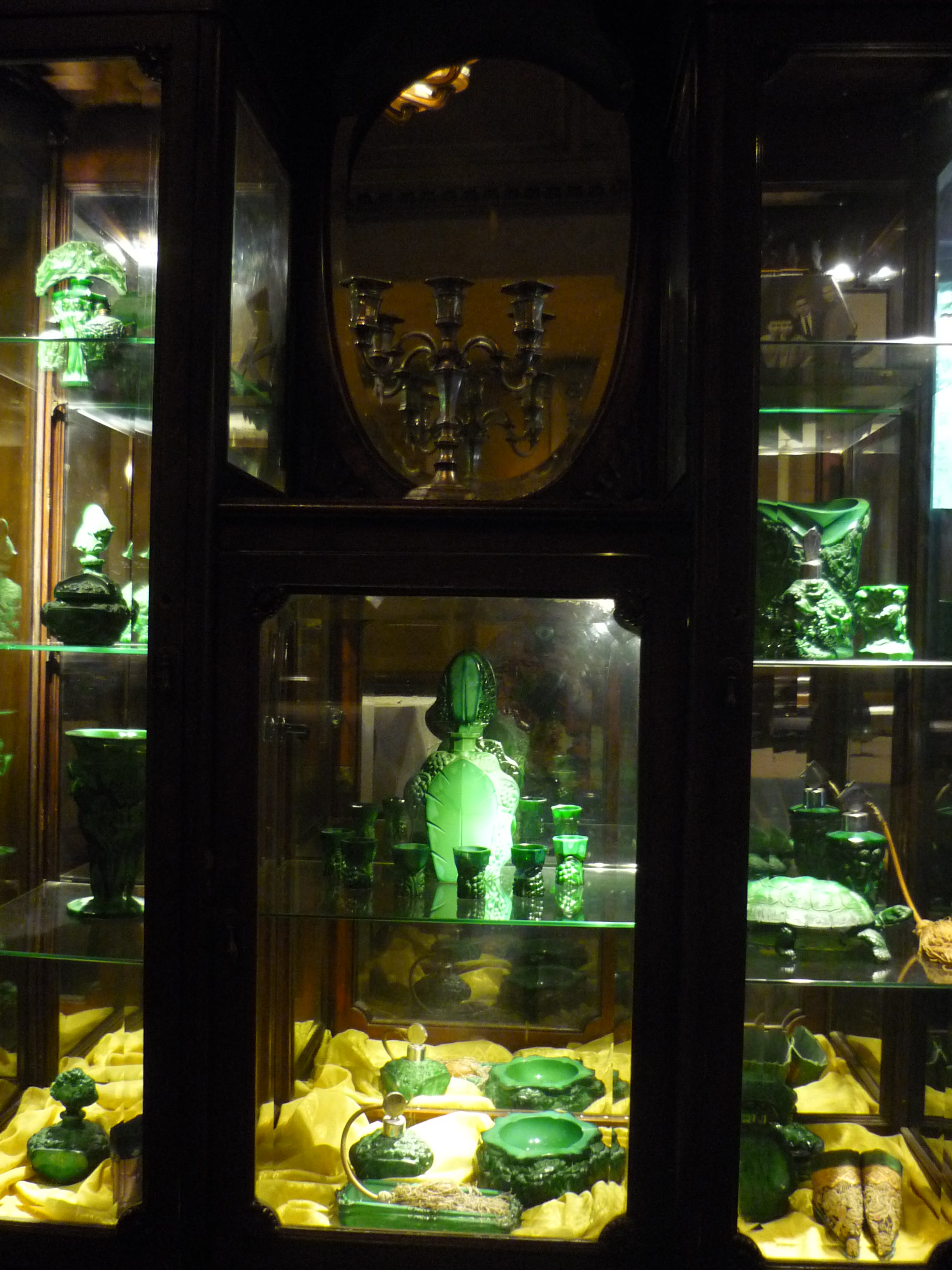
Display cabinet of green objects

Display cabinet of green objects

Next to my table was an interesting lighted display cabinet filled with green items from silk lotus-feet shoes to a carafe and glasses.

Lotus Feet Shoes (bound)

Lotus Feet (bound) Shoes


Traditional Chinese Tea Service

Traditional Chinese Tea Service

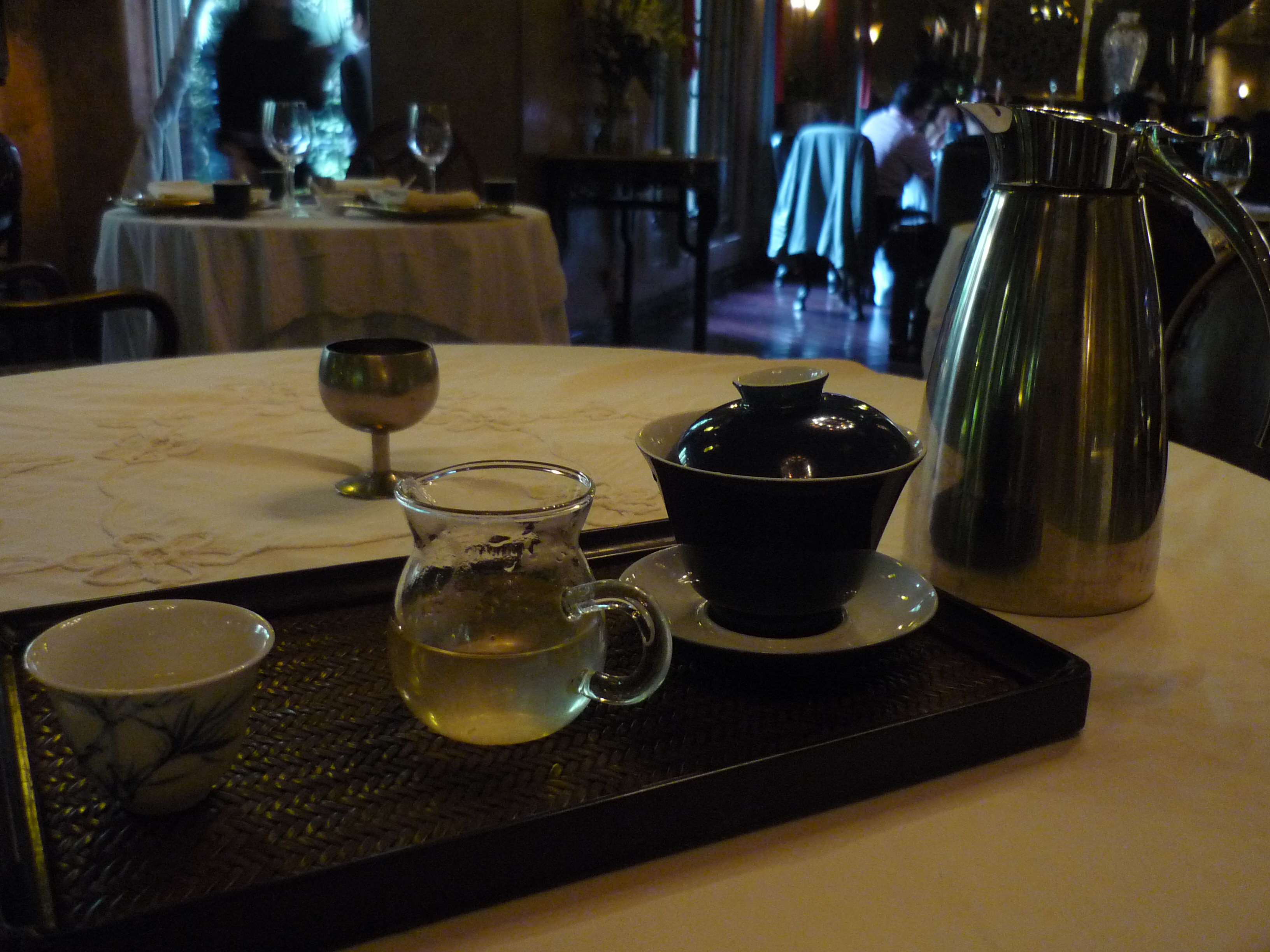
It was an interesting, and by that I mean unusual, afternoon tea, serving Chinese food, not Western, but in a semi-British way.  The tea itself ( I ordered green tea) was served on a woven bamboo tray, with a tea cup the size of an egg cup.  Next to that came a glass jug with the first washing of the tea already in it and next to that a lidded Gaiwan which contains the tea leaves and finally an insulated jug of hot water.  Once the glass jug of tea has been emptied, you pour the hot water into the Gaiwan, let the leaves steep for a couple of minutes and and then using the lid to hold back the leaves you pour the tea into the glass jug so that the tea that you drinks not brewed for too long.  In this way, tea leaves can have up to ten washings.

P1070932 P1070931 P1070930 P1070929


The Front Entrance to the Former British Consulate

The Front Entrance to the Former British Consulate

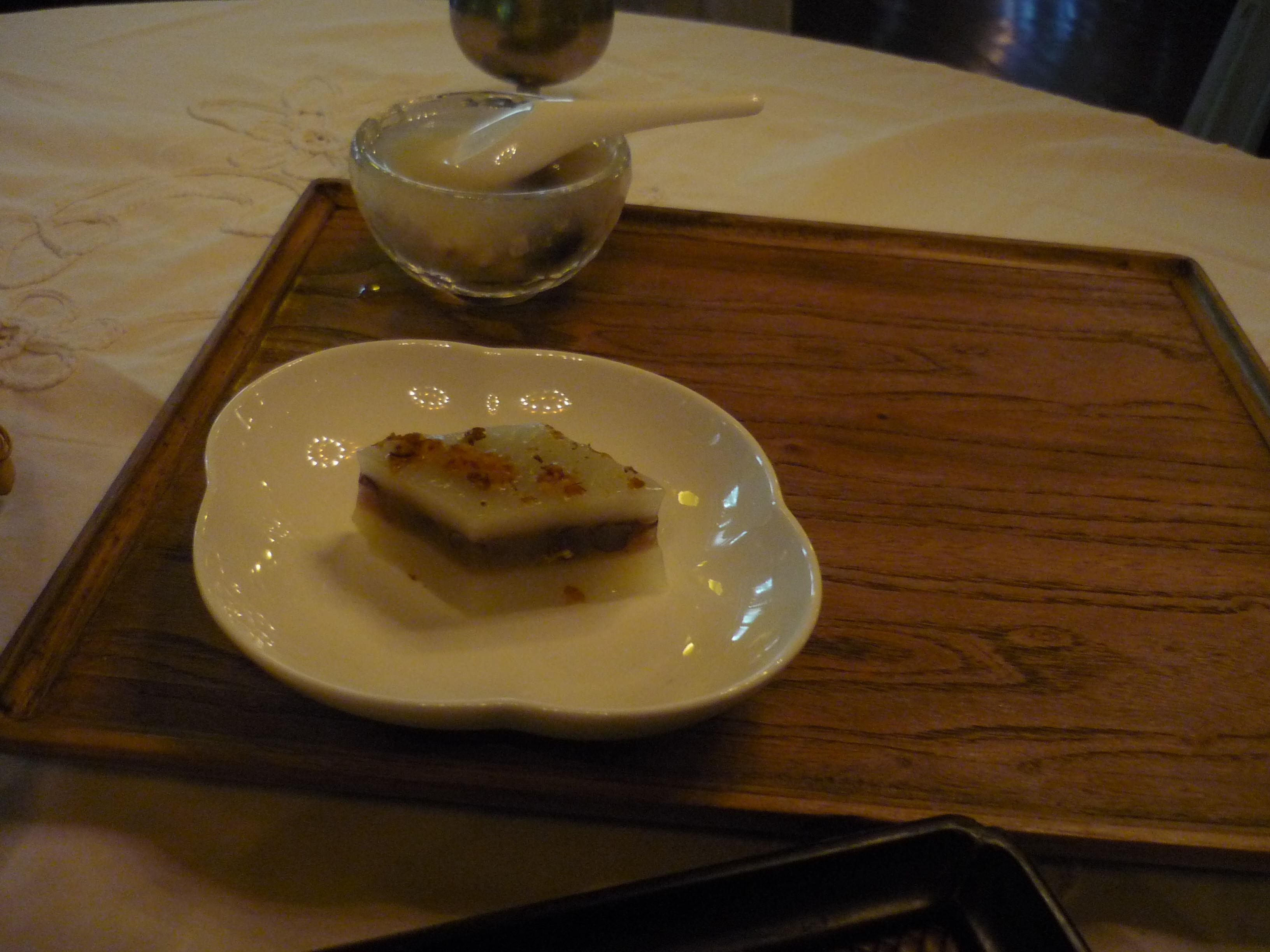
The food that it came with was Chinese and not the western food that I had expected for afternoon tea.  There was a rectangular rice cake with shredded seaweed which had been toasted, a pastry filled with red bean paste and another similar one that had been rolled in sesame seeds, together with a sweetmeat that tasted of asian pear.  A tiny bowl of sweet soup with what looked liked puff rice in it and bamboo woven basket hanging on a stand carrying three more cakes which I am finding it hard to describe.  None of the food was particularly sweet and one or two of these dessert dim sum were a little stale.

Yongfoo Elite Road Sign

Yongfoo Elite Road Sign

We have been told that the Chinese (who love Downton Abbey and all that) think that the British are highly elegant and have afternoon tea everyday.  Some parts have of the UK have (High) Tea everyday which of course is something different and something that Richard has had to explain to work colleagues what that is all about.  The whole experience at Yongfoo Elite came to the equivalent of about £20. I’m glad I did it, for it was certainly an experience and for me nowadays life is about experiences and not about acquiring objects, but I would seriously question my sanity if I went back there and had afternoon tea again.  And I wouldn’t go for a meal either – a fixed menu banquet for 8 to 10 people could set you back £1000.  Perhaps a malt whisky in one of the bars on a warm autumn evening – now you’re talking.


David Beckham Salesman Extraordinaire

David Beckham Salesman Extraordinaire

On the way back home on the metro I was confronted by another bit of British culture that the Chinese appear to love – the ubiquitous David Beckham, who seems to be a car salesman over here.

He is Ubiquitous

He is Ubiquitous


Posted in Restaurant, The Old French Concession | Tagged , , | 1 Comment

Dumplings, Gelati and Brunch

Hot, Steamy and Dark This Afternoon

Hot, Steamy and Dark This Afternoon

In the past week the weather has got noticeably hotter and more humid.  The English-language Japanese news channel we watch has told us that the rainy season has arrived ( a couple of days earlier than normal) so this seems to have been expected by most people.  I had no idea that the region had a “rainy season” per se, although our China guide does show that the average monthly rainfall rises to its highest in June, and declines slightly successively in July, August and then September, before falling away dramatically in October to a dry season that lasts really until the end of February.  We have now started running the air conditioning and the temperature will now rise to a maximum in July before then gradually falling away.  The guidebook describes the summer weather as “hot, humid and sapping with sudden epic rains” and this afternoon the rains have darkened the skies, but it is not like the heavy rapid bucket of water style tropical downpours of Hong Kong which come and go in torrent of water that means you can’t see across the road.  This is long and persistent rain from a front overhead where the warm tropical rain is fighting for supremacy over the colder air of the north.

Jia Jia Tang Bao

Jia Jia Tang Bao

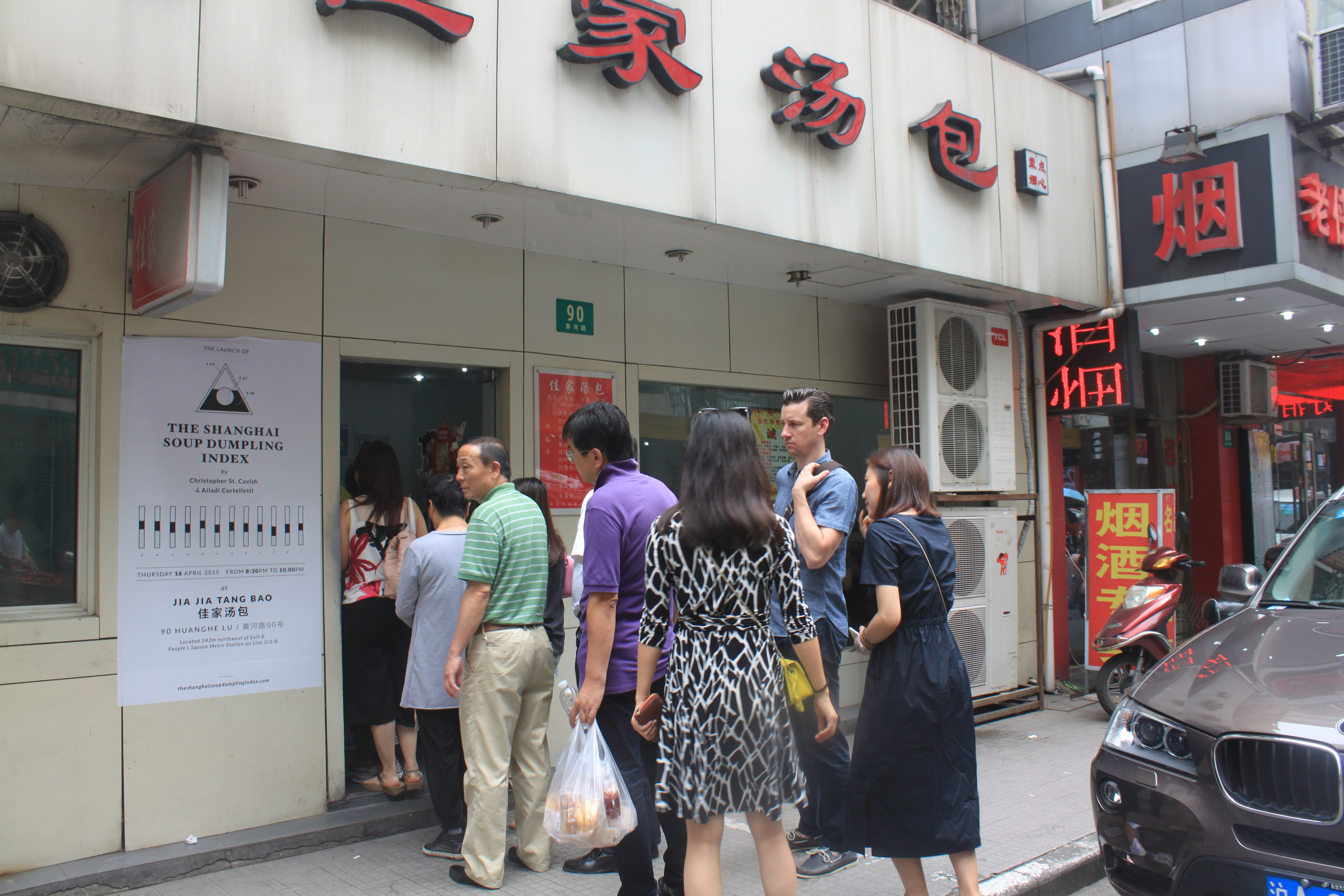
At the weekend we met up with friends from Hong Kong who were visiting Shanghai and their daughter, Lizzy, said that it wasn’t hot here at all.  But I’m not finding that to be the case.  The family have been to Shanghai before, so there were a couple of things on their list that they wanted to do and we joined them to have Xiao Long Bao at Jia Jia Tang Bao at 90 Huanghe Lu, a dumpling shop opposite the Art Deco shopfront of Yang’s Fried Dumplings.

The Shanghai Soup Dumpling Index

The Shanghai Soup Dumpling Index

It’s a small cafe and at 11.45 on Saturday morning there was already a queue outside, but we didn’t have to wait particularly long to get a table.  Outside a poster had been put up by a particularly geeky foodie who has gone around all the xiao long bao restaurants in the city and measured the “quality” of each establishment’s dumplings.  He did this by measuring the total weight, the weight of the soup, the weight of the soup and the thickness of the skin, and assign a score by applying their own formula:

[(Filling + Soup / Thickness of Skin) x100]

representing  “the quality of structural engineering” of the dumpling and rating them as A, B or nothing at all.  It’s upset quite a few people in the city, because it only

Shanghai Dumpling Index

Shanghai Dumpling Index

superficially measures texture and it has nothing to do with the flavour of the dumpling, which surely is what food is all about.  You can buy a map and guide to the “best” dumpling restaurants in town, which of course is what this whole gimmick is all about.

The Jia Jia Tang Bao café won’t take your order until a table in the small seating area comes available, but as I’ve said we didn’t have to wait too long.  We ordered pork dumplings and pork and crab, there

Devouring Xiao Long Bao

Devouring Xiao Long Bao

being no chicken ones left  – they must have gone at breakfast time.  A round of drinks all round, a dish of ginger and soy each, vinegar in a teapot and a spoonful of chilli to add to your tiny dish if you so wish and once the steamers with the dumplings start to arrive you tuck in.  The steamers had the unusual addition of what looked like hay mats added on top of the steamers inner shelf – we presumed to add flavour.  The dumplings are lifted with chopsticks (once you think they have cooled

The Match-Makers Market

The Match-Makers Market

down enough) into your tiny dishes of additional flavours and a small bite into the dough allows you to suck out the soup.  It’s not a particularly delicate operation and can be messy if the dumpling is too hot or your chopstick skills inadequate.  A bowl for disasters is also supplied.

After lunch we went through People’s Park – passed the elderly ladies with their umbrellas in the match-making market

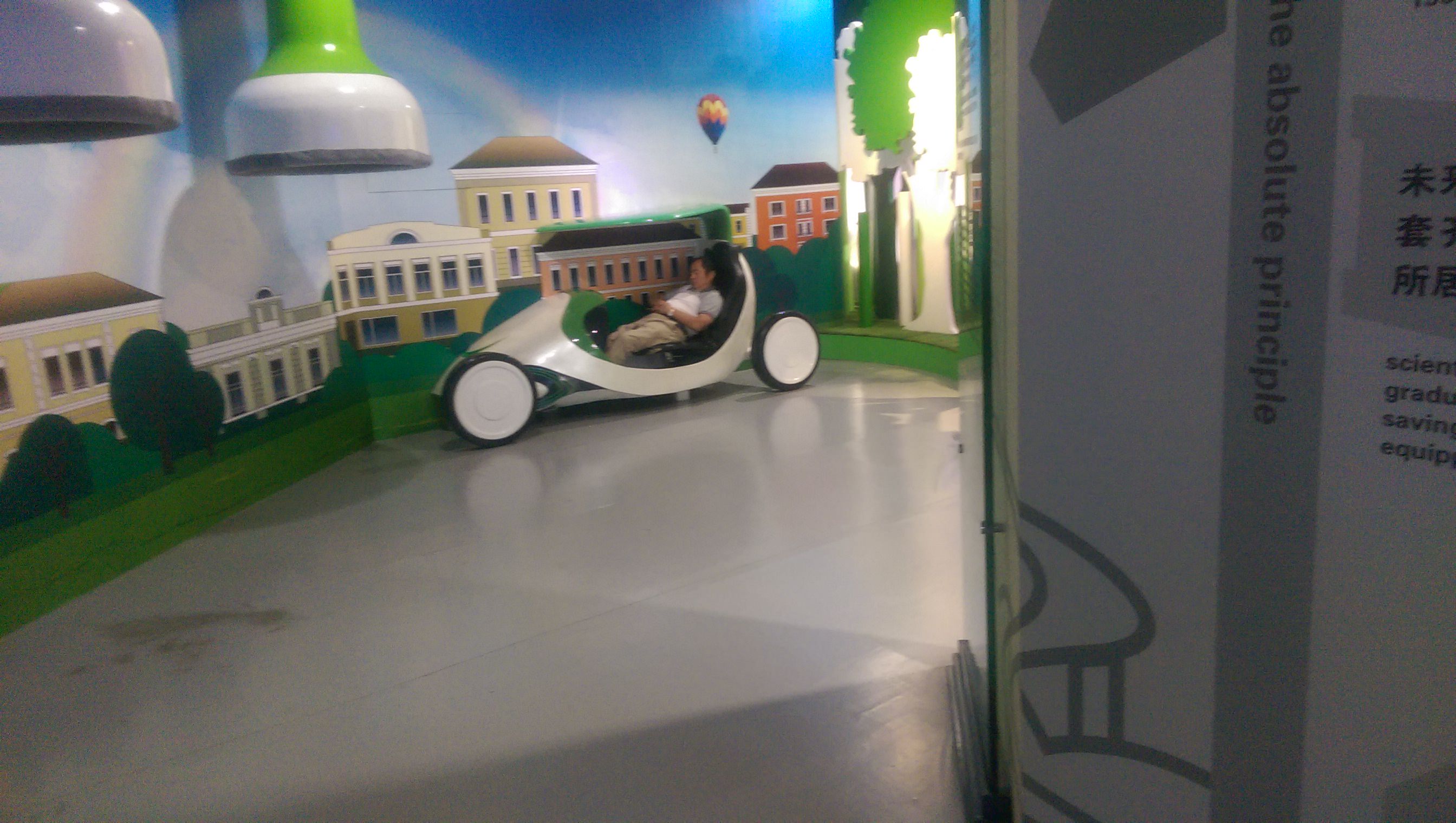
Asleep inside an Exhibit

Asleep inside an Exhibit

and onto the Urban Planning Museum at the other end of the Park, where Richard snapped someone taking a nap inside one of the exhibits.

(If you are following any of the above links don’t worry that I have sent you to a Blogger site rather than this WordPress one.  I reached my maximum free limit with WordPress sometime ago and I have been having to cut and paste old blog posts into an archive on my Blogger account in order to write new stories.  It’s time consuming and a pain, but I actually prefer WordPress as a blogger’s website, but I’m blowed if I’m going to pay to do it……)


Round-bottomed Glasses at the Gelateria

Round-bottomed Glasses at the Gelateria

Interesting Gelati Flavours

Interesting Gelati Flavours

We ended our afternoon together with a walk through the heavily shaded streets of the Old French Concession, ending up at an Italian Gelato shop, La Creme Milano, where we were automatically given some water in some round-bottomed glasses and some interesting ice cream flavours.  I loved my watermelon flavoured gelato, which I’m definitely going to try and make when I get near my ice-cream maker again, whenever that might be.

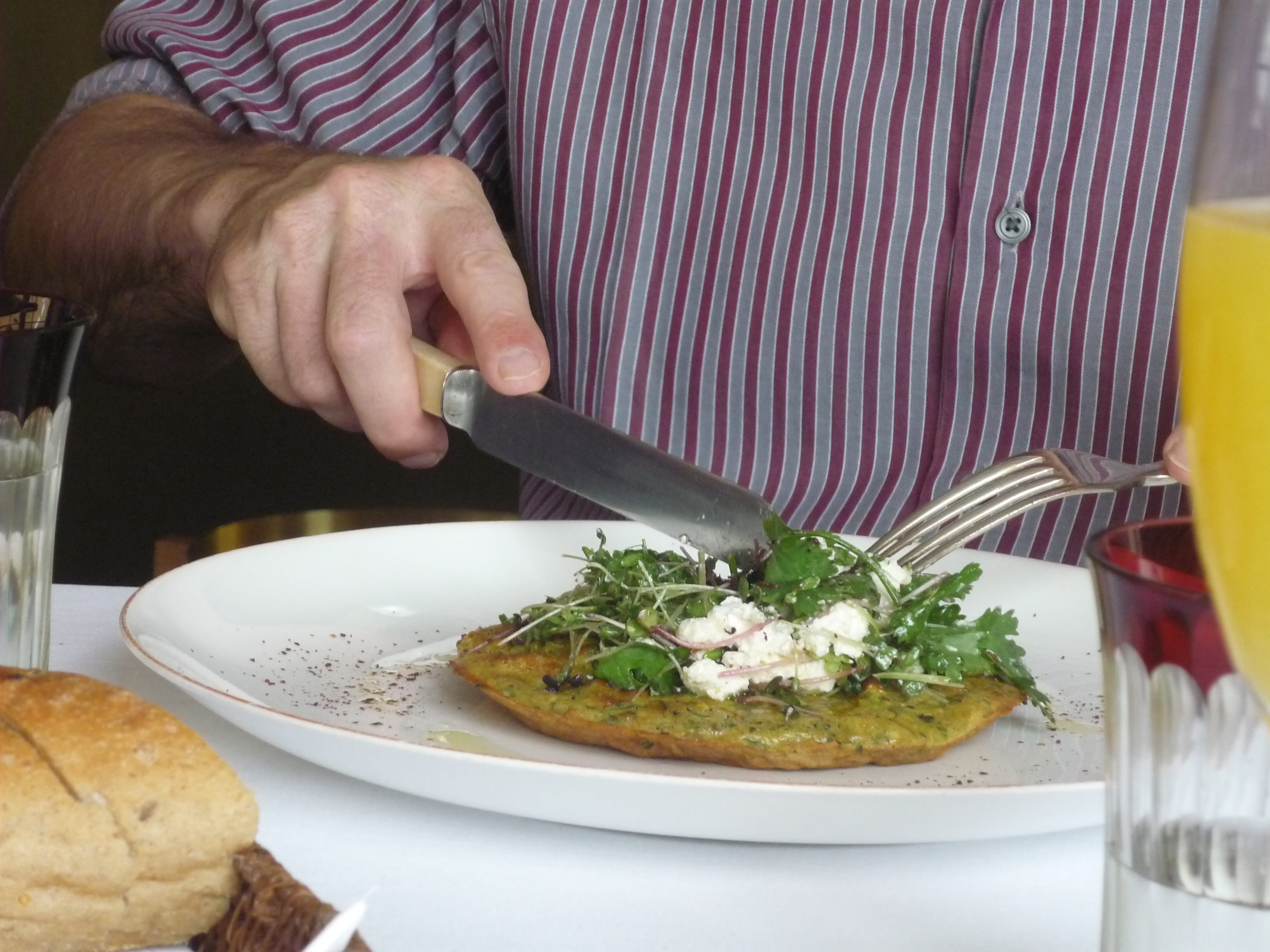
We met Julian, Pauline and Lizzy again the following day to have Brunch with them at M on the Bund.  We had an excellent meal with Richard having breaded tripe to start, Pauline and I having baby squid with a pomegranate and citrus sauce over a bed of almond sauce, Lizzy having blueberry pancakes and Julian having I can’t remember what for starters.  I then remembered to get my camera out and recorded the rest of our food.

On the Terrace at M on the Bund

On the Terrace at M on the Bund

Lizzy had a Traditional Fry-Up

Lizzy had a Traditional Fry-Up

Richard had an Iranian Pancake

Richard had an Iranian Pancake

Julian and I had Eggs Florentine

Julian and I had Eggs Florentine


Pauline had a lamb dish

Pauline had a lamb dish

Richard and Lizzy both had Chocolate Cake

Richard and Lizzy both had Chocolate Cake

Pauline and Julain Share the Signature Pavlova

Pauline and Julian Share the Signature Pavlova

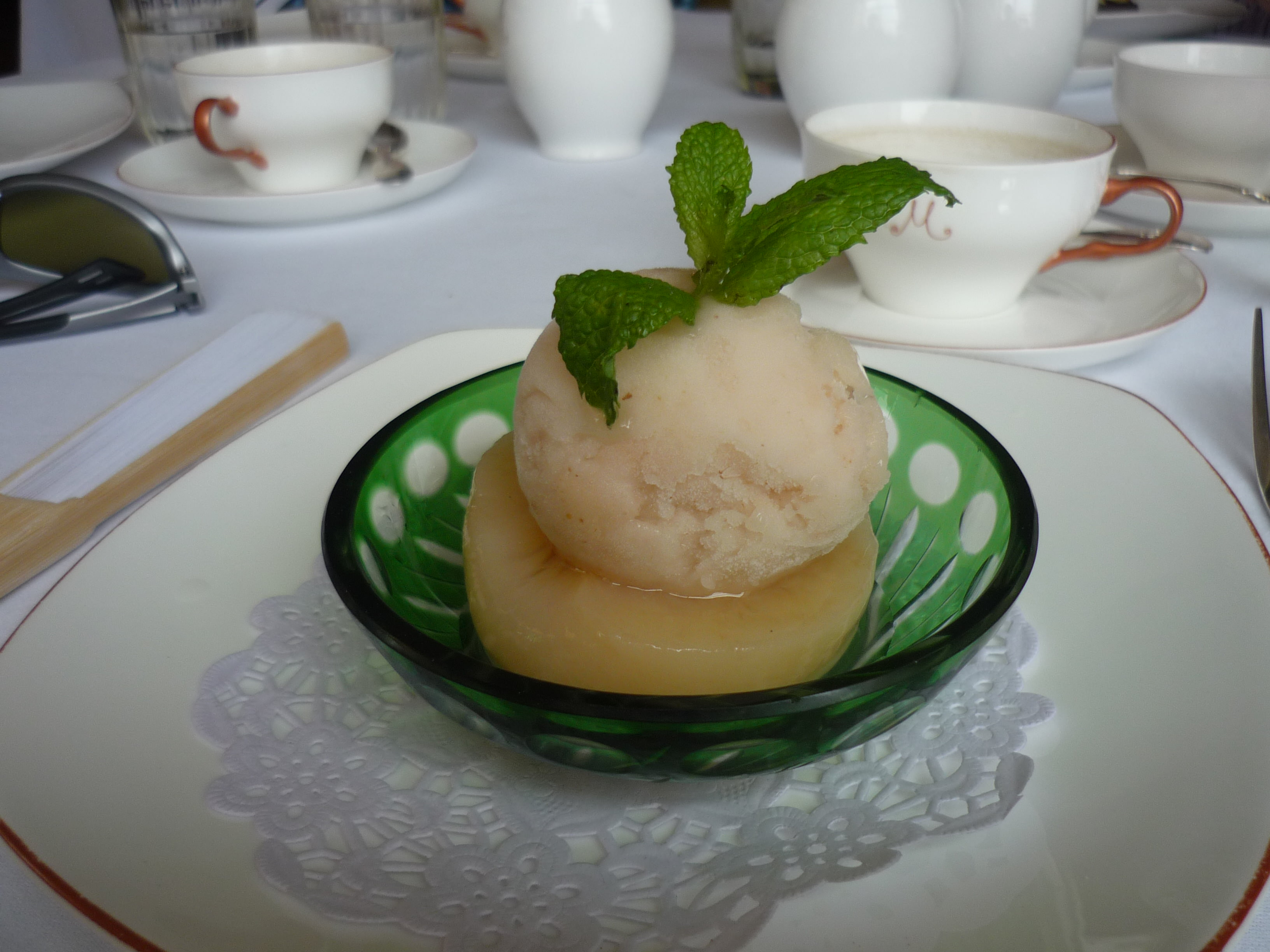
My poached peach with Mangosteen Ice Cream

My Poached Peach with Mangosteen Ice Cream

As before we throughly enjoyed our meal at M on the Bund and afterwards we walked with our friends to the YuYuan Metro Station where they went on to explore the Old City as we went home, as Richard had to go on for a business meeting that Sunday evening.


Posted in District of Shanghai, People's Square, Restaurant, The Bund | Tagged , , , , , , | Leave a comment

The Xu Guangqi Memorial Hall and Park

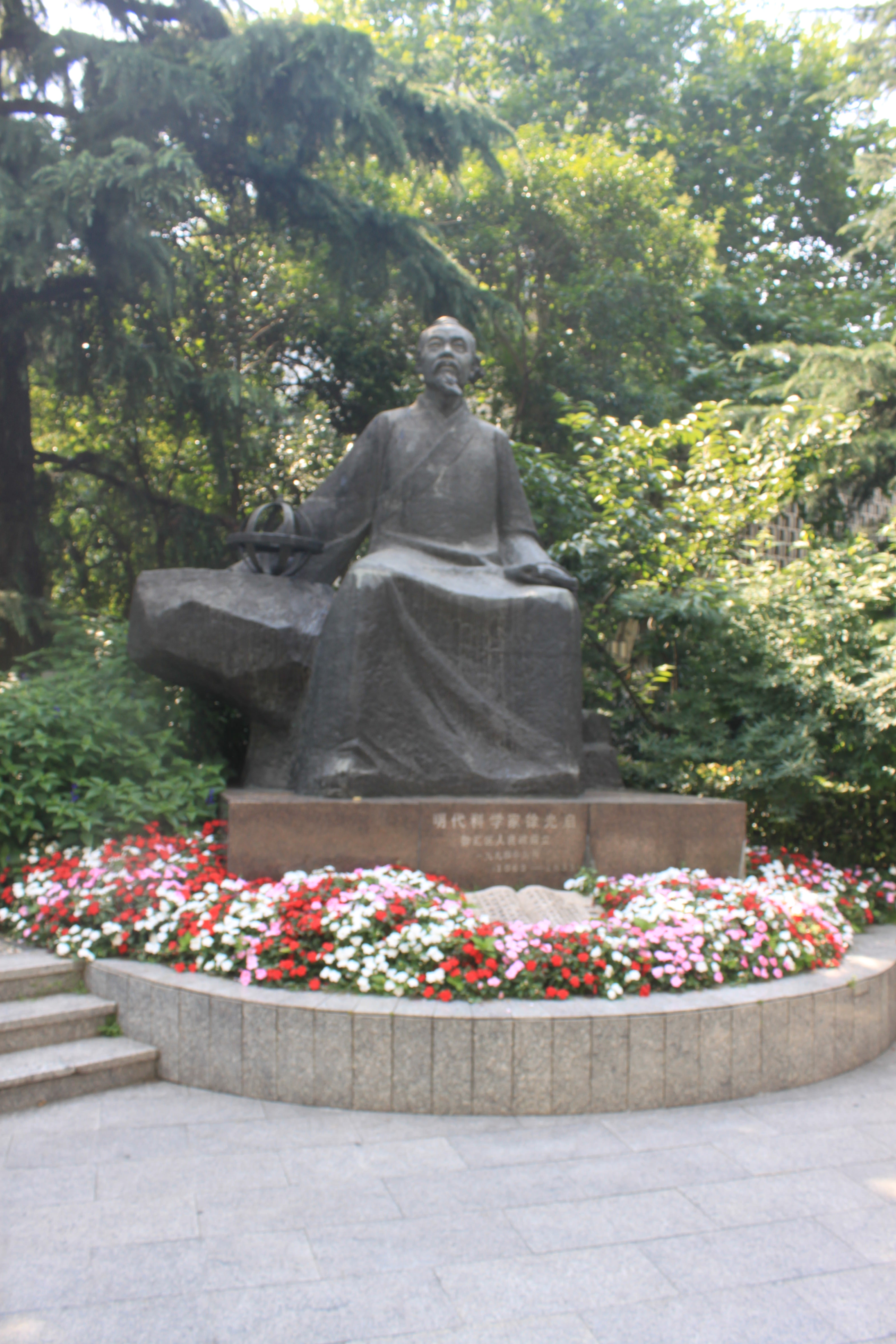
Statue of Xu Guangqi

Statue of Xu Guangqi

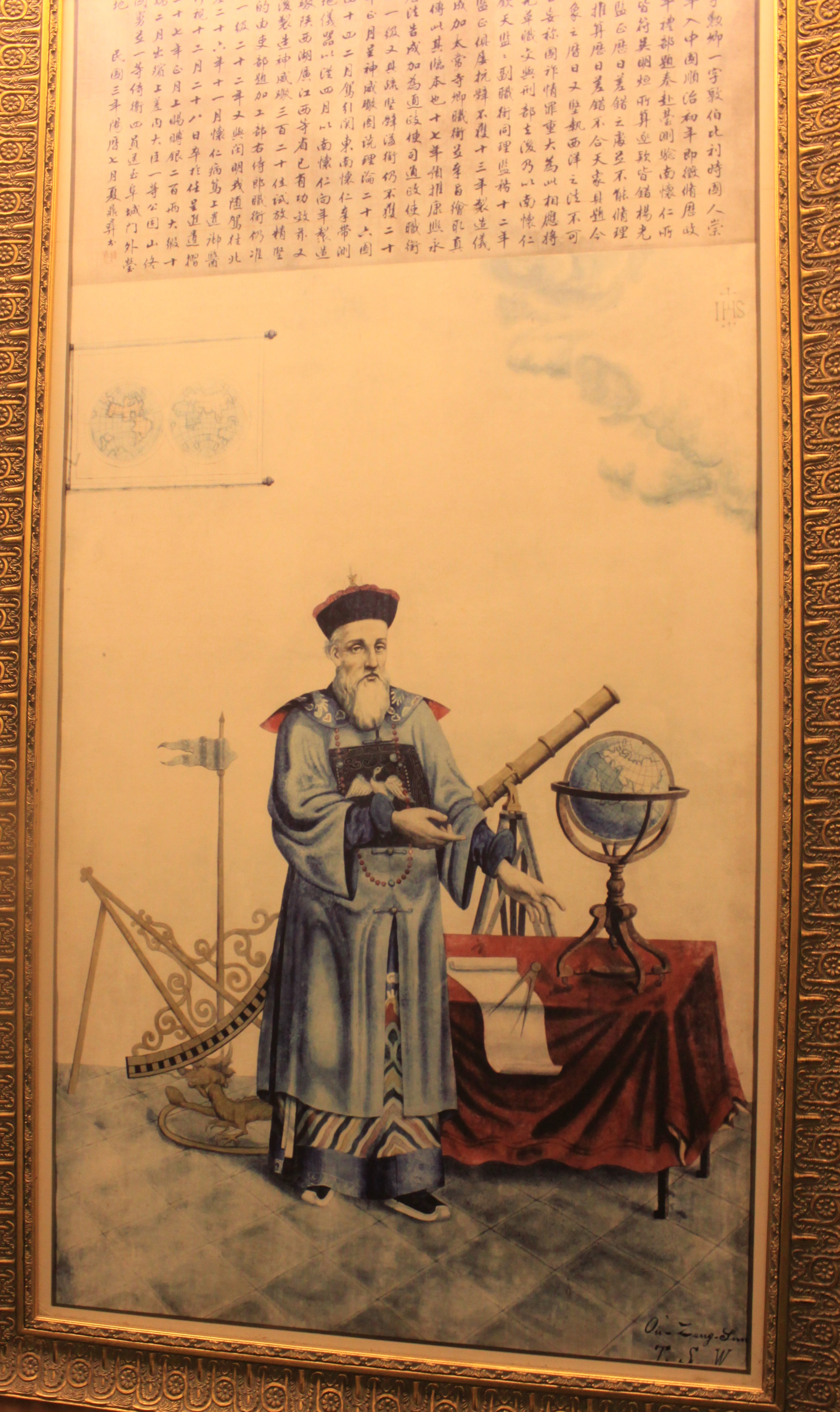
On my way to the Xu Guangqi Memorial Park I passed a modern statue of him just around the corner from the Park’s entrance.  Erected in 1994 this sculpture commemorates a man born in Shanghai during the Ming Dynasty in 1562, when Mary I was on the throne in England.  It was a time in Chinese history when the study of mathematics had gone into decline. He became Minister of Rites and Grand Secretary to the Ming Court, eventually being called The Minister.  The son of a farmer who had his own vegetable farm in Shanghai he nonetheless had an education from the age of six, getting a bachelor’s degree at 18, but only obtaining his Jinshi degree -passing the three-yearly court exam – in his thirties.


At the Entrance to the Park

At the Entrance to the Park

Although he himself was very clever, it was his liaison with the Italian Jesuit, Matteo Ricci, that was the real making of the man.  Together they translated several Chinese Confucian texts into Latin and, more crucially, several important Western texts into Chinese, the most useful being Euclid’s Elements which includes number theory which introduced the concept of rational and irrational numbers, the theory of proofs leading to solutions such as Pythagorus’s theorem, and geometric

Chinese bridge

Chinese bridge

algebra which is able for example to find the square root of a number and solid geometry which gives for example the volume of a cone.  Xu Guangqi also introduced ideas of astronomy, agriculture and military science to the Chinese.

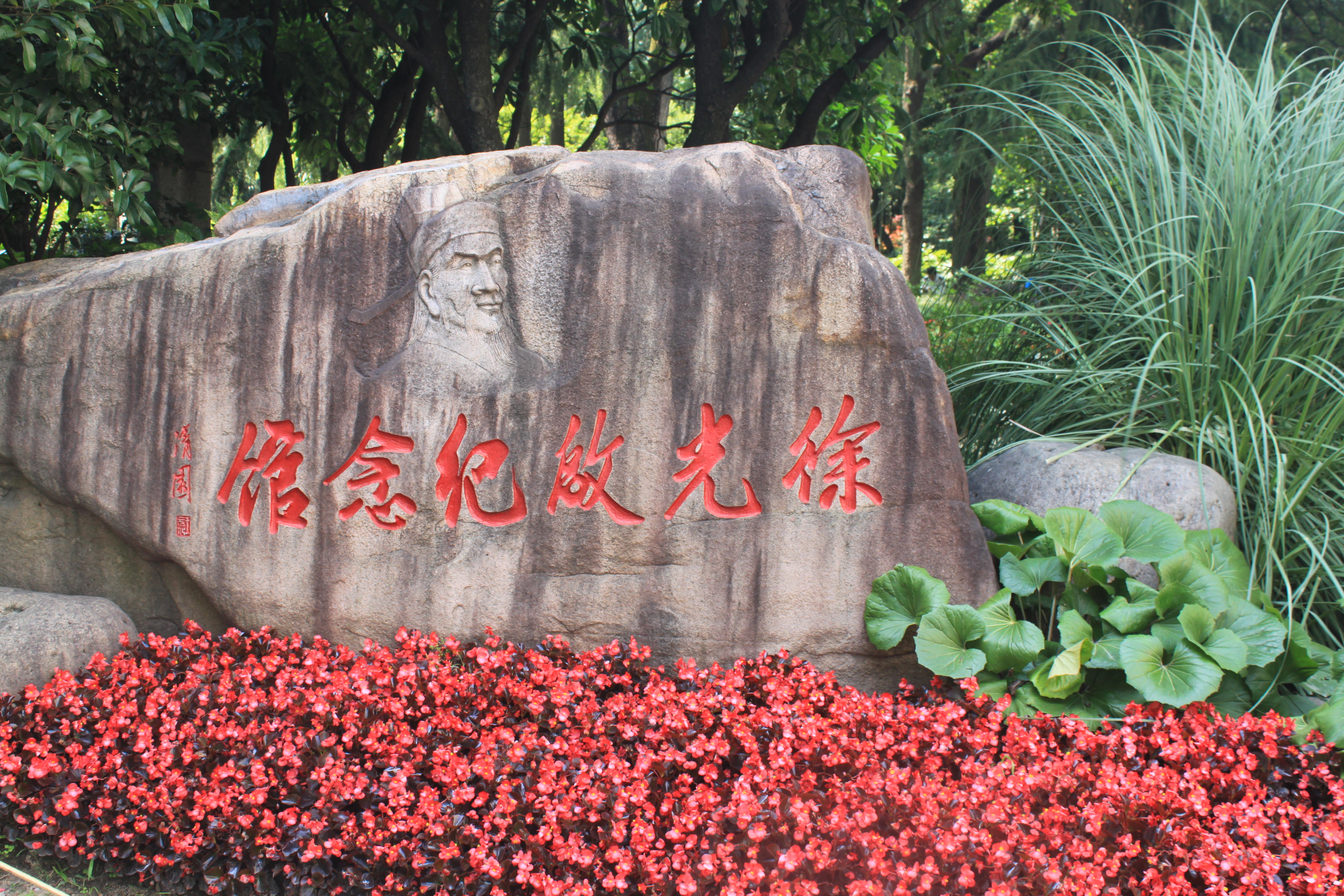
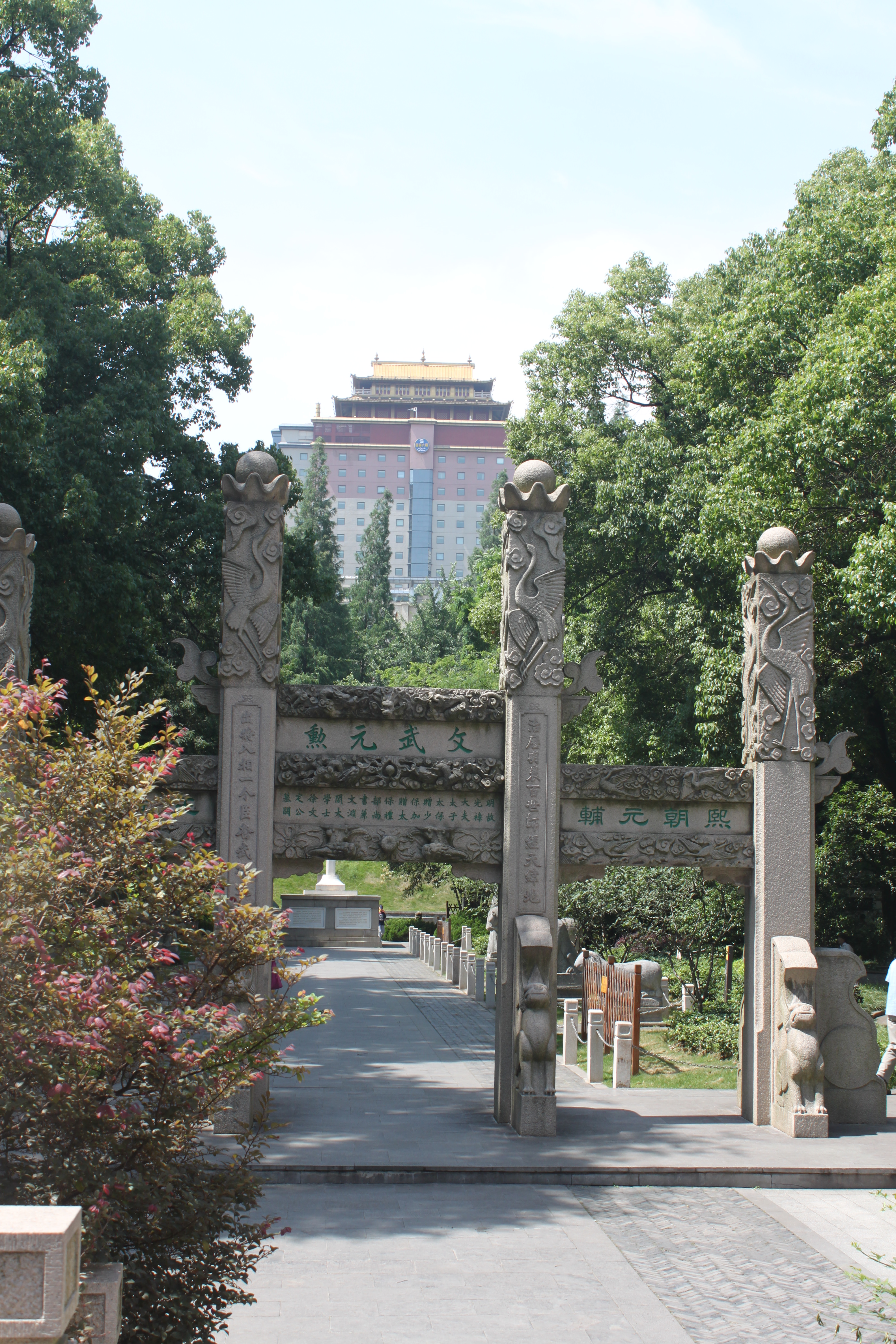
Passing the stone at the entrance to his memorial park you go over a small typically Chinese bridge and through a

Gateway at the Entrance to the Park

Gateway at the Entrance to the Park

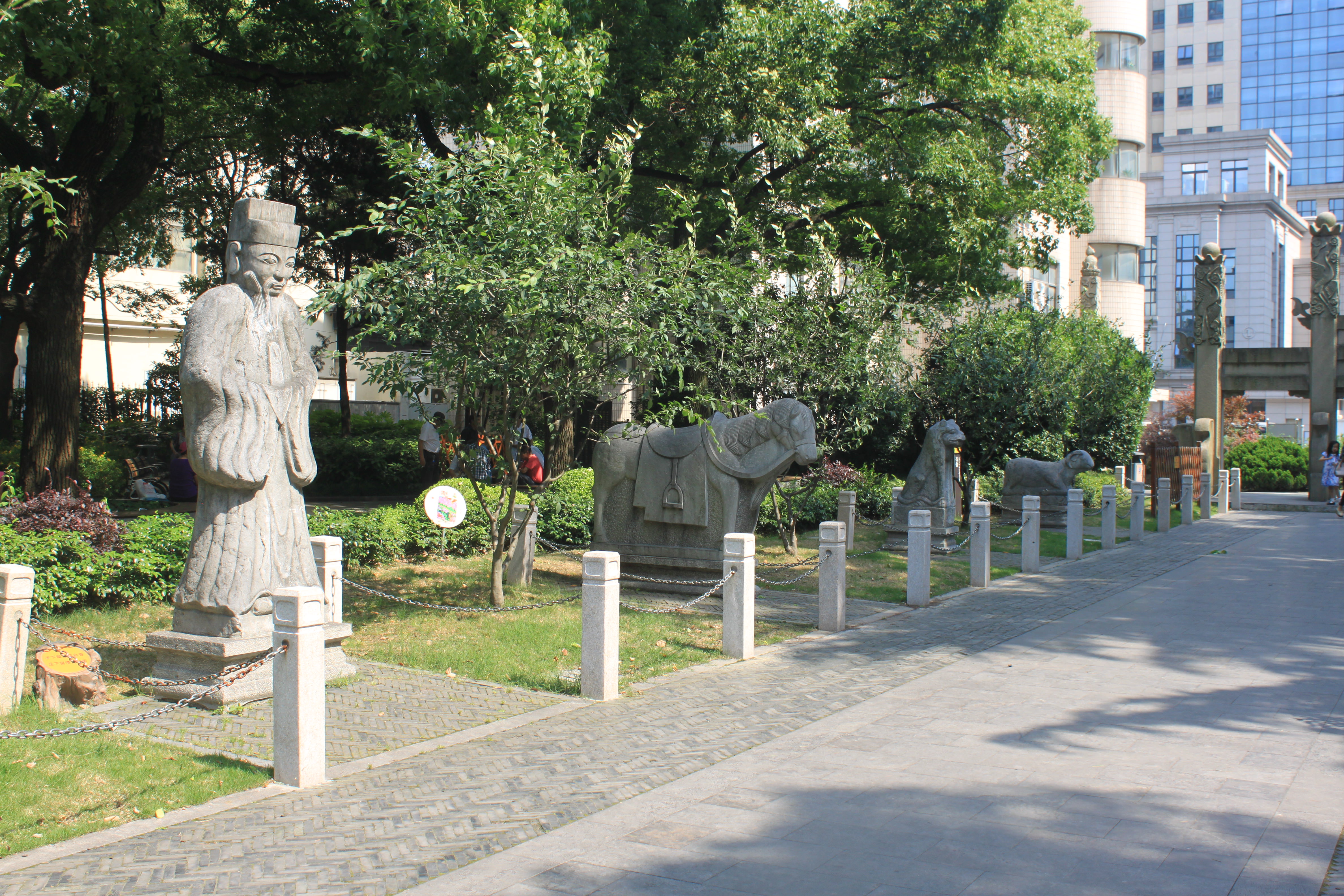
Various statues line the route

Various statues line the route

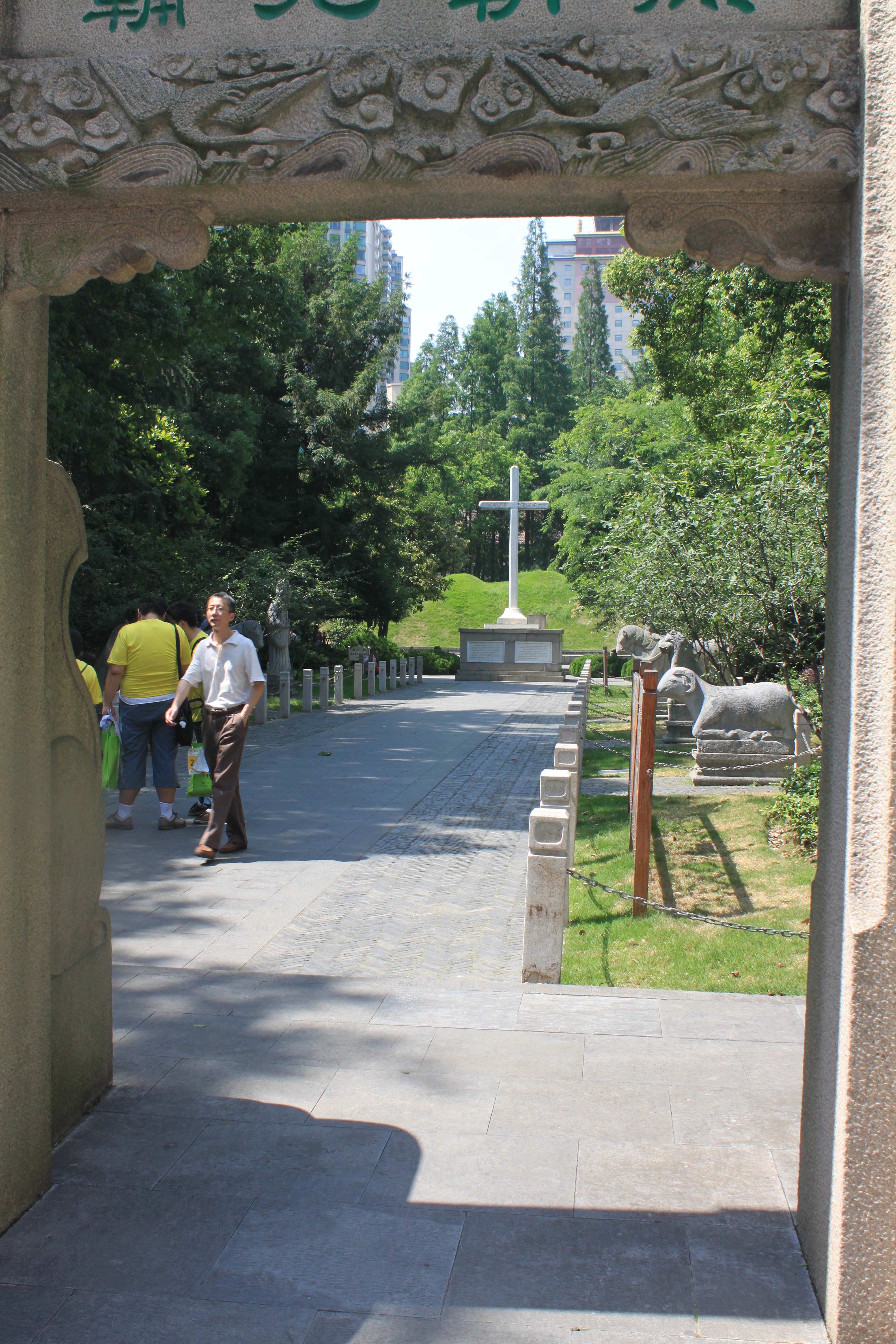
memorial archway, where you are confronted with a path – the traditional sacred road of the Ming Dynasty, lined with various statues of human officials, horses, tigers and sheep leading to a stark white cross.  It was IMG_4964under Ricci’s influence  that Xu Guangxi converted to Catholicism in 1603, taking the baptismal name of Paul Siu.  His descendants have been Catholics ever since.  Beyond the cross is his tomb, where his remains were eventually buried eight years after his death.

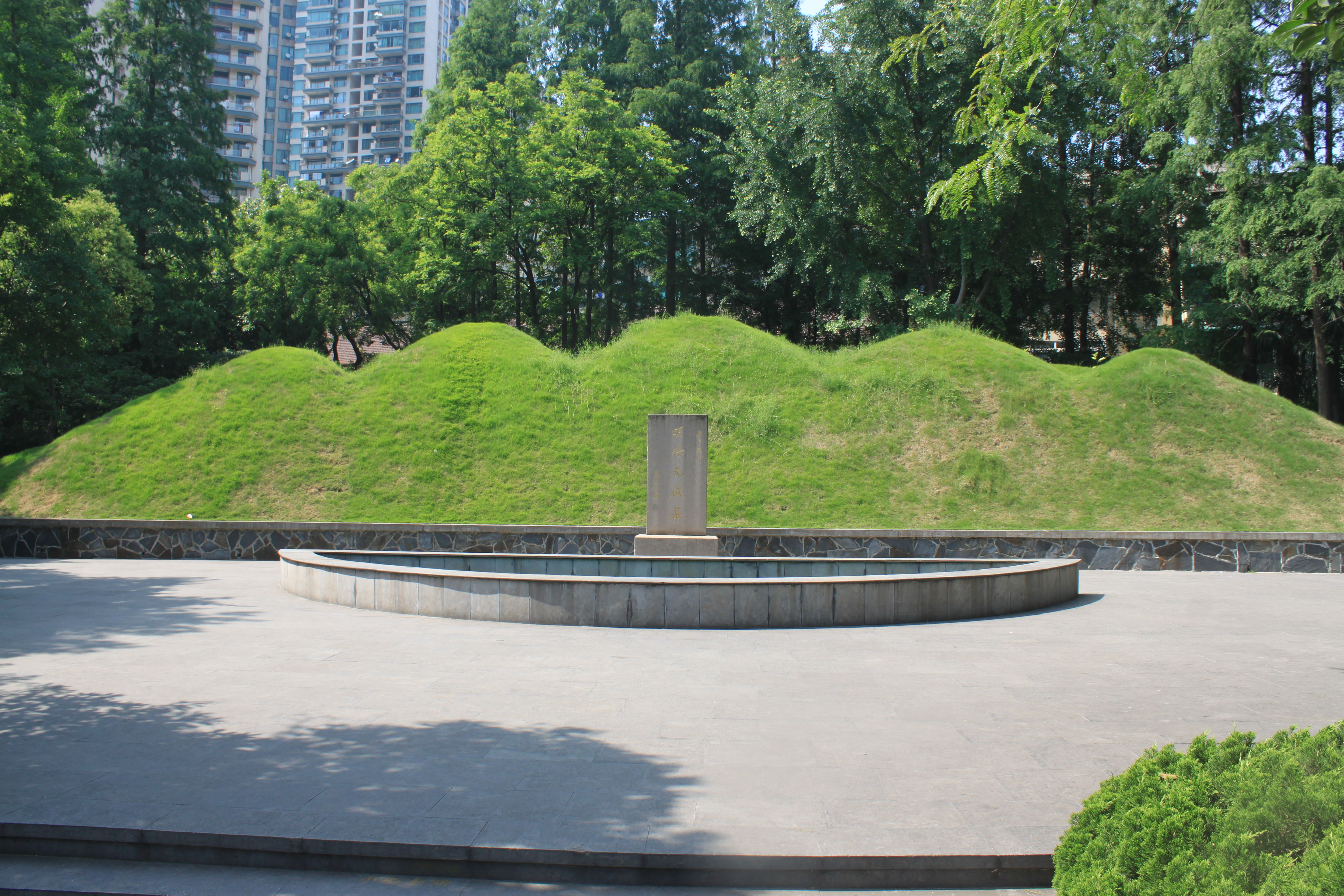
Xu Guangqi's Tomb

Xu Guangqi’s Tomb


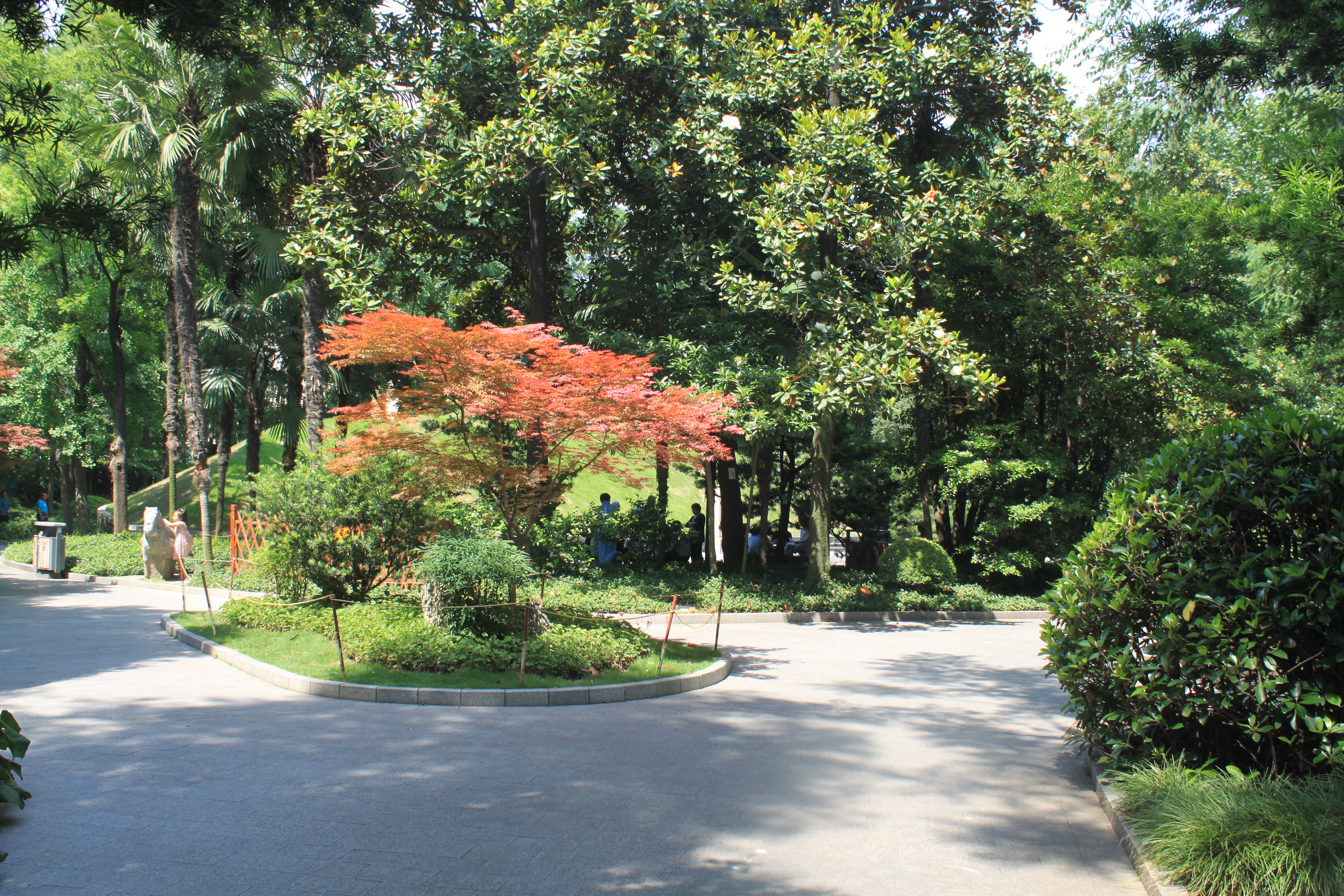
Japanese Maple in a clearing

Japanese Maple in a clearing

The tomb consists of ten vaults and is shared with the remains of his wife  and his four grandsons and their spouses.  The park is beautifully serene and at this time of year, parts are deeply shaded.   The tomb itself is in a clearing of trees, so the cross and tomb are highlighted by the sun, as is a Japanese maple that stands in another clearing close by.  There are statues of Xu Guangqi depicting his achievements

Xu Guangqi

Xu Guangqi

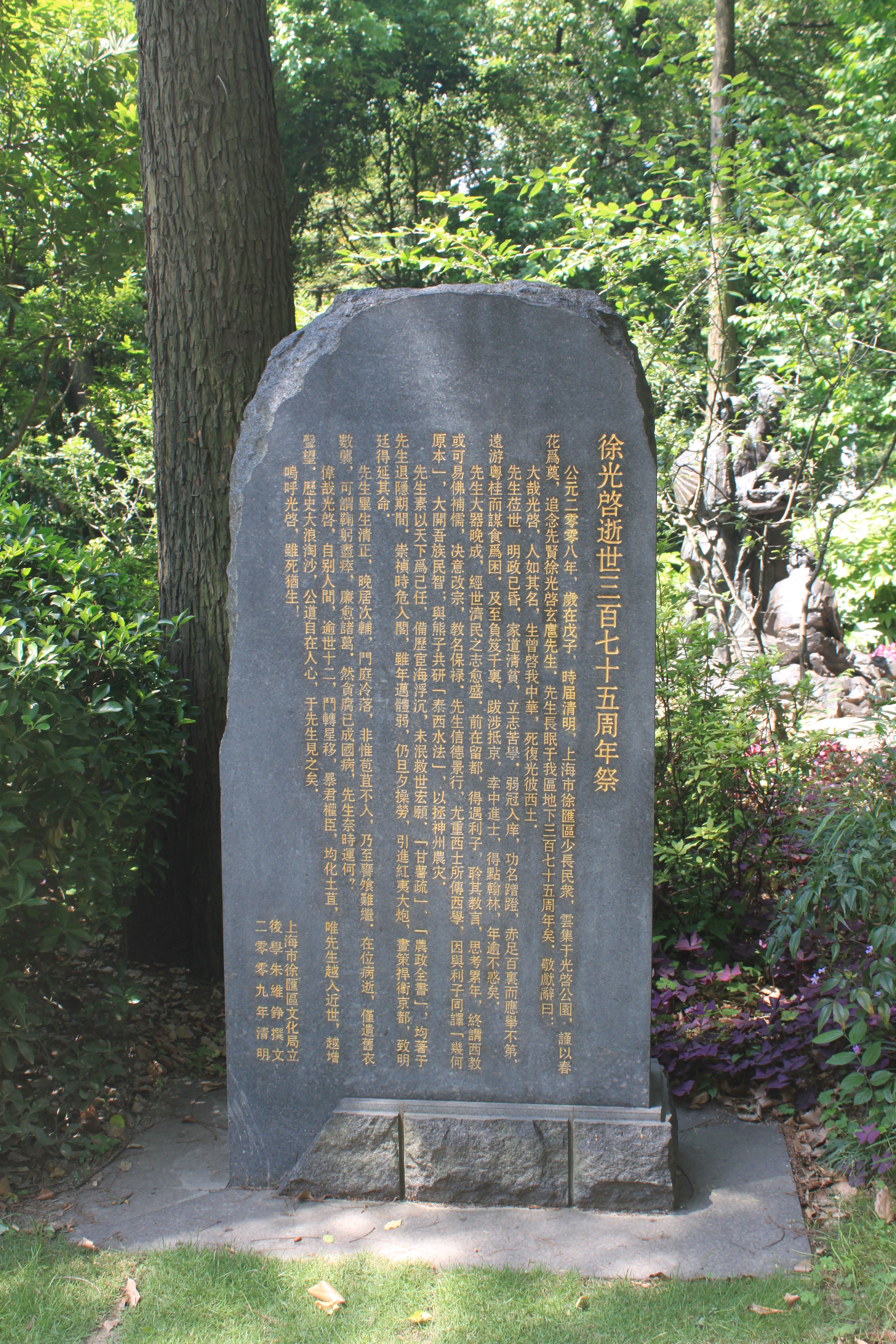
Stele About Astronomy

Stele About Astronomy

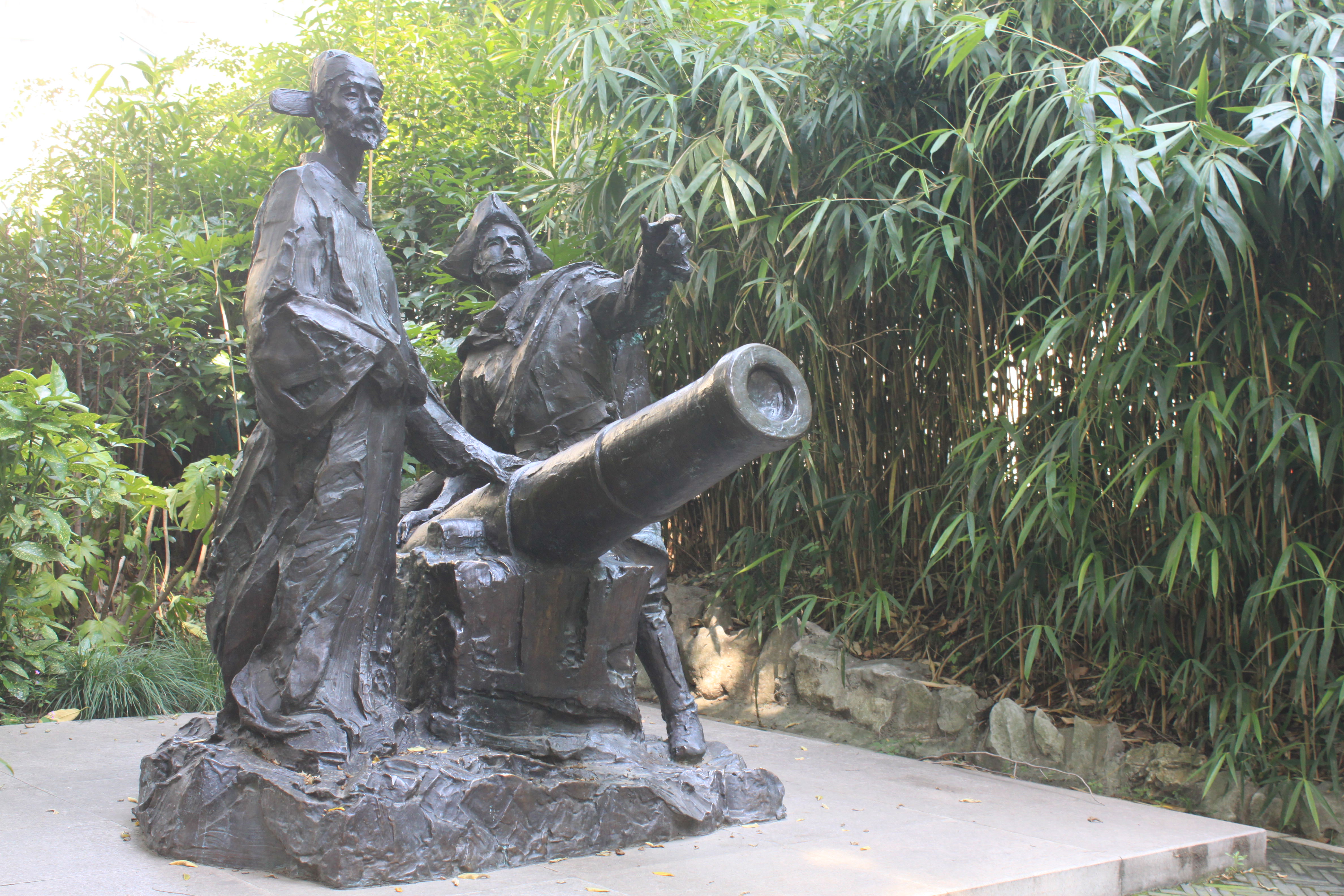
throughout the park together with  various Stele.  This one, discusses the fact that Xu Guangqi led the reform of the Chinese calendar in 1629 based on the work of Kepler and his astronomical observations, leading to the completion of the Chongzhen Calendar in 1632.  The statue of the gun

Xu Guangqi Military Strategy

Xu Guangqi Military Strategy

depicts his introduction to China of the concept of a “Rich Country and Strong Army” in his book Cook Xu’s Words about military techniques and strategies he gathered from his western friends.  He was criticised for daring, as a mere scholar, to discuss such matters, even though he was worried about his country’s inability to defend itself against the northern Manchus.  It was a concept adopted by Japan in the 19th Century

Agricultural Treatise

Agricultural Treatise

under the name Fukoku kyōhei, much to China’s detriment.  He was also interested in improving agriculture, fertilizers, stemming famine and improving irrigation systems and wrote an enormous work of over 700,000 Chinese characters, left in draft form at his death but complete by others and published in 1639.

As in all Chinese parks, there was much

Old woman slapping her thighs

Old woman slapping her thighs

Games of Cards

Games of Cards

everyday activity, from an old woman slapping her thighs (I’m not sure what this achieves, but I have seen it often), to games of cards, or inactivity sitting by the fish pond or the drained water lily pond.

IMG_4971

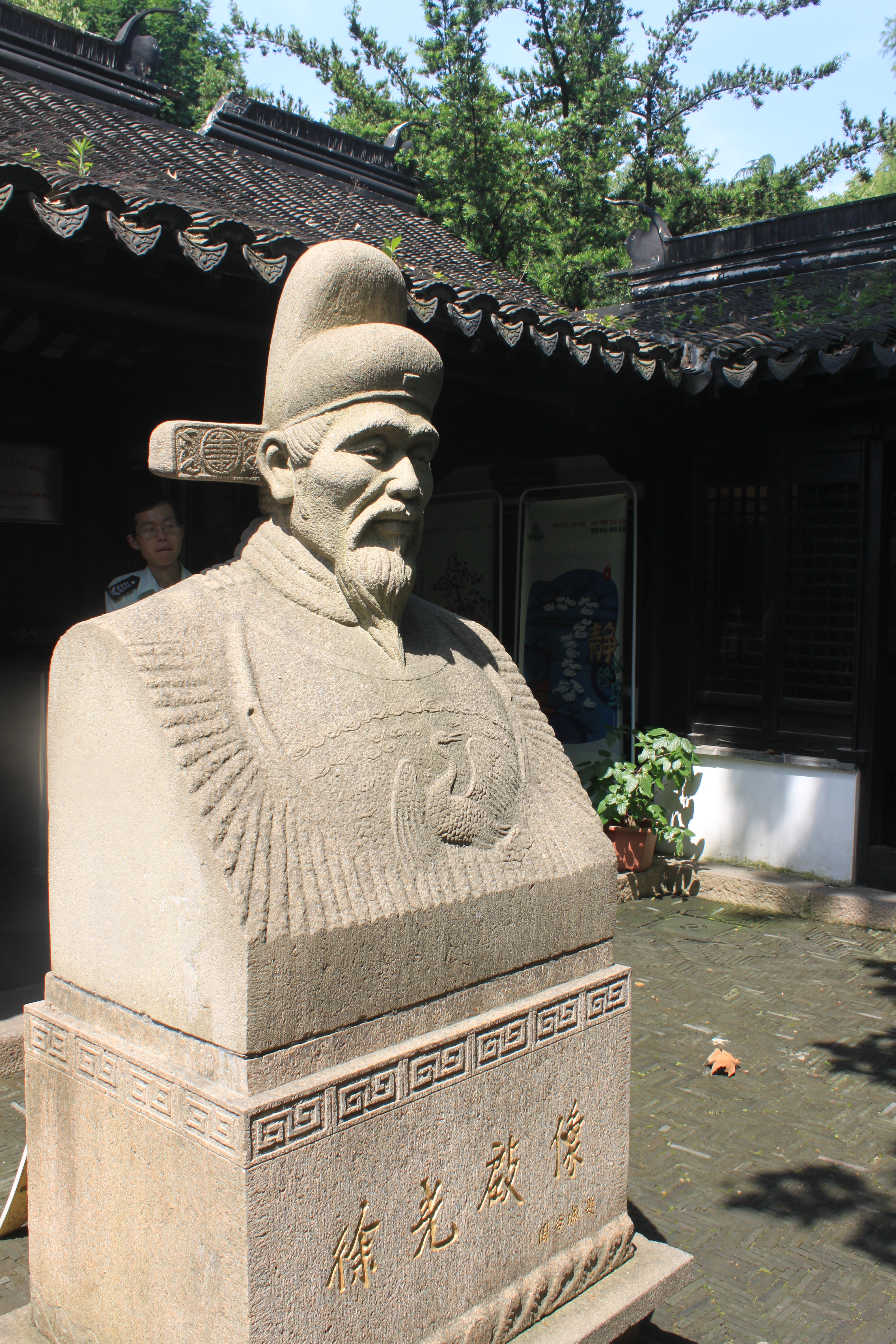
IMG_4970 But there is more to this lovely serene park than all this.  In its south east corner is the Xu Guangqi Memorial Hall.  It is built in the typical layout of a Chinese home  – in a quadrangle formation with one stone-linteled entrance.  And through this entrance you can see a head and shoulders statue of Xu Guangqi framed by the door’s stone surround.  He wears the hat of a Han Chinese official of IMG_5068Xu Gunagqithe Ming Dynasty which consisted of a black hat with two wing-like flaps of thin, oval-shaped boards called the wushamao.  Around the walls of the quadrangle are a series of stele, and inside the rooms surrounding the courtyard is a small museum about the man’s life.


Xu Guangqi 1562-1633

Xu Guangqi 1562-1633

Xu Guangqi devoted his life to various aspects of the natural sciences, learning from the westerners that he met and applying what he learned to books on agriculture, astronomy, mathematics, water conservancy, measurement and the calendar.   As a child he lived in the Old City of Shanghai and received his early education at Longhua.  As he worked his way up through the successive imperial examinations he worked as a private tutor to support himself. When he took the Imperial Examination in Beijing in 1597 the chief examiner, Jiao Hong, recommended that he should be the no.1 candidate from all of China, known as a Jinshi, which thus lead to a role in the Ming Court administration.


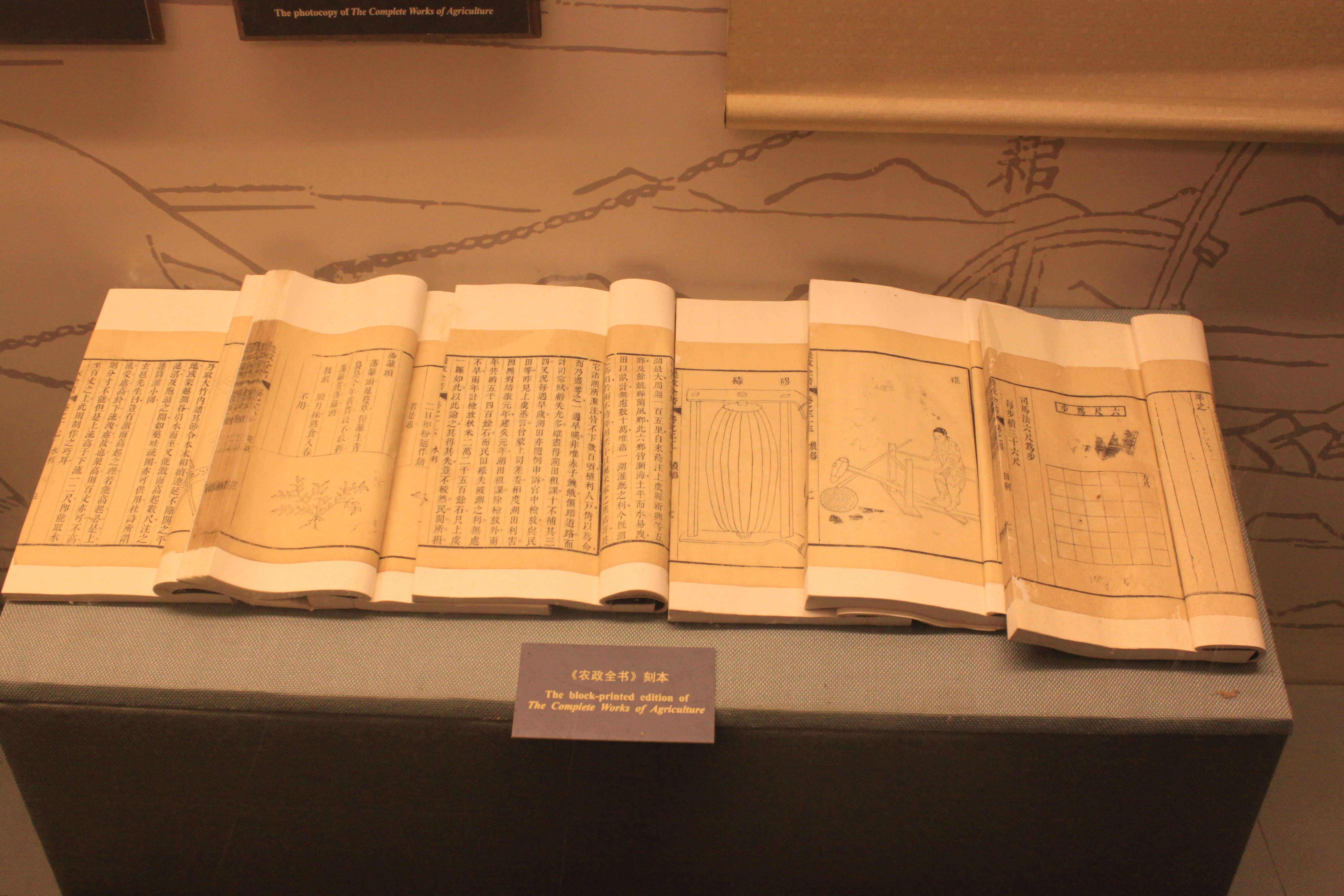
The Block Printed Edition of The Complete Works of Agriculture

The Block Printed Edition of The Complete Works of Agriculture

Xu Guangi's Major Works

Xu Guangi’s Major Works

Before his death Xu Guangqi produced in draft form The Complete Works of Agriculture, a seminal work on agricultural methods, irrigation etc. based on scientific concepts.

There were three other men important in the story and legacy of Xu Guangqi. They are depicted  in these copies of four early 20th Century watercolours painted by the Tusan wan Gallery in Shanghai (the one of Xu above, the others below).  The originals now hang in the Ricci Institute for Chinese-Western cultural history at the University of San Fransisco.


Matteo Ricci 1552 - 1610

Matteo Ricci 1552 – 1610

Matteo Ricci had come to China to preach in 1583 and studied Chinese and over the years he adapted to Chinese customs.  He did this so well that he became known as “Western Confucian Scholar”.

Euclid's Elements

Euclid’s Elements

He introduced modern western natural science to China whilst also acting as a conduit for ideas of Chinese culture to permeate to the West.

The Italian Matteo Ricci met Xu in Nanjing for the first time in 1600 and by 1607 the two of them had finished the translation of the  six volumes of Euclid’s Elements.  Here Euclid made an overall systematic summary of the ancient Greek mathematics and served as the earliest model of of the deductive system in maths based on axioms (i.e. based on an initial premise).

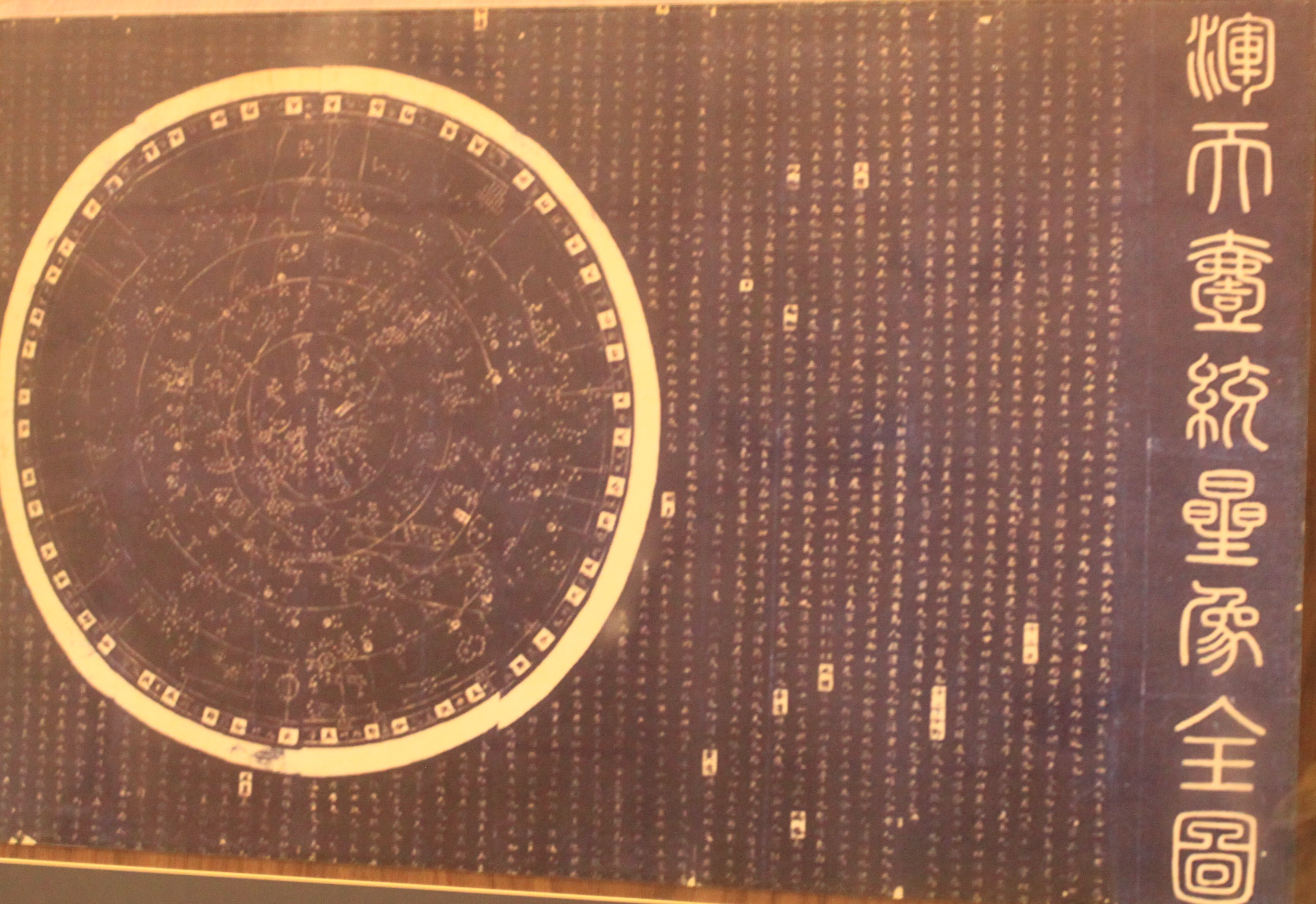
The ancient chart of celestial phenomena

The ancient chart of celestial phenomena

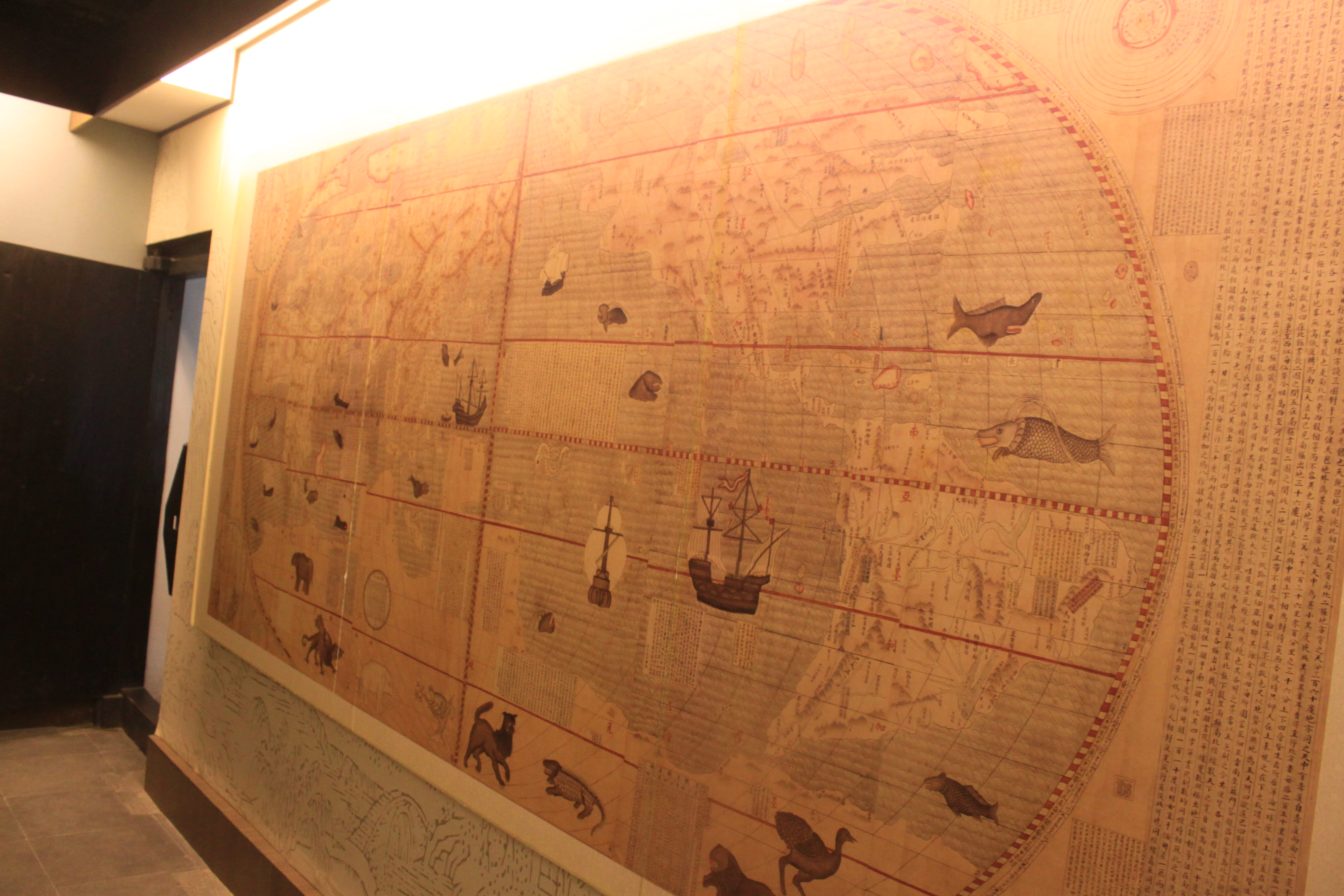
It was this Jesuit missionary who introduced Xu to the idea of a calendar based on the movement of the earth around the sun.  Xu Guangqi jointly translated The Introduction to Astronomy with him, producing first set of western scientific books in Chinese.  Xu was introduced to  the idea of a global world (rather than the then Chinese view that it was square one) and the concept of latitude and longitude and the geometry

Matteo Ricci's Map of the World

Matteo Ricci’s Map of the World

required to forecast the movement of the earth, sun, planets and stars in space.   Matteo Ricci produced the first modern world map for China, showing the coastlines of the five continents on a spherical world with an equator and lines of latitude and longitude.

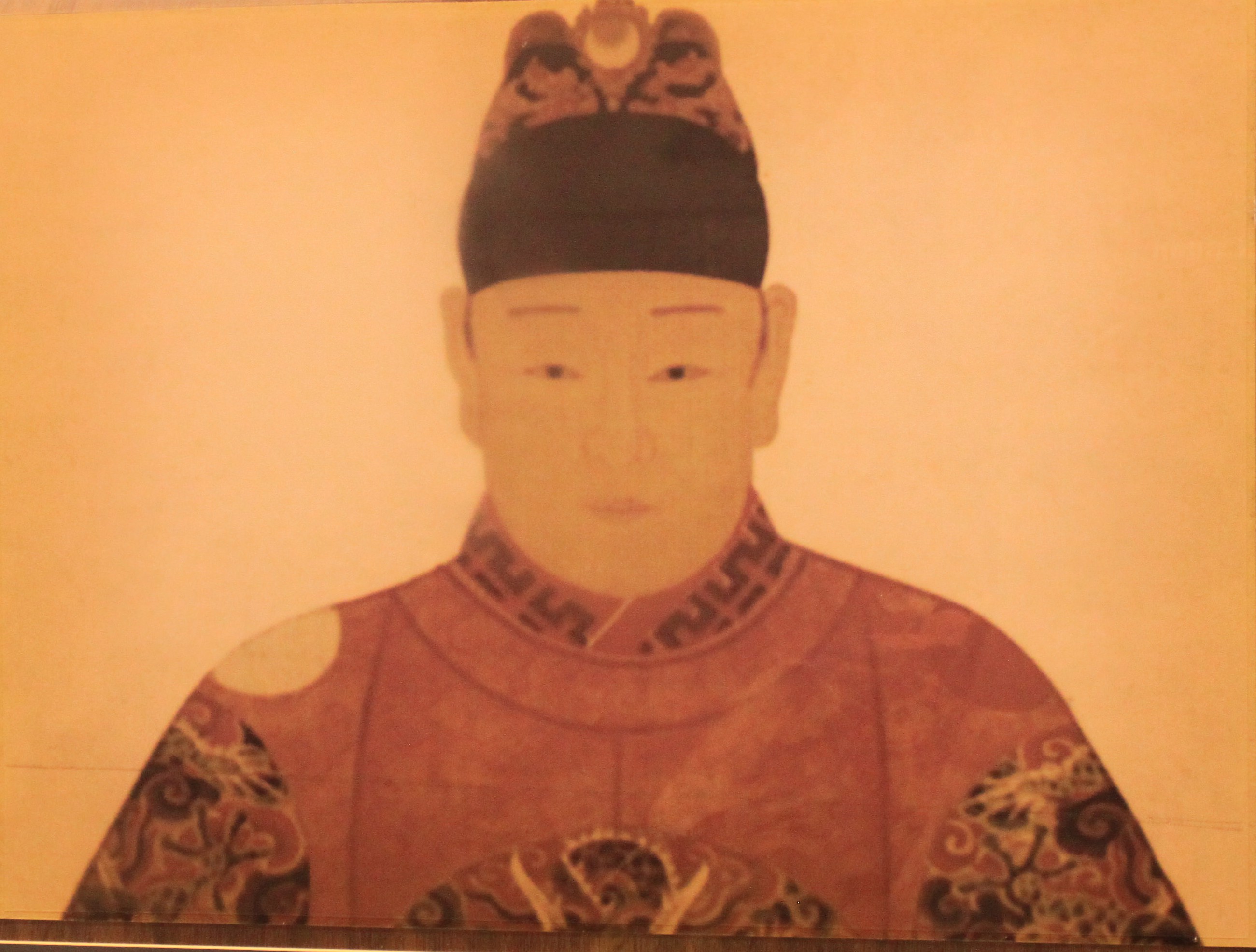
Emperor Chong Zhen

Emperor Chong Zhen

Emperor Chong Zhen (enthroned in 1627) allowed Xu GuangQi to revise the calendar in line with astronomical observations after he and his students predicted the solar eclipse of 1629 and thus he freed the Chinese calendar from its previous emphasis on auspicious days and other superstitions.  The calendar, the Chong Zhen almanac was completed after his death. It consisted of 137 volumes and included much of the earlier work on the movement of celestial bodies.


Inside The Memorial Hall

Inside The Memorial Hall

Entrance to the museum

Entrance to the museum


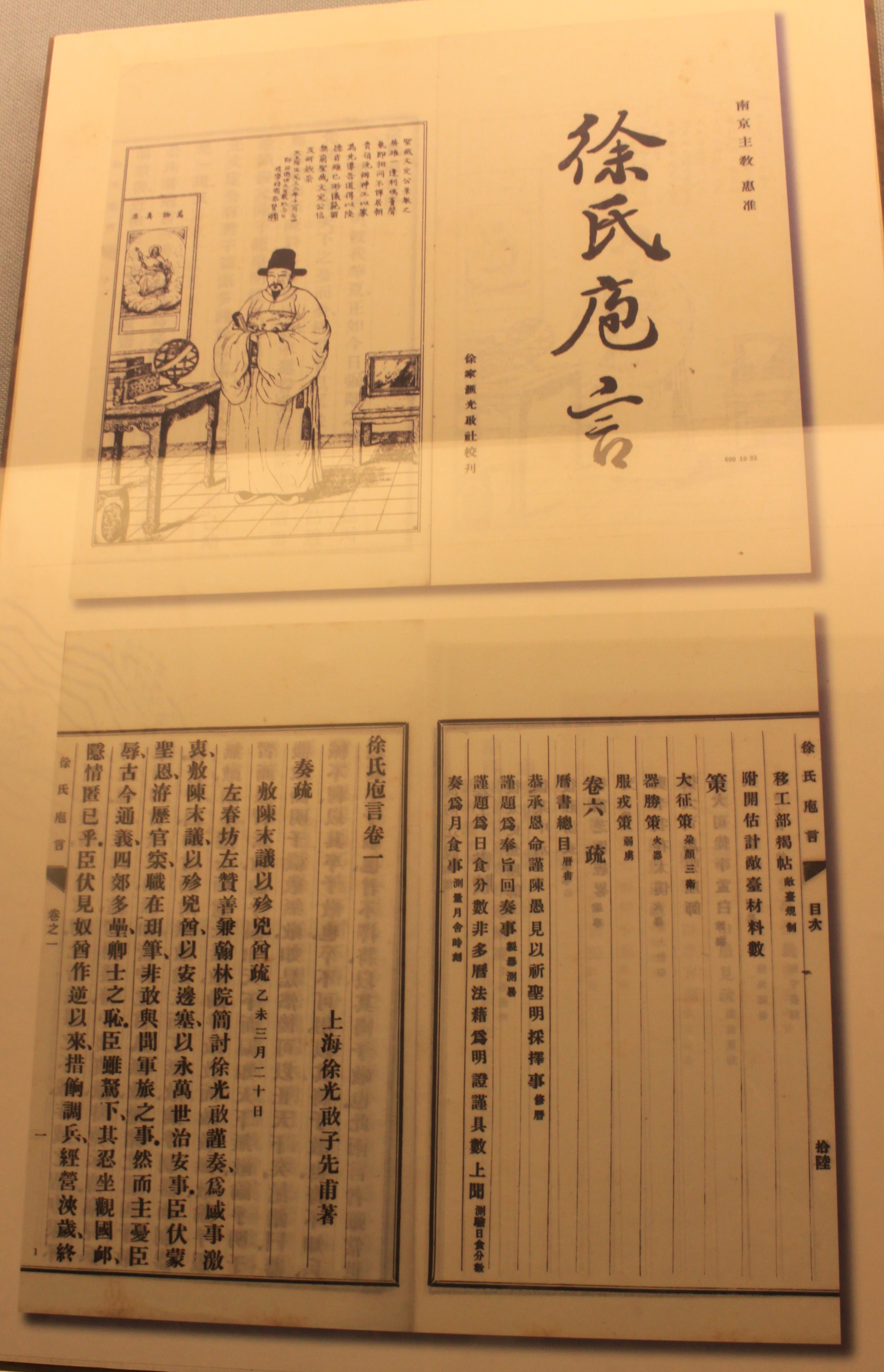
Cook Xu's Words

Cook Xu’s Words

Xu argued that the military needed artillery

Xu argued that the military needed artillery

Xu put forward his theory of “a rich country and a powerful army” and wrote about the training and management of soldiers and wrote a five volume book Cook Xu’s Words in retaliation for those who mocked that a scholar could not possibly know about military matters.  In it he wrote of military management and strategy.

Xu argued that the military needed artillery, and it played an important part in protecting the Ming Dynasty such as protecting the Liaodong peninsula in Southwestern Manchuria.

Johann Adam Schall von Bell 1592 - 1666

Johann Adam Schall von Bell 1592 – 1666

Ferdinand Verbiest 1623 - 1688

Ferdinand Verbiest 1623 – 1688

Johann Adam Schall von Bell, a German, came to China in 1622.  By 1630 he was summoned to Beijing to be in charge of the Calendar bureau, manufacturing astronomical instruments such as reflecting telescopes and editing the Chong Zhen Almanac.

Ferdinand Verbiest was a Belgian missionary who set off for China in 1659.  He continued the work of Xu Guangqi and the other Jesuit missionaries before him. By 1669 he was working at the Qing Court editing books and compiling calendars.  Between 1680 and 1681 he founded 320 artilleries.


Xu Guangqi

Xu Guangqi

His wife Mrs Xu of the Wu family

His wife Mrs Xu of the Wu family


Jingyi Hall and its patron

Jingyi Hall and its patron

This part of Shanghai is called Xujiahui.  It means the Xu’s family gathering here and is thus named because Xu’s Catholic descendants settled around the tomb and built farms nearby.  Jingyi Hall was the first Catholic Church in China paid for by the fourth generation granddaughter of Xu Guangqi.  After the opium wars, when China again opened up to the West, the Christian missionaries chose this area for

The Catholic Enclave

The Catholic Enclave

their headquarters, as it was already populated with native Catholics.  The missionaries built a Christian cathedral, a convent, a school, the Siccawei observatory, the Siccawei Library and a museum in an area just north of Xu’s tomb.  It thus rapidly developed into the largest centre of Western culture in modern China.


Posted in Museum, Parks, Xuhui | Tagged | 1 Comment

The Oriental Pearl Tower

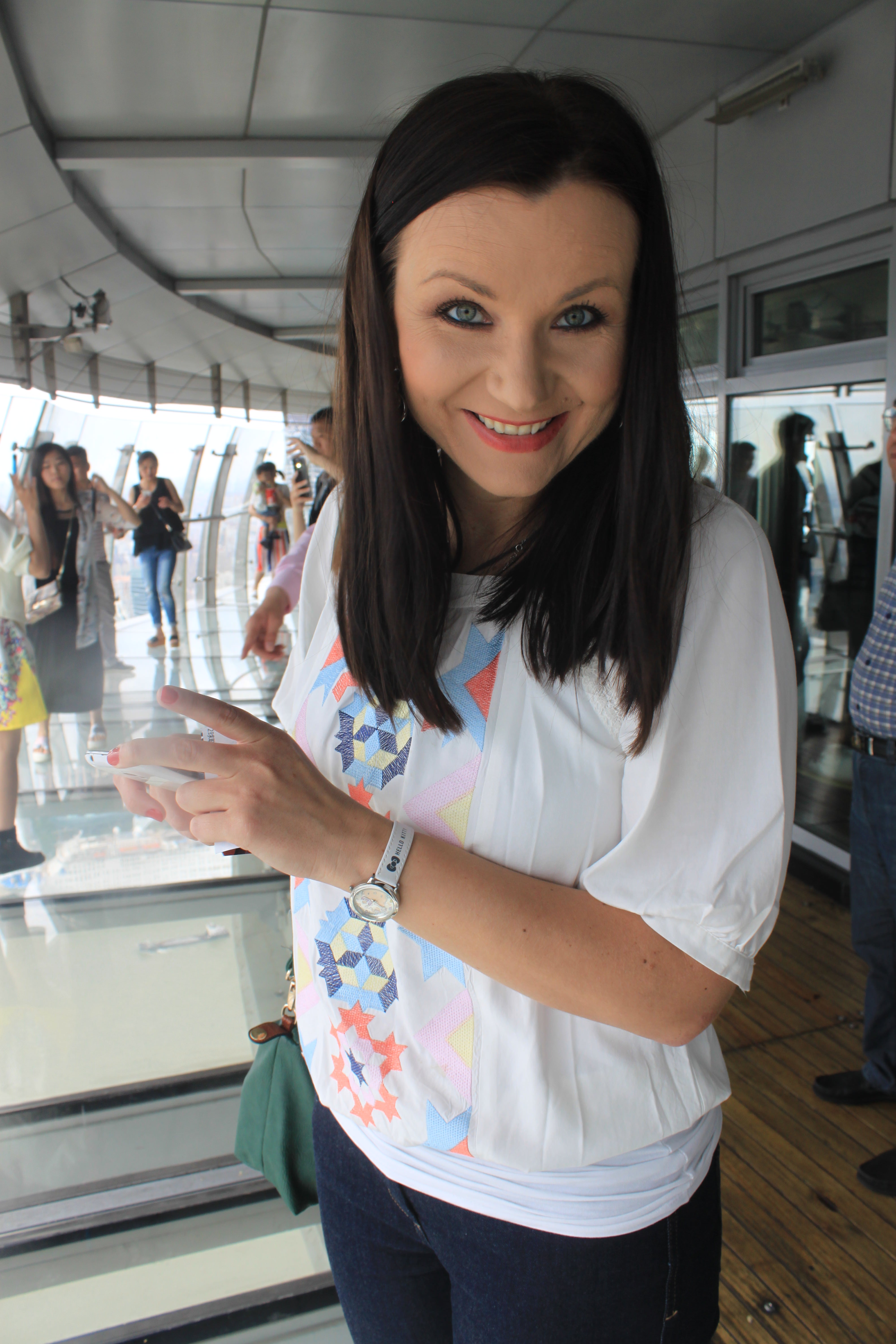
Marta

Marta

Last week, Marta (a Polish QA lady who has come over to China to help with quality systems in the factories) had a week off work and was spending half of that time in Hong Kong and half of it in Shanghai, so we met up to do a bit of sightseeing together. We decided that we would have a spot of lunch, followed by a visit to the Pearl Oriental TV Tower – the pink bulbous one that is always shown in pictures of Shanghai  – which meant a ride up the tower and down into its basement to visit the Shanghai Municipal History Museum which I wrote about in my past post. The Oriental Pearl Tower is situated in the newly developed Pudong or east bank of the Nangpu river (we live in Puxi  – on the west bank). The whole area was

The Pearl Oriental Tower

The Pearl Oriental Tower

The Shanghai Tower

The Shanghai Tower

farmland until 20 years or so ago, when the Chinese government set up a Special Economic Zone on the east bank and named the western most tip the Lujiazui Finance and Trade Zone.  It is now the financial hub of China and contains not only the Pearl Oriental Tower, but also the Jin Mao Building with architecture reminiscent of the art deco buildings over the water, the Shanghai World Financial Centre – which is known locally as the bottle opener and the super tall Shanghai Tower, a twisted building (similar to the spire of Chesterfield’s Church of St Mary and All Saints, but this one I believe is designed that way, rather than being to due to lead used in its construction, which is the Church’s problem ) which at 632 metres is the tallest building in China – until next year that is, when it will be beaten by a tower in Shenzhen.

The Pudong Disney Store

The Pudong Disney Store

The Pudong Apple Store

The Pudong Apple Store

Pedestrian roundabout

Pedestrian roundabout

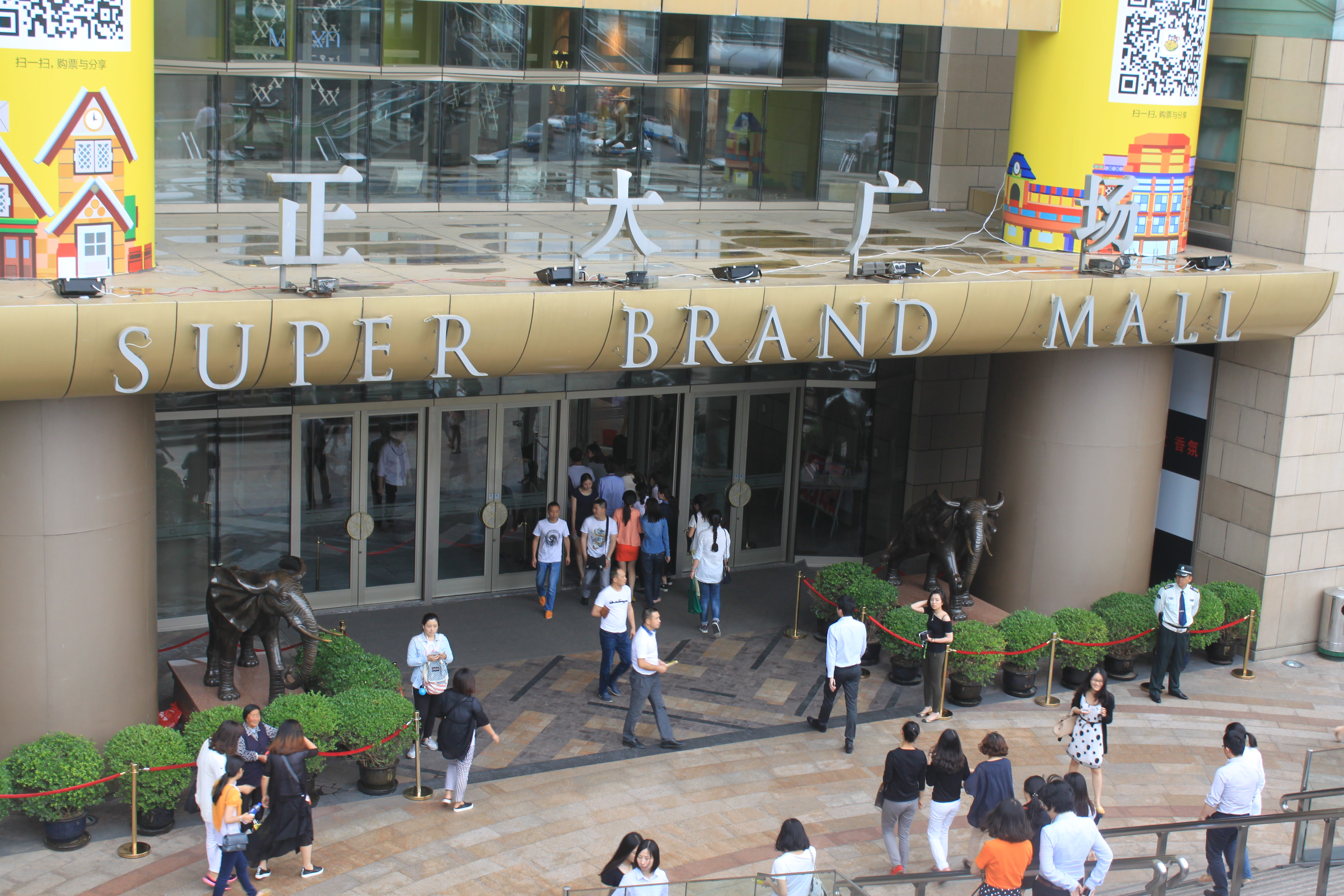
We started, however, with lunch – taking this overhead pedestrian roundabout (there are number of these being built at major intersections in Shanghai), passing on one side the local Disney store with its Mickey Mouse floral display and on the other, yet another of the Shanghai Apple Stores , to the rather ugly Super Brand Mall building, a mecca for designer labels and Chinese stomachs.

The Ugly Super Brand Mall

The Ugly Super Brand Mall

Super Brand Mall Entrance

Super Brand Mall Entrance

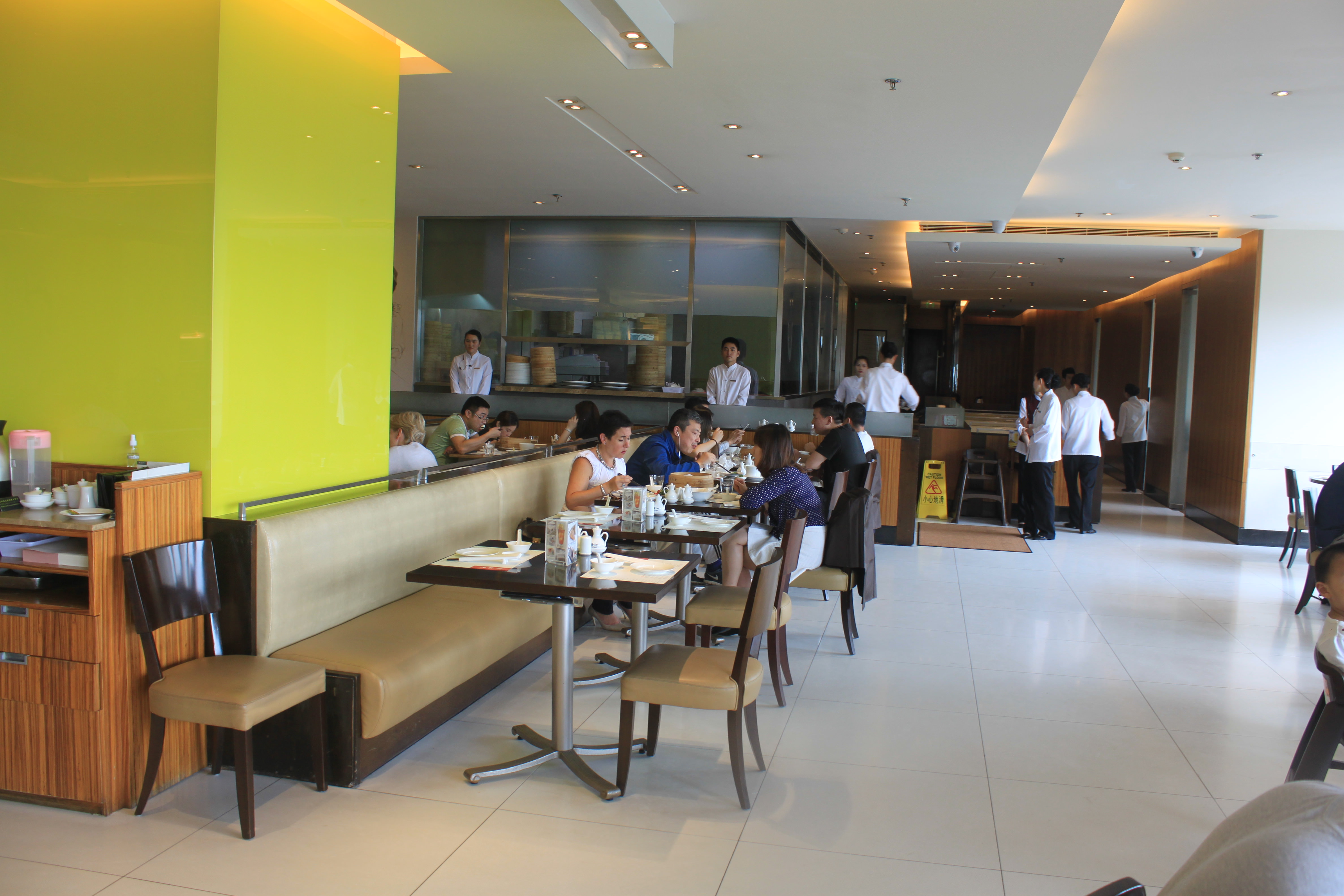
Pudong's Din Tai Fung

Pudong’s Din Tai Fung

We could have had Sichuan Hotpot in a restaurant at the top of the Super Brand Mall overlooking The Bund on the other side of the River, but we opted instead to go to Din Tai Fung, a branch of the Taiwanese dim sum restaurant (it was a bit grander than the original one in Taipei which we visited when seeing Rozy in Taiwan last summer), and had dumplings and green beans and strips of seaweed, which Marta didn’t like very much.

Inside the Super Brand Mall

Inside the Super Brand Mall

Strange Structure inside a Cafe

Strange Structure inside a Cafe

Umm - not sure how to type this

Umm – not sure how to type this

We left and headed out of the mall, passing this shop on the way – I have no idea how you pronounce the shop title, I don’t even know what the language it is – part of me wonders if the sign as been put on back to front.  Can anyone help?  It can’t be good for advertising, can it.  I mean how do say I’m going to buy a dress at (backwards) E X (backwards) C (backwards)E (backwards) P TIOM? After that conundrum we headed over to

Map of The Shanghai Area

Map of The Shanghai Area

the tower, negotiated the ticket desk and bought what turned out to be an OK ticket which gave us access to two of the three pink spheres and the museum, but not, it turned out to the topmost Space Module, and after a bit of queuing here and there up we went.  To understand what were looking at it, it is probably good to see a map of Shanghai in its surrounding hinterland. Shanghai is in the bottom right hand corner of this map.  Shanghai

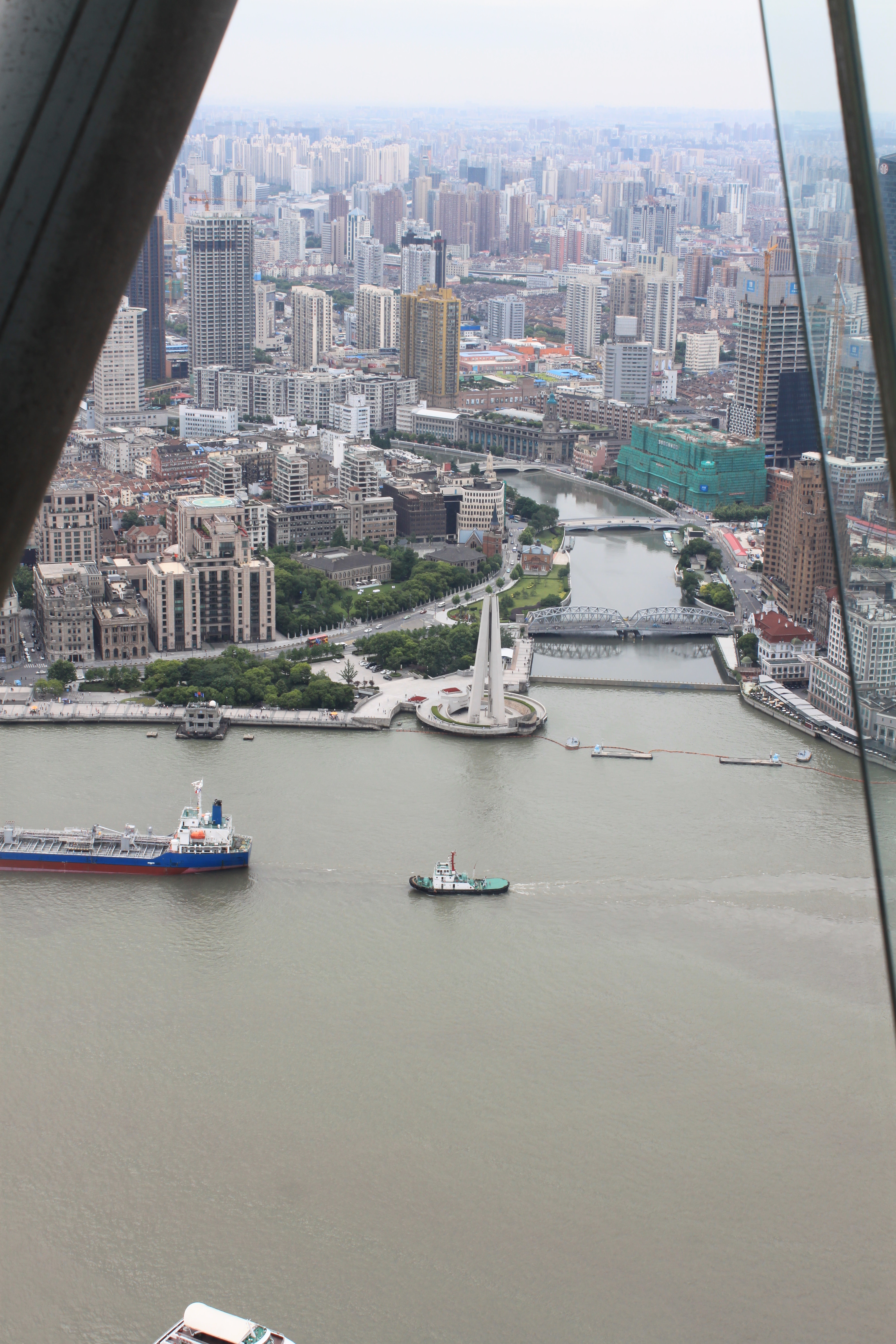
11 o'clock The Suzhou Creek

11 o’clock The Suzhou Creek

sits on the Huangpu river, a tiny tributary at the mouth of the mighty Yangtze River – the biggest in China.  This tiny tributary, however is capable of taking ocean going liners and other sizeable cargo vessels.  I took several photos of the views from the top sphere that we visited starting at about 11 o’clock and turning anti-clockwise:


10 o'clock The North Bund and Puxi

10 o’clock The North Bund and Puxi

At 9 O'clock the Bund with Ocean-going ships

At 9 o’clock the Bund with Ocean-going ships on the Huangpu River

At 8 o'clock Puxi Heading off to the horizon

At 8 o’clock Puxi Heading off to the horizon

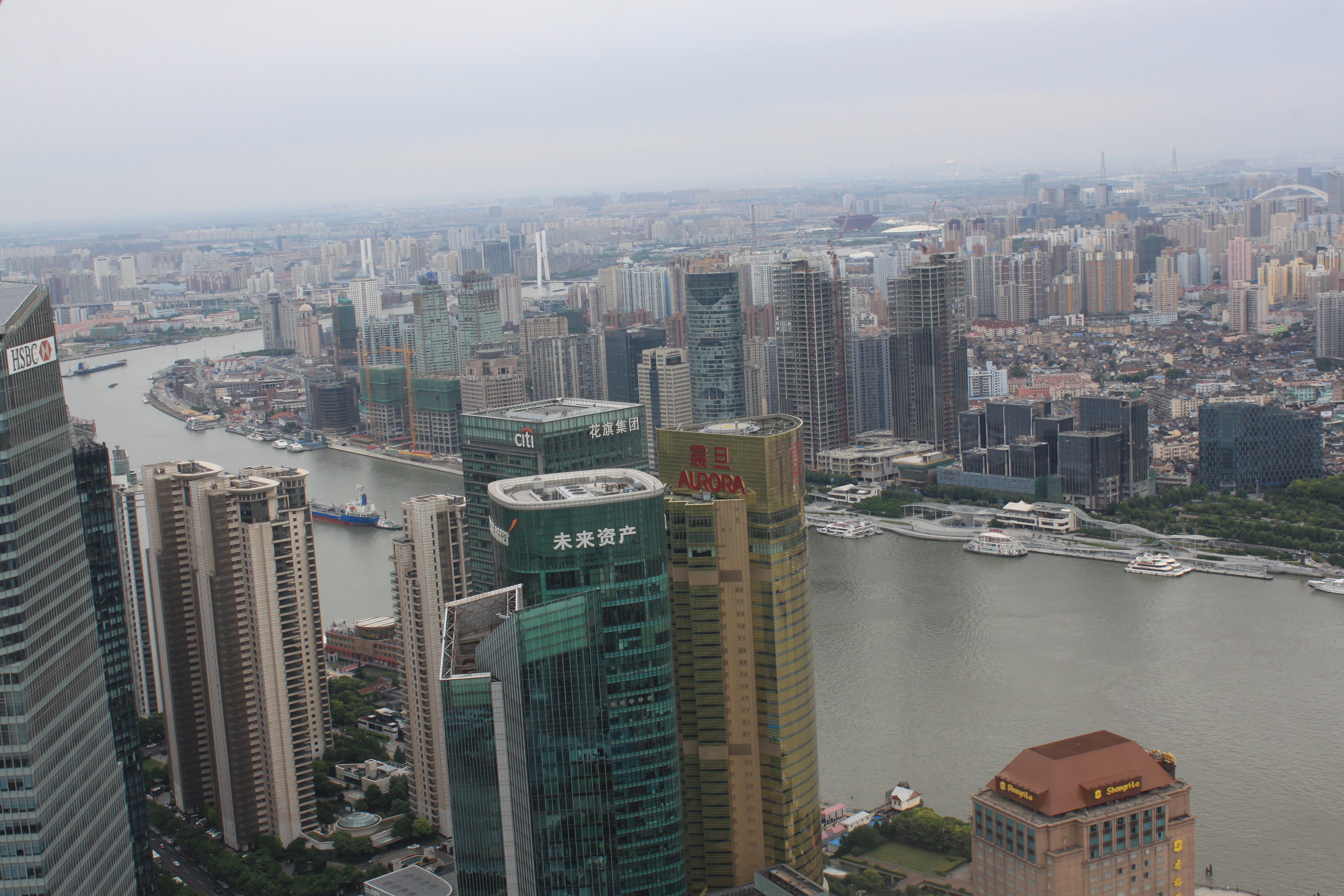
At 7 O'clock The Huangpu River turning westwards

At 7 o’clock The Huangpu River turning westwards

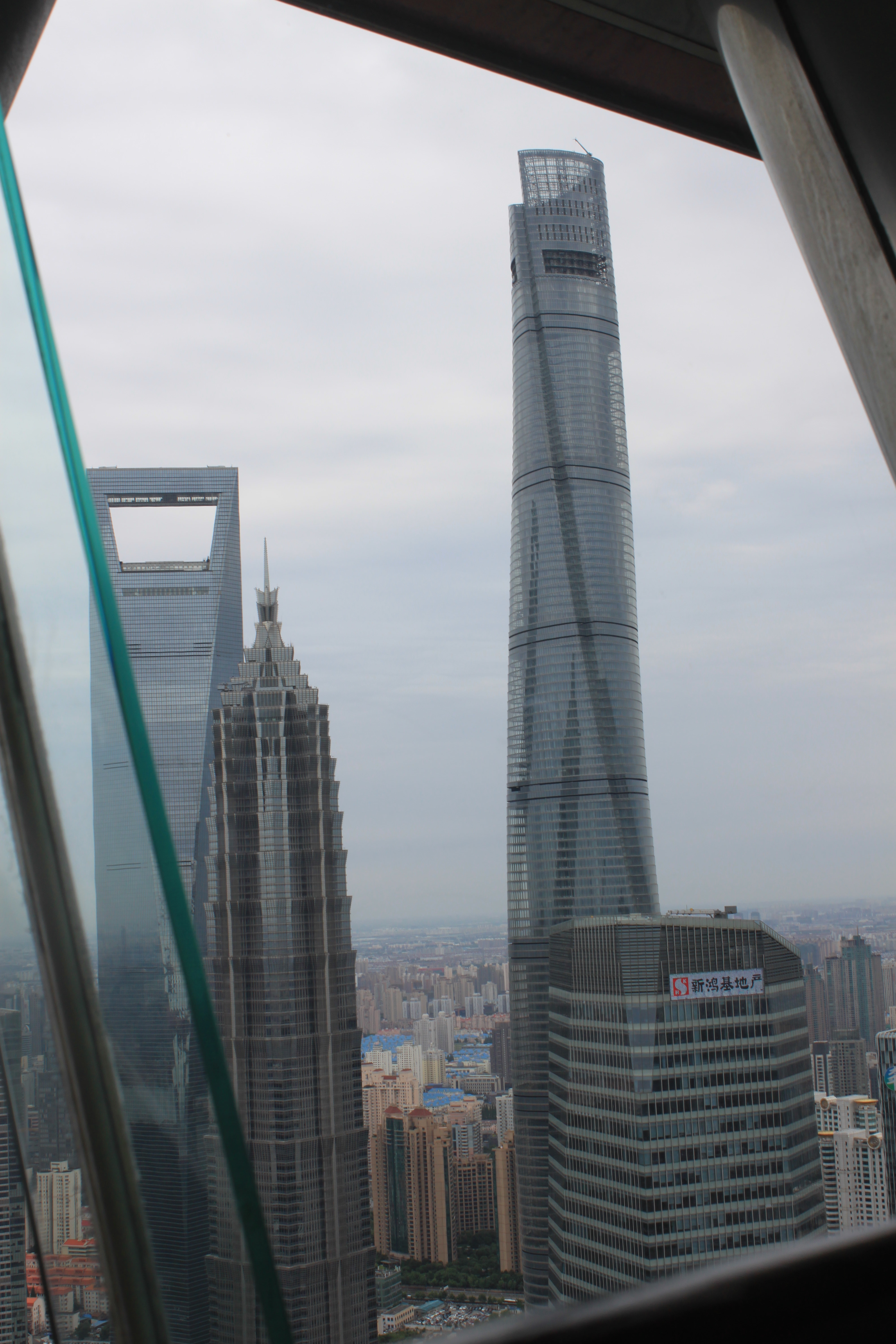
At 5 o'clock the three towers

At 5 o’clock the three towers
The Shanghai World Financial Centre, The Jin Mao Tower and the Shanghai Tower

At 4 o'clock The Pudong heading off the 41km non stop buildings to the airport

At 4 o’clock The Pudong heading off the 41km non stop buildings to the airport

At 3 o'clock the Huangpu River turning north

At 3 o’clock the Huangpu River turning north

At 1 o'clock the Yangtze River on the horizon

At 1 o’clock the Yangtze River on the horizon

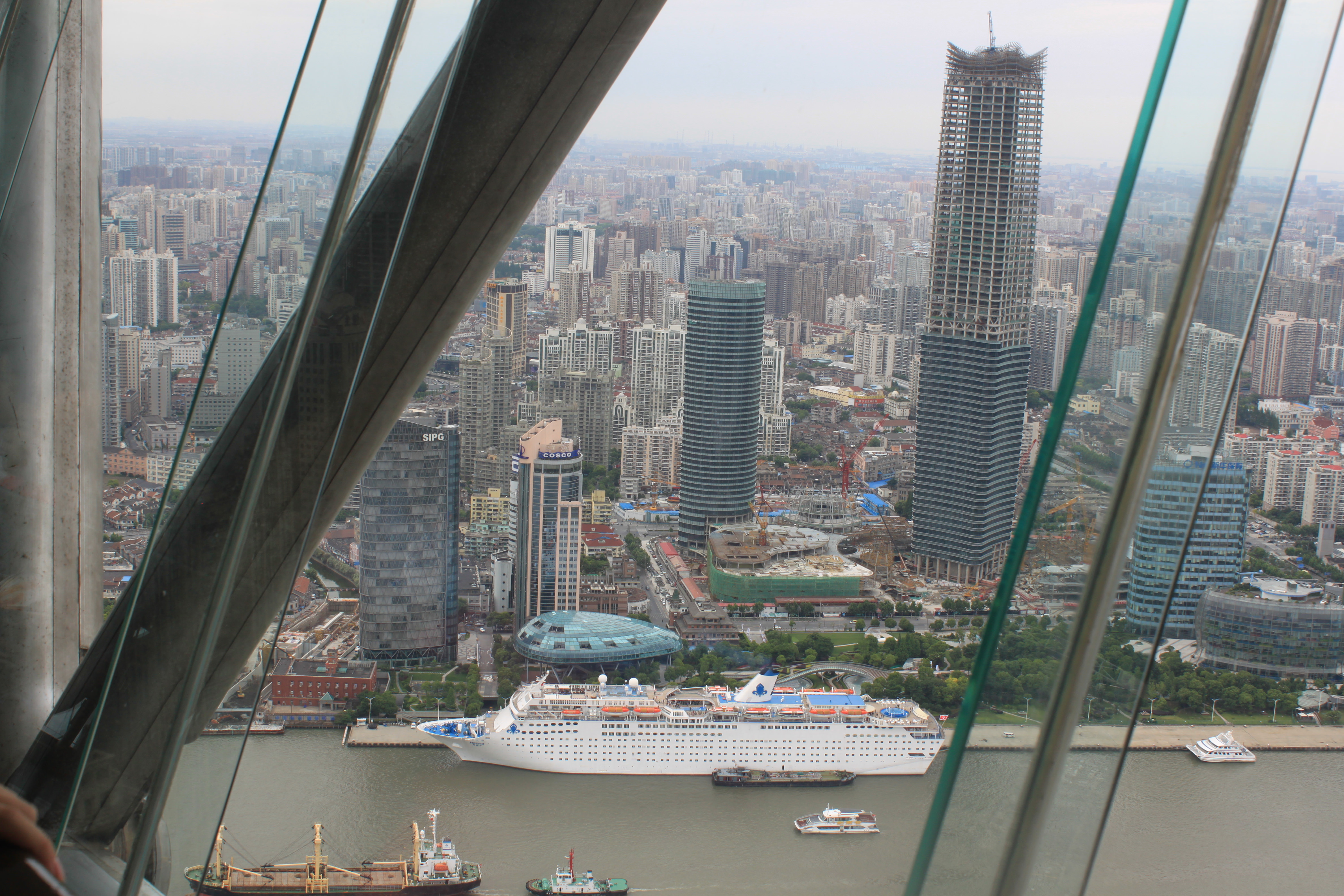
At 12 o'clock a Cruise ship on the Huangpu

At 12 o’clock a Cruise ship on the Huangpu


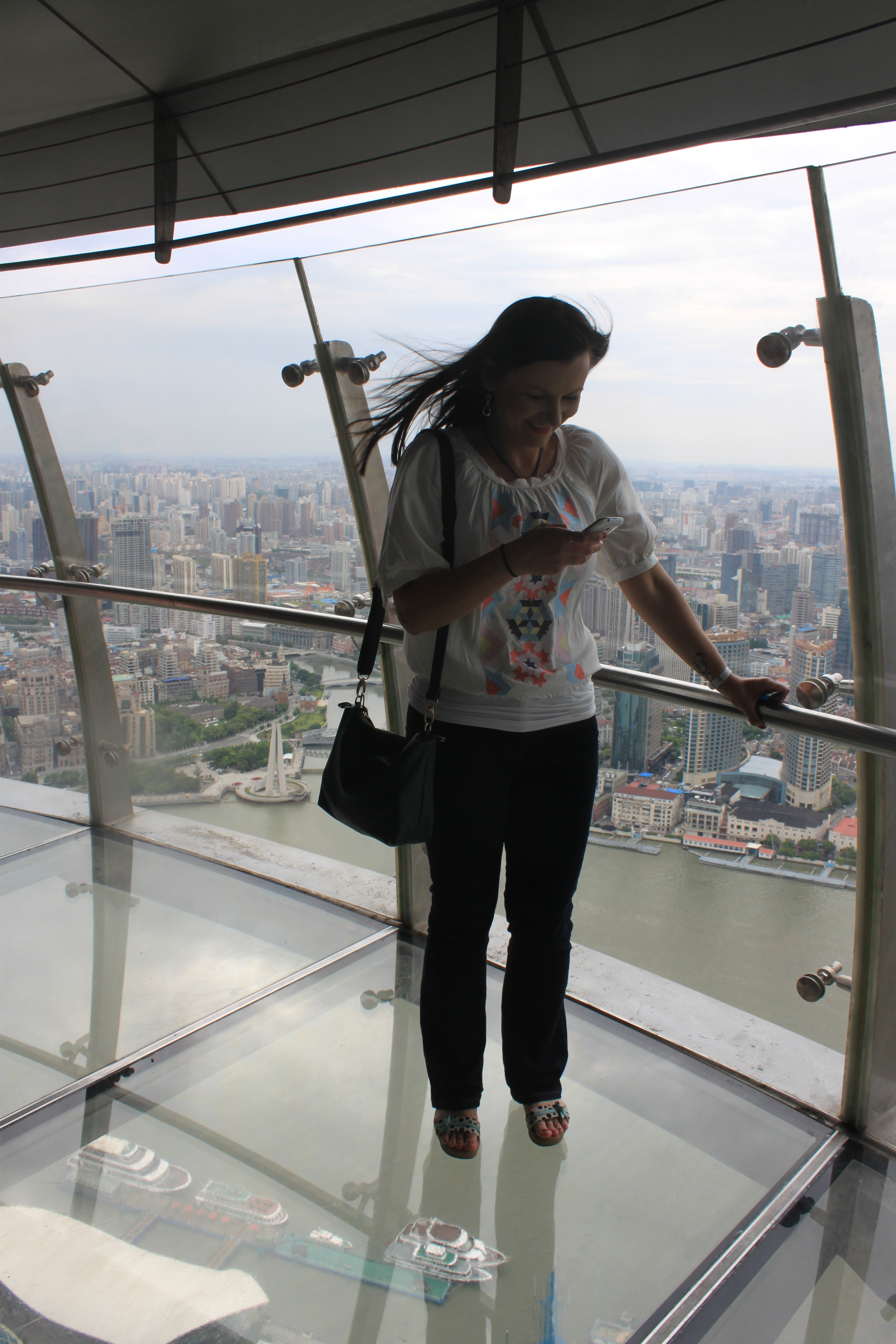
We then took the stairs down a floor, which took the idea of a viewing platform to a whole new level (downwards):

Marta holding on tight

Marta holding on tight

Marta on the Viewing Platform

Marta on the Viewing Platform

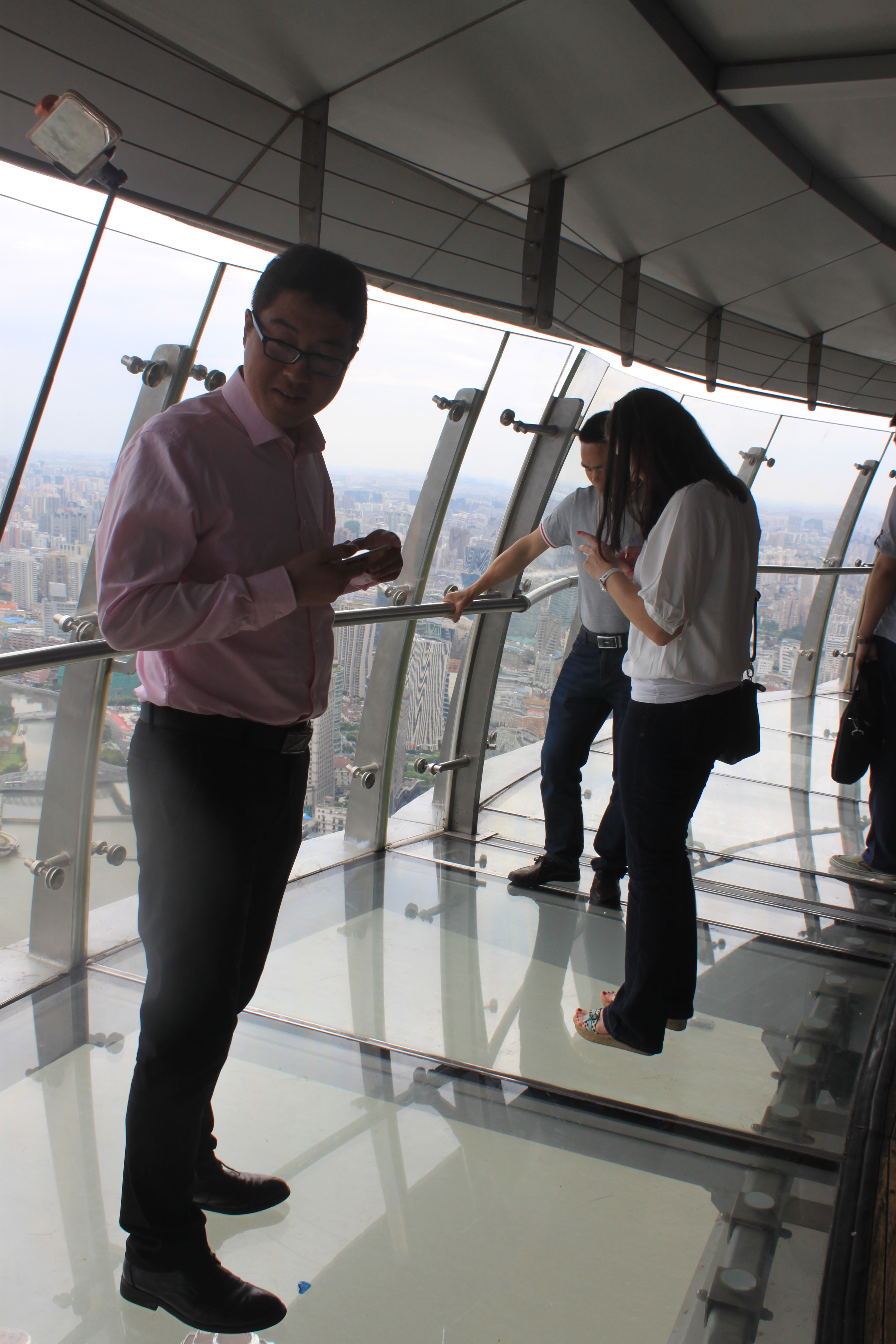
Others on the Viewing Platform

Others on the Viewing Platform

IMG_4674IMG_4699


Much more impressive than these people lying down was the little boy who was lying face down…….  (but I didn’t get my camera out in time).  I took some photographs as I stood looking down through the glass, this one on the right looking back down at the base tower from the outside edge of the viewing platform was a little disconcerting, a bit like looking at the Earth from Space I should imagine.


The Pedestrian Roundabout from Above

The Pedestrian Roundabout from Above

The Base of the Oriental Pearl Tower From Above

The Base of the Oriental Pearl Tower From Above

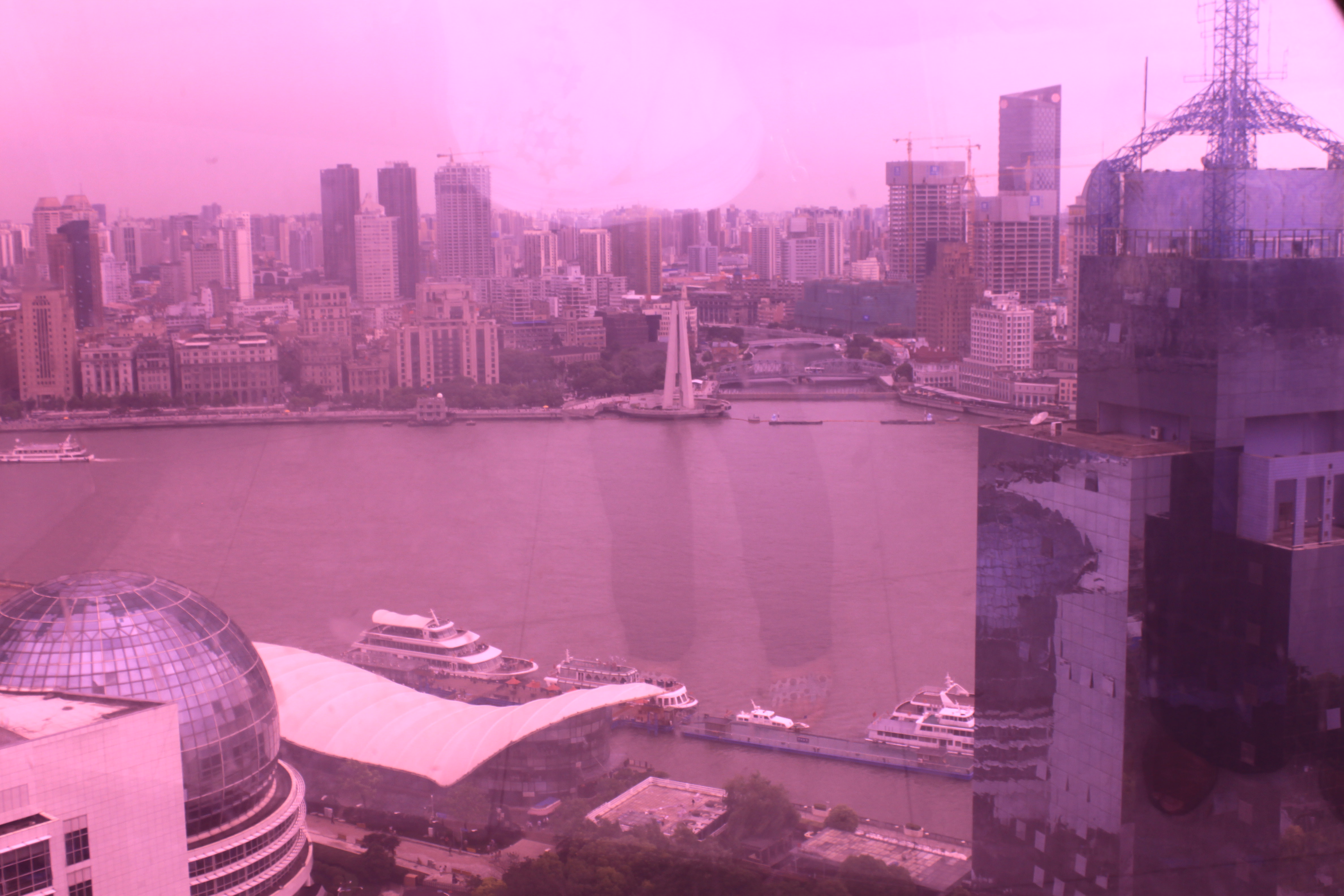
On the lowest  sphere you could also look out at the views of Shanghai, but this time through rose-tinted glass.  It didn’t really do anything for me. We then proceeded to the basement to the Shanghai History Museum, which I have already told you about.

Shanghai through rose-tinted glass

Shanghai through rose-tinted glass

Looking up at the glass floored-viewing platform

Looking up at the glass floored-viewing platform


Loki in Janet's Conservatory

Loki in Janet’s Conservatory

As I write this, I have had news about our male cat Loki from a neighbour, Janet, in our small town in Kent: knowing that he is behaving as normal – taking up squatter’s rights in whoever’s place has the warmest place to sleep is comforting, but also made me miss him and his sister who are being looked after by our house-sitters – when he is at home that is.

Posted in Buildings, Pudong, Sights | Tagged , , | 1 Comment

The Shanghai History Museum


The Entrance to the Shanghai Municipal History Museum

The Entrance to the Shanghai Municipal History Museum

At the base of The Oriental TV Pearl Tower, in the basement, is the Shanghai Municipal History Museum.  There is no mention here of Big Ears Du or Pockedmarked Huang.  All China’s woes are seemingly blamed on the Foreign Imperialists the chief perpetrator of which is Britain.  The UK is blamed for forcing opium on China (there is no mention of Britain’s long-standing desire to purchase tea from China and that opium was the only product (apart from silver) that our islands could find that China was interested in trading for tea and silk.  It is described here as “Britain launched the Opium War (The Battle of Wusong) as a pretext to invade China.”  Perhaps this view of history is correct.  The East India Company had certainly been trading opium with China since the 1730s – the Qing Dynasty had made it illegal in 1729.  It wasn’t until the Chinese seized 20,000 chests of Opium in Guangzhou in 1839 that Britain went to war on behalf of the East India Company.

China a proud nation and before the 1840s, completely self-sufficient and reliant was completely humiliated by the defeat in the Opium Wars and the subsequent signing of the “unequal” Treaty of Nanjing in 1942 that allowed Britain to own part of Chinese soil.  There was also fear, too, that Britain would do to China what it did to India, which was to take control of the whole country.  Instead it had one small island, Hong Kong, and just had 5 treaty ports in a country which opened them up to trade foreigners – in a country where only a century before it had been illegal for anyone to sail into the ocean – all vessels had to stay in coastal waters. (A year later another treaty gave Britain extraterritorial rights which exempted them from the local law – diplomatic immunity is one such law).

Whereas the hurt is expressed, the acknowledgement of the benefits of the opening up of China to trade with the rest of the world is more implicit and much less explicit in this exhibition.

And whilst this has little to do with Shanghai, I find the Chinese reaction to the Imperialist British “land grab” rather bemusing considering their own behaviour over the lands of others which to the outside world makes them to be completely hypocritical.  But no Han Chinese person would see it as such.  They are not taught otherwise.  And in general they do not question what they are taught.

They all appear to know about the recent Scottish referendum for independence and one gets the impression that they were rather gleeful that the United Kingdom might have split apart. But it would never occur to them that they too are an Imperialist nation and they too could, or maybe should, allow their own ethnically separate groups to have their own such referenda.  Instead China is moving as many Han Chinese into these regions as are prepared to go.

In visiting a number of museums and exhibitions now it strikes me that China still feels itself to be a victim.  But with my Imperialist’s hat on I ask the question if China had not opened itself up to trade in the mid 19th Century, where would it be now?  How much of the failings during the end of the 19th and the beginning of the 20th Century are down to its own moribund way of doing things (for example the exclusion of foreigners, an Emperor trapped for life in a Forbidden City, or a Civil Service Exam that examined for achieving a stylised form of essay, not whether the applicant was any good at getting things done for example).  The “unequal” treaty of Nanjing led to a weakening of the Qing Dynasty and ultimately the overthrow of their country’s long-surviving feudal system.  Admittedly many died in the rebellions, civil wars and revolutions that followed, but that is true of political disruption all over the world.

I would like to see China break its way out of victimhood and take responsibility for how it thinks about itself and its own role in its history.  Will this happen as China becomes more confident on the world stage?  I hope so.

That’s enough pontificating.  I enjoyed visiting this museum.  It covered the 6 ages of Shanghai, but sometimes the boundaries between the six halls were blurred.  It is essentially a waxworks museum intertwined with some seriously good scale models.

The History of Traffic

Wheelbarrows

Wheelbarrows

Wheelbarrows

Wheelbarrows like this could seat two passengers, one either side of the large central wooden wheel enclosed by a wooden frame.  It was also used to carry goods.  The first known record of a wheelbarrow was found in a tomb in Chengdu Sichuan  province from 118 AD.


Sedan Chairs

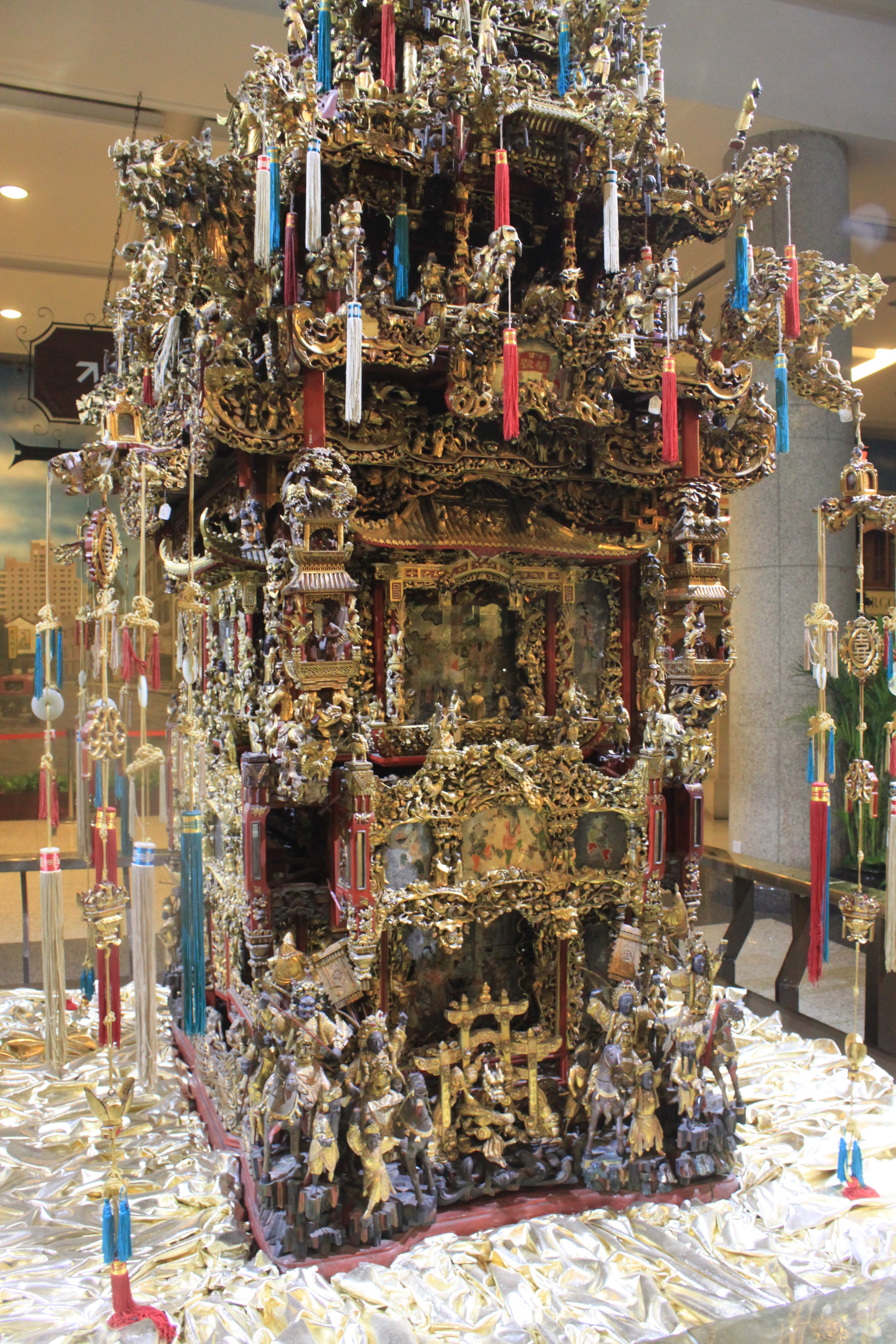
A Wedding Sedan Chair decorated with 100 children

A Wedding Sedan Chair decorated with 100 children

Sedan Chair

Sedan Chair


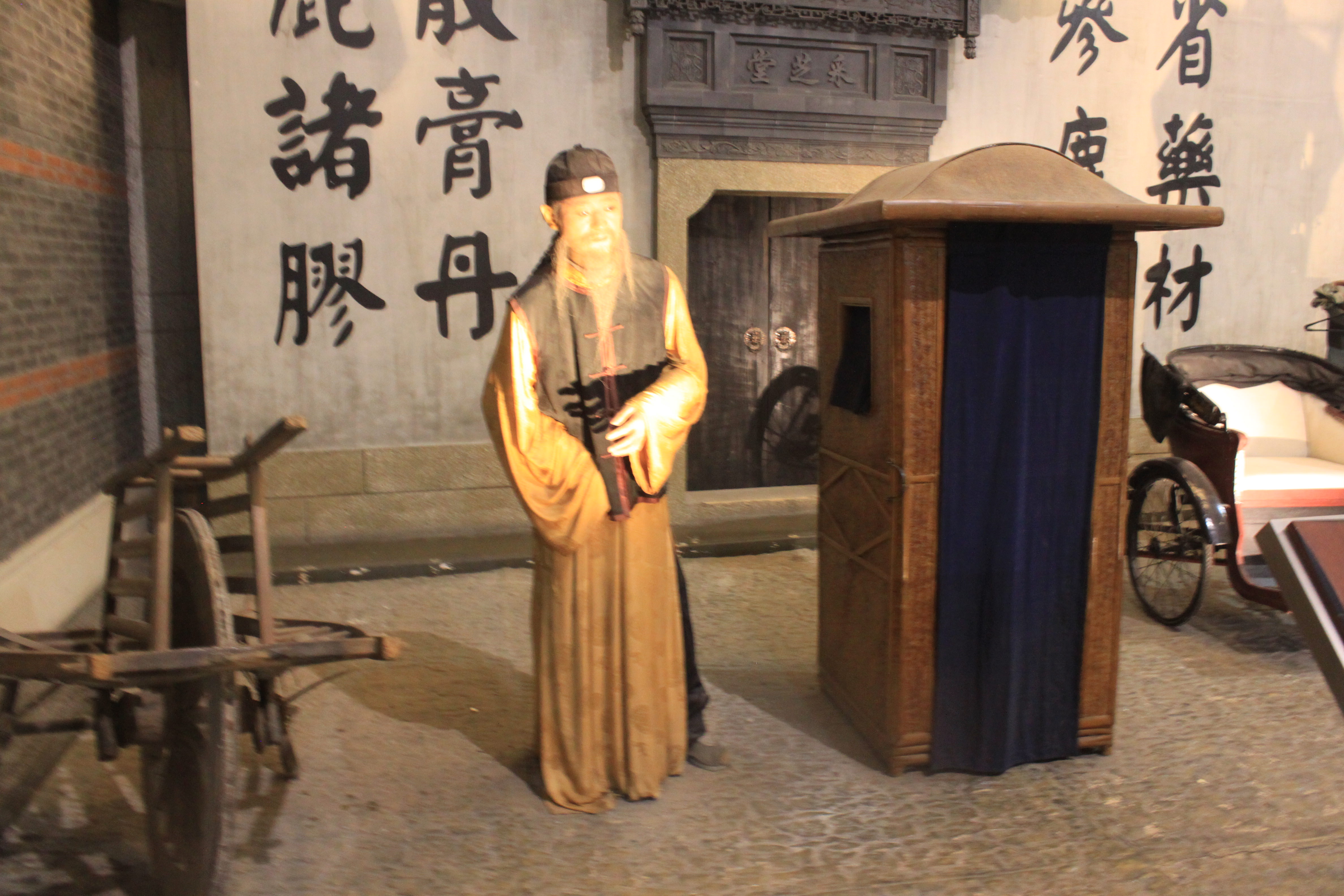
Sedan chairs were the main means of travel in 19th Century Shanghai.

This wedding sedan chair was made by the largest renting shop in Old Shanghai – “Wu Hua Hao”.  In 1927 the shop owner had it prepared it for the wedding of his son Zhou Zongyu.  Ten carpenters carved numerous figures from operas and stories on it over a period of ten years.

Horse carriages were introduced in in the 1850s from Europe, but I don’t think there were many of them.  They were used privately at first and then during the 1870s some were used for public use.

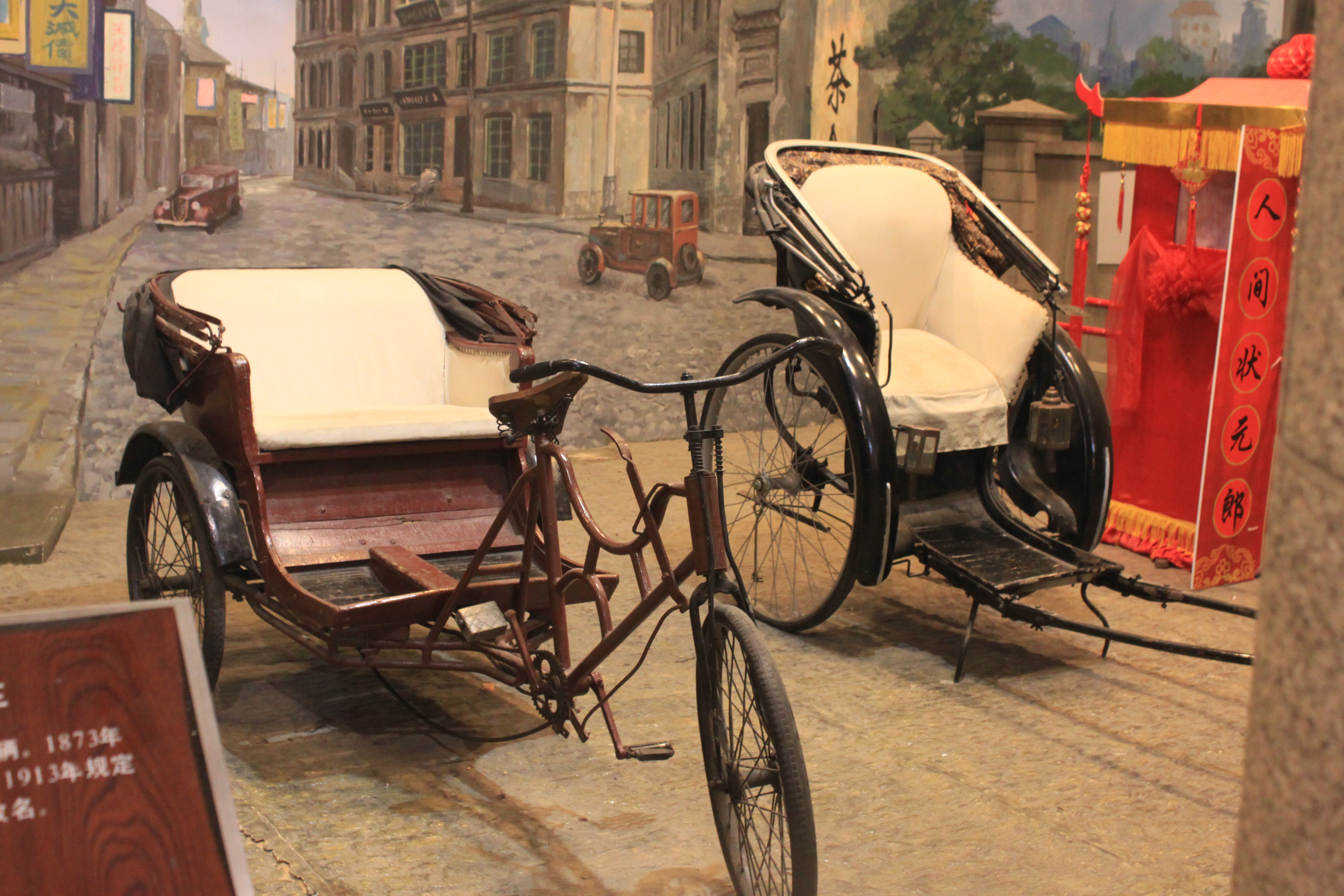
Rickshaw

Rickshaw

Rickshaws were introduced into Shanghai in 1873 by the Japanese, so they were called ‘dong yang che’ or eastern foreign vehicle and it became the main method of private transport in the 1930s.  In 1913 it was stipulated that all the rickshaws should be painted yellow, so they were called ‘huang bao che’ or yellow vehicle.

Pedicabs

Pedicabs

Pedicabs started to appear on the streets of Shanghai in 1923 and became the main means of transport after the War Resisting Japan’s Invasion, known also as the Second Sino-Japanese War (July 7, 1937 – September 9, 1945), which ended officially one week after the end of World War 2.


Public Transport:

Early Trolley Car Model

Early Trolley Car Model


On 5th March 1908 the first tram ran in Shanghai.  The first Chinese-owned  tram-track ran opened on 11th August, 1913.


Trackless Trolleybus Model of the 1920s and 30s

Trackless Trolleybus Model of the 1920s and 30s

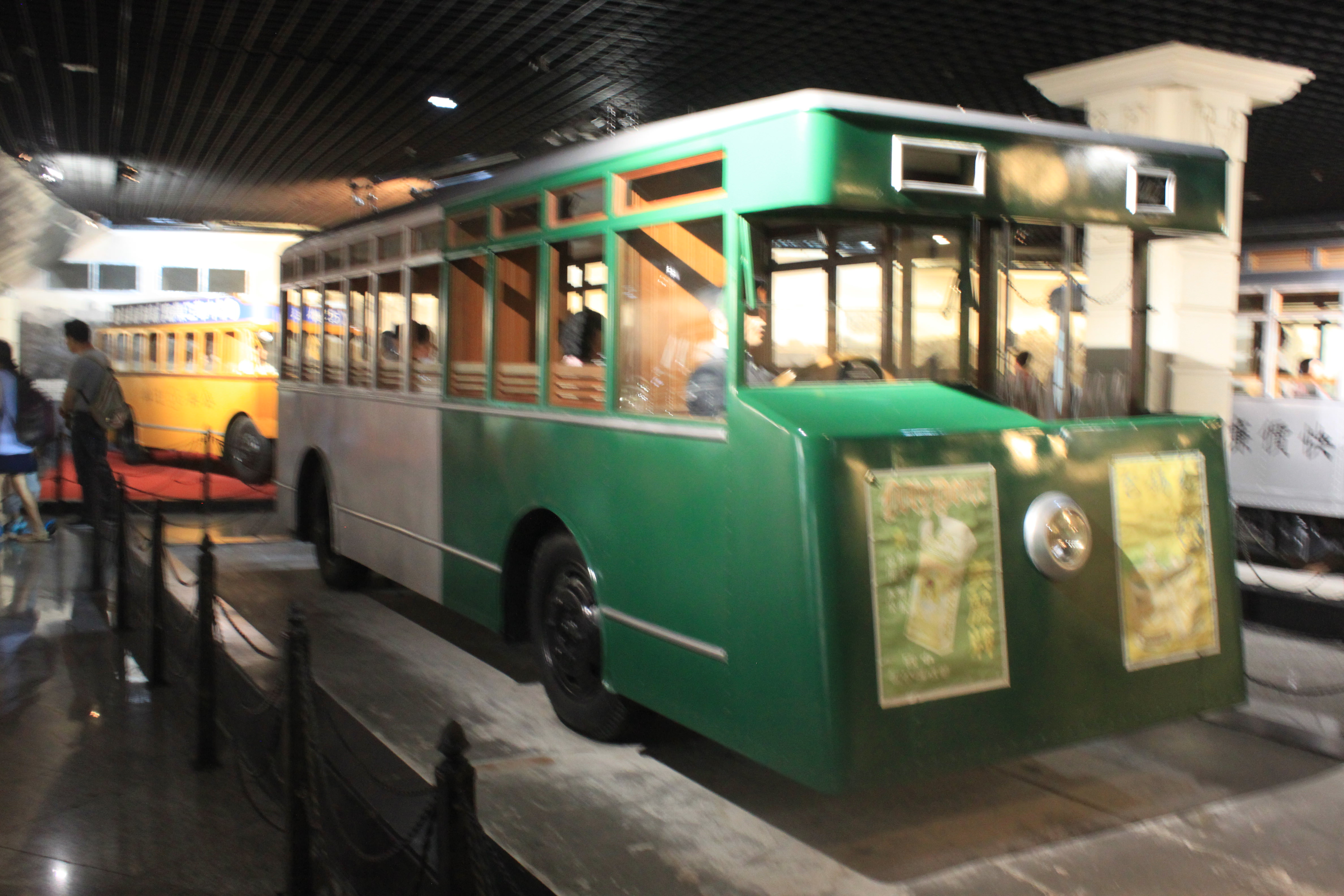
On 15th November 1914, the first trackless trolleybus was opened.  By the 1920s and 1930s this was the main means of transport around he city.


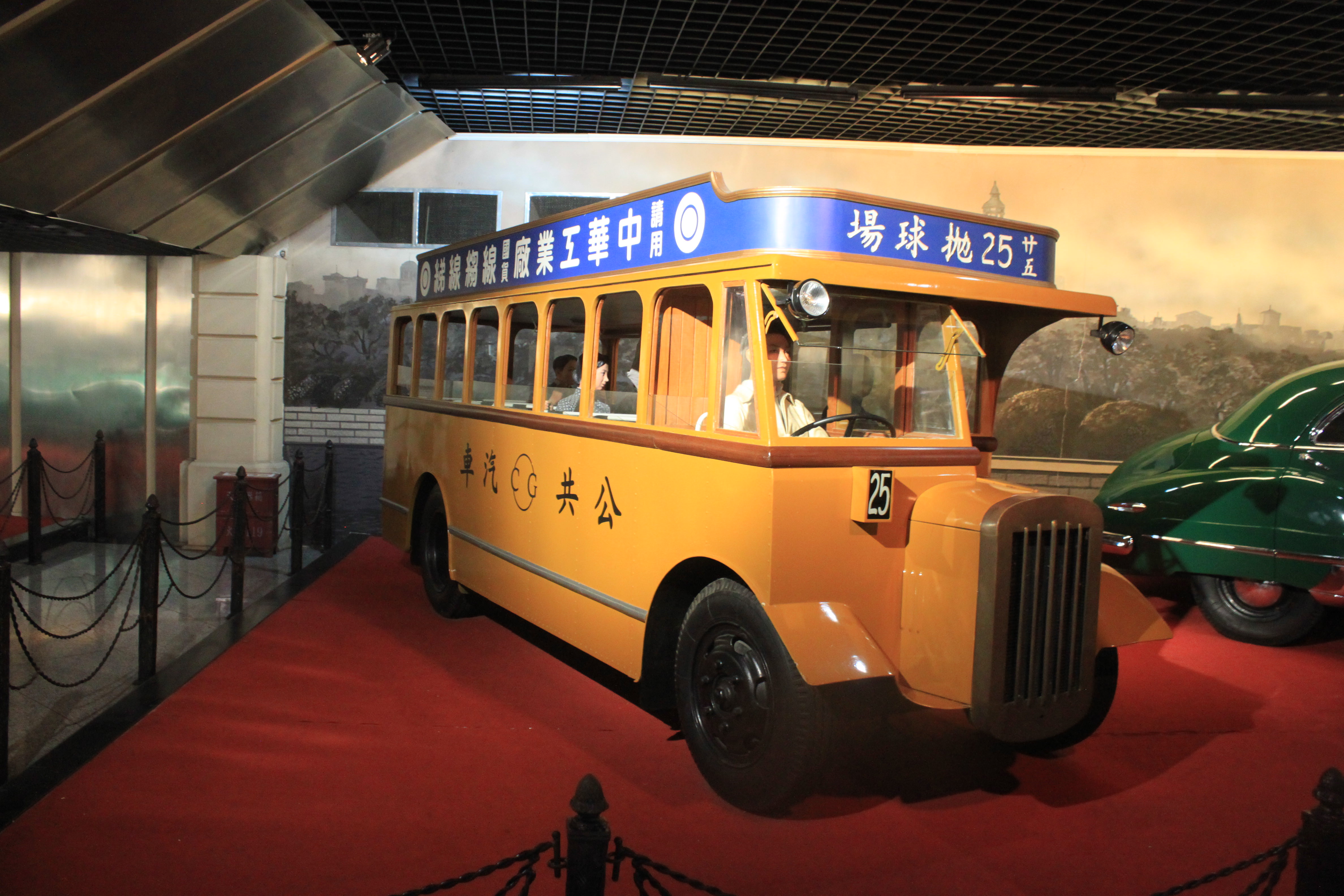
Model of a Bus running on Nanjing Road in the 1930s

Model of a Bus running on Nanjing Road in the 1930s


On 13th August 1922, the first bus line in Shanghai was opened by Chinese businessmen.


Foreign-made Cars

1920s Model Sedans

1920s Model Sedans

This type of early sedan car was used exclusively by the rich and VIPS in Shanghai.


Buick Sedan 1940s
Buick Sedan 1940s

US Jeep 1940s

US Jeep 1940s


Chinese-Made Cars

Fenghuang (Phoenix) Sedan 1950s

Fenghuang (Phoenix) Sedan 1950s

The Fenghuang (Phoenix) Sedan was the first medium-high-end sedan made in New China.  The body was made and the car assembled in the Shanghai Automotive Assembly plant – first car off the line was 30th September 1959.


Santana Sedan of the 1990s

Santana Sedan of the 1990s

In 1984 Shanghai Volkswagen Co. Ltd. was established as a joint venture between Volkswagen, Germany and the Shanghai Automotive Industry Group.  The first car rolled off the production line in March 1985.  Nowadays these models cars are mainly used by the three Shanghai taxi companies.


Features of the Old City

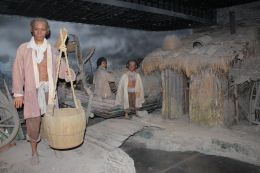
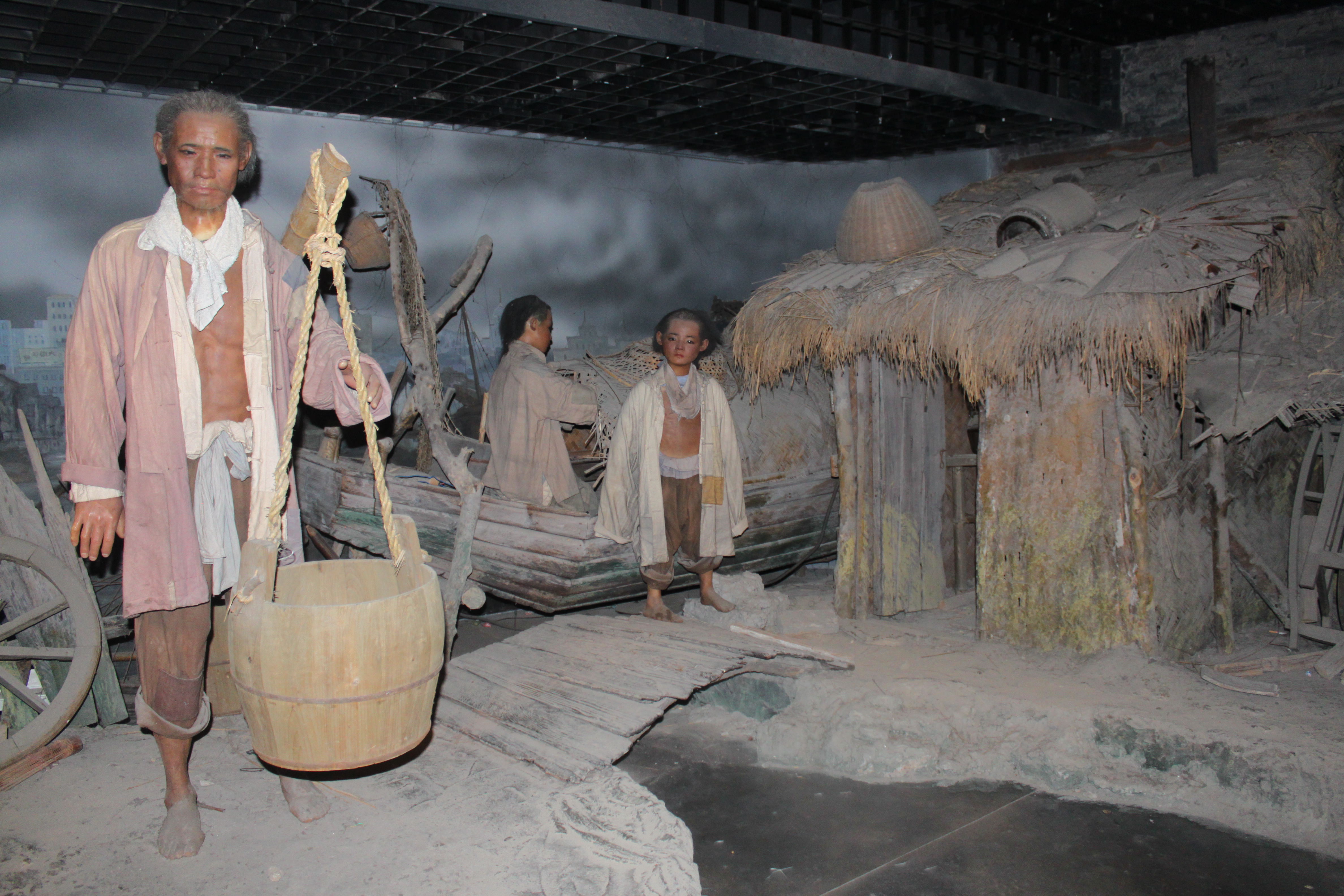
The exhibition went onto to look at the early history of Shanghai saying that despite China having made the four major discoveries of gunpowder, the compass, paper-making and typography with movable type, the main activity in China was farmer’s fun (!) and the tableau we were present with showed Farmer’s Fun in the Ming Dynasty. (I really wonder if this has been lost in translation – most farmers I know are rather miserable souls.)

Grinding grain

Grinding grain

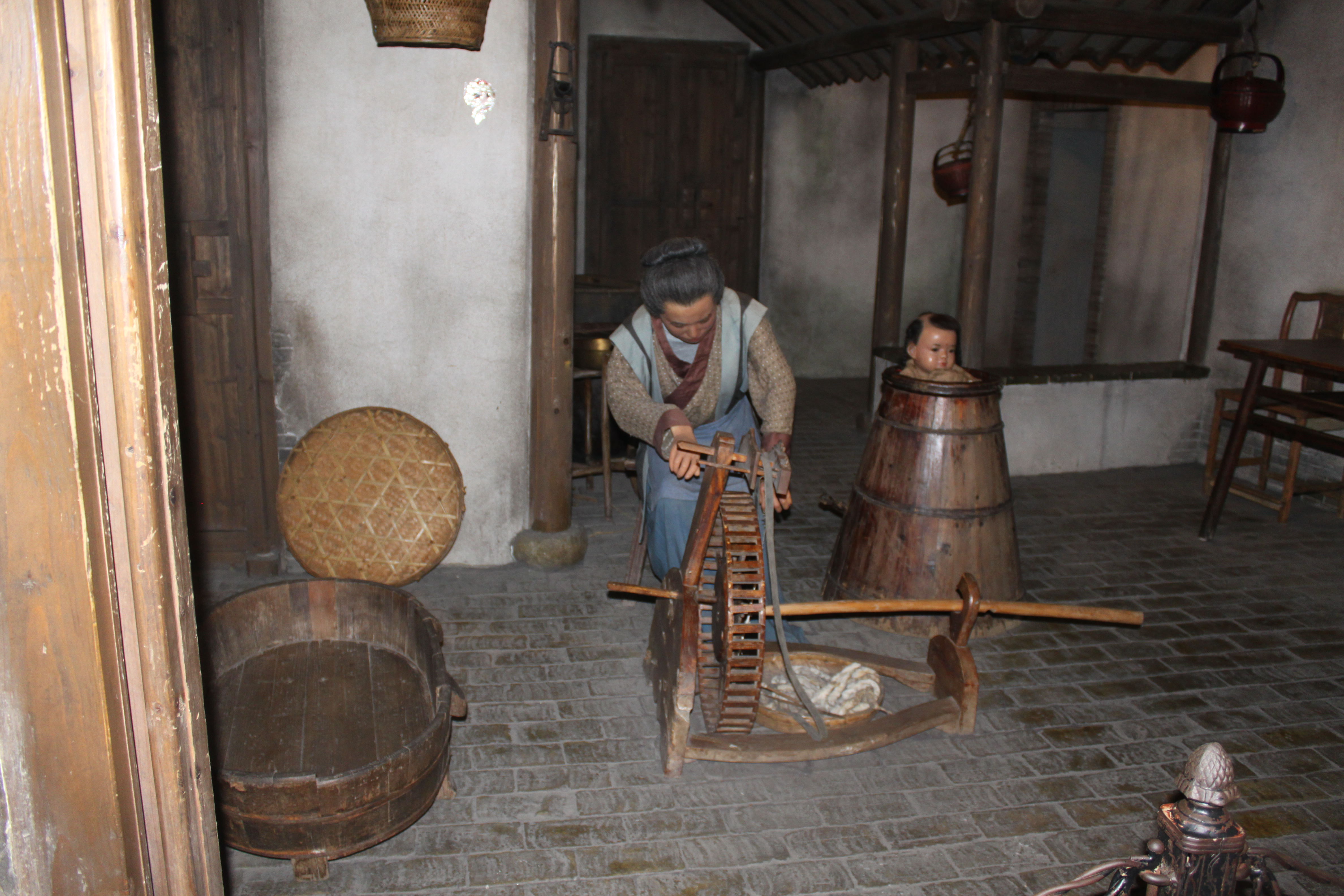
Spinning

Spinning


Note the baby in what looks like a cone-shaped barrel – I have no idea quite what this is.
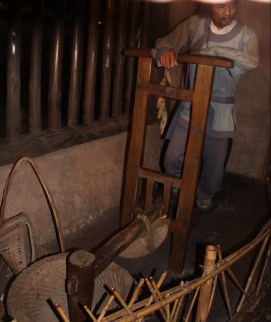
Pounding Grain

Pounding Grain

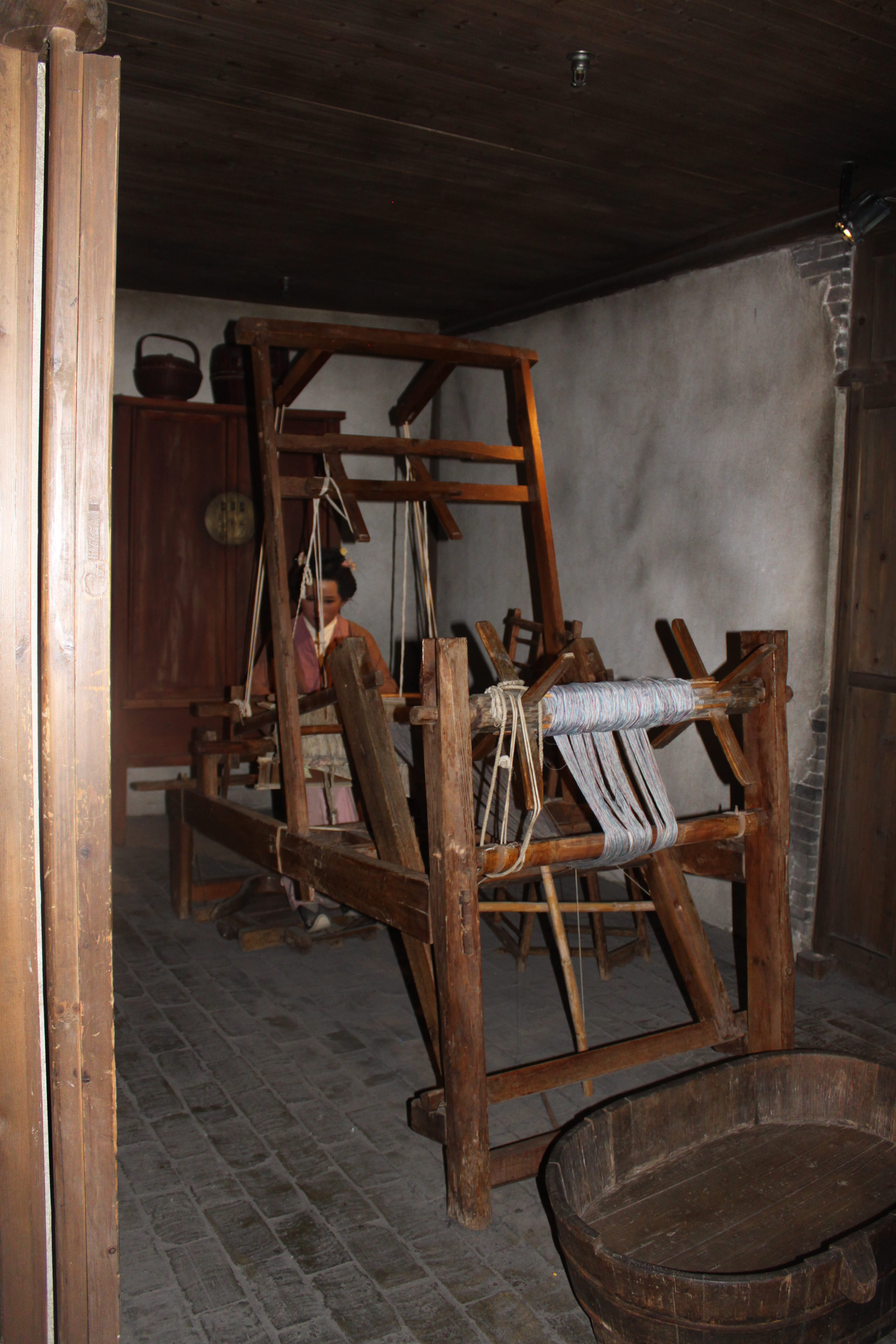
Weaving

Weaving


Thresher

Thresher

Shanghai was formally founded as a county in 1291, but was not walled until the middle of the Ming Dynasty.  During the middle of Emperor Kangxi’s reign (1662 – 1722)  the Ming ban on maritime trade and discourse with foreigners was gradually lifted.  Thus cotton and large shipments by Junks became the city’s main activities.  As Shanghai grew it became known as “Small Suzhou”, which was the much bigger city at the time.

Commercial Shanghai

All of these activities took place within or just outside the City Walls of the Old City.

Firms For Salted Aquatic Products
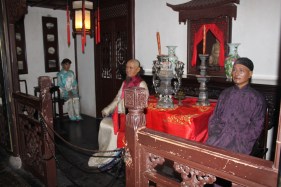
Firms For Salted Aquatic Products

The Merchant Boat Owner's Guild

The Merchant Boat Owner’s Guild

Bamboo Products Shop
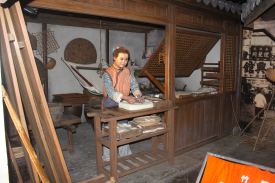
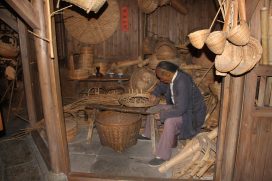
Bamboo Products Shop

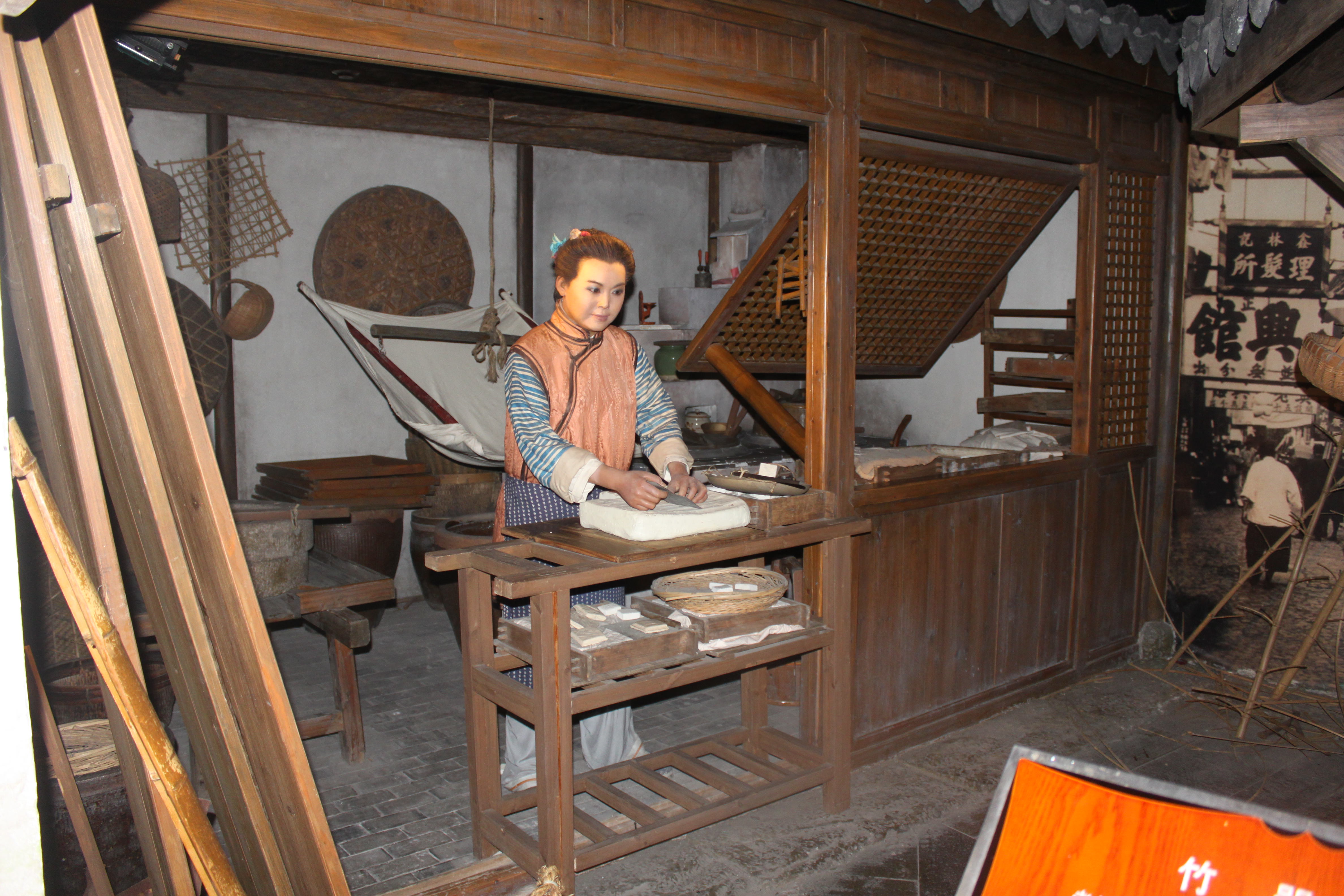
Bean Curd (Tofu) Stall
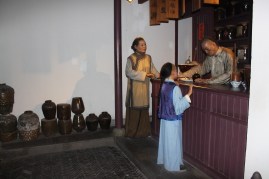
Bean Curd (Tofu) Stall

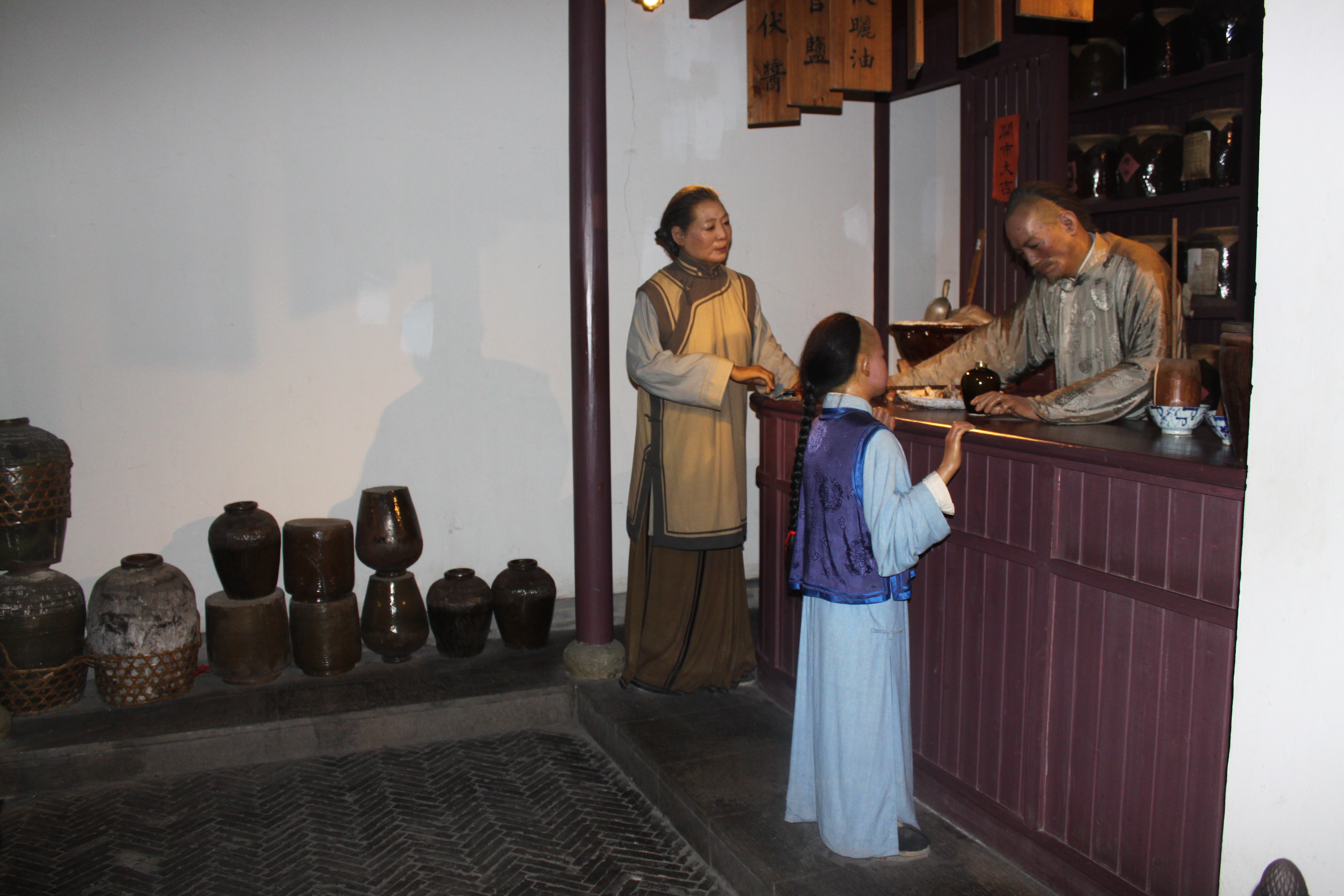
Soy Sauce and Pickle Shop
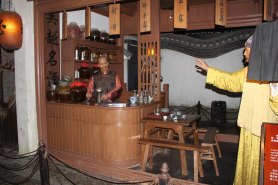
Soy Sauce and Pickle Shop

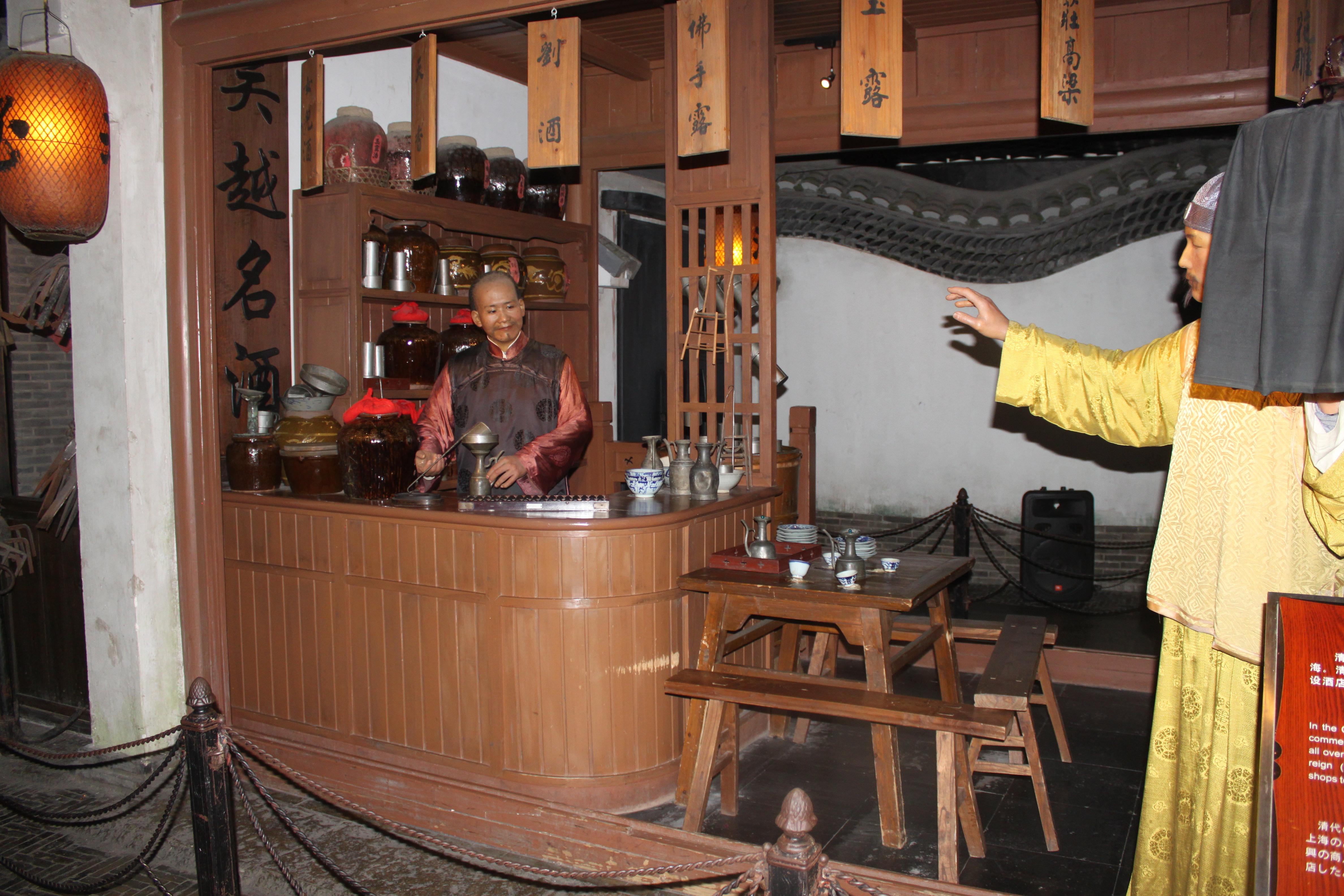
Restaurants

Restaurants

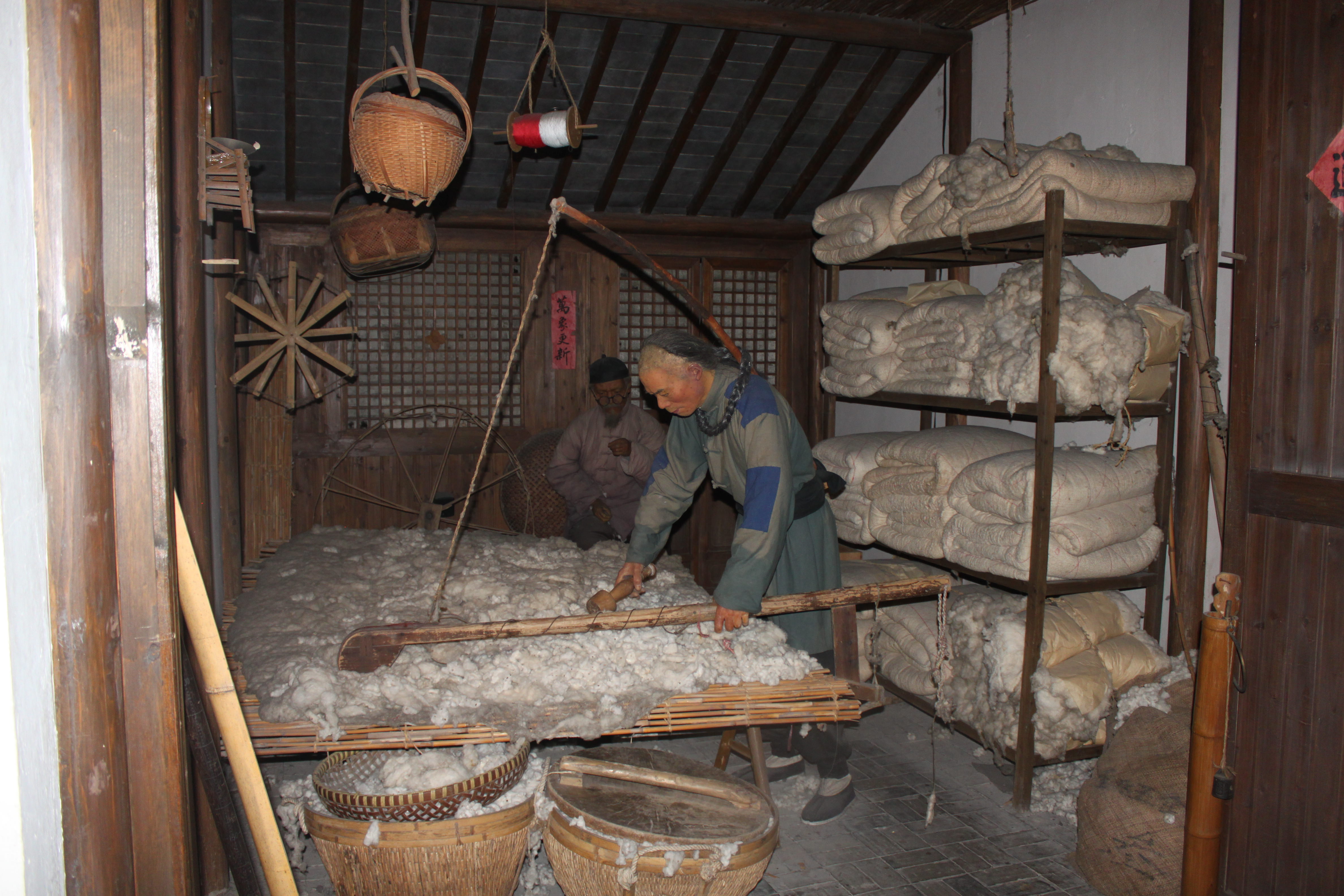
Cotton Production

Cotton Production

Chinese Herb Shops

Chinese Herb Shops

Fortune Teller

Fortune Teller

The Cloth Shop

The Cloth Shop


The City God Temple

The City God Temple

The cotton textile business and the transportation of goods by sea and river (especially once the Beijing-Hangzhou Grand Canal was flooded by the Yellow River) were the mainstays of Shanghai.  By Emperor Daoguang’s reign (1821-50)  the Merchant Boat Owner’s Guild was the biggest guild in the city of Shanghai. During the Ming & Qing Dynasties, Shanghai produced enough cotton textiles for the domestic market that it was said that “The cloth produced from Songjiang (Shanghai) was enough to clothe the whole of China”. In the Qing Dynasty about 25m kg of cotton were shipped inland each year.  Elsewhere I read that cotton production benefited from the American Civil War (1861-5) in that the world export of cotton from the US declined significantly, which allowed Chinese domestic cotton processing in Shanghai to burgeon.

The gunfire of the Opium war and the signing of the “Nanjing Treaty” plunged China into the abyss of Semi-colonialism.  In 1845, foreign settlements and concessions were established in Shanghai and China’s sovereignty was further eroded.  Nonetheless the forced opening had a far reaching effect on the development of the city’s municipal works, economy and culture.
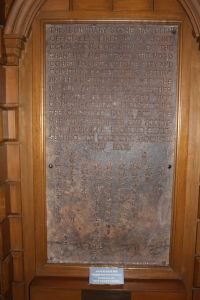
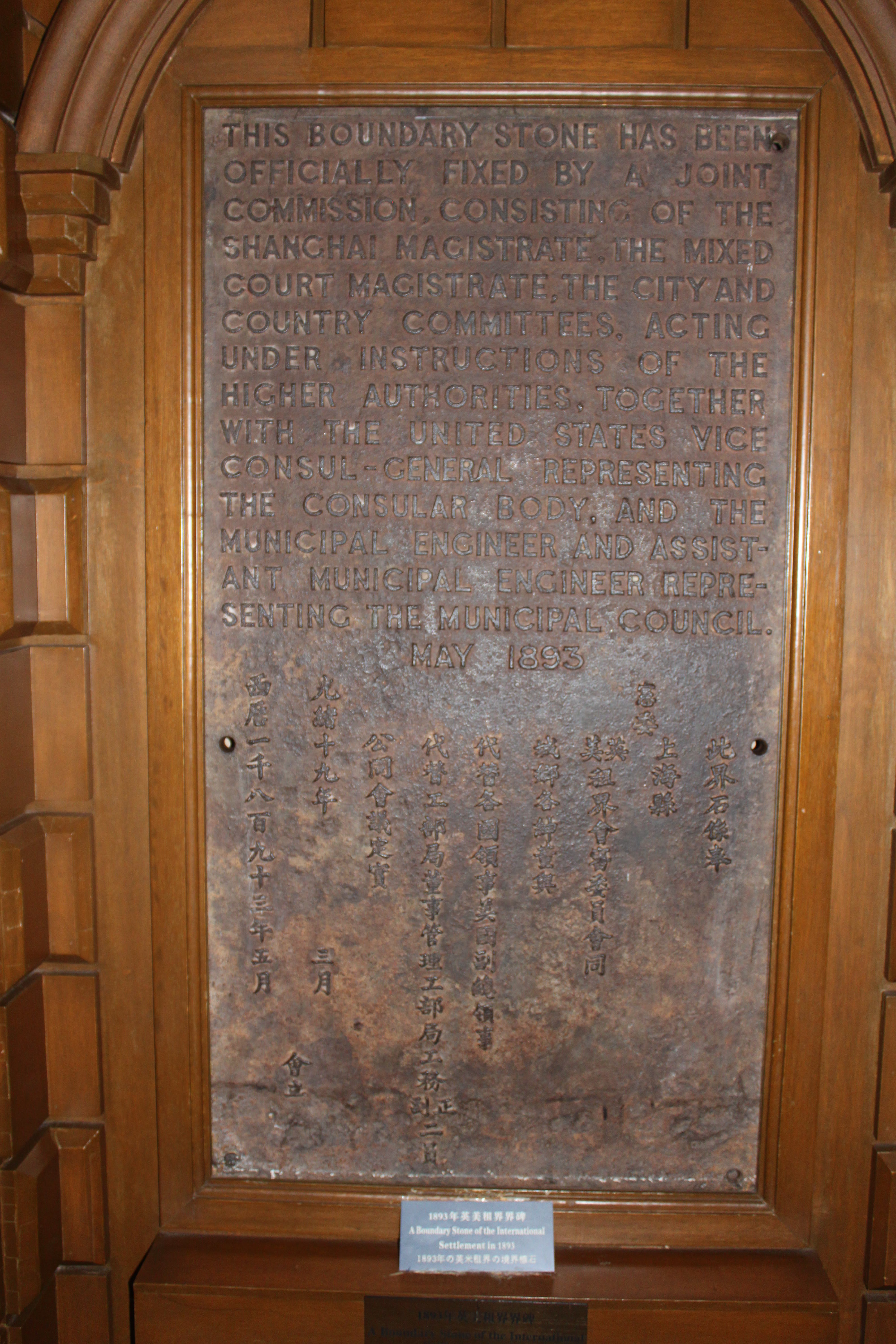
International Settlement Boundary Stone

International Settlement Boundary Stone

This and similar boundary stones marked the edges of the International Settlement (UK and USA controlled area) and The French Concession (French).  The International Settlement was run by The Municipal Council.  In 1943 after Pearl Harbour the foreign concessions were cancelled, along with the Municipal Council thereby ending “an important symbol of  Shanghai’s semi-colonial position.”

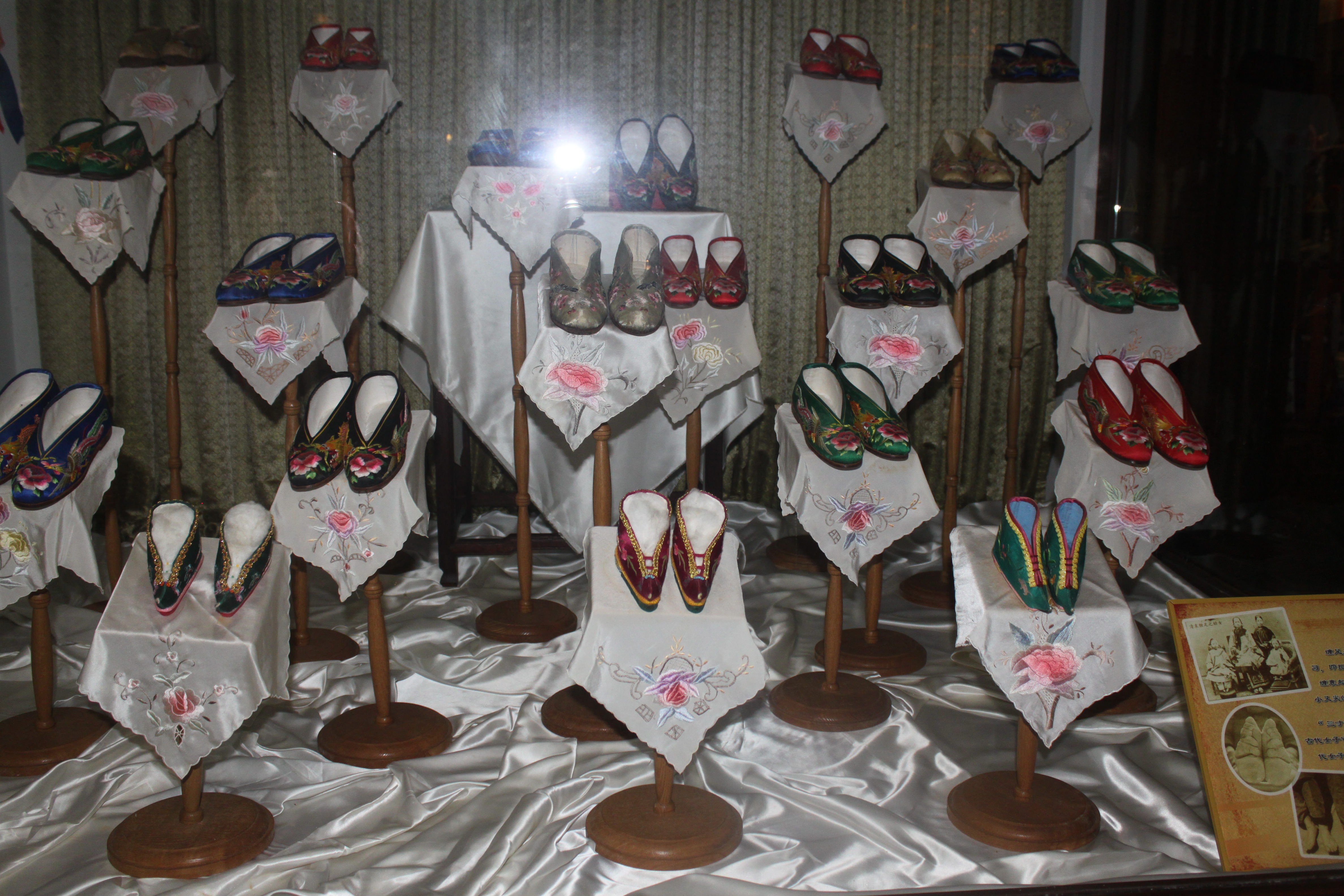
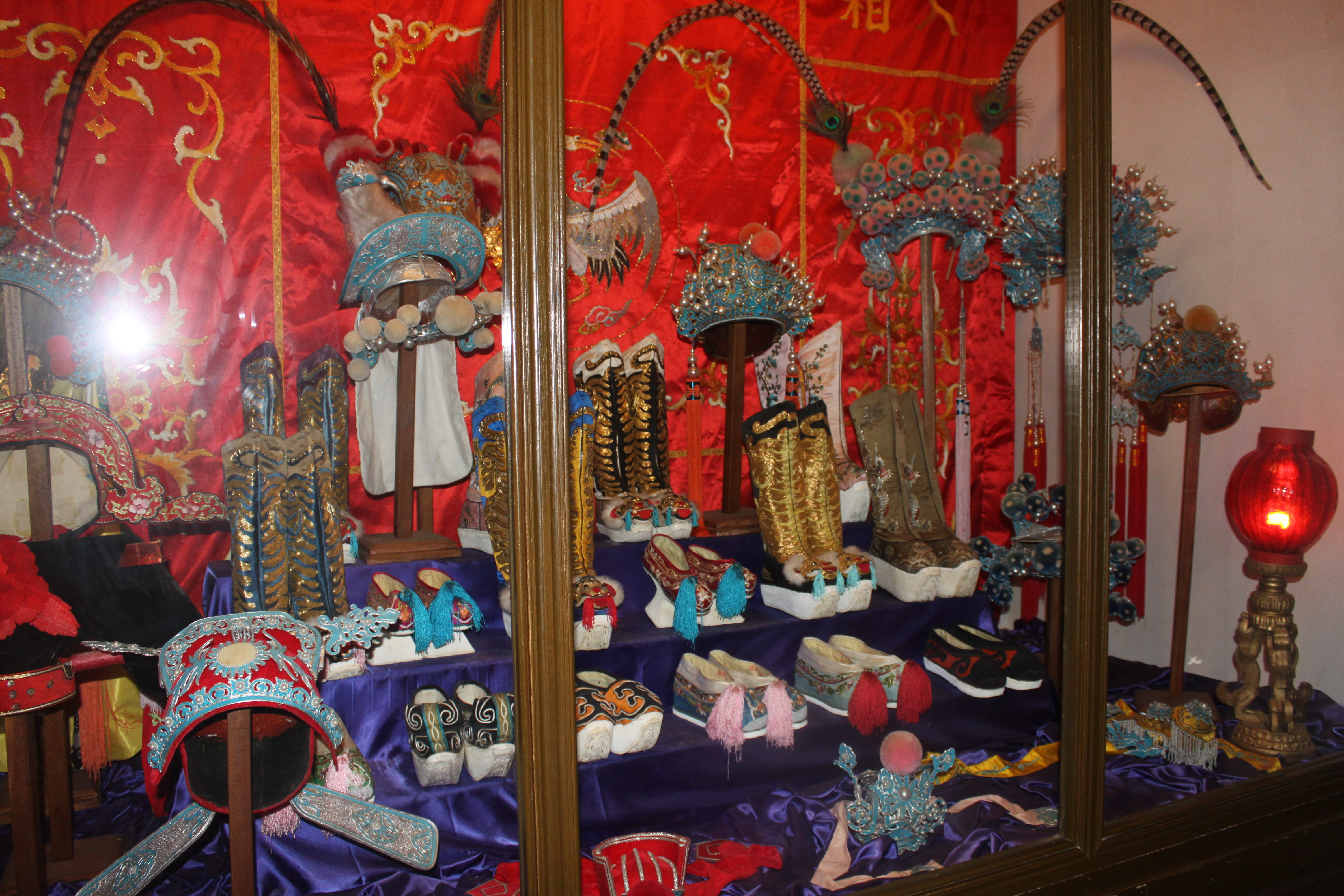
From here it all got a bit confusing – I couldn’t work out which tableau belonged to which section of the museum.  Some of this is about ideas imported from the Westerners, but others like Opera Clothes are very much Chinese, so I didn’t understand the way they classified the following three halls, which was in the hall “Metropolis Infested with Foreign Adventures”, as were the shoes for bound feet, which couldn’t be more Chinese.
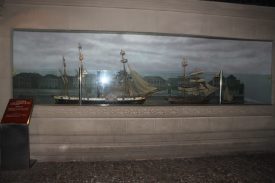
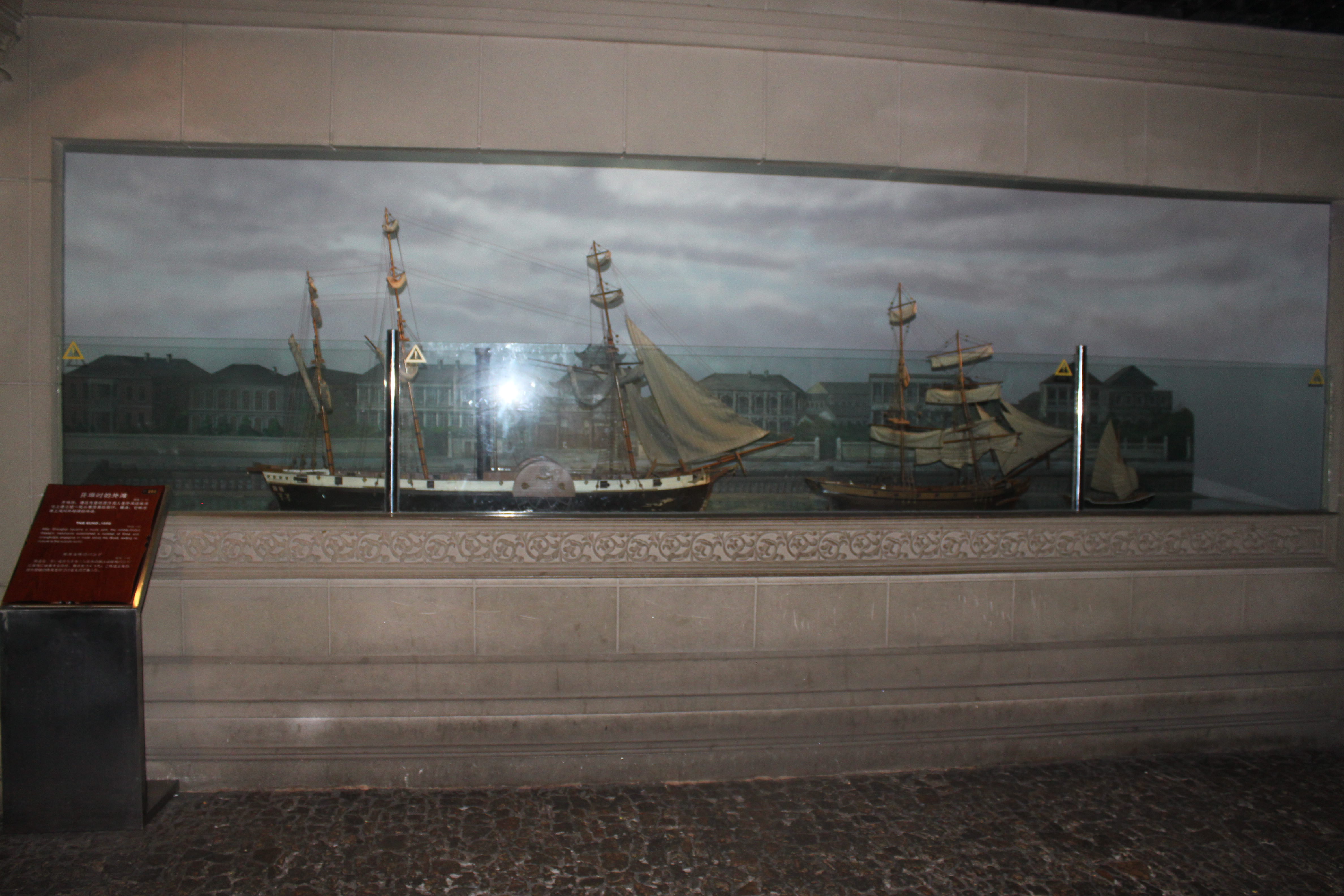
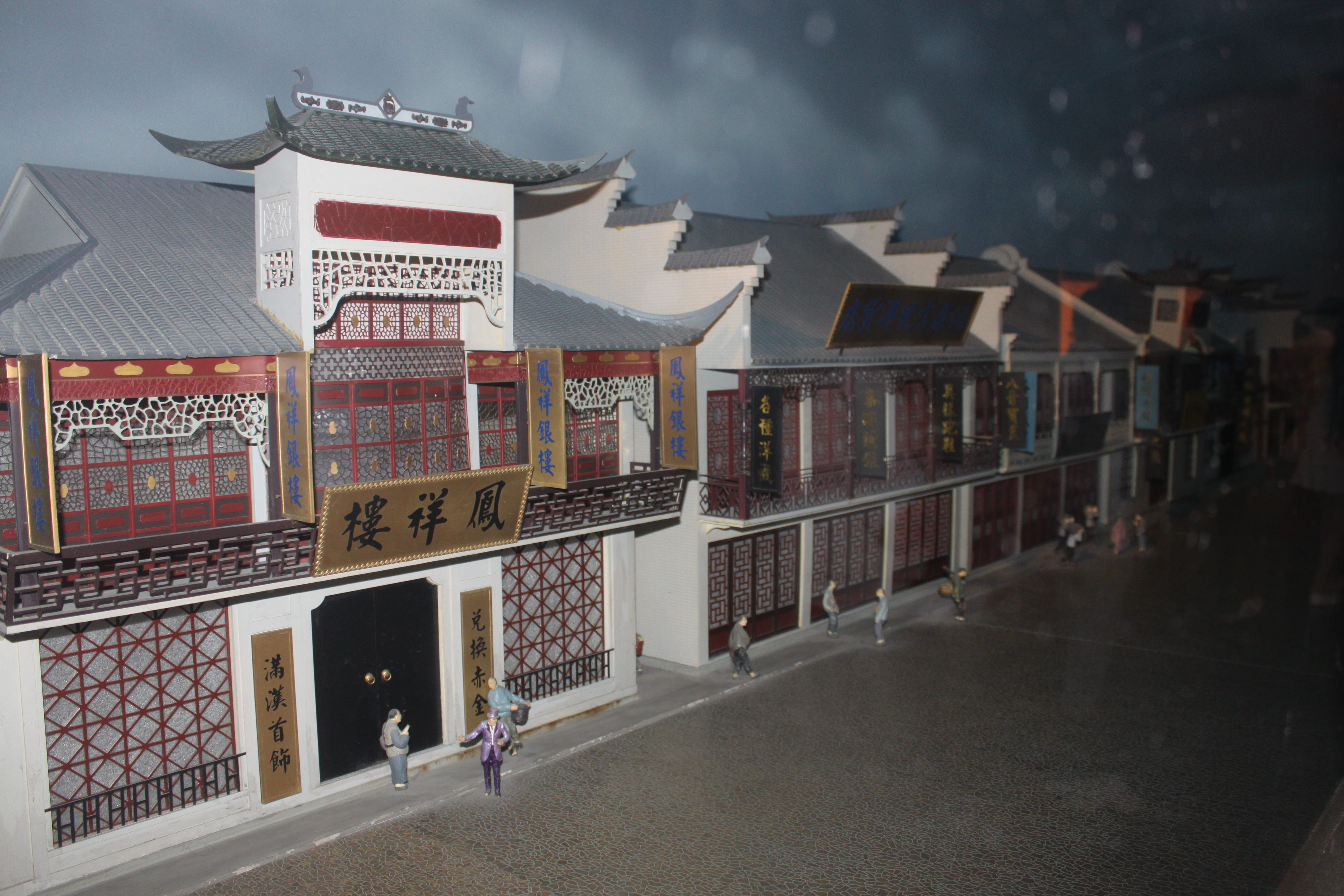
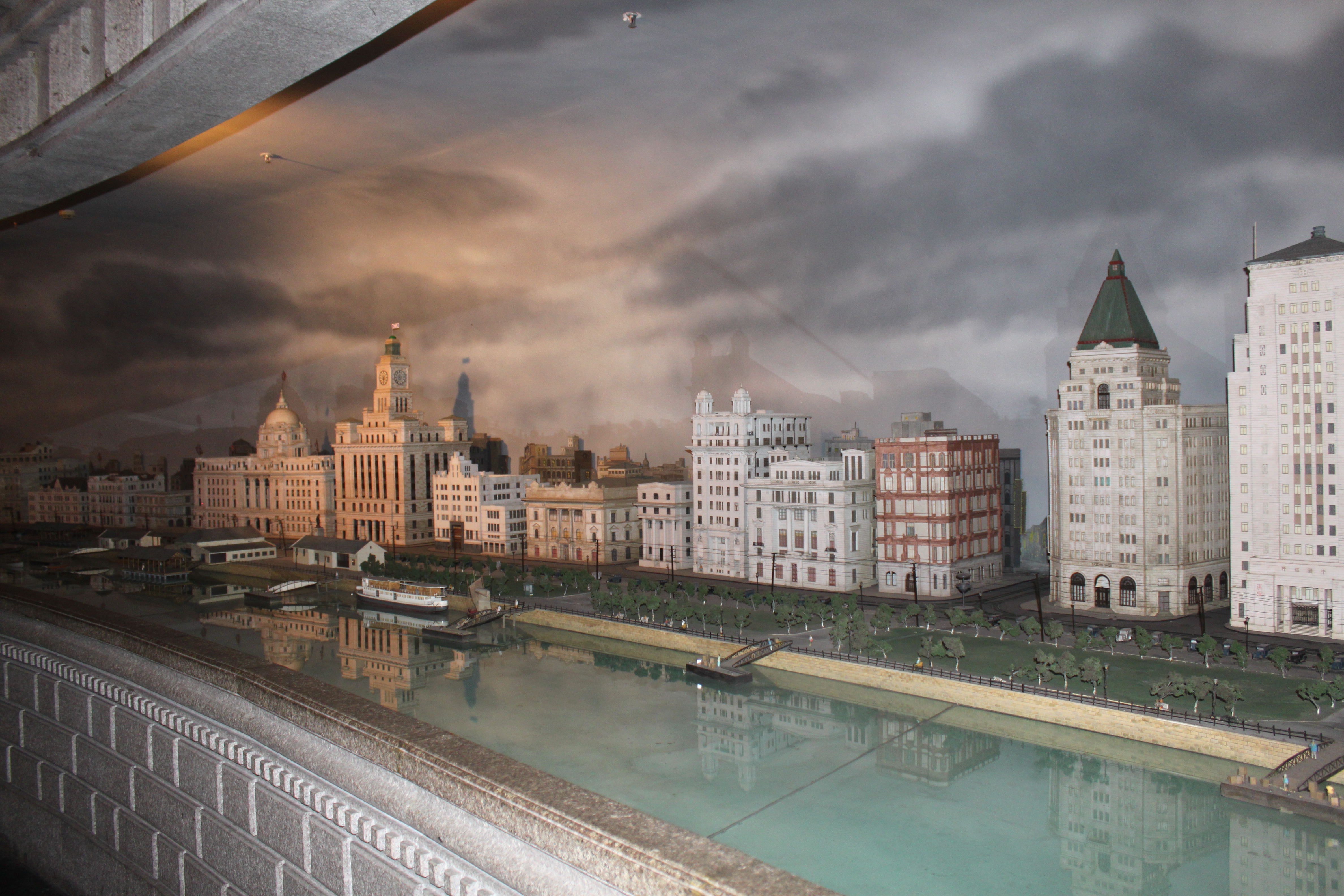
The Bund 1850

The Bund 1850

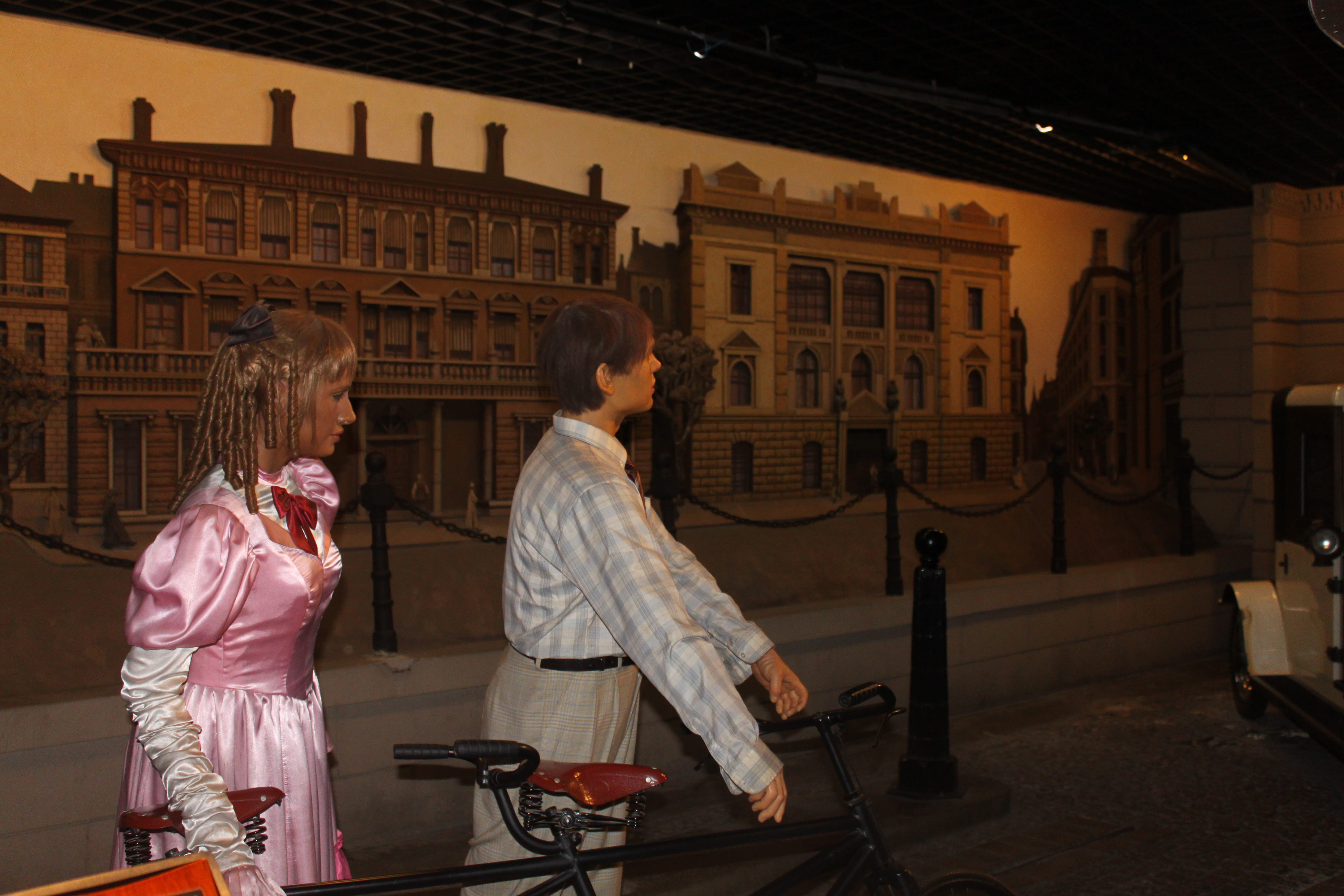
Shanghai's Streets at the start of 20th Century

Shanghai’s Streets at the start of 20th Century

Once Shanghai became a treaty port, the nimble-footed Western merchants established a number of firms and strongholds engaging in trade along The Bund, ending its closure to the outside world.

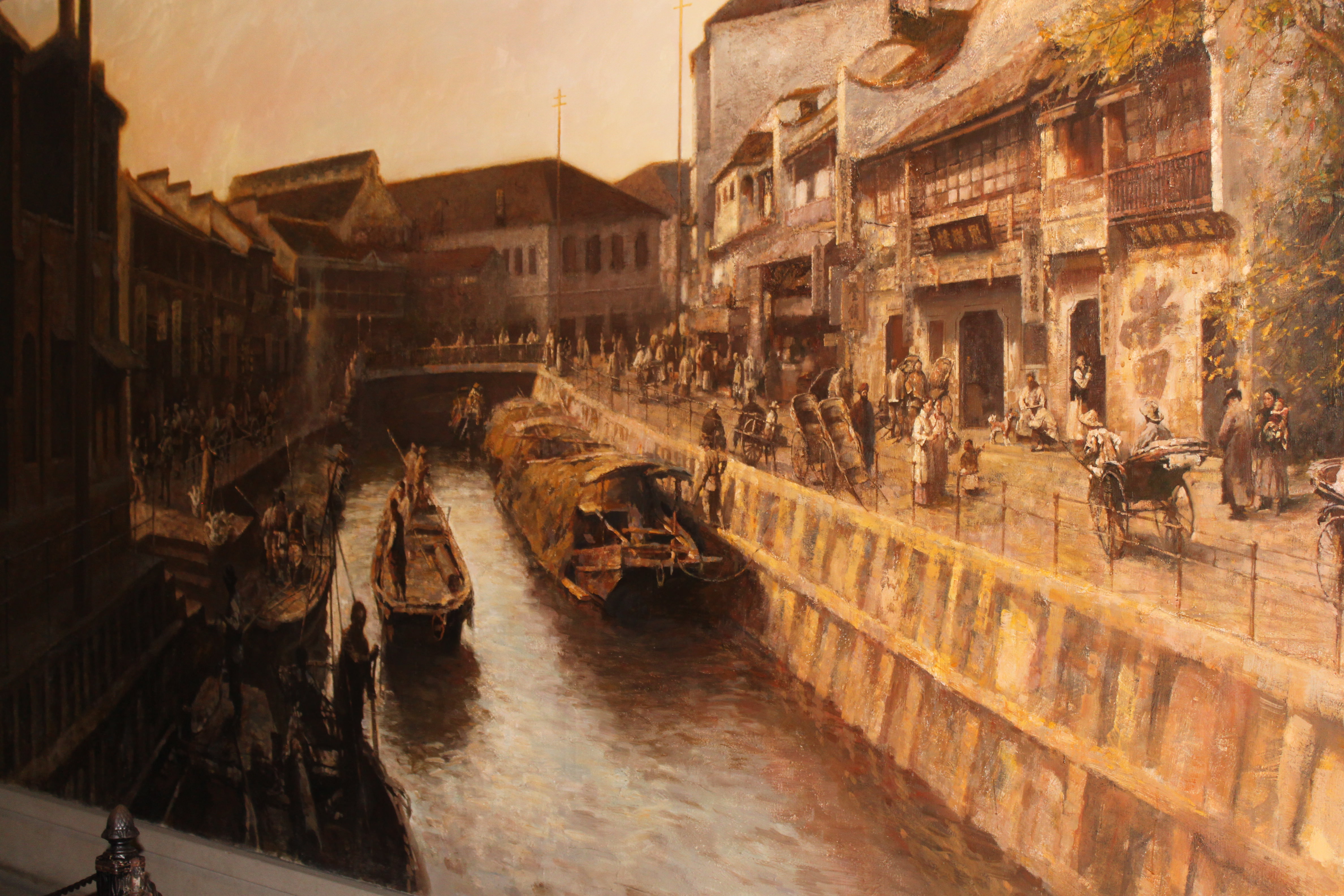
Yang-Jing-Pang Creek

Yang-Jing-Pang Creek
Nowadays this is Yan’an Road (East)

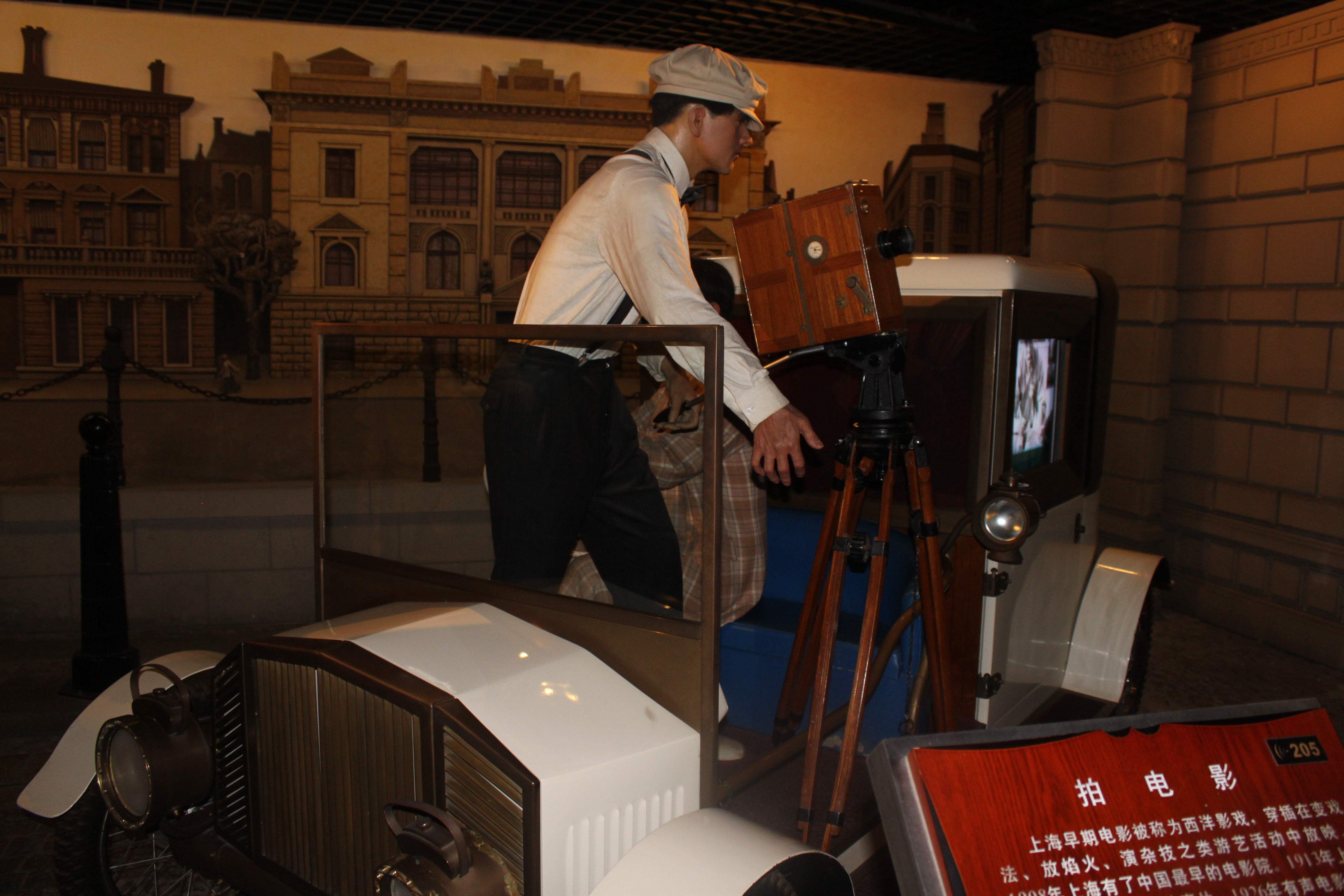
Shooting Films or Western Shadow Play

Shooting Films or Western Shadow Play

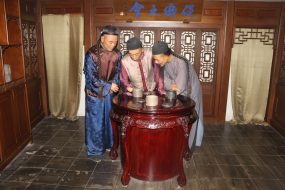
The Mixed Court
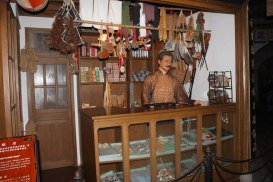
The Mixed Court

Tobacco and Paper Shop

Tobacco and (Toilet) Paper Shop


After Shanghai became a treaty port, the foreign powers seized part of the city’s administrative and judicial powers in the concessions.  The Mixed Court, a judicial establishment set up by the Chinese government consists of both Chinese and foreign judges. The loss of judicial sovereignty in the settlement was an important symbol of Shanghai’s semi-colonial status.
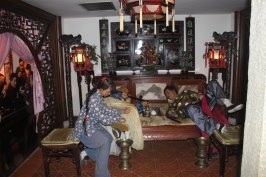
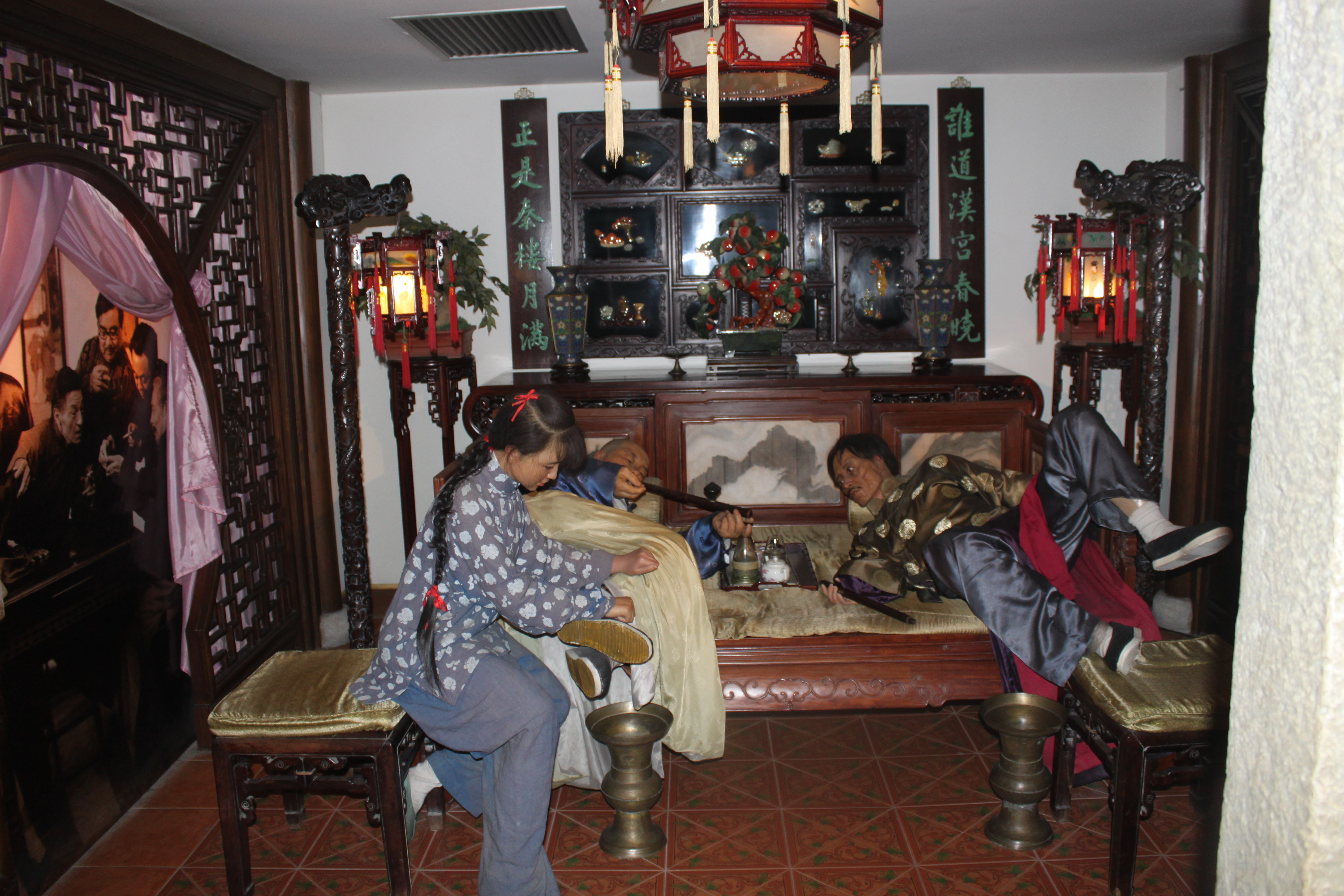
Opium-Smoking House
Opium-Smoking House

Cricket Fighting

Cricket Fighting

After the Opium War thousands of opium dens were scattered along the streets and lanes of Shanghai and quite a few of them tried to solicit customers with girls.  They were called “The Flowery Smoking House”.  The numerous opium dens were part of the seedy side of old Shanghai.
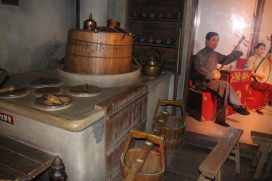
Tiger Stoves for Boiled Water

Tiger Stoves for Boiled Water

Tushanwan Portrait Painting Workshop

Tushanwan Portrait Painting Workshop


The Tughanwan Portrait Painting Workshop was the earliest art college teaching Western-style waiting in modern China. In 1852, the Tushanwan Orphanage in Xujiahui set up the Tughanwan Art and Handicraft Bureau.

Puppet Show
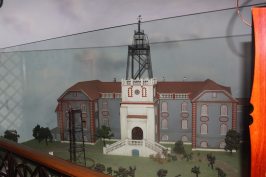
Puppet Show

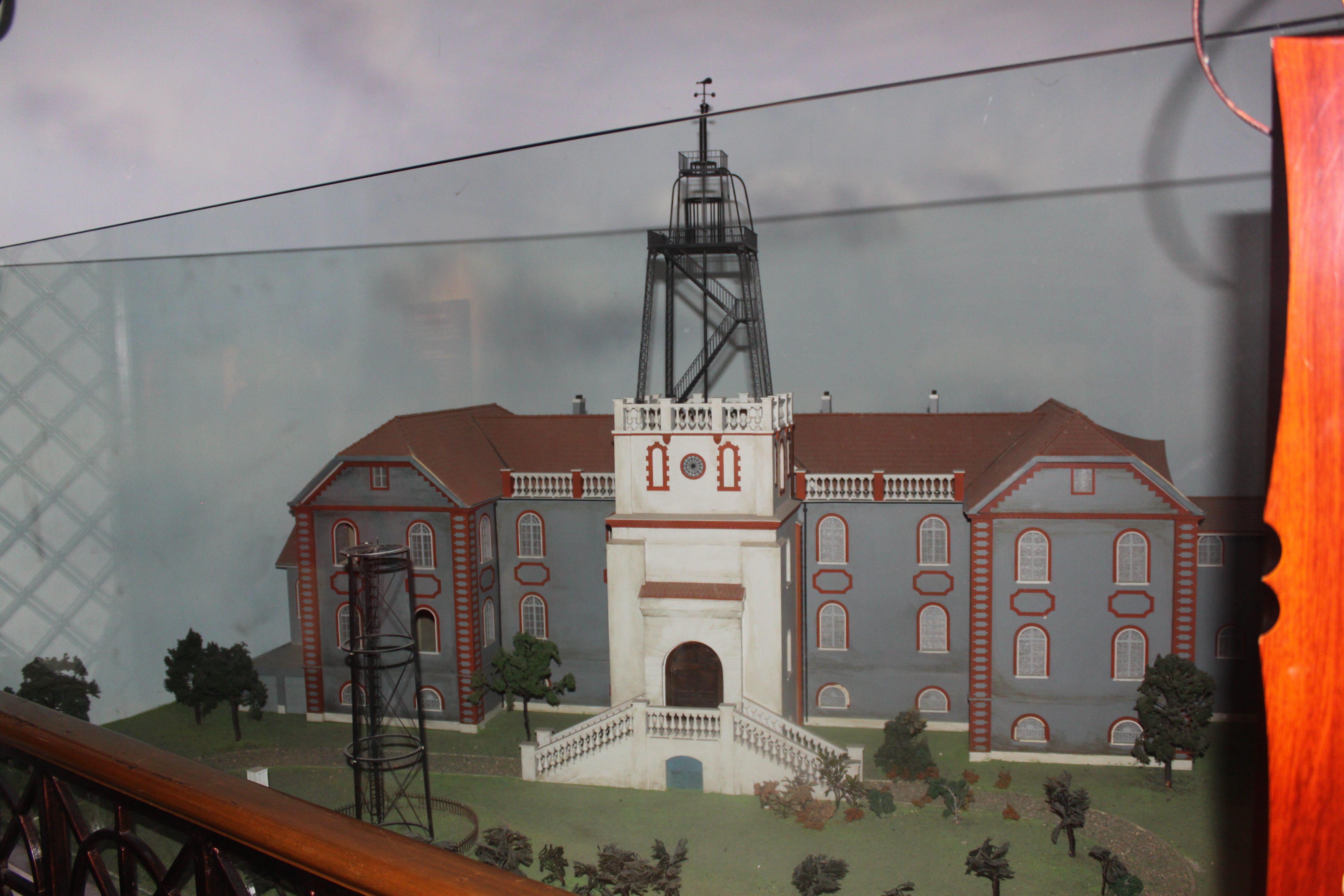
Xujiahui Observatory

Xujiahui Observatory

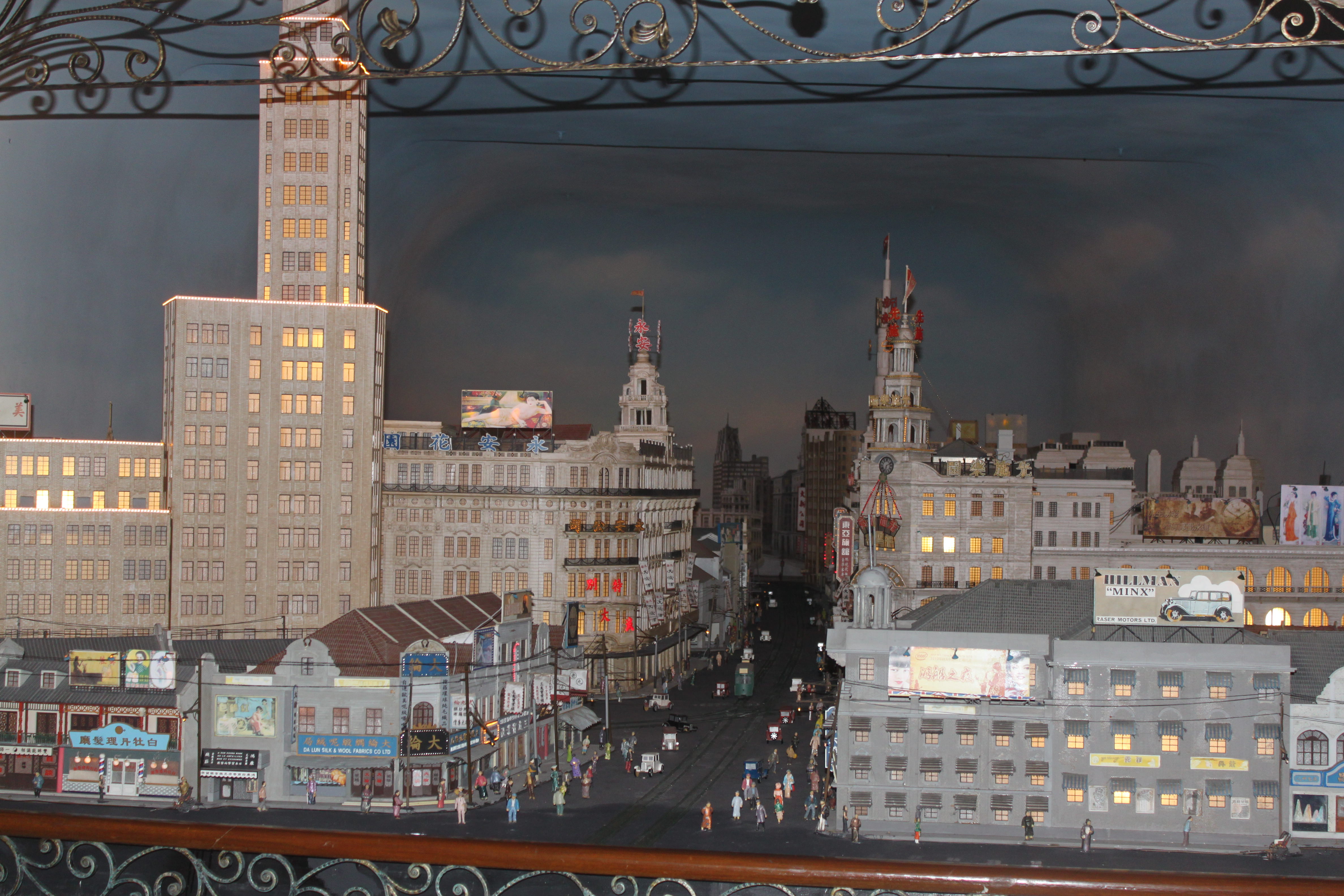
Nanjing Road in the 1930s

Nanjing Road in the 1930s

Nanjing Road at the Beginning of 20th Century

Nanjing Road at the Beginning of 20th Century


With over 50 years of development the commerce along the Nanjing Road thrived. Gas lamps were followed by electric lighting and telephones and piped water were later installed.

Xujiahui Observatory
Xujiahui Observatory

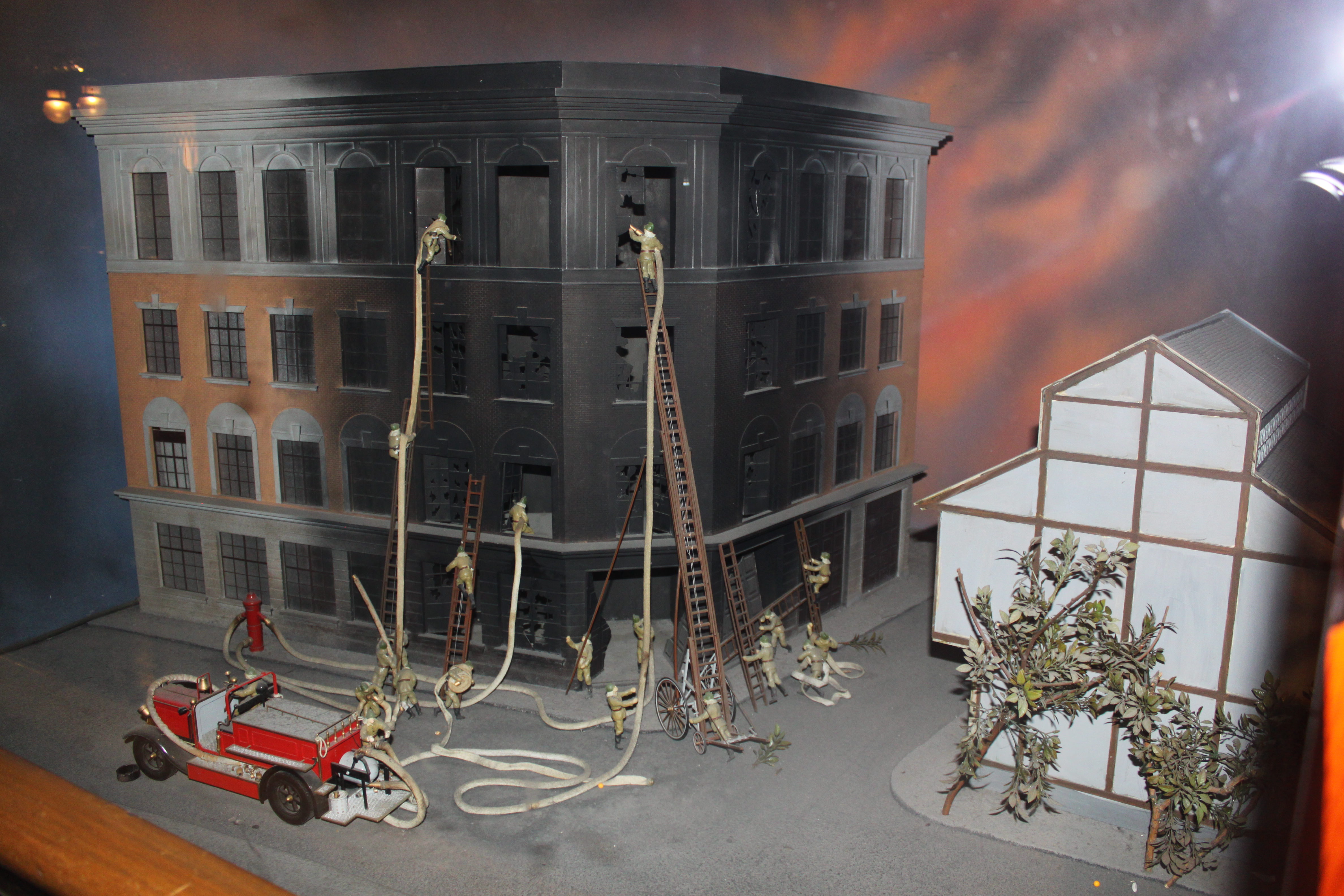
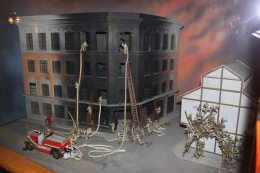
Fire Department and Fire-Fighting Scene

Fire Department and Fire-Fighting Scene at Nanjing Road


The Xujiahui Observatory was established by the Shanghai Catholic Church in 1872 to engage in astronomical, meteorological, geomagnetic work and time service. Its affiliates included the Signal Terrace [with red-dropping ball at midday], which was built at The Bund in 1884, the Sheshan Observatory, which was set up in 1901 and a geomagnetic station that was built at Kunshan, Jiangsu Province in 1908.  As a result, Xujiahui Observatory became the largest meteorological research institution in the world at the time.

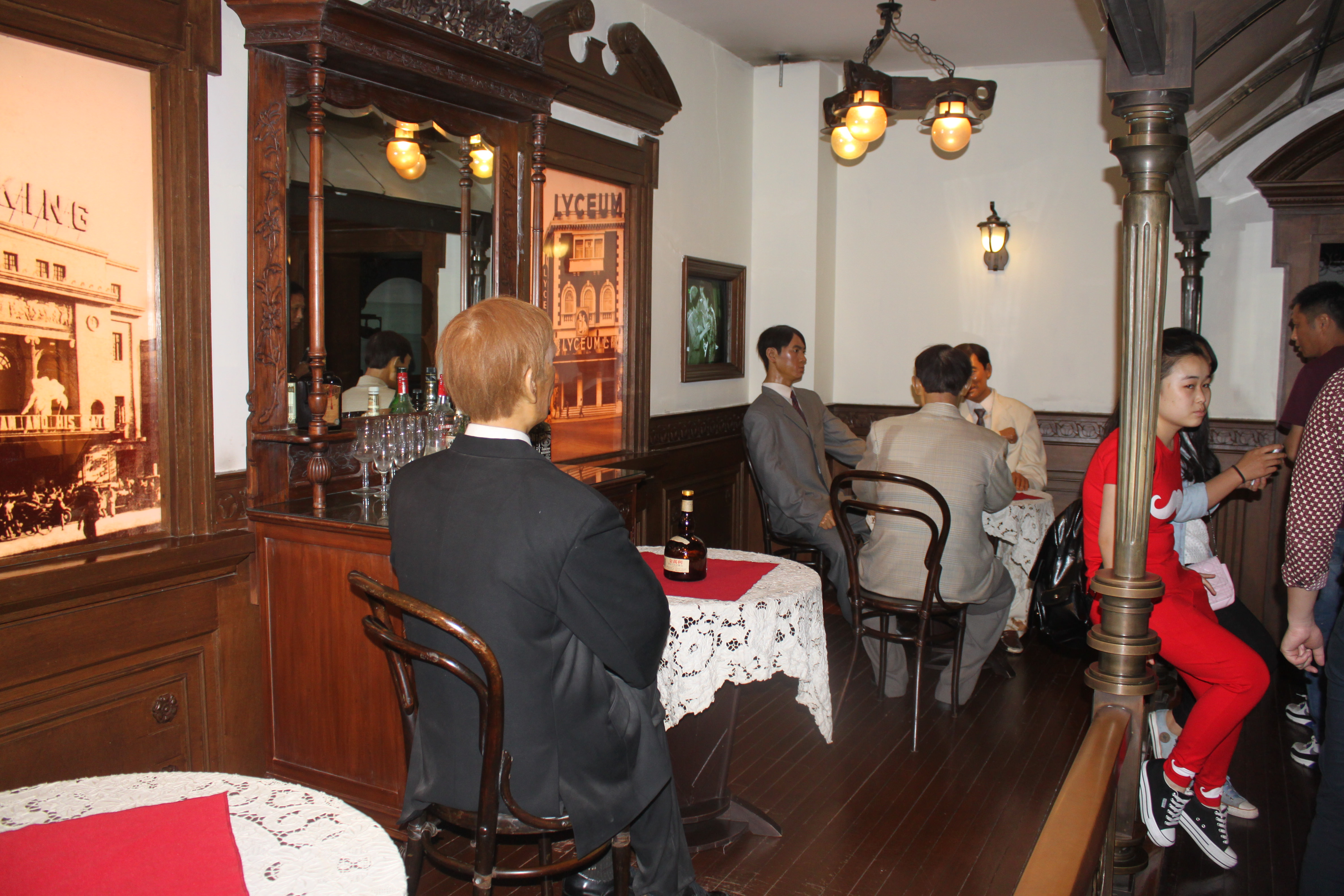
Coffee House

Coffee House

Tiger Stoves for Boiled Water
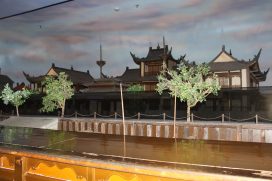
Tiger Stoves for Boiled Water


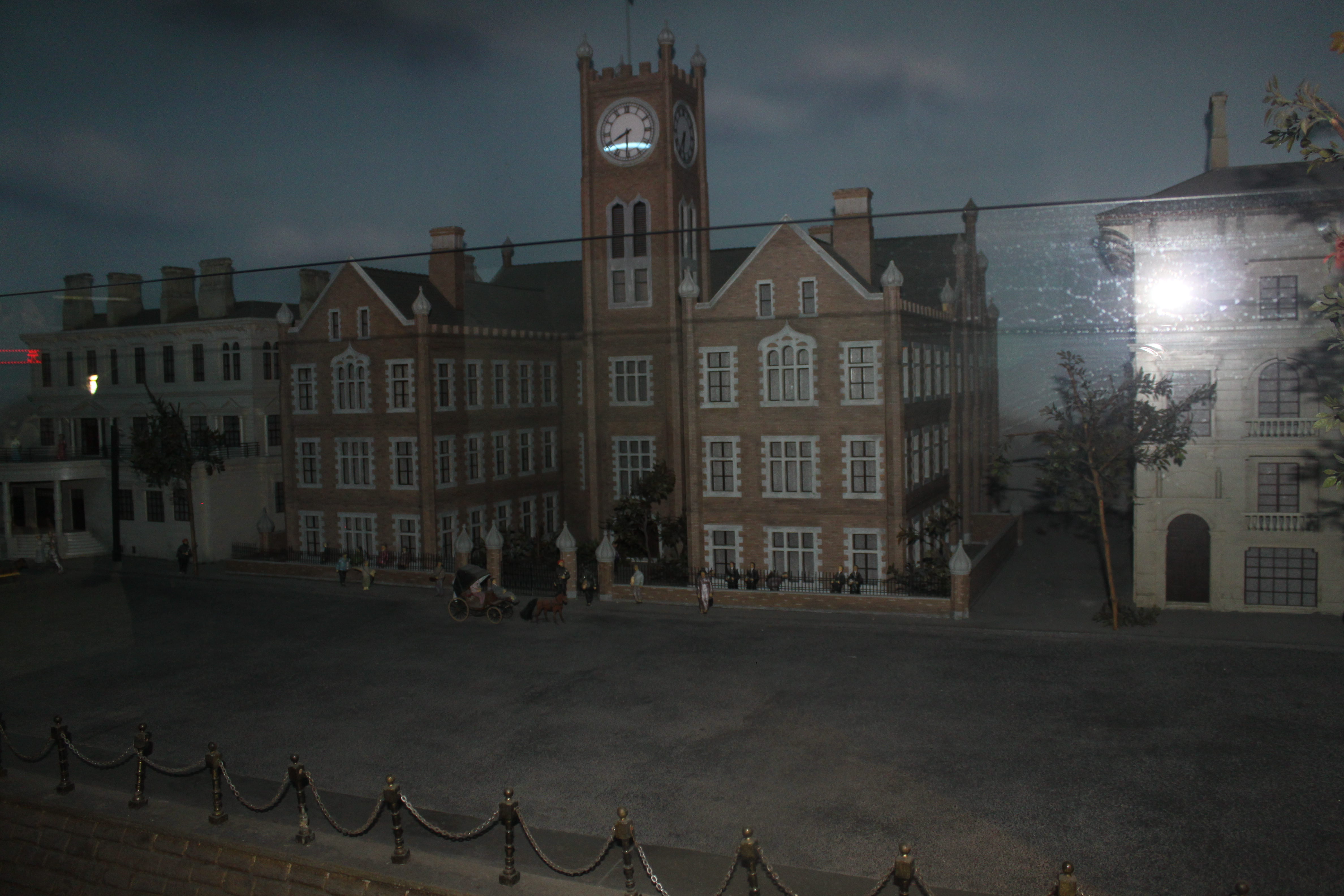
Shanghai Custom House
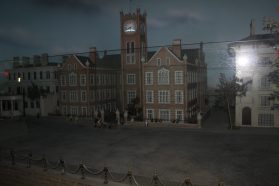
Shanghai Custom House

The Custom House

The Custom House


Shanghai Custom House was set up as a new customs house to the north of the old Shanghai Customs House after the Opium war.  Taking revenues from the foreign ships which entered Shanghiai harbour was its specific responsibility.

It was a Yamen-like building which was demolished and rebuilt at the end of the 19th Century in 1893 “bearing witness to the loss of China’s customs sovereignty.”
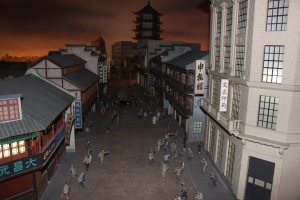
Wangping Street

Wangping Street

Wangping Street was the Fleet Street of Shanghai, with 10 newspapers at the beginning of the Republic of China period.  Shanghai became a nationwide centre for news and information the 1920s.


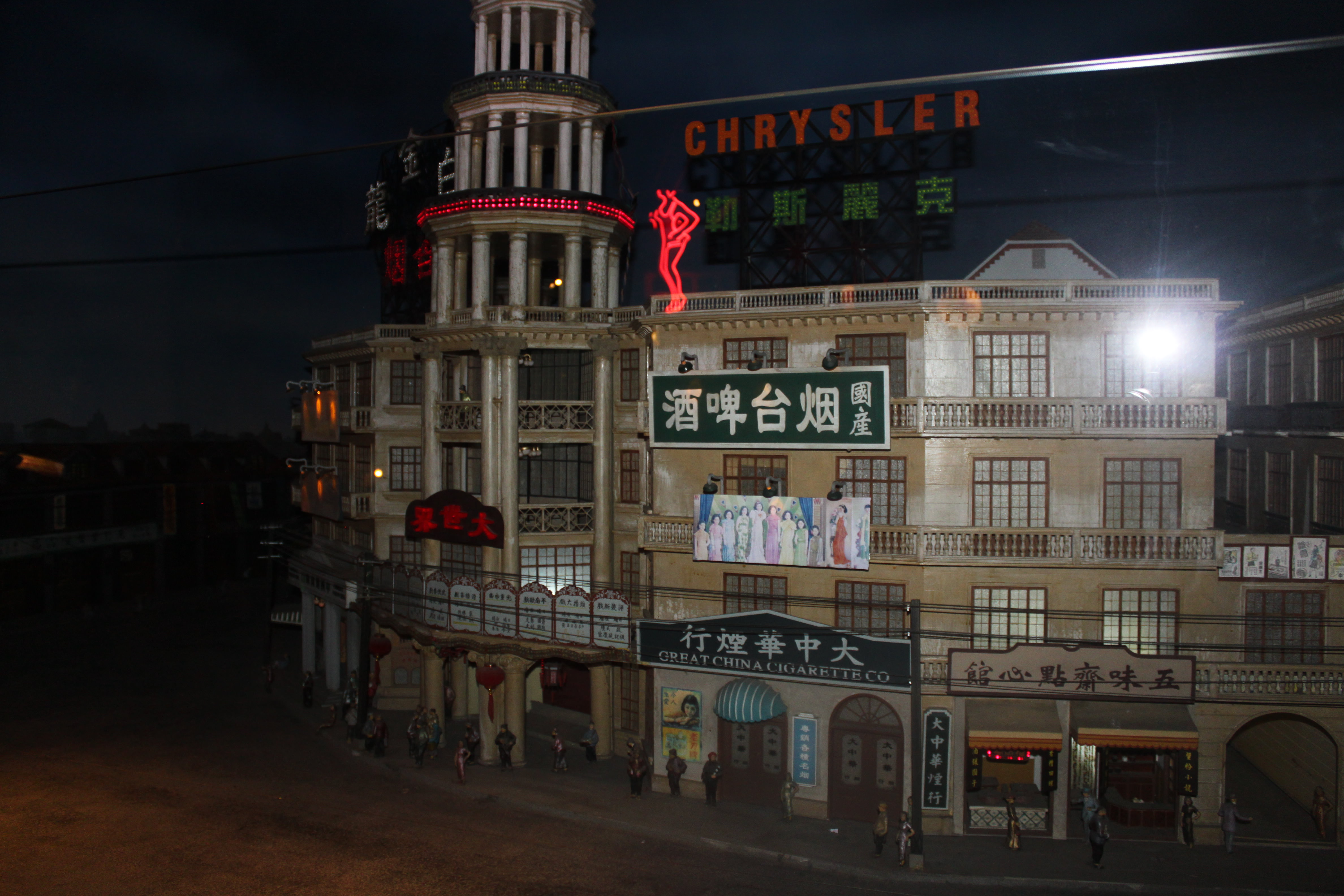
The Metropolis Infested With Foreign Adventurers

With European and American ideas approaching the East like wind and rain, modern Shanghai became China’s window for introducing modern Western culture and education. The distribution of Chinese and foreign goods and the growth of consumption enabled Shanghai to experience rapid development in commerce and trade as well as finance.  By the 1920s and 1930s , Shanghai had transformed into modern China’s largest commercial, financial and cultural centre, and an important metropolis in the Far East.  The architecture and the way of life in the concessions exhibit characteristics from Europe and America.  Shanghai was called “a metropolis infested with foreign adventurers”, a reflection of the city’s unusual prosperity.

The Great World (Amusement Centre)

The Great World (Amusement Centre)

Peep Show Ha-Ha Show

Peep Show Ha-Ha Show


The Great World known in Chinese as Da Shi Jie (an Amusement Centre) was set up by Huang Chujiu in 1917.  The varied programme included cinema, circus, concerts, local operas and restaurants, with occasional exhibitions and and auctions.

Yiletian Teahouse

Yiletian Teahou

Women's shoe shop

Women’s shoe sho

The Barbers

The Barbers

Presumed lady of the Night

Presumed lady of the Night

Tobacco Store

Tobacco Store


After the fall of the Qing Dynasty in 1911, a Chinese man was no longer forced to wear his hair in a pigtail and the front half of his head shaved (it had been a Manchurian fashion imported from the North when the Qing dynasty took power in the early 17th Century and was an important symbol of the Han submission to Manchu rule ).  Barber’s flourished in the city as a result and there were as many as 1,000 in Shanghai.

Si Ma Road (currently Fuzhou Road)
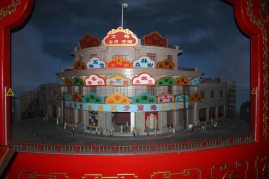
Si Ma Road (currently Fuzhou Road)

Tianchan Theatre

Tianchan Theatre

Texaco (China) Co. Ltd.

Texaco (China) Co. Ltd.

Siberia Fur Store
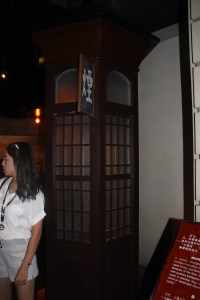
Siberia Fur Store


Money Exchange Kiosk

Money Exchange Kiosk

Lei Yun Shang Medicine Shop

Lei Yun Shang Medicine Shop

At the time of the foreign settlements both foreign and Chinese money were in circulation in Shanghai.  In the 1930s, the Bank of China, the Bank of Communication, and the Bank of Peasants were all producing their own promissory notes (China invented the bank note in the 11th Century), and the management of this fiat money led Shanghai to became the hub for such financial activities which established the city as the national financial centre.

Lei Yun Shang was a famous Chinese medicine shop.  It started business in Suzhou in 1724 and established a branch in Shanghai in 1860.  Its Chinese medicines, including “Liu Shen Wan”, made from a secret recipe, were on sale throughout the country and were immensely popular with doctors and patients.
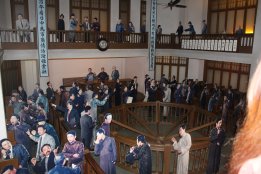
The Exchange

The Exchange

Qian Zhuang (Old Style Chinese Banks)

Qian Zhuang (Old Style Chinese Banks)


After the fall of the Qing Dynasty, Shanghai’s guilds started to set up exchanges similar to the western cotton and and grain exchanges.  The first such exchange was the Shanghai Stock and Goods Exchange founded in 1920. The model above is of the Shanghai Wheat Flour Exchange established in 1921.

After 1843 when Shanghai became a treaty port, foreign adventures landed here in increasing numbers.  In 1854, there were more than 120 foreign firms in Shanghai.  In the late 19th Century, a large number of comprehensive and specialized foreign firms controlled a huge amount of Shanghai’s imports and exports.
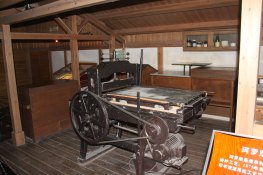
Collotype Printing

Collotype Printing

Opera Costume Shop

Opera Costume Shop

Opera Costume

Opera Costume

Another Opera Costume

Another Opera Costume


Si Ma Road (currently Fuzhou Road)

Si Ma Road (currently Fuzhou Road)

The Bund in the 1930s

The Bund in the 1930s


The Past Traces of Shanghai

I think this section was about buildings that are no longer standing in Shanghai, but so much of the rest has gone as well, so who knows.

Nanjing Road after 1917
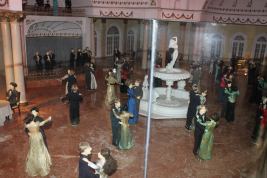
Nanjing Road after 1917

Lobby of the Majestic Hotel
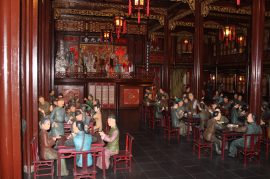
Lobby of the Majestic Hotel

Dangui Tea House

Dangui Tea House

Opera at Dangui Tea House

Opera at Dangui Tea House

Zhang Garden

Zhang Garden

The German Club

The German Club

Shack Settlement

Shack Settlement


The Architecture Collection

This section had a large number of models of the various buildings of architectural importance in Shanghai from the Concession era.  We’ve seen other models like this around Shanghai – at the Urban Planning Museum and at the Tourist Centre on the Waikang Road in the Old French Concession.

I was intrigued by this model and floor plan of a garden described as being on Anyi Road.  Known as Hardoon Park, Aili Park or Lovely Park it was started in 1904 and completed in 1910 and covered 26 acres.  It was famous for the combination of Chinese and English Styles.  Anyi Road is the same road as the first Mao Zedong house that I visited.  This garden is no longer there, it having been built over by the very Soviet-Style Shanghai Exhibition Centre.  The museum says that the house was owned by an English Jew, but it was in fact owned by Silas Aaron Hardoon, (born Saleh) a Jew from Baghdad.  The Mao Zedong house was also owned by the Hardoons.  When he died in 1931 he left $650 million, about $16 billion in today’s money, and had a one time been the wealthiest man in Asia, having made his money from property development. (Nothing changes then.)

Layout of Hardoon Park

Layout of Hardoon Park

Hardoon Park, Anyi Road

Hardoon Park, Anyi Road


Wu Tongwen Residence

Wu Tongwen Residence
Modernist Building


The Former General Post Office

The Former General Post Office
Classic English Style

Chang Hsueh-liang Residence

Chang Hsueh-liang Residence
Spanish-dstyle
Wang Ching-wei Residence

Wang Ching-wei Residence
Victorian Gothic Style
 

The Old City Hall of Shanghai Municipal Government

The Old City Hall of Shanghai Municipal Government
Classic Chinese Palace Style
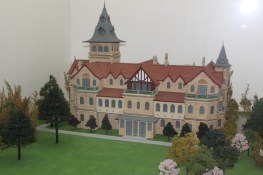
 

The Eric Moller's Residence

The Eric Moller’s Residence
Norwegian-style


Posted in Museum, Pudong | Tagged , , , | Leave a comment

The Seedy and Revolting Shanghai

A Brief History of the Seedier Aspects of Shanghai

Japan, on the Restoration of the Meiji, started along its expansionary path – the 1895 Sino-Japanese war had given Japan the Chinese territories of Korea, Taiwan and others.  Further treaties forced open cities like Shanghai to trade with Japan and gave them land to the North of the Bund on the north side of the Suzhou Creek – the Treaty of Versailles in 1919 giving German concession lands in Shanghai to Japan.  The Fourth of May Movement was a reaction to this and galvanised left-wing opposition to the decrepit Imperial System. (The Japanese went onto to attack Shanghai in January 1932 and then on 7th July 1937 a full-scale Japanese invasion of China began – the real start of World War 2).

As the Qing Dynasty declined, unable to fight off the encroaching foreign powers of the Europeans, but particularly the Japanese, whom China had long regarded as a vassal state, China retreated further and further into conservatism. But following the Boxer Rebellion (1899 – 1901) which was against foreigners in the country, Shanghai became more distanced from what was happening in the rest of the China and became more and more westernised.  The child Emperor Pu Yi abdicated in 1912.  War Lords took control of the country. And this became the Golden Age of Shanghai which industrialised at an extraordinary speed, with trams, lifts, sewerage and telephone systems rapidly installed, with the fantastic Art Deco architecture growing up daily and thereby becoming a cosmopolitan city on the international stage, whilst all the while harbouring the squalor, exploitation and tormented patriotic resentment.  As the government declined, lawlessness increased.  Organized crime grew, as did the resentment of  the left-wing intellectuals. Just like Havana in Cuba a little later in fact.

Green Gang Mobster Big Eared Du

Green Gang Mobster Big Eared Du

In the power vacuum that developed after the fall of the Emperor in 1912 an ambitious Green Gang mobster Du Yuesheng or “Big Ears Du” organised an opium cartel out of the prostitution and opium dens that had existed since the British had arrived with their poppy-product in 1845.  He had an ally in the French Concession gendarmerie Huang Jinrong or “Pockmarked Huang” who policed in favour of the cartel’s brothels, gambling houses and opium dens.

All this led to the formation of the Chinese Communist Party, with its First National Congress being held in the city in 1921.

Meanwhile the two parties – the Communists and the Nationalists had started off as allies in their opposition to the Imperial System, but on the death of Dr. Sun Yat-Sen (in 1925), the Militarist Chaing took control of the Nationalist organisation and ran the country as a dictator.  Mme Sun Yat-sen sided with the Communists and claimed that they had the greater legitimacy as the inheritors of Dr. Sun Yat-sen’s movement, than the Nationalist Chiang, who became her brother-in-law in 1927 by marrying her sister Soong May-ling as his fourth wife (some say to try to give legitimacy as the heir to the ideas of Dr. Sun).

By the late 1920s Big Ears Du was Shanghai’s gangster supremo and courted by Jiang Jieshi (Chiang Kai-chek).

The Longhua Martyrs’ Memorial Park

Entrance to the Longhua Park

Entrance to the Longhua Park

The Longhua Cemetery commemorates all those Shanghai  communists who died in the run-up to the final victory of the Communist Party in the Revolution of 1949, particularly remembered are the victims of a communist-led insurrection in Shanghai of workers, activists and students that were killed by the Green Gang in April 1927, and who massacred 5,000 red militants in the ensuing White Terror.  As a reward Chiang Kai-chek appointed Du

The avenue of trees between the gate and the Memorial Museum

The avenue of trees between the gate and the Memorial Museum

Yuesheng to the Board of the Opium Suppression Bureau – effectively putting the foxes in charge of the hen-coop.  At the height of his power Big Ears Du is thought to have had 100,000 gangsters under his command.  He thereby earned a strange sort of respectability  – his entry in Men of Shanghai and North China began: “One of the leading financiers, bankers and industrial leaders of China……”.  He fled Shanghai in advance of the Communist triumph in Shanghai and ended up in Hong Kong, along with many other of the city’s gangsters. He died there in 1951.

Months ago I went to visit the Longhua Temple – it was just after the beginning of the Chinese New Year celebrations and after I had visited the temple, I wandered into the Longhua Martyrs’ Memorial Park that sits just to the northwest of the temple grounds.  It

The Longua Martyrs' Memorial Museum

The Longua Martyrs’ Memorial Museum

is classed as one of the Red Tourism sights of Shanghai,

a movement promoted by the Chinese Government in 2005 to “rekindle that long-lost sense of class struggle and proletarian principles” and to inject some much need cash into some economically neglected parts of the country. In Shanghai such sites include the Soong Qingling Memorial Garden and the site of the First National Congress of the Chinese Communist Party.

Communist Martyrs Commemorated

Communist Martyrs Commemorated

From the archway you walk though an avenue of trees towards the pyramid-shaped Longhua Martyr Memorial Museum which houses an exhibition commemorating those who died at the hands of the Kuomintang (KMT)  and the Green Gang.  Inside the Museum is an exhibition of the fallen martyrs. Once inside the entrance hall at the start of the exhibition you are greeted with photographs of people:

Photographs of the FallenPhotographs of the Fallen 2


These are photographs of communists that had been killed.  But then the exhibition went into a little bit of the history of Shanghai with this summary of Britain’s role and a military costume, followed by a couple of small swords from the Small Sword Society, together with some photographs of Old Shanghai and pictures of Zhou Enlai and others in Paris in 1924 :

Britain's role in 1840

Britain’s role in 1840

War Robe Worn by Military Officer in Qing Dynasty

War Robe Worn by Military Officer in Qing Dynasty

Chen Huacheng General in the Wars of Resistance Against Britain

Chen Huacheng General in the Wars of Resistance Against Britain

It was a VERY potted history of Shanghai, without explaining very much and quite bewildering to the uninitiated.  I couldn’t work out what the British Opium Wars had to do with the mass killing of Communists by the Nationalists, but maybe you can.

Small Sword Society Exhibit

Small Sword Society Exhibit

Photo of the Members of the Standing Committee of the Provisional Government of the Special City of Shanghai

Photo of the Members of the Standing Committee of the Provisional Government of the Special City of Shanghai Mar 1927


Photo of Yan Changyi with Zhou Enlai and others in Paris

Photo of Yan Changyi with Zhou Enlai and others in Paris

Yan Changyi, one of the French work-study students was in a death cell in 1929 I have since discovered, but whether he was killed here in Shanghai I do not know, but the exhibition assumed I would.

The rest of the exhibition was given over to poignant exhibits of the personal items of some of those who had been killed in Shanghai for the Communist cause.

Long garment worn by Luo Yinong, Commemorative Badge of Lenin

Long garment worn by Luo Yinong, Commemorative Badge of Lenin


Outside in the park are a number of monumental, soviet-style sculptures:

Independence Democracy Liberation Construction Sculpture

Independence Democracy Liberation Construction Sculpture

Independence Democracy Liberation Construction Sculpture

Independence Democracy Liberation Construction Sculpture

Dancing For the Loyal Souls Sculpture

Dancing For the Loyal Souls Sculpture


Children's Heroes Sculpture

Children’s Heroes Sculpture

Aggression with One Mind Sculpture

Aggression with One Mind Sculpture


and because it is a park there were Chinese people doing what they always do in parks – their own thing.

Walking with Hair in Curlers

Walking with Hair in Curlers

Stretching

Stretching

Playing with a Diabolo

Playing with a Diabolo


The Martyrs Graves

The Martyrs Graves

Some gravestones had fresh flowers

Some gravestones had fresh flowers

The Unknown Martyrs Sculpture

The Unknown Martyrs Sculpture and Graveyard of the Unknown Martyrs Ever-bright Fire

Elsewhere in the park the graves of the Martyrs were laid out in amphitheatre style, with the headstones well cared for and flowers laid beside some  of them.  And there are the graves of the unknown martyrs with an eternal flame and a statue commemorating them. There are nearly 1700 graves.

The guidebook that I had with me that day didn’t go into the details of the

Map of Longhua Cemetery

Map of Longhua Cemetery

Longhua Cemetery and there is precious little English information in the Park, which is unusual for Shanghai.  And I didn’t study the photograph I had taken of the map  at the park’s entrance so I missed an important feature of this park, which I may go back to someday to have a look at.  But in the top right hand corner is a tunnel which leads from the original detention house  – this park sits on land that was the Songhu HQ of the KMT – to the spot where many of the remains of the victims were actually found the spot is now under the flame of the unknown Martyr and the sculpture to their memory.  Many who were killed here by the KMT were teenagers.

The park has been called Little Yuhuatai after the larger memorial in Nanjing.


Stele wall

Stele wall

Stone Stele

Stone Stele

Stele under concrete canopy

Stele under concrete canopy

To one side of the main axis is a Steles Garden with stone slabs or stele standing in amongst stands of bamboo or concrete monuments, or as carved into the 50 meter long stone walls of the garden that were very serene and in marked contrast to aggressive soviet-style sculptures elsewhere.  And a part of the park I really loved.  Some 90 revolutionary poems and articles are inscribed on these stele, some written by those who had been killed.


On my way out of the park, outside the Buddhist Temple – a religion that respects the lives of living creatures to such an extent that some buddhist monks sweep the floor in front of themselves to avoid killing any small creatures as they walk was this:
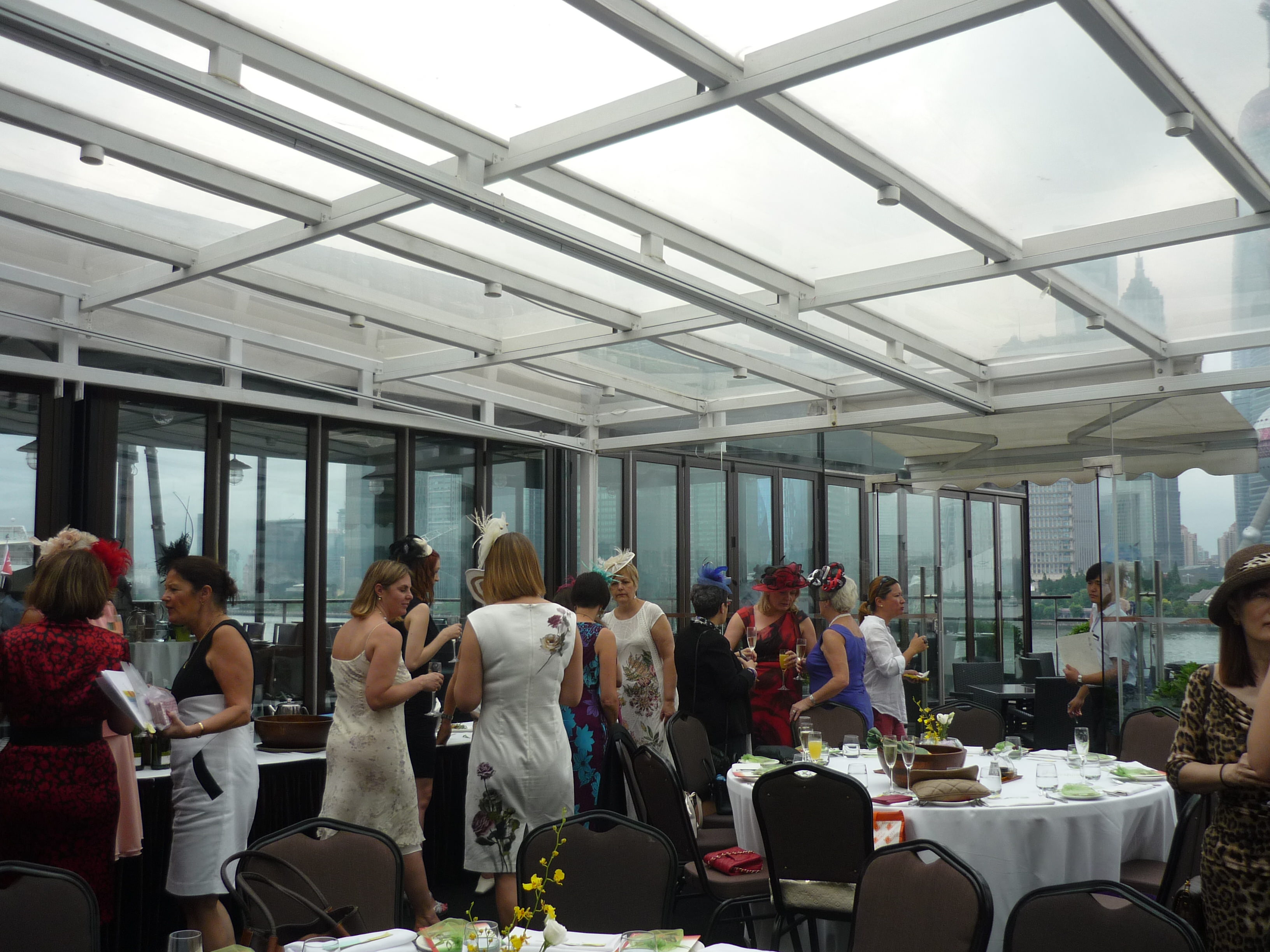
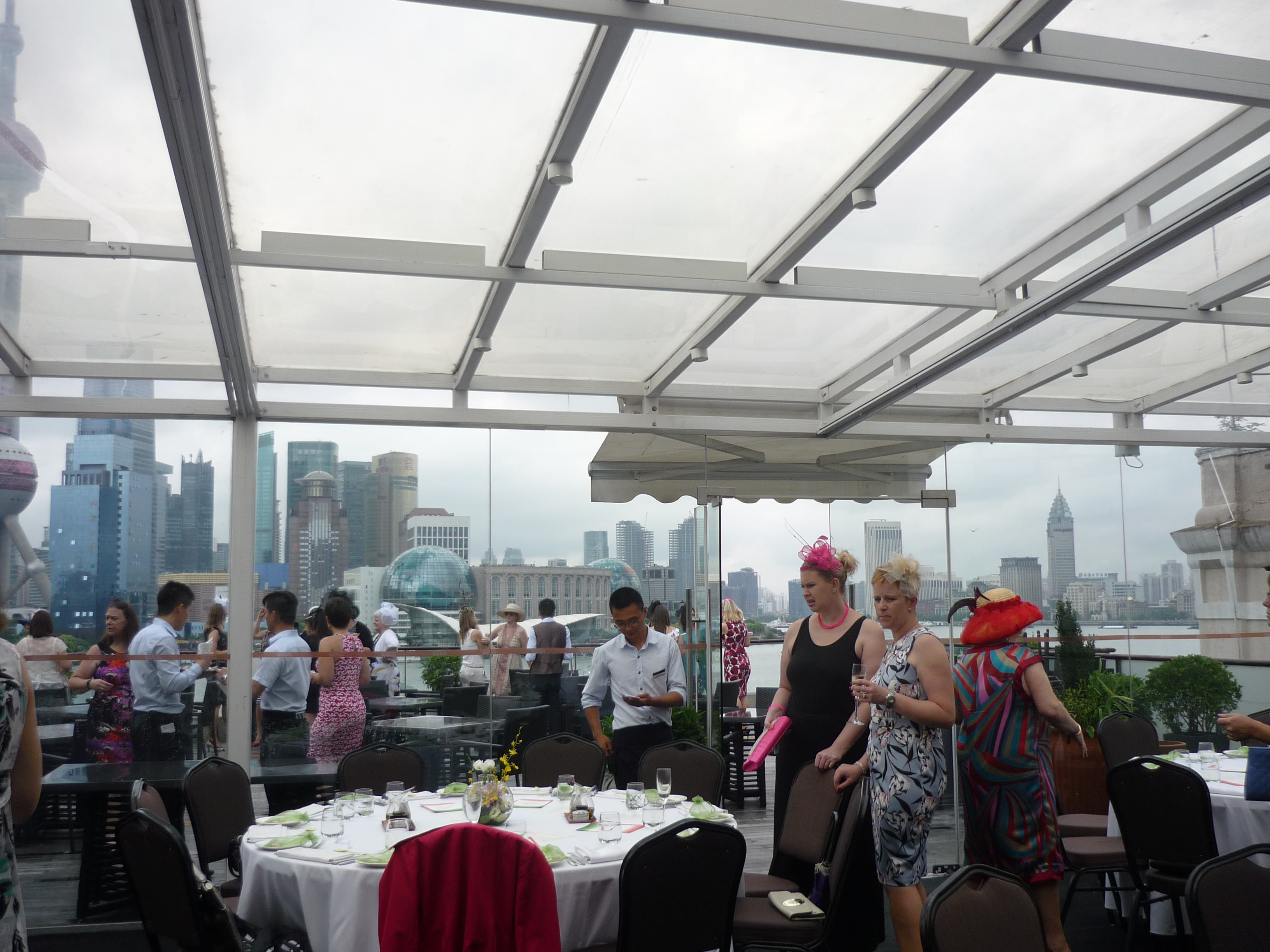
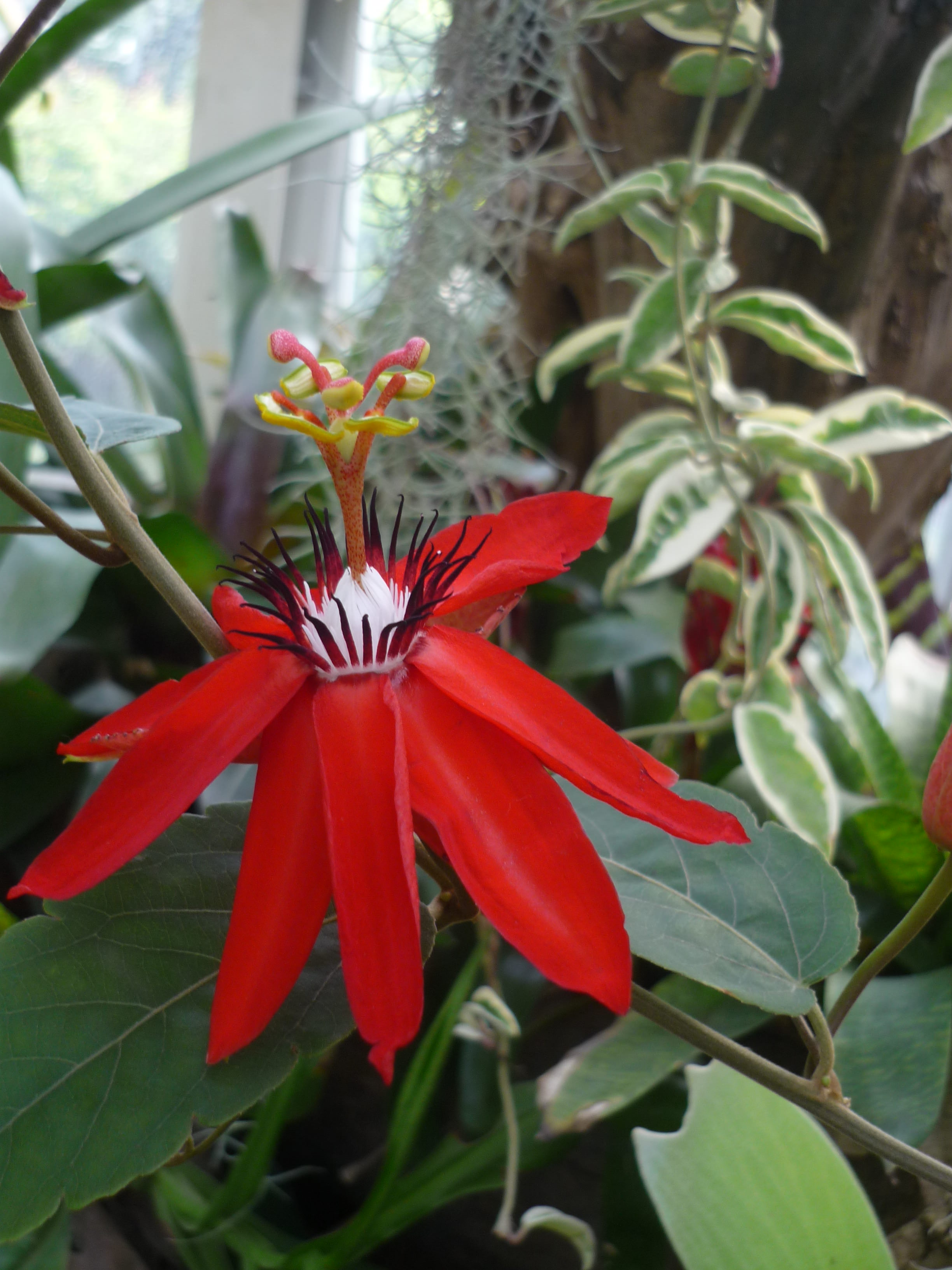
Tortoises

Tortoises

dinner for someone I presumed, each tortoise straining at their strings trying to get away, but tied down to their trolley base.


Posted in Museum, Parks, Xuhui | Tagged , , , | Leave a comment